
テ・デウム
Te Deum
シャルパンティエ・c. 1688–1698
パンパカパーン!ヨーロッパのテレビの幕開けを飾ってきた、ごうかな前奏曲。
テ・デウム ニ長調のページへ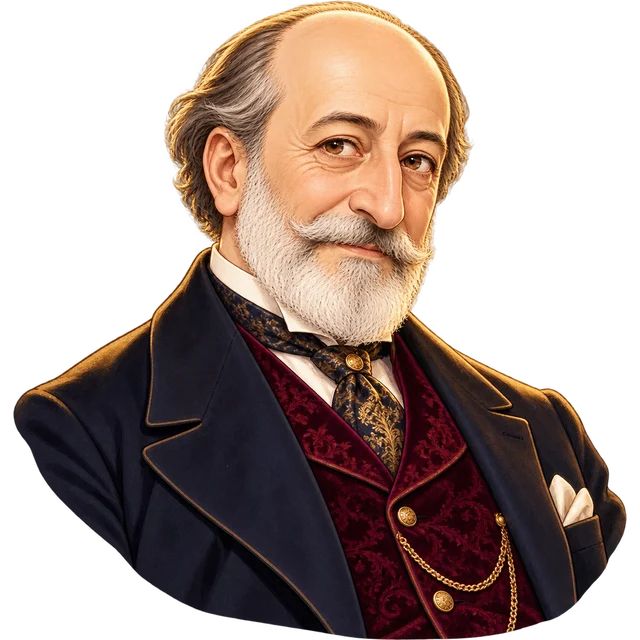
Symphony · Op. 78 · 1886
シャルル・カミーユ・サン=サーンス(1835–1921)
巨大なパイプオルガンが「ジャーン!」とホールをゆらす交響曲。A giant pipe organ makes the whole hall shake!
PUBLIC DOMAIN RECORDING
CC BY-SA 4.0 無料でダウンロードOKWATCH ON YOUTUBE
 Saint-Saëns: Symphony No. 3 “Organ” / Mehta - Berliner Philharmoniker
Berliner Philharmoniker(YouTube) YouTube で開く ↗
Anna Lapwood – Hans Zimmer & Camille Saint-Saëns • Opus Klassik 2024
Sony Classical(YouTube) YouTube で開く ↗
左の音源は権利が切れた録音なのでダウンロードできます。右の動画は YouTube の公式の埋め込みで見るもので、ダウンロードはできません(動画の権利は各チャンネルにあります)。
 もっと名演を観る YouTube で何百万回も再生された人気の演奏
Saint-Saëns: 3. Sinfonie (»Orgelsinfonie«) ∙ hr-Sinfonieorchester ∙ Iveta Apkalna ∙ Riccardo Minasi
hr-Sinfonieorchester – Frankfurt Radio Symphony(YouTube) YouTube で開く ↗
SAINT-SAENS "ORGAN" SYMPHONY - FINALE (ARR. JONATHAN SCOTT)
scottbrothersduo(YouTube) YouTube で開く ↗
Gustavo Dudamel - Notre-Dame de Paris Reopening - Saint-Saëns Symphony No. 3 (Olivier Latry)
Gustavo Dudamel(YouTube) YouTube で開く ↗
Saint-Saëns ‘Organ Symphony’ Finale – Anna Lapwood | Classic FM
Classic FM(YouTube) YouTube で開く ↗
ホー!オルガンが大活躍するけど、協奏曲じゃないんだ。オーケストラの仲間の一人なんだよ。
 この曲のおはなし The Story
交響曲第3番は、サン=サーンスが1886年に完成させた交響曲です。オーケストラにパイプオルガンと、2人で弾くピアノ(連弾)が加わるめずらしい編成で、「オルガン付き」の愛称で親しまれています。大きく2つの楽章に分かれ、それぞれがさらに前半と後半に分かれているので、実際には4つの部分からできています。Saint-Saëns completed his Symphony No. 3 in 1886. Besides the orchestra, it uses a pipe organ and a piano played by two people, which is very unusual. That is why it is called the 'Organ' Symphony. It has two movements, and each is split into two parts, so it really has four sections.
作曲を依頼したのは、ロンドンのロイヤル・フィルハーモニック協会です。サン=サーンスはパリのマドレーヌ教会で約20年オルガン奏者を務めた名手で、ピアノの腕前も一流でした。曲の最初に出てくるテーマが、形を変えながら最後まで何度も登場する仕組みで、これはリストが得意とした手法です。The work was commissioned by the Royal Philharmonic Society in London. Saint-Saëns was a brilliant organist. He played at the Madeleine church in Paris for about twenty years, and he was a superb pianist too. A theme heard at the beginning keeps coming back in new shapes until the end, a technique Franz Liszt loved.
1886年5月、ロンドンでサン=サーンス自身の指揮により初演され、その後パリでも高く評価されました。今ではフランスを代表する交響曲のひとつです。新しいパイプオルガンを備えたコンサートホールでは、その響きを披露する曲として、この交響曲がよく選ばれます。It was premiered in London in May 1886, with Saint-Saëns conducting, and it was soon praised in Paris as well. It is now one of the best-loved French symphonies. When a concert hall gets a new pipe organ, this symphony is often chosen to show off its sound.
This symphony has a very big instrument: a pipe organ. The organ plays softly in the slow part. Then, in the last part, it plays a huge chord. The whole hall seems to shake! Two people also play one piano together.この交響曲には、とても大きな楽器、パイプオルガンが入っています。ゆっくりの部分では、オルガンは静かに鳴ります。そして最後の部分で、大きな和音をジャーンと鳴らします。ホール全体がゆれるようです!1台のピアノを2人でいっしょに弾く場面もあります。
 聴きどころ Listening Guide
 えっ!?ネタ Surprising Facts
 タップすると答えが開きます
最後の楽章の堂々としたメロディは、1970年代のポップス「イフ・アイ・ハド・ワーズ」になりました。この歌は1995年の映画「ベイブ」(子ブタが主人公)で使われ、クラシックを知らない人にも広く知られるようになりました。
The grand tune of the finale became a 1970s pop song, 'If I Had Words'. The song was later used in the 1995 film Babe, about a little pig, and many people who never listen to classical music came to know it.
オルガンといえば大音量のイメージですが、最初に出てくるのは前半のゆっくりした部分で、弦楽器の下でとても静かに和音を支えます。ジャーンと鳴るのは、後半の最後の部分になってから。この「ためて、ためて」の作戦が感動を大きくしています。
You might expect the organ to be loud from the start, but it first enters in the slow section, softly holding chords under the strings. Its big blast waits until the finale. Saving it for later makes that moment much more powerful.
リストは若いころからサン=サーンスを認め、オペラ「サムソンとデリラ」をドイツのワイマールで初演させてくれた恩人でした。交響曲第3番の初演から約2か月後にリストが亡くなり、この曲はリストの思い出にささげられました。
Liszt had supported Saint-Saëns for years and helped get his opera Samson and Delilah staged in Weimar. Liszt died about two months after the symphony's premiere, and the work was dedicated to his memory.
サン=サーンスは86歳まで生き、たくさんの曲を書きましたが、交響曲はこの第3番が最後でした。本人は「ここでやりとげたことは、もう二度とできないだろう」と語ったと伝えられています。まさに全力を出しきった作品だったのです。
Saint-Saëns lived to 86 and wrote a huge amount of music, but this was his last symphony. He is reported to have said that he would never again achieve what he had done here. It was truly his all-out effort.
ENGLISH × MASTERPIECE
 もとはオルガンの「ストップ」(音色を選ぶつまみ)を全部引き出して、最大の音を出すこと。
 この曲で覚える英単語 Words
 クイズに挑戦 Quiz
 この録音について(著作権・出典) Credits
MORE MASTERPIECES
シャルパンティエ・c. 1688–1698
パンパカパーン!ヨーロッパのテレビの幕開けを飾ってきた、ごうかな前奏曲。
テ・デウム ニ長調のページへ
パーセル・1695
ブリテンが「オーケストラ入門」のテーマに選んだ、かっこいいメロディー。
劇音楽「アブデラザール」より ロンドのページへ
バッハ・c. 1704 (?)
タラリ〜!一度聴いたら忘れない、オルガンの大迫力の幕開け。
トッカータとフーガ ニ短調のページへバッハ・c. 1706–1713
足が弾く低いテーマが21回!重くて壮大な、オルガンの大建築。
パッサカリアとフーガ ハ短調のページへバッハ・c. 1707–1710 (?)
キラキラの駆け上がりで幕開け!若きバッハのはなやかな鍵盤ショー。
トッカータ ニ長調のページへ
ヴィヴァルディ・published 1711
2本のヴァイオリンが火花を散らす!バッハも編曲した熱い協奏曲。
協奏曲集『調和の霊感』第8番 イ短調(2つのヴァイオリンのための協奏曲)のページへヴィヴァルディ・c. 1715
オクターブがぴょんぴょん跳ねる!喜びがはじける合唱の名曲。
グローリア ニ長調のページへ
テレマン・c. 1710–1720 (?)
バルブのないラッパで高音をきらり!バロックのトランペットの晴れ舞台。
トランペット協奏曲 ニ長調のページへ
 MP3