

 英語のマジか!?ホント
牛の cattle と資本の capital は、語源が同じ。料金の fee も、もとは“家畜”
 2026.10.09
 English Corner(A2〜B2・4択クイズ)
 読む前に予想してみよう!
英語の fee(料金)のもとの古英語は、「家畜」という意味も持っていた
AHD によると、古英語 feoh には「家畜」「財産」「お金」の3つの意味があった。財産を家畜の数ではかった時代の名残とされる。
 研究カード(どんな研究?)
- 対象
- 英語・ラテン語の辞書の語源欄と古代ローマの著作
- 規模
- 辞書3種・ローマの著作2点
- 研究の種類
- 語源・文献の調査
- 確かさ
- ★★★★☆
牛の cattle と資本の capital は同じラテン語から。料金の fee や「変な」の peculiar にも、家畜が財産だった時代の名残がある。
ひとことで言うと牛の cattle と、お金の capital は、もとは同じ言葉だった!
もくじ
牧場の牛は cattle(キャトル)。会社を始める元手は capital(キャピタル)。
見た目も意味もまるで違うこの2つ、じつは同じラテン語から生まれた兄弟です。
それだけではありません。授業料や入場料の fee(料金)、「変な」という意味の peculiar、「仲間」の fellow。どれも、たどっていくと「家畜」に行き着きます。家畜が財産であり、お金だった時代の名残です。
01cattle は、もとは「財産」という意味だった
アメリカの英語辞典『American Heritage Dictionary(AHD)』で cattle の語源を見ると、こうなっています。
- 中英語(12〜15世紀ごろの英語)の catel:「財産、家畜」
- さかのぼると、中世ラテン語の capitāle:「持っている物、資金」
- そのもとは、ラテン語 capitālis(いちばん大事な、もとの)
- さらにそのもとは、ラテン語 caput(頭)
オックスフォードの学習辞典も、中英語の cattle は「個人の財産、富」も指したと書いています。
つまり道すじは、「頭」→「いちばん大事な」→「元手・財産」→「家畜」。財産を表していた言葉が、財産のなかでいちばん目立つもの、つまり牛に意味をしぼっていったのです。
一方、資本の capital も、AHD によるとラテン語 capitālis(もとは caput「頭」)から来ています。首都も大文字も capital。牛と資本と首都と大文字が、みんな「頭」の親せきというわけです。
02cattle と chattel は、同じ単語の“双子”
chattel(チャトル)は、法律の言葉で「家具や家畜のような、動かせる財産」のこと。AHD によると、cattle も chattel も同じ中世ラテン語 capitāle から来ています。
違いは、通ってきたフランス語の方言です。cattle はフランス語の方言の形 catel から、chattel は古フランス語の chatel から英語に入りました(AHD・オックスフォード)。同じ単語が、つづりを変えて2回入ってきたのです。
AHD には chattel の意味として「奴隷」も載っています。人を「動かせる財産」として扱った歴史が、言葉にも残っています。
03料金の fee は「家畜」から
ここからは逆向きの話です。「家畜」を表す言葉が「お金」の意味になった例です。
AHD の fee の項には、くわしい語源の解説(Word History)がついています。それによると、fee のもとの古英語 feoh には、3つの意味がありました。
- 家畜
- 財産、動かせる持ち物
- お金
さらにさかのぼると、インド・ヨーロッパ祖語(英語やラテン語の共通の祖先)の peku-「動かせる富、家畜」にたどり着きます( は、記録には残っておらず、学者が復元した形という印)。AHD は、インド・ヨーロッパ系の言葉を話した古代ヨーロッパやアジアの社会では財産を家畜の群れの大きさではかることが多かったので、「家畜」を表す言葉が「お金」の意味を持つのは自然だった、と説明しています。
同じ仲間に fellow(仲間) もあります。オックスフォードの学習辞典によると、もとは古ノルド語(バイキングの言葉)の félagi。fé「家畜、財産、お金」と、「置く」を表す語が合わさった言葉で、文字どおりには「共同の事業にお金を出し合う人」。仲間とは、もともと“出資仲間”だったのです。
- The museum entrance fee is five dollars.(博物館の入場料は5ドルだ)
- She went to lunch with her fellow students.(彼女は同級生と昼ごはんに行った)
04ラテン語でも、家畜がお金になった
インド・ヨーロッパ祖語の *peku- は、ラテン語では pecu/pecus(家畜) になりました。そこから生まれた言葉が、英語にたくさん入っています(AHD)。
- pecuniary(ピキューニエリ):「金銭の」。ラテン語 pecūnia(お金、財産)から
- impecunious:「お金がない」
- peculiar:「変な、特有の」。ラテン語 pecūlium「自分だけの財産」から。オックスフォードは「家畜が個人の財産だったから」と説明し、「変な」の意味は17世紀初めからとしています
- pecorino:イタリアの羊乳チーズ「ペコリーノ」。イタリア語 pecora(羊)から。AHD は pecus の仲間に入れています
「変な(peculiar)」と「チーズ(pecorino)」と「お金(pecuniary)」が、みんな家畜の親せきです。

この話、じつは2000年前のローマ人自身が書いています。
- 紀元前1世紀の学者ウァロは、「すべての pecūnia は pecus から来た。当時、羊飼いの財産は家畜だったからだ」と書いています(ラテン語辞典 Lewis & Short が引用)
- 1世紀の博物学者プリニウスは『博物誌』第18巻に、お金(pecūnia)は家畜(pecus)にちなむ名前だと書きました。昔は罰金も羊や牛で払い、役人は牛の罰金を言いわたす前に、まず羊の罰金を言いわたす決まりだったそうです。さらに、銅のお金に初めて羊と牛の姿を刻んだのはセルウィウス王だ、とも書いています
05どんでん返し:「牛を頭で数えたから capital」ではない
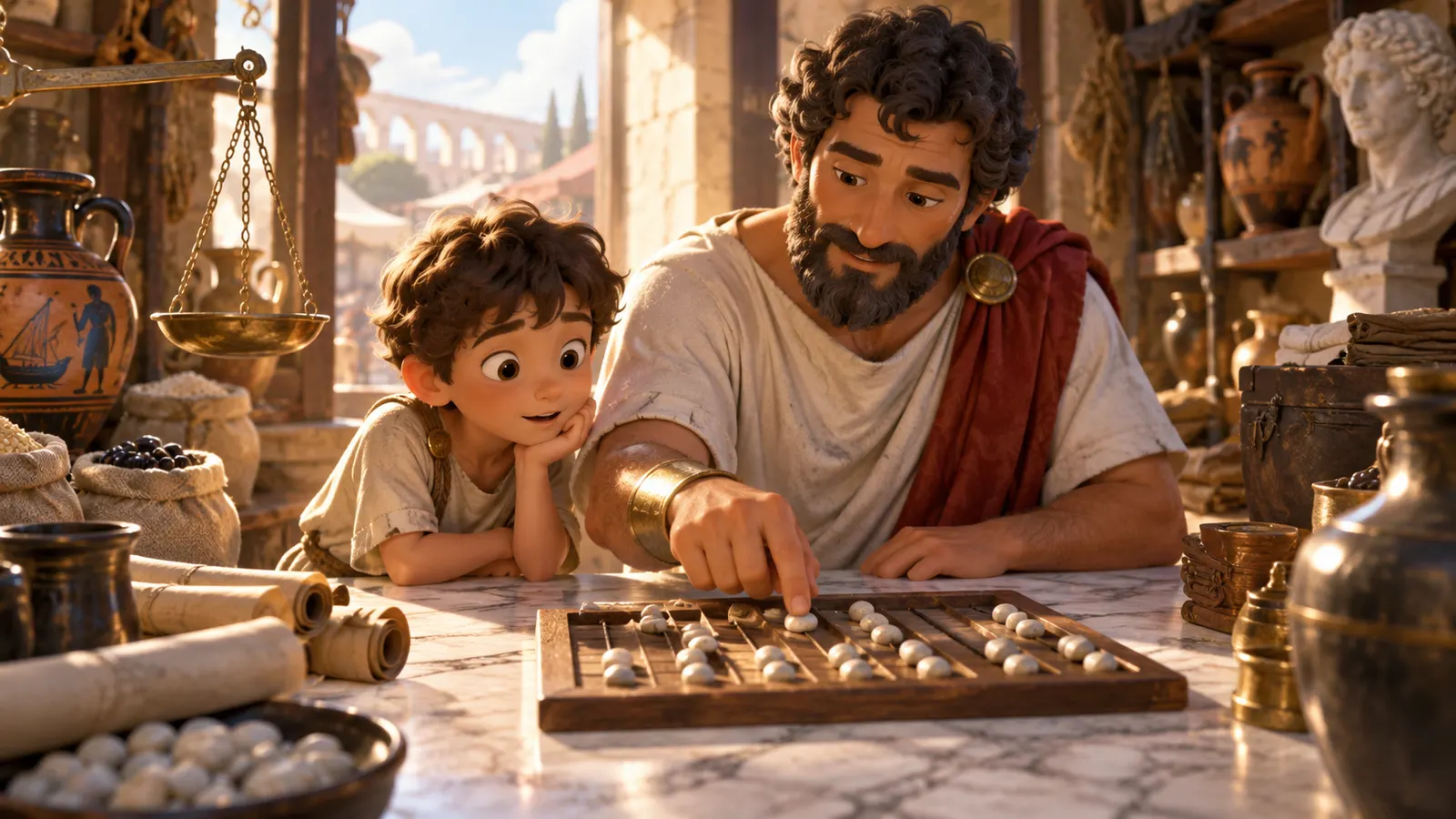
ここまで読むと、「牛を1頭、2頭と“頭”で数えたから、財産を capital と呼ぶようになった」と考えたくなります。英語でも牛を head of cattle と数えるので、なおさらです。
でも、今回調べた AHD とオックスフォードの辞書には、そうした説明はありません。辞書が示すのは「頭」→「いちばん大事な、もとの」→「元手」という道すじです。そして cattle は、家畜がお金になったのではなく、「財産」という言葉が家畜に意味をしぼったもの。fee や pecuniary とは、向きが逆なのです。
プリニウスのセルウィウス王の話も、ローマに伝わっていた話として読むのが安全です。王が本当にそうしたお金を作ったかは、この記事の出典だけでは確かめられません。
06まとめ
cattle・chattel・capital は「頭」から生まれた三兄弟。cattle は「財産」から「牛」へと意味がしぼられました。逆に fee・fellow・pecuniary・peculiar は、「家畜」から「お金」や「財産」へと広がった言葉です。
牛がお金だった時代の記憶は、毎日払う「料金(fee)」の中にも残っている。次に入場料を払うとき、そのお金が昔は牛や羊だったことを思い出してみてください。
この研究を英語で読もう原田英語の English CornerIn Middle English, the word "catel" could mean property of any kind, not only farm animals. 音声
音声 4択クイズ9問A2・B1・B2タップして開く
原田英語の English Corner
この研究を英語で読もう
The English word "cattle" means cows. But long ago, it could also mean "property," or the things a person owns. It comes from the Latin word "caput," which means "head." The word "capital" also comes from "caput," so cattle and capital are related.
The word "fee" has a story too. In Old English, the word behind it meant cattle, things you own, and money. Thousands of years ago, many people counted their wealth in animals.
75 words ・ CEFR A2
和訳を見る
英語の「cattle」は牛という意味です。でも昔は「財産」、つまり人が持っている物という意味でも使われました。この言葉は「頭」を意味するラテン語「caput」から来ています。「capital」という言葉も「caput」から来ているので、cattle と capital は親せきです。
「fee」という言葉にも物語があります。古英語では、そのもとの言葉は牛と持ち物とお金を意味していました。何千年も前、多くの人々は財産を動物の数で数えていました。
4択リーディングクイズ
Q1. What is the passage mainly about?
cattle・capital・fee が家畜や財産とつながっている話なので B。
Q2. What else could the word "cattle" mean long ago?
long ago, it could also mean "property" とあるので A。
Q3. In the passage, what does "wealth" mean?
counted their wealth in animals は「財産を動物の数で数えた」の意味なので D。
In Middle English, the word "catel" could mean property of any kind, not only farm animals. Today "cattle" just means cows. The word goes back through French to a Latin word built on "caput," meaning "head."
"Capital" comes from the same Latin family, and so does "chattel," a legal word for things you can move, like furniture or animals. Other words took the opposite road. The Old English word behind "fee" could mean cattle, goods or money.
In Latin, "pecu" meant cattle, and from it came "pecunia," money. That is where English gets "pecuniary," which means "relating to money." Even the Romans knew this. The writer Pliny said that the Latin word for money was named after cattle.
118 words ・ CEFR B1
和訳を見る
中英語では、「catel」という言葉は家畜だけでなく、あらゆる種類の財産を意味しえた。今では「cattle」は牛だけを意味する。この言葉はフランス語を通って、「頭」を意味する「caput」をもとにしたラテン語にさかのぼる。
「capital」も同じラテン語の仲間であり、家具や動物のような動かせる物を表す法律用語「chattel」もそうだ。ほかの言葉は逆の道をたどった。「fee」のもとの古英語は、牛・品物・お金を意味しえた。
ラテン語では「pecu」が牛を意味し、そこから「pecunia(お金)」が生まれた。英語の「pecuniary(金銭に関する)」はそこから来ている。ローマ人もこのことを知っていた。著述家プリニウスは、お金を表すラテン語は家畜にちなんで名づけられたと書いた。
4択リーディングクイズ
Q1. What is "chattel," according to the passage?
"chattel," a legal word for things you can move とあるので C。
Q2. Which word comes from the Latin "pecu"?
from it came "pecunia" ... English gets "pecuniary" とあるので A。
Q3. What does "the opposite road" suggest?
cattle は「財産→牛」だったが、fee や pecunia は「牛→お金」と逆向きに変わったことを指すので B。
About 2,000 years ago, the Roman writer Pliny the Elder noted that the Latin word for money, "pecunia," came from "pecus," cattle. Fines, he said, had once been paid in sheep and oxen. English is full of traces of that world. "Fee" goes back to Old English "feoh," which could mean livestock, goods or money.
"Fellow" comes from an Old Norse word for someone who put money into a shared business. "Peculiar" first meant "particular." It comes from a Latin word for private property in cattle, and its sense of "strange" only appeared in the early 1600s.
"Cattle" went the other way. In Middle English it could mean property in general, and today it means cows. Its twin, "chattel," kept the wider legal sense of movable goods. It is tempting to think that capital got its name from counting cattle by the head.
The dictionaries checked here say nothing of the kind. They trace "capital" to Latin "caput," which meant "head" but could also mean a sum of money laid out. Pliny's report that King Servius was the first to stamp copper money with sheep and oxen is best read as a Roman tradition.
194 words ・ CEFR B2
和訳を見る
約2000年前、ローマの著述家である大プリニウスは、お金を表すラテン語「pecunia」は牛を表す「pecus」から来たと記した。罰金もかつては羊や牛で払われていたと彼は言う。英語には、そうした世界の名残があふれている。「fee」は古英語の「feoh」にさかのぼり、これは家畜・品物・お金を意味しえた。
「fellow」は、共同の事業にお金を出した人を表す古ノルド語から来ている。「peculiar」は最初「特定の」を意味した。家畜という私有財産を表すラテン語から来ていて、「変な」の意味が現れたのは1600年代初めになってからだ。
「cattle」は逆の道を行った。中英語では財産全般を意味しえたが、今では牛を意味する。その双子の「chattel」は、動かせる財産という広い法律上の意味を保った。capital の名前は牛を頭数で数えたことから来た、と考えたくなる。
だが、ここで調べた辞書にはそのようなことは書かれていない。辞書は「capital」を、「頭」を意味し、出したお金の「元金」も意味しえたラテン語「caput」にたどっている。セルウィウス王が初めて銅のお金に羊と牛を刻んだというプリニウスの話は、ローマの言い伝えとして読むのがよい。
4択リーディングクイズ
Q1. What is the passage mainly about?
fee・fellow・peculiar・cattle・capital など、家畜と財産のつながりを示す語の話なので C。
Q2. When did "peculiar" start to mean "strange"?
its sense of "strange" only appeared in the early 1600s とあるので B。
Q3. What is the writer's view of the idea that "capital" comes from counting cattle by the head?
The dictionaries checked here say nothing of the kind. とあり、辞書には根拠がないと見ているので D。
重要単語
- cattleB1名詞(集合的に)牛The farm has fifty head of cattle.
 いつも複数あつかい(a cattle は不可)。頭数は ... head of cattle。もとは「財産」の意味だった。
 - propertyB1名詞財産、所有物In the past, cattle were an important kind of property. 「性質」の意味もある(the properties of water=水の性質)。private property「私有財産」。
- feeB1名詞料金、手数料The entrance fee is ten dollars. サービスや資格に払うお金。tuition fee(授業料)。乗り物の運賃は fare、品物の値段は price と使い分ける。
- capitalB1名詞資本、元手;首都;大文字You need capital to start a business. どれもラテン語 caput(頭)から。capital letter(大文字)、capital city(首都)。
- peculiarB2形容詞変な;特有のThere was a peculiar smell in the kitchen. be peculiar to ~ で「~に特有の」。語源は「自分だけの財産(家畜)」。
- fellowB2名詞・形容詞仲間(の);(くだけて)男、やつWe met some fellow students at the station. fellow students(同級生)のように名詞の前で「仲間の」。もとは「お金を出し合う人」。
- livestockB2名詞家畜The family sold some of their livestock to pay for the new barn. 牛・羊・豚などをまとめて言う語。a livestock とは言わない。
 公式・一次情報をチェック
- fellow(Oxford Learner's Dictionaries)oxfordlearnersdictionaries.com
- peculiar(Oxford Learner's Dictionaries)oxfordlearnersdictionaries.com
- pecunia(Lewis & Short, A Latin Dictionary, Perseus Digital Library)perseus.tufts.edu
このネタ、誰かに教えたくなった?
牛の cattle と資本の capital は、同じラテン語から生まれた兄弟。料金の fee も、古英語では「家畜・財産・お金」をまとめて指す言葉だった。「変な」の peculiar にも家畜がいる。
押すと「マジかリスト」に保存されます
 出典・参考文献(5件)タップで表示
- The American Heritage Dictionary of the English Language, 5th ed.「cattle」「capital」「chattel」ahdictionary.com
- The American Heritage Dictionary, 5th ed.「fee」(Word History)・付録 Indo-European Roots「peku-」ahdictionary.com
- Oxford Learner's Dictionaries「cattle」「chattel」「pecuniary」「peculiar」「fellow」oxfordlearnersdictionaries.com
- Lewis & Short (1879) A Latin Dictionary「pecunia」「peculium」「pecus」(Perseus Digital Library)perseus.tufts.edu
- Pliny the Elder, Natural History 18.3(Bostock & Riley 英訳・ラテン語原文, Perseus Digital Library)perseus.tufts.edu

※本記事は上記の研究・公開資料をもとに、原田英語が独自の言葉で解説したものです。引用は著作権法第32条の範囲で行い、出典を明記しています。画像はすべてオリジナルのイメージです。研究結果には限界や個人差があります。誤りのご指摘は原田英語のお問い合わせフォームから。
本館
マジカ!?サイエンスで読む、ことばの研究
論文でウラ取りした科学の「マジか!?」。言語・脳・学習の研究も
 これも「マジか!?」
 英語
英語
「ボイコット」は人の名前。1880年、村じゅうから無視された男の名字だった

 英語
英語
豚肉 pork、牛肉 beef はフランス語から。ただ昔は、生きたブタや牛も指した
 英語
英語
英語の「lose face(メンツを失う)」は中国語の直訳。「brainwash(洗脳)」も同じ
 英語
英語
「キュート」は昔「ずる賢い」という意味だった。cute は acute(鋭い)の a が取れた言葉
 英語
英語
破産の bankrupt は「壊れた両替商の机」。銀行の bank も、もとは「ベンチ」
 英語
英語