行け、わが思いよ
Va, pensiero
ヴェルディ・1842
遠いふるさとへ、思いよ飛んでいけ。イタリアの「第二の国歌」。
歌劇『ナブッコ』より「行け、わが思いよ、金色の翼に乗って」のページへRomantic · 1813–1901
「オペラ王」The King of Italian Opera
 レ・ロンコレ(イタリア)
 ミラノ(イタリア)7 曲を収録
どん底から立ち上がり、80歳近くまで名作を書いた巨人。He rose from despair and wrote masterpieces until almost eighty.
 ヴェルディの名曲を聴く
ヴェルディ・1842
遠いふるさとへ、思いよ飛んでいけ。イタリアの「第二の国歌」。
歌劇『ナブッコ』より「行け、わが思いよ、金色の翼に乗って」のページへヴェルディ・1851
4人が同時に、ちがう気持ちを歌う!オペラだけにできる奇跡の名場面。
歌劇『リゴレット』より 四重唱「美しい恋の乙女よ」のページへヴェルディ・1853
グラスを高く!世界一有名な「カンパイ」のオペラ二重唱。
歌劇『椿姫』より「乾杯の歌」のページへヴェルディ・1853
カーン!カーン!本物の金床を打ち鳴らす、力いっぱいの合唱。
歌劇『イル・トロヴァトーレ』より「アンヴィル・コーラス」のページへヴェルディ・1853
物語の「最後」から始まる!?はかなく美しい、ため息の前奏曲。
歌劇『椿姫』第1幕への前奏曲のページへヴェルディ・1870–1871
鳴りひびくトランペット!古代エジプトの大パレード。
歌劇「アイーダ」より 凱旋行進曲のページへヴェルディ・1873–1874
大太鼓と大合唱がドーン!世界の終わりをえがく、迫力満点の音楽。
レクイエムより「怒りの日」のページへ
ホー!ヴェルディは若いころ、ミラノ音楽院に入れなかったんだ。今その学校には彼の名前がついているよ。
 生涯 Life Story
ヴェルディは1813年、北イタリアの小さな村レ・ロンコレで、宿屋と雑貨屋を営む家に生まれました。子どものころから村の教会でオルガンを弾き、近くの町ブッセートの商人バレッツィに才能を認められて援助を受けます。1832年にはミラノ音楽院を受験しますが、年齢などの理由で入学できず、個人の先生について作曲を学びました。Verdi was born in 1813 in Le Roncole, a small village in northern Italy, where his parents ran an inn and a small shop. As a boy he played the organ in the village church, and a merchant from the nearby town of Busseto, Antonio Barezzi, recognized his talent and supported him. In 1832 he applied to the Milan Conservatory, but he was turned down, partly because of his age, so he studied composition with a private teacher.
1836年、ヴェルディは恩人バレッツィの娘マルゲリータと結婚します。ところが数年のうちに、2人の幼い子どもと妻が次々に亡くなり、さらに喜劇オペラも大失敗してしまいました。絶望したヴェルディは作曲をやめようとしますが、ヴェルディが後年に語ったところでは、劇場支配人メレッリから渡された『ナブッコ』の台本に心を動かされ、再び作曲を始めました。1842年、『ナブッコ』は大成功をおさめます。In 1836 Verdi married Margherita, the daughter of his patron Barezzi. But within a few years his two young children and then his wife died, and on top of that his comic opera was a terrible failure. In despair, Verdi decided to give up composing. According to Verdi's own later account, the theater manager Bartolomeo Merelli handed him the libretto of Nabucco, and it moved him to compose again. In 1842 Nabucco became a huge success.
その後ヴェルディは、休みなくオペラを書きつづけました。1851年の『リゴレット』、1853年の『イル・トロヴァトーレ』と『椿姫』は、今も世界中で上演される人気作です。イタリアが1つの国にまとまろうとしていた時代で、ヴェルディの音楽は人々の心を勇気づけたと言われます。1861年には、統一されたイタリアの最初の国会議員にも選ばれました。After that, Verdi wrote opera after opera without rest. Rigoletto in 1851, and Il trovatore and La traviata in 1853, are still performed all over the world. Italy was struggling to become one nation at the time, and Verdi's music is said to have given people courage. In 1861 he was even elected to the first parliament of the newly united Italy.
1871年にはエジプトのカイロで『アイーダ』が初演され、1874年には『レクイエム』を発表します。いったん引退したように見えましたが、70代で『オテロ』、79歳で喜劇『ファルスタッフ』を完成させ、世界を驚かせました。1901年、87歳でミラノで亡くなります。お葬式は質素にと望みましたが、その後お墓へ移されるときには、ものすごい数の人々が集まりました。In 1871 Aida had its premiere in Cairo, Egypt, and in 1874 he presented his Requiem. He seemed to have retired, but in his seventies he wrote Otello, and at 79 he amazed the world with his comic opera Falstaff. He died in Milan in 1901 at the age of 87. He had asked for a simple funeral, but when his body was later moved to its final resting place, enormous crowds filled the streets.
Verdi was born in a small village in Italy in 1813. His wife and children died young. He was very sad. But he wrote the opera Nabucco, and it was a big hit. He also wrote Aida and La Traviata. He wrote his last opera at 79!ヴェルディは1813年、イタリアの小さな村で生まれました。妻と子どもたちが若くして亡くなりました。彼はとても悲しみました。でもオペラ『ナブッコ』を書き、大ヒットしました。『アイーダ』や『椿姫』も書きました。79歳で最後のオペラを書きました!
 これだけは!鉄板情報 Must-Know Facts
 あっと驚くネタ Surprising Stories
 タップすると答えが開きます
「VIVA VERDI(ヴェルディ万歳)」という落書きは、「イタリア王ヴィットーリオ・エマヌエーレ万歳」の頭文字を並べた、統一運動の合言葉だったと言われています。ただし、実際どれほど広く使われたのかについては、研究者のあいだで意見が分かれています。
The slogan 'VIVA VERDI' is said to have been a secret code of the Italian unification movement, because the letters VERDI also stood for 'Vittorio Emanuele, Re d'Italia', the hoped-for king of Italy. However, historians disagree about how widely it was really used.
『アイーダ』はスエズ運河の開通を祝って作られた、とよく言われますが、これはまちがいです。1869年にカイロの歌劇場が開いたときに上演されたのは、ヴェルディの『リゴレット』でした。『アイーダ』の初演は1871年のことです。
People often say that Aida was written to celebrate the opening of the Suez Canal, but that is not true. When the Cairo opera house opened in 1869, the opera performed was Verdi's Rigoletto. Aida did not have its premiere until 1871.
ヴェルディは「女心の歌」があまりに覚えやすいため、初演前に町で広まってしまうのを心配し、テノール歌手にぎりぎりまで楽譜をわたさなかったと言われています。ねらいどおり初演で大評判になり、翌日には町じゅうで歌われたそうです。
It is said that Verdi worried 'La donna è mobile' was so catchy it would spread around town before the premiere, so he did not give the music to the tenor until the last moment. Just as he expected, it was a sensation, and people were singing it in the streets the next day.
若いヴェルディの入学を断ったミラノ音楽院は、今では「ジュゼッペ・ヴェルディ音楽院」という名前になっています。ヴェルディが亡くなった1901年に、彼の名前がつけられました。人生とはわからないものです。
The Milan Conservatory, which once turned the young Verdi away, is now called the Giuseppe Verdi Conservatory. It took his name in 1901, the year he died. Life can be full of surprises.
ヴェルディは晩年、年をとって生活に困る音楽家のために、ミラノに「音楽家のための憩いの家」を建てました。自分の作品の著作権料をその運営にあてるようにし、ヴェルディ自身も妻ジュゼッピーナとともに、この建物の中に眠っています。
In his later years Verdi built the Casa di Riposo in Milan, a home for elderly musicians in need. He arranged for the royalties from his works to support it, and Verdi himself rests there today, together with his wife Giuseppina.
1853年、ヴェネツィアでの『椿姫』の初演は失敗に終わりました。ヴェルディは友人への手紙に「失敗は私のせいか、歌手のせいか。時がそれを決めるだろう」という意味のことを書いています。翌年の再演では大成功しました。
The premiere of La traviata in Venice in 1853 was a failure. Verdi wrote to a friend, in effect, 'Was it my fault or the singers'? Time will tell.' When it was staged again the next year, it was a great success.
FAMOUS WORDS
“Let us return to the past: it will be progress.”昔に戻ろう。それが進歩になるだろう。
— Giuseppe Verdi(1871年、フランチェスコ・フロリモへの手紙) 肖像画・写真・自筆譜 Gallery (Public Domain)
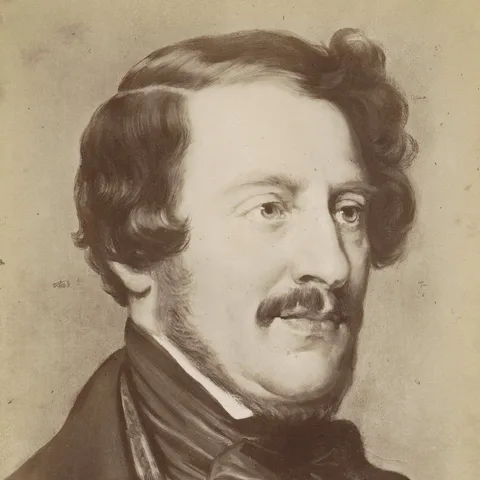
Wikimedia Commons でパブリックドメイン(または CC0)と確認した画像です。クリックで拡大。
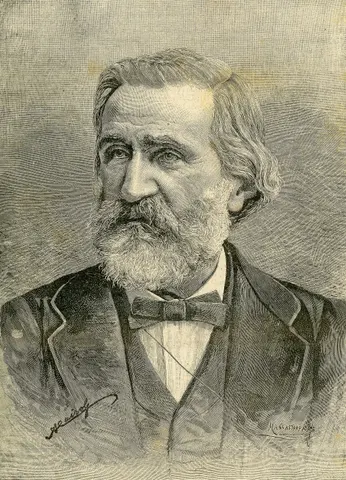
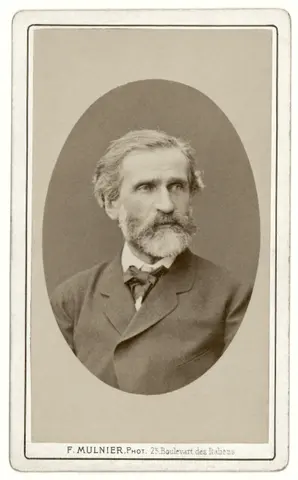
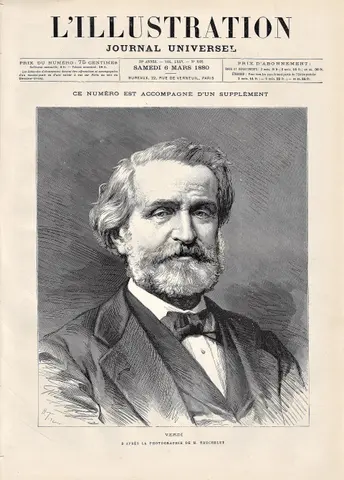
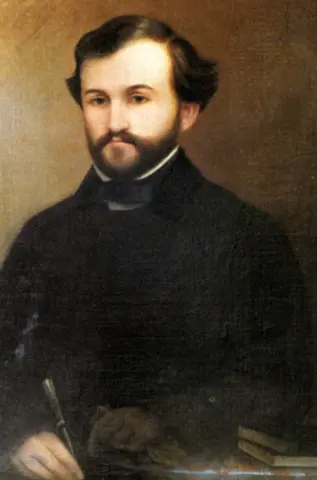
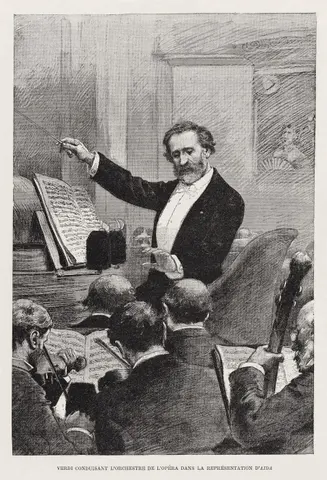
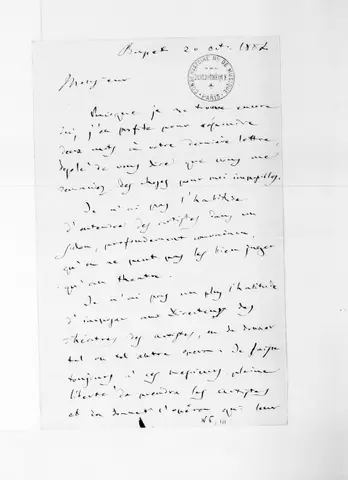
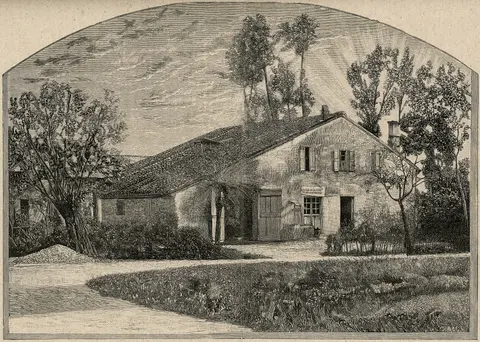
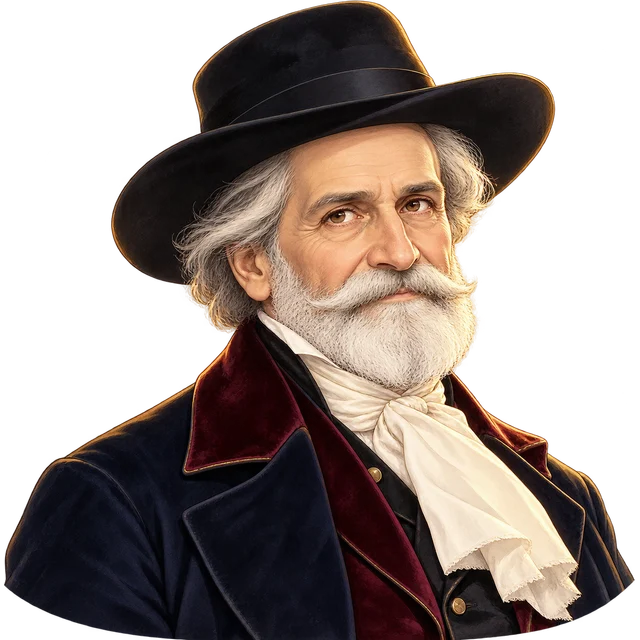
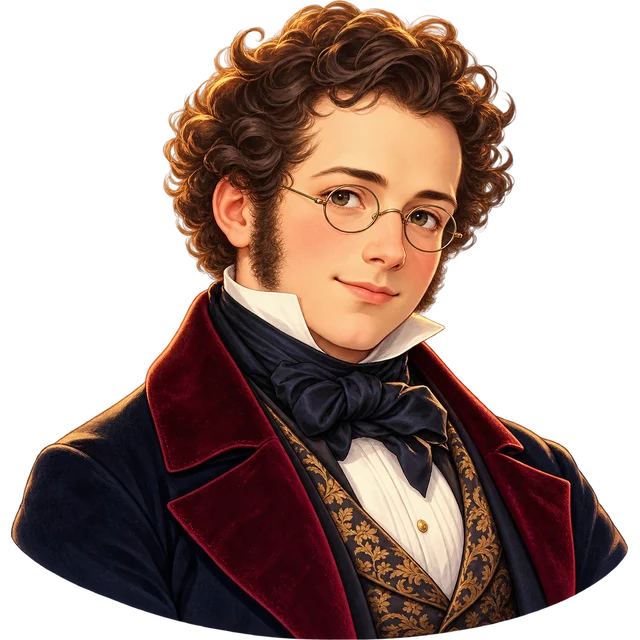
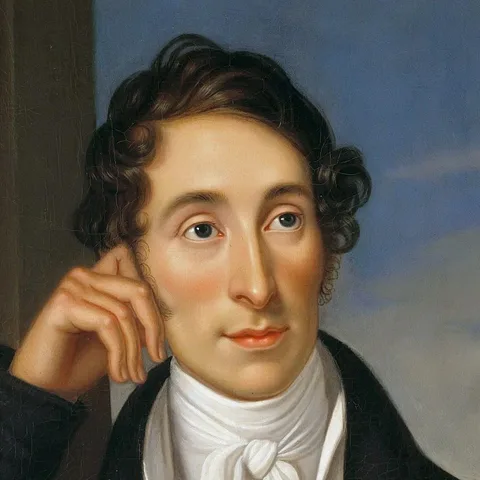
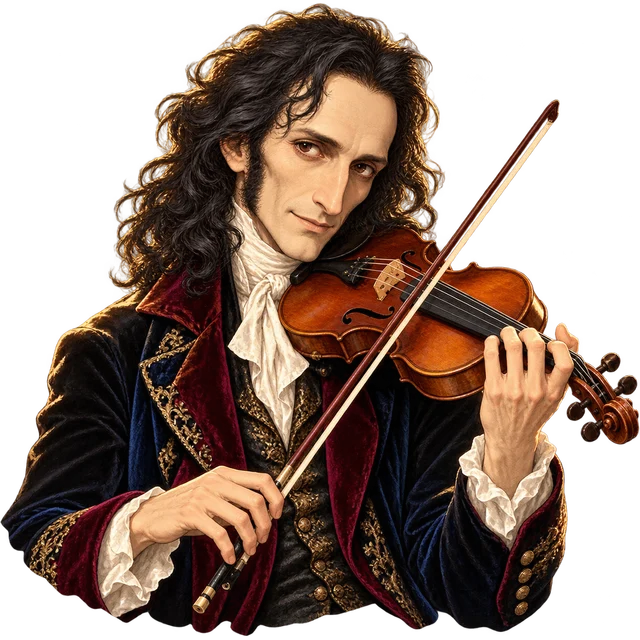
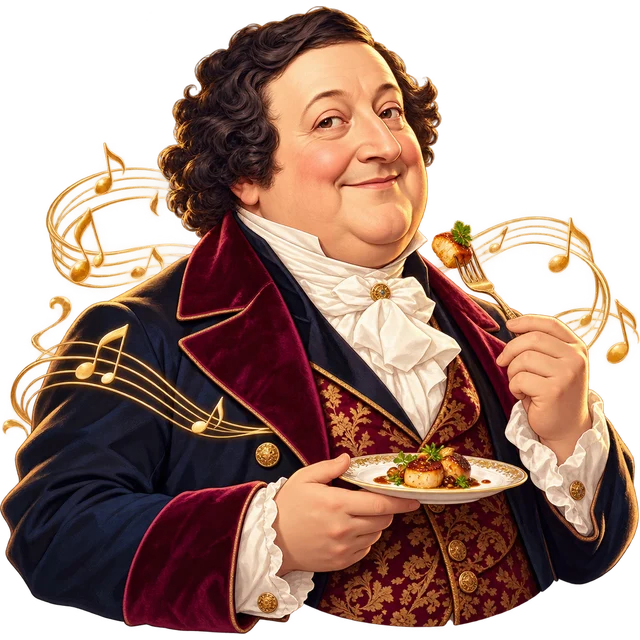
ページ上のイラストは、本物の肖像画をもとにこのサイトのために描いたものです。
 年表 Timeline
 ヴェルディで覚える英単語 Words
 クイズに挑戦 Quiz
MORE COMPOSERS

 MP3