
ダイドーの嘆き
Dido's Lament
パーセル・by 1689
「わたしを覚えていて」。くり返す低音にのせた、胸をうつ別れの歌。
歌劇「ダイドーとエネアス」より「ダイドーの嘆き」のページへ
Opera · · 1853
ジュゼッペ・ヴェルディ(1813–1901)
物語の「最後」から始まる!?はかなく美しい、ため息の前奏曲。It begins with the ending: a fragile, beautiful prelude full of sighs.
WATCH ON YOUTUBE
この曲は、権利の切れた高音質の録音がまだ見つからないため、YouTube の公式チャンネルなどの名演でお楽しみください(ダウンロードはできません)。YouTube でほかの演奏もさがす ↗
 Verdi: La traviata, Act I: Prelude
Berliner Philharmoniker - Topic(YouTube) YouTube で開く ↗
Verdi: La traviata, Act III: Prelude
Berliner Philharmoniker - Topic(YouTube) YouTube で開く ↗
Verdi: La traviata: Prelude
Berliner Philharmoniker - Topic(YouTube) YouTube で開く ↗
Verdi - La Traviata, Prelude to Act I
Classical Music Only(YouTube) YouTube で開く ↗

ホー!最初のかぼそい弦の音は、病気のヒロインがいる第3幕と同じ音楽なんだ。
 この曲のおはなし The Story
『椿姫』は、ヴェルディが1853年に発表したオペラです。パリの社交界で華やかに生きる女性ヴィオレッタと、青年アルフレードの恋、そして病気による悲しい別れをえがいています。前奏曲は幕が上がる前の数分間の音楽ですが、その中に、このオペラの物語と気持ちがぎゅっとつめこまれています。La traviata is an opera that Verdi presented in 1853. It tells of Violetta, a woman who lives a glamorous life in Paris society, her love for the young Alfredo, and their sad parting because of her illness. The prelude lasts only a few minutes before the curtain rises, but it holds the whole story and its feelings.
前奏曲は、いくつにも分かれたヴァイオリンが、とても高く、か細い音で静かに始まります。これは、第3幕で重い病気のヴィオレッタがいる場面の始まりにも流れる音楽です。そのあと、第2幕でヴィオレッタが「わたしを愛して、アルフレード」と歌う、熱い愛のメロディーがあらわれます。このメロディーがくり返されるとき、まわりでは軽やかな飾りのメロディーが重なります。The prelude begins very quietly, with divided violins playing high, thin notes. The same music is heard at the start of Act 3, when Violetta is seriously ill. Then comes the passionate love melody that Violetta sings in Act 2: 'Love me, Alfredo.' When this melody is repeated, a light, decorated line dances around it.
つまりこの前奏曲は、物語の結末である「病」を先に見せてから、愛のテーマへと進むのです。ふつうの序曲のように元気に盛り上がって終わるのではなく、静かに消えていき、そのまま華やかなパーティーの場面に変わります。この明るさと暗さの急な切りかえに、ヴェルディの劇作りのうまさがあらわれています。In other words, the prelude first shows us the end of the story, her illness, and then moves on to the theme of love. It does not finish with a loud, happy climax like many overtures. Instead it fades away, and then the curtain rises on a glittering party. This sudden switch from dark to light shows Verdi's great sense of drama.
This short music comes before a sad love opera. It starts with very soft, high violins. This music comes back later, when the heroine is very sick. Then we hear a warm love song. After the prelude, a big party begins!この短い音楽は、悲しい恋のオペラの前に演奏されます。とてもやわらかい、高いヴァイオリンの音で始まります。この音楽は、あとで病気が重くなったヒロインの場面でもう一度出てきます。それから、あたたかい愛の歌が聞こえます。前奏曲が終わると、にぎやかなパーティーが始まるのです!
 聴きどころ Listening Guide
 えっ!?ネタ Surprising Facts
 タップすると答えが開きます
原作は、フランスの作家デュマ・フィスの小説『椿の花をつけた女』です。ヒロインのモデルは、デュマ・フィスがかつて恋をした、パリの社交界で有名な女性マリー・デュプレシ。彼女は1847年、23歳の若さで病気のため亡くなりました。
The opera is based on The Lady of the Camellias, a novel by the French writer Alexandre Dumas fils. The heroine was modeled on Marie Duplessis, a famous woman in Paris society whom Dumas had once loved. She died of illness in 1847, at only 23.
デュマ・フィスは小説を自分で劇に書き直し、1852年にパリで上演して大ヒットさせました。ヴェルディはこの劇をパリで観て、オペラにしようと考えたと言われています。物語は形を変えながら、どんどん多くの人に広まっていったのです。
Dumas fils turned his novel into a play, which became a big hit in Paris in 1852. It is said that Verdi saw the play in Paris and decided to make it into an opera. The story kept changing shape and reaching more and more people.
1990年のアメリカ映画『プリティ・ウーマン』には、主人公の二人がオペラハウスで『椿姫』を観る場面があります。生まれて初めてオペラを観たヒロインが、物語に感動して涙を流すシーンは、映画の名場面のひとつです。
In the 1990 American film Pretty Woman, the two main characters go to the opera to see La traviata. The heroine, seeing an opera for the first time, is moved to tears. It is one of the film's most famous scenes.
ヴェルディはこの曲を、独立した華やかな「序曲(シンフォニア)」ではなく「前奏曲(プレリュード)」と呼びました。オペラの最初の場面へそのまま流れこむ、短い導入の音楽だからです。2年前の『リゴレット』でも、ヴェルディは短い前奏曲で幕を開けています。
Verdi called this piece a 'prelude', not an 'overture'. It is a short introduction that flows straight into the first scene, not a showy piece of its own. Two years earlier, Verdi had also opened Rigoletto with a short prelude.
ENGLISH × MASTERPIECE
 よいことにも悪いことにも使えます。things to come は「これから来ること」。
 この曲で覚える英単語 Words
 クイズに挑戦 Quiz
 著作権について Credits
MORE MASTERPIECES
パーセル・by 1689
「わたしを覚えていて」。くり返す低音にのせた、胸をうつ別れの歌。
歌劇「ダイドーとエネアス」より「ダイドーの嘆き」のページへ
パッヘルベル・c. 1680–1706
同じ8つの音が28回!なのに聴くたび胸がいっぱいになる曲。
カノンとジーグ ニ長調 より「カノン」のページへ
バッハ・c. 1703–1707 (?)
音楽の授業でおなじみ!4つの声が同じテーマで追いかけっこ。
小フーガ ト短調のページへ
ヘンデル・1711
「泣かせてください」と歌う、深い悲しみに満ちた名アリア。
私を泣かせてください(歌劇『リナルド』より)のページへ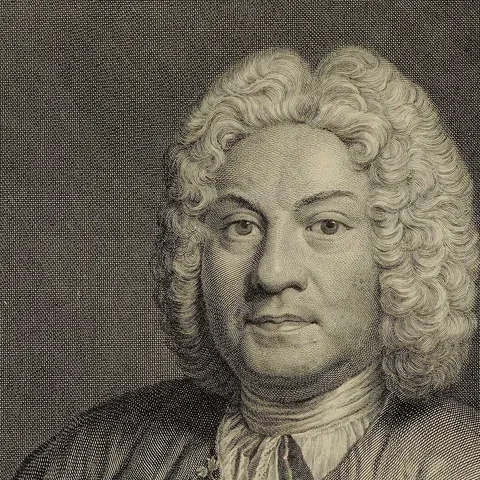
クープラン・published 1717
題名の意味はだれも知らない!やわらかく波打つ、なぞの名曲。
神秘的なバリケードのページへ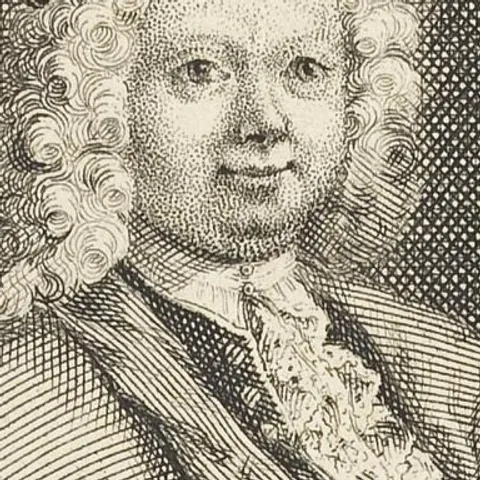
マルチェッロ・published c. 1717
胸にしみるアダージョ!バッハも編曲したオーボエの名曲。
オーボエ協奏曲 ニ短調のページへバッハ・c. 1720
チェロ1本だけで、こんなに豊かな世界が広がる!
無伴奏チェロ組曲 第1番 ト長調のページへバッハ・c. 1720
ヴァイオリン1本で、宇宙のように大きな世界を描く傑作。
無伴奏ヴァイオリン・パルティータ第2番 ニ短調より「シャコンヌ」のページへ
 MP3