チェロ協奏曲第1番
Cello Concerto No. 1
ハイドン・c. 1761–1765
200年近く行方不明だった名曲が、1961年にプラハで見つかった!
チェロ協奏曲第1番 ハ長調のページへClassical · 1732–1809
「交響曲の父」The Father of the Symphony
 ローラウ(オーストリア)
 ウィーン(オーストリア)8 曲を収録
交響曲を100曲以上書いた、ユーモアたっぷりの「パパ・ハイドン」。Papa Haydn, the witty genius who wrote over 100 symphonies.
 ハイドンの名曲を聴く
ハイドン・c. 1761–1765
200年近く行方不明だった名曲が、1961年にプラハで見つかった!
チェロ協奏曲第1番 ハ長調のページへハイドン・1790
バイオリンが青空へ舞いあがる!ひばりがさえずる四重奏曲。
弦楽四重奏曲 ニ長調「ひばり」のページへハイドン・1793–1794
チクタク、チクタク…。第2楽章で、オーケストラが時計になる!
交響曲第101番 ニ長調「時計」のページへハイドン・1793–1794
トライアングルにシンバル、大太鼓!ロンドンをわかせた交響曲。
交響曲第100番 ト長調「軍隊」のページへハイドン・1794
ロンドンの名ピアニストのために書いた、ハイドン最後の大ピアノ・ソナタ。
ピアノ・ソナタ第62番 変ホ長調のページへハイドン・1795
「交響曲の父」が最後に書いた交響曲。堂々たる大団円!
交響曲第104番 ニ長調「ロンドン」のページへハイドン・1795
ハンガリー風の、かけ足ダンス!ピアノとヴァイオリンとチェロの大はしゃぎ。
ピアノ三重奏曲第39番 ト長調 より「ジプシー・ロンド」のページへハイドン・1796
新しいキー付きトランペットのために!64歳ハイドンの晴れやかな協奏曲。
トランペット協奏曲 変ホ長調のページへ
ホー!ハイドンは交響曲で、ねむそうなお客さんをびっくりさせたと言われているよ。
 生涯 Life Story
ハイドンは1732年、オーストリアの小さな村ローラウで、車大工の家に生まれました。両親は音楽が好きで、家でよく歌っていたそうです。6歳ごろ親せきの家にあずけられて音楽を学び、8歳でウィーンのシュテファン大聖堂の少年聖歌隊に入ります。やがて声変わりし、17歳ごろに聖歌隊を去りました。そのころ、仲間の髪を切るいたずらをして罰を受けた、という話も伝わっています。Haydn was born in 1732 in Rohrau, a small village in Austria. His father made wheels for carts. His parents loved music and often sang at home. Around the age of six, he was sent to live with a relative to study music, and at eight he joined the boys' choir of St. Stephen's Cathedral in Vienna. But his voice broke, and at about seventeen he had to leave the choir. A story also says that around then he was punished for cutting off another boy's pigtail as a prank.
その後は家庭教師や演奏の仕事で食いつなぎながら、独学で作曲を学びました。1761年、ハンガリーの大貴族エステルハージ家に副楽長として仕え、1766年に楽長になります。約30年、宮廷の楽団のために交響曲や弦楽四重奏曲を次々と書き、新しい形をつくり上げました。そのため「交響曲の父」「弦楽四重奏曲の父」と呼ばれています。After that, he got by with teaching and playing jobs while he taught himself composition. In 1761 he joined the court of the Esterházy family, powerful Hungarian nobles, as assistant music director, and in 1766 he became music director. For about thirty years he wrote symphony after symphony and string quartet after string quartet for the court orchestra, building new musical forms. That is why he is called the Father of the Symphony and the Father of the String Quartet.
仕事は順調でしたが、結婚生活はうまくいきませんでした。好きだった女性が修道女になってしまい、その姉と結婚したのですが、二人は気が合わず、子どももいませんでした。一方、年下のモーツァルトとは大の仲良しで、たがいに尊敬し合いました。1791年からは2度ロンドンへ招かれ、新しい交響曲が大喝采を浴びて、大金持ちになります。His career went well, but his marriage did not. The woman he loved became a nun, so he married her older sister instead. The couple did not get along, and they had no children. Meanwhile, he became close friends with the younger Mozart, and the two deeply respected each other. From 1791, Haydn was invited to London twice. His new symphonies won huge applause, and he became rich.
晩年のハイドンはウィーンで、オラトリオ「天地創造」「四季」などの大作を発表し、若いベートーヴェンも教えました。1809年、ナポレオンの軍がウィーンを占領する中、77歳で亡くなります。ナポレオンはハイドンの家の前に見張りの兵を置いて敬意を表したと伝えられています。彼の作ったメロディーは、今のドイツ国歌にも使われています。In his later years in Vienna, Haydn presented great oratorios such as The Creation and The Seasons, and he also taught the young Beethoven. He died in 1809 at the age of 77, while Napoleon's army occupied Vienna. It is said that Napoleon placed a guard of honor outside his house. One of Haydn's melodies is still used today as the German national anthem.
Haydn was born in a small village in Austria. He sang in a big church in Vienna as a boy. He worked for a rich family for about thirty years. He wrote more than 100 symphonies! He was a good friend of Mozart. People called him Papa Haydn.ハイドンはオーストリアの小さな村で生まれました。子どものころ、ウィーンの大きな教会で歌いました。お金持ちの一家のために約30年働きました。交響曲を100曲以上も書きました!モーツァルトの親友でした。人々は彼を「パパ・ハイドン」と呼びました。
 これだけは!鉄板情報 Must-Know Facts
 あっと驚くネタ Surprising Stories
 タップすると答えが開きます
1772年、殿様の別荘での滞在が長引き、楽団員たちは家族に会えずに困っていました。そこでハイドンは、最後の楽章で演奏者が1人ずつ演奏をやめ、ろうそくを消して出ていく交響曲を書きます。意味をさとった殿様は、次の日に全員を帰らせたと伝えられています。これが交響曲第45番「告別」です。
In 1772, the prince stayed at his summer palace so long that the musicians could not go home to their families. So Haydn wrote a symphony in which the players stop one by one in the last movement, put out their candles, and leave. The prince got the message and, it is said, let everyone go home the next day. This is Symphony No. 45, the Farewell.
交響曲第94番「驚愕」は、静かなメロディーのあとで突然ドン!と大きな音が鳴ります。「いねむりする客を起こすため」とよく言われますが、ハイドン本人は後に、伝記作家に「起こすためではなく、何か新しいことで驚かせたかった」と語っています。
In Symphony No. 94, the Surprise, a quiet tune is suddenly interrupted by a loud chord. People often say it was meant to wake up sleeping listeners. But Haydn later told his biographer that he only wanted to surprise the audience with something new.
ハイドンと妻の仲はよくありませんでした。妻は夫の音楽にまったく興味がなく、楽譜をケーキの型の下じきや髪を巻くカーラーに使ってしまった、という話が伝わっています。ただし、どこまで本当かはわかりません。
Haydn and his wife did not get along. There is a story that she had no interest in his music and used his manuscripts to line cake pans and curl her hair. But no one knows how much of this is true.
1797年、ハイドンはオーストリア皇帝のための讃歌「神よ、皇帝フランツを守りたまえ」を作曲しました。このメロディーは今、ドイツの国歌に使われています。ハイドン自身もこの曲を気に入り、弦楽四重奏曲「皇帝」の中でも変奏曲にしています。
In 1797, Haydn wrote a hymn for the Austrian emperor called "God Save Emperor Francis." Today the same melody is used for the national anthem of Germany. Haydn liked the tune so much that he also used it for variations in his Emperor Quartet.
ハイドンが亡くなったあと、「頭の形で才能がわかる」という当時はやった学問に夢中な人たちが、こっそりお墓から頭の骨を持ち去ってしまいました。骨はあちこちを転々とし、体と同じお墓に戻されたのは、なんと1954年のことでした。
After Haydn died, people who believed you could read a person's talent from the shape of the head secretly took his skull from the grave. It passed through many hands and was not reunited with the rest of his body until 1954.
1791年、ロンドンに招かれたハイドンは、オックスフォード大学から名誉音楽博士の称号を受けました。その記念の演奏会で演奏された交響曲第92番は、今も「オックスフォード」という愛称で呼ばれています。村の車大工の息子が、大出世したのです。
In 1791, during his first visit to England, Haydn received an honorary doctorate in music from Oxford University. Symphony No. 92, played at the celebration concerts, is still nicknamed the Oxford. The son of a village wheelmaker had come a very long way.
FAMOUS WORDS
“Before God and as an honest man I tell you that your son is the greatest composer known to me either in person or by name.”神に誓って、正直な人間として申し上げます。あなたの息子さんは、私が直接知っている人、名前を知っている人の中で、最も偉大な作曲家です。
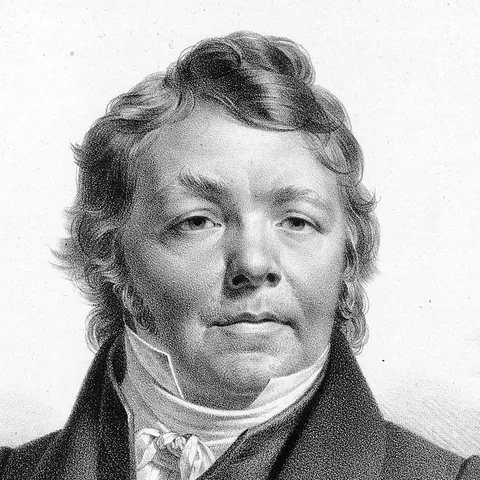
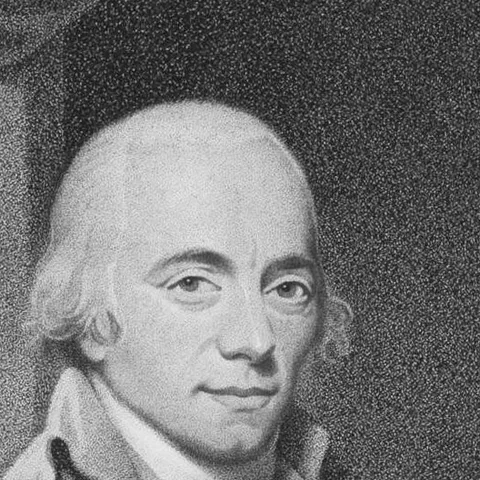
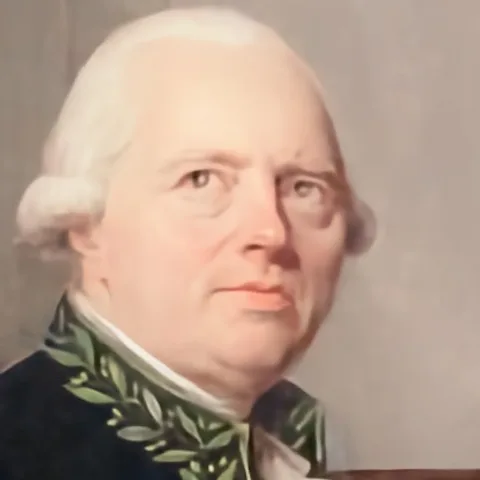
— Franz Joseph Haydn(1785年、モーツァルトの父レオポルトに語った言葉(レオポルトが娘ナンネルに宛てた手紙より)) 肖像画・写真・自筆譜 Gallery (Public Domain)
Wikimedia Commons でパブリックドメイン(または CC0)と確認した画像です。クリックで拡大。
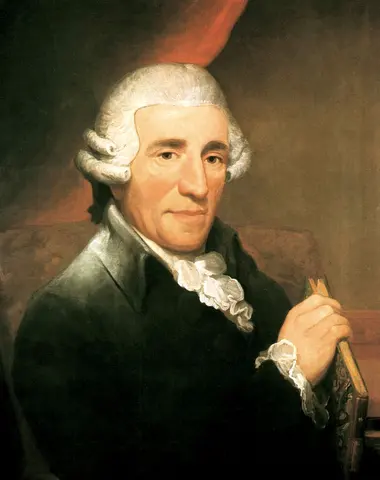
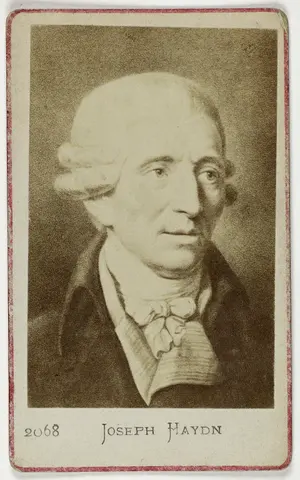
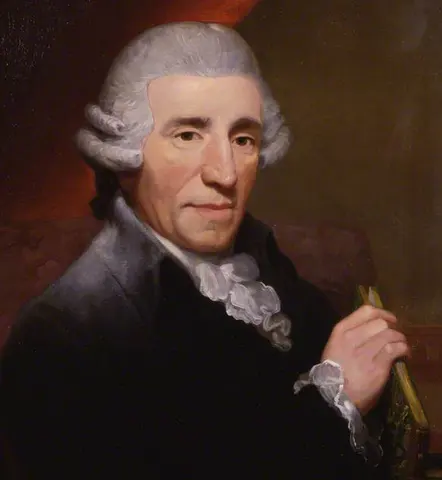
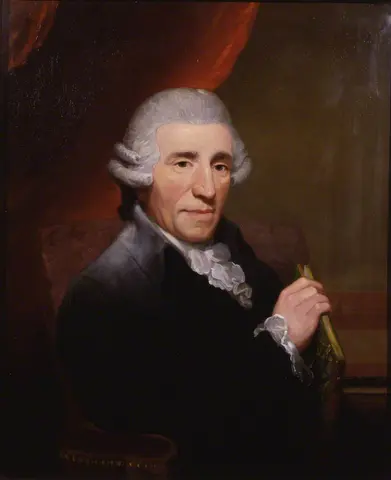
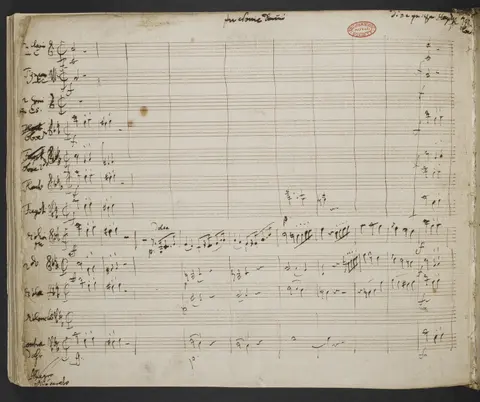
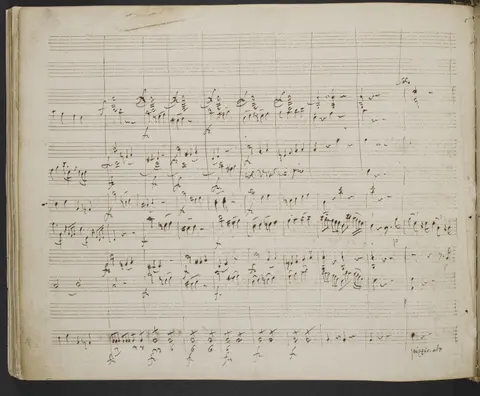
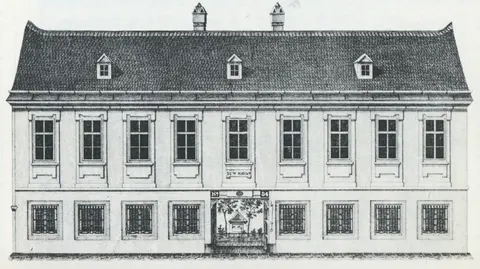
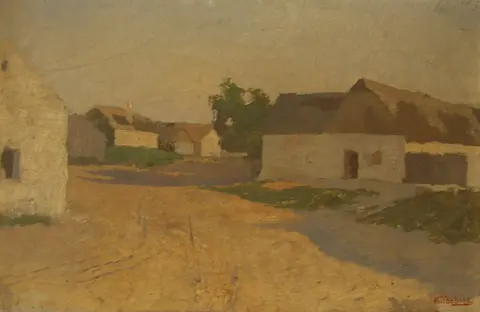
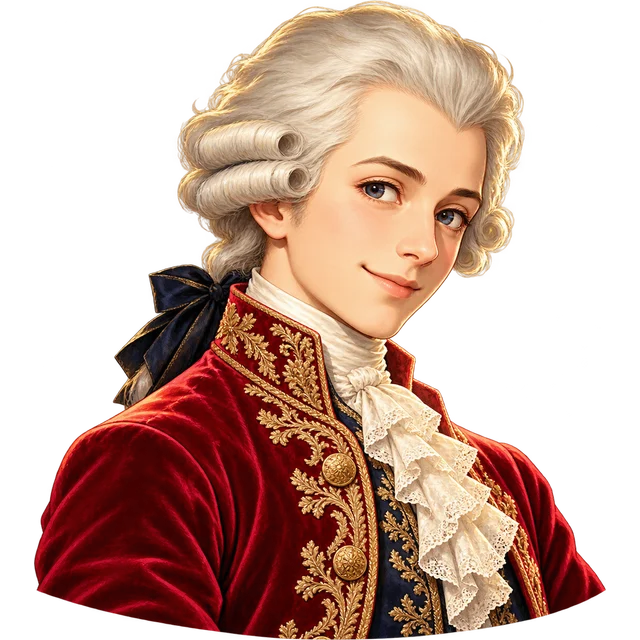
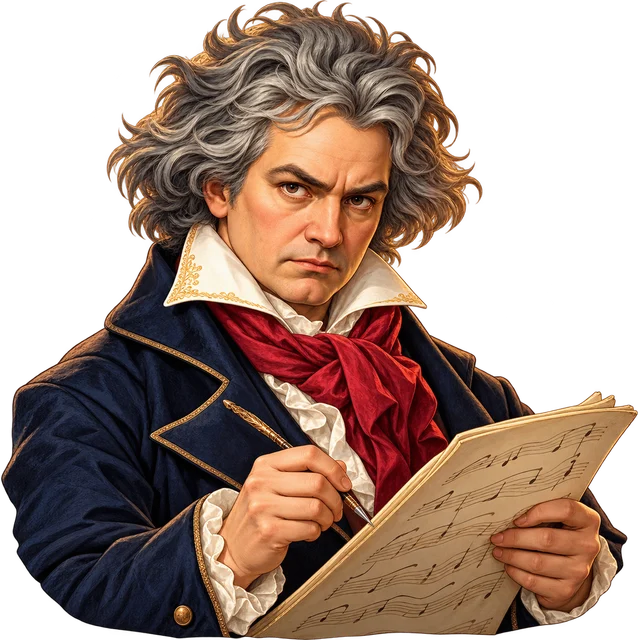
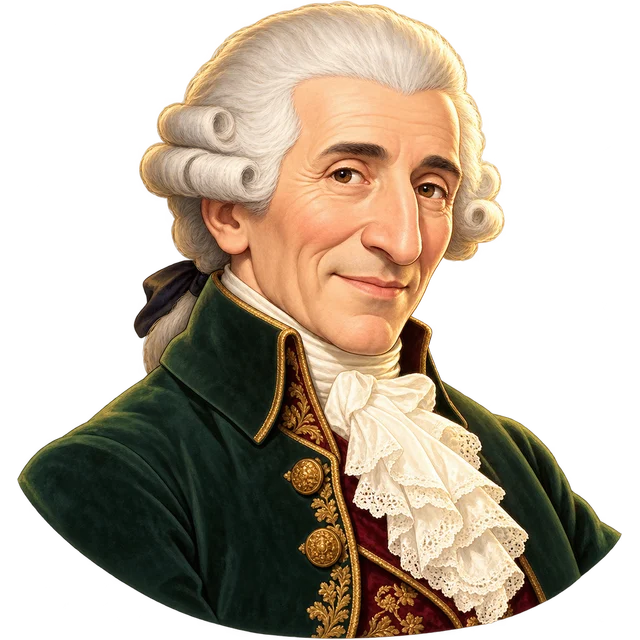
ページ上のイラストは、本物の肖像画をもとにこのサイトのために描いたものです。
 年表 Timeline
 ハイドンで覚える英単語 Words
 クイズに挑戦 Quiz
MORE COMPOSERS

 MP3