ゴセックのガヴォット
Gossec's Gavotte
ゴセック・1786
ヴァイオリン教室の人気曲!つま先で踊るような軽やかなメロディー。
ガヴォットのページへClassical · 1734–1829
「フランス交響曲の父」The father of the French symphony
 ヴェルニー(今のベルギー)
 パシー(パリ近郊、フランス)1 曲を収録
「ガヴォット」でおなじみ。95歳まで生き、フランス革命の音楽も作った長老。Famous for his Gavotte, he lived to 95 and wrote music for the French Revolution.
 ゴセックの名曲を聴く
ゴセック・1786
ヴァイオリン教室の人気曲!つま先で踊るような軽やかなメロディー。
ガヴォットのページへ
ホー!ゴセックはベートーヴェンが亡くなったあとまで生きた、すごい長生きなんだよ。
 生涯 Life Story
フランソワ=ジョゼフ・ゴセックは1734年1月17日、ヴェルニーという小さな村に生まれました。今のベルギーにある村で、当時はまわりをオーストリア領にかこまれたフランスの飛び地でした。家は小さな農家でした。音楽の才能があったゴセックは、少年時代にアントワープの大聖堂で聖歌隊の少年歌手になり、そこで音楽の基礎を身につけました。François-Joseph Gossec was born on 17 January 1734 in Vergnies, a small village in what is now Belgium. At the time it was a small piece of French territory surrounded by the Austrian Netherlands. His family were small farmers. Musically gifted, Gossec became a choirboy at the cathedral in Antwerp as a boy, and there he learned the basics of music.
1751年、17歳のゴセックはパリに出て、作曲家ラモーに認められました。ラモーの紹介で、大金持ちの徴税請負人ラ・プープリニエールのおかかえ楽団に入り、のちにその指揮者になります。1754年には最初の交響曲が演奏されました。まだ交響曲という形がフランスで知られていなかったころで、ゴセックはその先がけになりました。In 1751, at seventeen, Gossec went to Paris, where the composer Rameau took him under his wing. Through Rameau he joined the private orchestra of La Pouplinière, a very rich tax farmer, and later became its conductor. In 1754 his first symphony was performed. The symphony was still a new form in France at that time, and Gossec was one of its pioneers.
1760年に初演した「死者のためのミサ曲(レクイエム)」でゴセックは一気に有名になりました。1769年には演奏会団体「コンセール・デ・ザマトゥール」を作り、やがて名高い「コンセール・スピリチュエル」の運営にもかかわります。1786年のオペラ「ロジーヌ」の中の「ガヴォット」は、今もバイオリンの教本などで世界中の子どもたちに親しまれています。Gossec became famous overnight with his Requiem (Messe des morts), first performed in 1760. In 1769 he founded a concert society, the Concert des Amateurs, and later helped run the famous Concert Spirituel. The 'Gavotte' from his 1786 opera Rosine is still loved by children all over the world, often through violin method books.
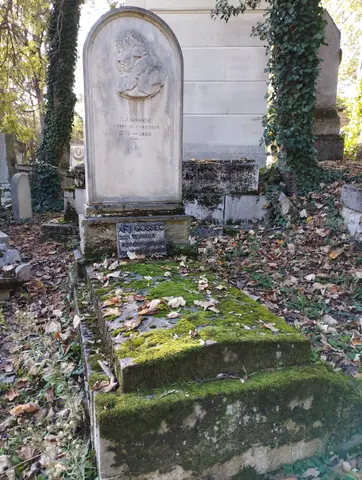
1789年にフランス革命が始まると、ゴセックは国民衛兵の楽隊の指揮者になり、大きな広場で行われる革命の祭典のために、大合唱や吹奏楽の曲を作りました。1795年にはパリ音楽院の設立にかかわり、教える人をまとめる監督の一人になります。1815年に81歳で引退し、1829年2月16日、95歳でパリ近くのパシーで亡くなりました。When the French Revolution began in 1789, Gossec became conductor of the National Guard band and wrote huge works for choirs and wind bands for revolutionary festivals held in great open squares. In 1795 he helped create the Paris Conservatoire and became one of its inspectors. He retired in 1815 at 81 and died on 16 February 1829 in Passy, near Paris, aged 95.
François-Joseph Gossec was born in 1734. His family were farmers. He sang in a church choir as a boy. Later he went to Paris and wrote many symphonies. His Gavotte is famous. Many children play it on the violin.フランソワ=ジョゼフ・ゴセックは1734年に生まれました。家族は農家でした。少年のころ、彼は教会の聖歌隊で歌いました。のちに彼はパリへ行き、たくさんの交響曲を書きました。彼の「ガヴォット」は有名です。たくさんの子どもたちがそれをバイオリンで弾きます。
 これだけは!鉄板情報 Must-Know Facts
 あっと驚くネタ Surprising Stories
 タップすると答えが開きます
ゴセックはバッハがまだ生きていた1734年に生まれ、ベートーヴェン(1827年没)やシューベルト(1828年没)よりもあとの1829年に亡くなりました。95年の人生で、バロックから古典派、そしてロマン派の始まりまで、音楽の歴史をまるごと見とどけたのです。
Gossec was born in 1734, when Bach was still alive, and died in 1829 — after Beethoven (died 1827) and Schubert (died 1828). In his 95 years, he witnessed the whole journey of music from the Baroque through the Classical era to the dawn of Romanticism.
フランス革命の祭典のためにゴセックが書いた「テ・デウム」は、1200人の歌手と300人の管楽器奏者で演奏されたと言われています(人数は資料によってちがいます)。広い野外で大勢の人に聴かせるため、とにかく大きな音が必要だったのです。ゴセックは吹奏楽の歴史でも大切な人物です。
The Te Deum that Gossec wrote for a Revolutionary festival is said to have been performed by 1,200 singers and 300 wind players, though sources give different numbers. To be heard by huge crowds in the open air, the music simply had to be loud. Gossec is an important figure in the history of the wind band.
1778年4月、パリにいたモーツァルトは父への手紙で、ゴセックのことを「とてもよい友人で、とても乾いた人」と書きました。「乾いた」がどんな意味だったのかは、はっきりわかりません。「まじめな」とも「退屈な」とも読めるのです。2人の音楽家の、ちょっとおもしろい出会いです。
In April 1778, writing from Paris, Mozart described Gossec in a letter to his father as 'a very good friend and a very dry man'. Nobody knows exactly what 'dry' meant here — it could mean serious, or it could mean dull. It was an amusing meeting of two musicians.
1803年、ゴセックはナポレオンに会い、自分のもとで働かないかとさそわれたものの、これを断ったという話が伝わっています。すでに70歳近い大ベテランで、音楽院での教育を大切にしていたのかもしれません。
There is a story that in 1803 Gossec met Napoleon, who invited him to work in his service, and that Gossec turned the offer down. He was already nearly seventy and may have preferred to focus on his teaching at the Conservatoire.
ゴセックの「ガヴォット」は、アメリカのワーナー・ブラザースのいくつものアニメで使われました。日本では、バイオリンを習う子どもが使う教本(スズキ・メソードなど)に入っていて、発表会でおなじみの曲です。
Gossec's 'Gavotte' was used in several American Warner Bros. cartoons. In Japan it appears in violin method books used by children, such as the Suzuki Method, and is a familiar piece at recitals.
フランス国歌「ラ・マルセイエーズ」は、1792年に生まれた革命の歌です。ゴセックは同じ1792年の作品「自由へのささげもの」の中にこの歌を取り入れ、合唱とオーケストラで演奏できるようにしました。この歌を広めるのに役立った一人です。
'La Marseillaise', now the French national anthem, was born as a revolutionary song in 1792. That same year, Gossec included it in his work L'Offrande à la Liberté ('The Offering to Liberty'), arranging it for chorus and orchestra. He helped make the song widely known.
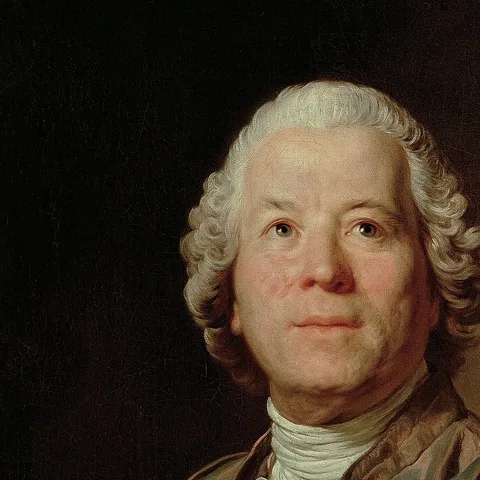
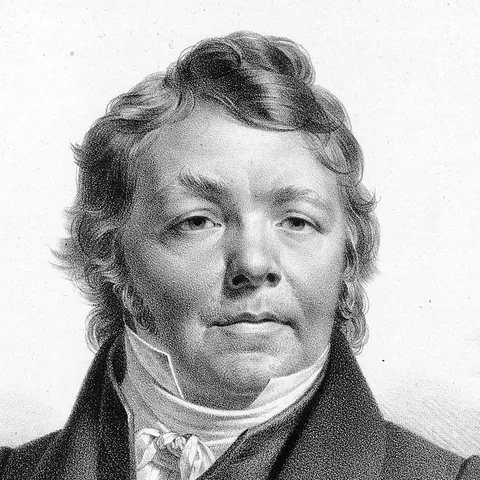
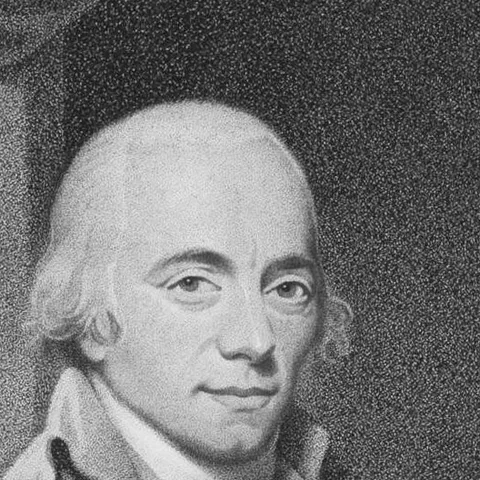
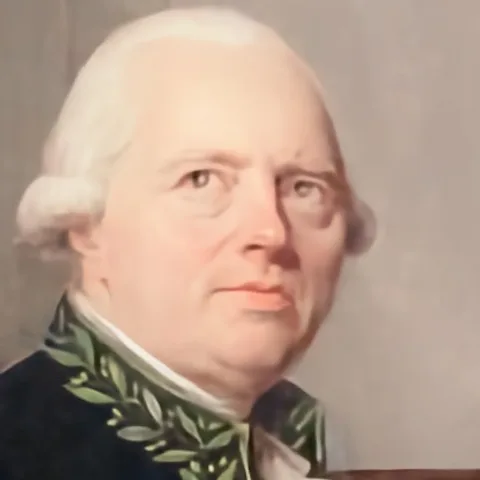
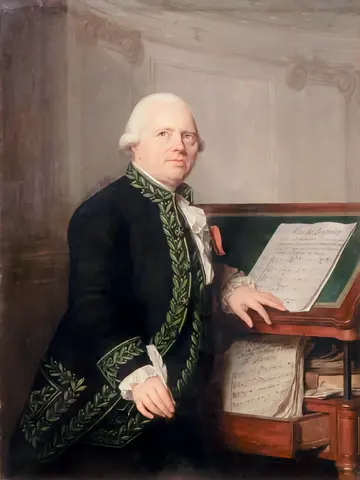
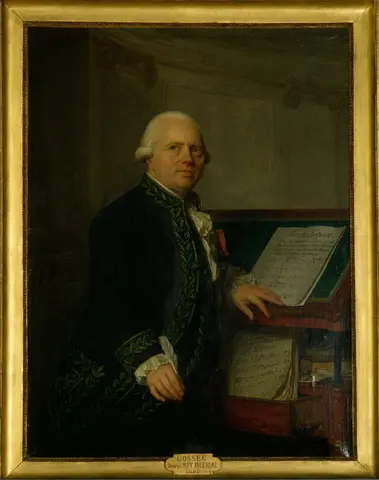
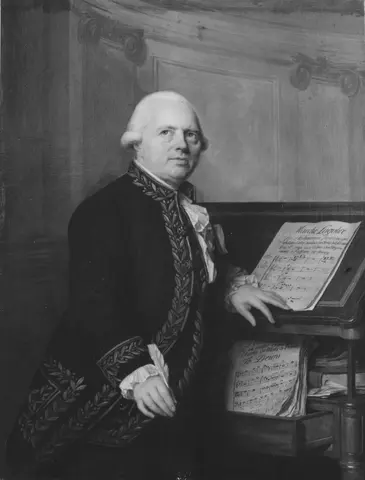
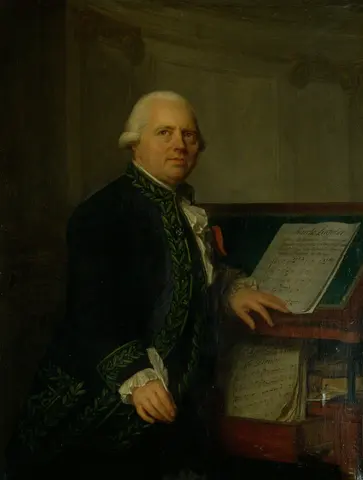
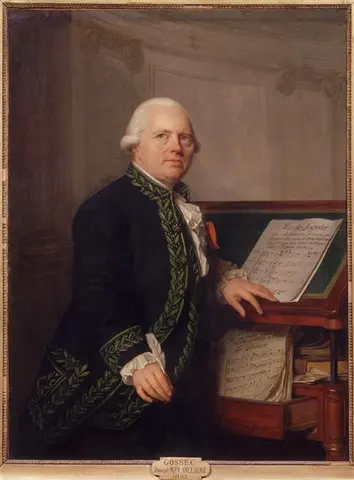
 肖像画・写真・自筆譜 Gallery (Public Domain)
Wikimedia Commons でパブリックドメイン(または CC0)と確認した画像です。クリックで拡大。
 年表 Timeline
 ゴセックで覚える英単語 Words
 クイズに挑戦 Quiz

 MP3