精霊の踊り
Blessed Spirits
グルック・1762 (Vienna) / 1774 (Paris)
天国の野原で、フルートがそっと歌う。この世のものとは思えない静けさ。
歌劇「オルフェオとエウリディーチェ」より「精霊の踊り」のページへClassical · 1714–1787
「オペラの改革者」The reformer of opera
 エラスバッハ(ドイツ)
 ウィーン(オーストリア)1 曲を収録
歌手の見せびらかしより、物語の心を。オペラのルールを変えた改革者。Drama before showing off — the man who changed the rules of opera.
 グルックの名曲を聴く
グルック・1762 (Vienna) / 1774 (Paris)
天国の野原で、フルートがそっと歌う。この世のものとは思えない静けさ。
歌劇「オルフェオとエウリディーチェ」より「精霊の踊り」のページへ
ホー!グルックはロンドンで、水を入れたグラスを並べて演奏会を開いたことがあるんだよ。
 生涯 Life Story
クリストフ・ヴィリバルト・グルックは1714年7月2日、今のドイツ南部、バイエルン地方のエラスバッハに生まれました。父は森を管理する森林官で、息子にも同じ仕事をつがせたかったと言われています。けれども音楽をあきらめきれないグルックは、10代で家を出てプラハへ向かい、教会で歌ったり楽器を弾いたりしながら音楽を学んだと伝えられています。Christoph Willibald Gluck was born on 2 July 1714 in Erasbach, in what is now Bavaria in southern Germany. His father was a forester and is said to have wanted his son to follow the same career. But Gluck could not give up music. It is said that as a teenager he left home for Prague, where he studied music while singing in churches and playing instruments.
その後、ウィーンを経てイタリアのミラノで作曲を学び、1741年に最初のオペラを発表しました。ロンドンやドイツ各地、デンマークなどをまわる旅回りのオペラ団でも活やくし、ロンドンではヘンデルにも会っています。1750年にウィーンのゆたかな商人の娘マリア・アンナと結婚し、やがてウィーンの宮廷の劇場で中心的な作曲家になりました。He went on via Vienna to Milan, where he studied composition, and in 1741 he presented his first opera. He also worked with touring opera companies in London, Germany and Denmark, and in London he met Handel. In 1750 he married Maria Anna Bergin, the daughter of a wealthy Viennese merchant, and he eventually became a leading composer at the court theatres of Vienna.
当時のオペラは、歌手が技を見せびらかすための長い飾りの歌が中心で、物語がわかりにくくなっていました。グルックは「音楽は物語と言葉に仕えるべきだ」と考え、1762年の「オルフェオとエウリディーチェ」、1767年の「アルチェステ」で、わかりやすく心にひびくオペラを作りました。「精霊の踊り」は、今もフルートの名曲として愛されています。In those days, opera was dominated by long, decorated arias that let singers show off, and the story was often hard to follow. Gluck believed that music should serve the drama and the words. With Orfeo ed Euridice (1762) and Alceste (1767), he created operas that were clear and moving. The 'Dance of the Blessed Spirits' from Orfeo is still a favourite flute piece today.
1773年の終わり、グルックはパリへ行きました。ウィーン時代に音楽を教えたことがあるマリー・アントワネット(翌年フランス王妃になります)の応援も受けて、1774年に「オーリードのイフィジェニー」を成功させました。パリでは「グルック派」と、イタリア人作曲家ピッチンニの「ピッチンニ派」の大論争も起きます。1779年に体をこわしてウィーンにもどり、1787年11月15日に73歳で亡くなりました。弟子サリエリ、そしてモーツァルトやベルリオーズにも影響をあたえました。Late in 1773 Gluck went to Paris. With the support of Marie Antoinette, whom he had taught music in Vienna and who became queen of France in 1774, he triumphed there with Iphigénie en Aulide in 1774. Paris was then divided by a famous quarrel between 'Gluckists' and 'Piccinnists', supporters of the Italian composer Piccinni. After falling ill in 1779, Gluck returned to Vienna, where he died on 15 November 1787, aged 73. He influenced his pupil Salieri, as well as Mozart and Berlioz.
Christoph Willibald Gluck was born in Germany in 1714. His father worked in the forest. But Gluck loved music. He wrote many operas. He wanted operas to tell stories clearly. His opera Orfeo is still famous today.クリストフ・ヴィリバルト・グルックは1714年にドイツで生まれました。お父さんは森で働いていました。でもグルックは音楽が大好きでした。彼はたくさんのオペラを書きました。彼はオペラで物語をわかりやすく伝えたいと思いました。彼のオペラ「オルフェオ」は今も有名です。
 これだけは!鉄板情報 Must-Know Facts
 あっと驚くネタ Surprising Stories
 タップすると答えが開きます
1746年、ロンドンにいたグルックは、水を入れて音の高さを合わせた26個のグラスで演奏会を開きました。水の量で音の高さが変わるしくみです。どうやって鳴らしたのか、くわしいことはわかっていません。これは「グラス・ハープ」の仲間で、のちにフランクリンが考えた回転式の「グラスハーモニカ」とは別の楽器です。
In 1746, while in London, Gluck gave a concert on 26 drinking glasses tuned with water. The amount of water set the pitch of each glass. We do not know exactly how he played them. It was a kind of glass harp, a different instrument from the rotating glass armonica that Benjamin Franklin invented later.
ロンドンでグルックの音楽を聴いたヘンデルは、「グルックが知っている対位法(いくつものメロディを重ねる技術)は、うちの料理人ほどのものだ」と言ったと伝えられています。ただしヘンデルの料理人は歌手でもあったので、ただの悪口ではなかったとも言われます。
After hearing Gluck's music in London, Handel is reported to have said that Gluck knew no more about counterpoint — the art of combining melodies — than his cook. However, Handel's cook was also a singer, so the remark may not have been a pure insult.
1756年、グルックはローマ教皇から「黄金拍車勲章」をさずかり、それ以来「騎士グルック」と名乗りました。のちにドイツの作家E・T・A・ホフマンは、「騎士グルック」という題の小説を書いています。名前に称号がついた、めずらしい作曲家です。
In 1756 the Pope awarded Gluck the Order of the Golden Spur, and from then on he called himself 'Ritter' (Knight) von Gluck. Later, the German writer E. T. A. Hoffmann even wrote a story called 'Ritter Gluck'. He is one of the few composers known by a title of knighthood.
1770年代のパリでは、グルックのオペラを支持する人々と、イタリアのピッチンニを支持する人々が新聞や本で激しく言い争いました。どちらが本物のオペラかをめぐる大論争です。ただし、ピッチンニ本人はグルックを尊敬していたと言われています。
In 1770s Paris, fans of Gluck's operas and fans of the Italian composer Piccinni fought fiercely in newspapers and pamphlets over which style was true opera. Yet Piccinni himself is said to have respected Gluck.
晩年のグルックは何度か脳卒中で倒れ、医者からお酒を止められていました。ある日の食事のあと、お客さんが断ったリキュールをグルックが自分で飲んでしまい、その後すぐに発作を起こして亡くなったという話が伝わっています。どこまで本当かはわかりません。
In his last years Gluck suffered several strokes, and his doctor had forbidden alcohol. There is a story that one day after lunch, when a guest refused a glass of liqueur, Gluck drank it himself and soon had a fatal stroke. How much of this is true is not known.
「オルフェオとエウリディーチェ」の「精霊の踊り」は、天国の野原を、亡くなった人々のたましいがおだやかに踊る場面の音楽です。フルートのしっとりしたソロが美しく、オペラから離れて、フルートの発表会やコンサートでもよく演奏されます。
The 'Dance of the Blessed Spirits' from Orfeo ed Euridice is music for the scene where peaceful souls dance in the fields of paradise. Its gentle flute solo is so beautiful that it is often played on its own at flute recitals and concerts.
FAMOUS WORDS
“I sought to restrict music to its true office of serving poetry by means of expression and by following the situations of the story.”わたしは、音楽を本来の役目、つまり表現によって詩に仕え、物語の場面にしたがうことにとどめようとしました。
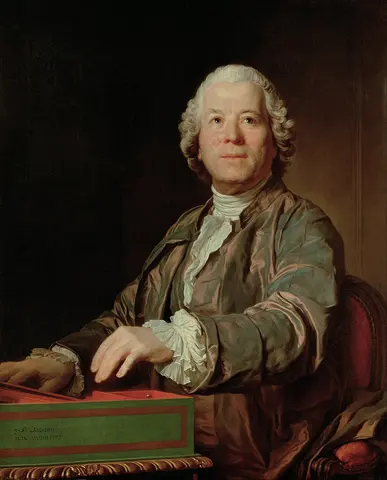
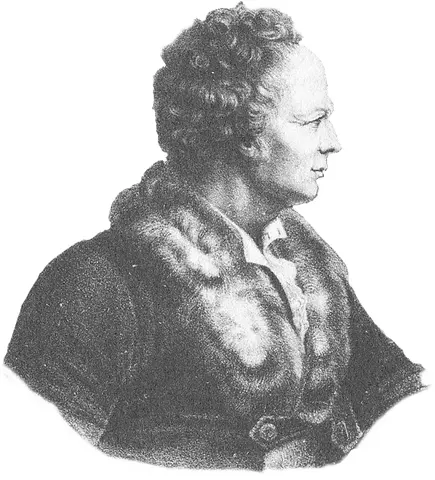
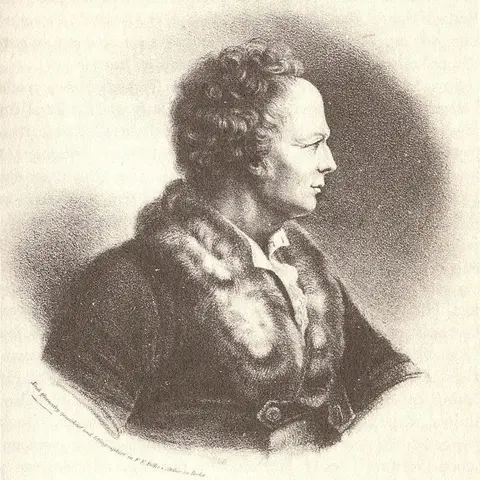
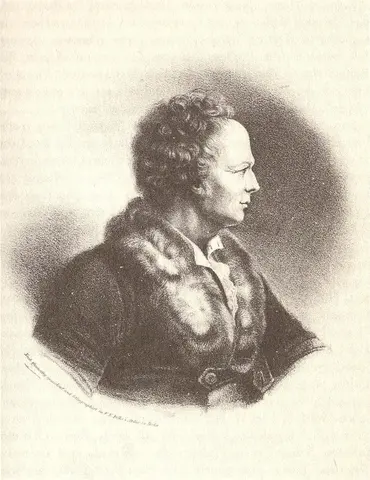
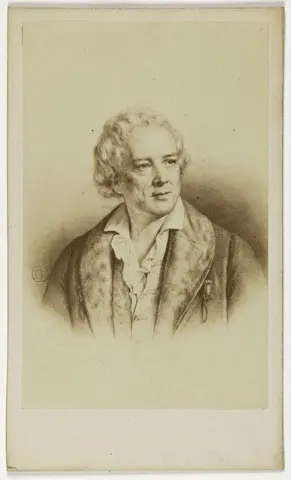
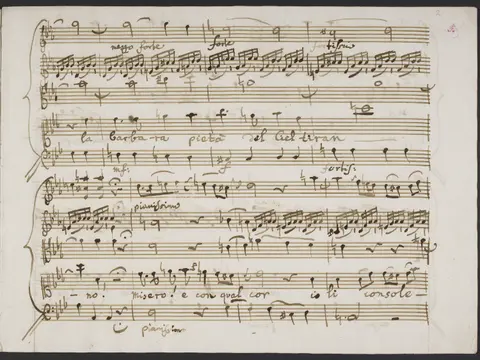
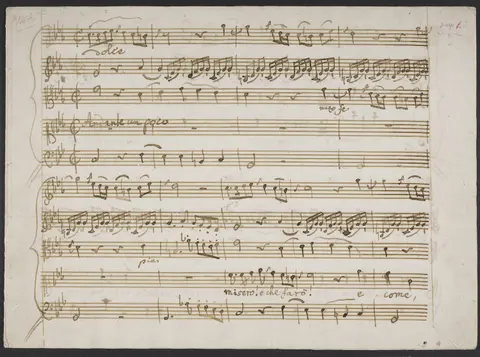
— Christoph Willibald Gluck(オペラ「アルチェステ」楽譜(1769年出版)の献辞・序文) 肖像画・写真・自筆譜 Gallery (Public Domain)
Wikimedia Commons でパブリックドメイン(または CC0)と確認した画像です。クリックで拡大。
 年表 Timeline
 グルックで覚える英単語 Words
 クイズに挑戦 Quiz

 MP3