
ダイドーの嘆き
Dido's Lament
パーセル・by 1689
「わたしを覚えていて」。くり返す低音にのせた、胸をうつ別れの歌。
歌劇「ダイドーとエネアス」より「ダイドーの嘆き」のページへ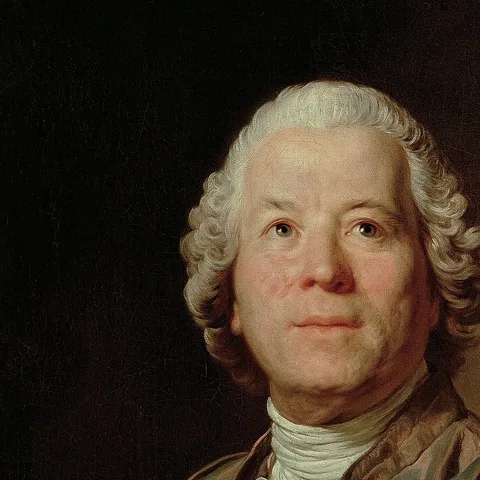
Opera · Wq. 30 / Wq. 41 · 1762 (Vienna) / 1774 (Paris)
クリストフ・ヴィリバルト・グルック(1714–1787)
天国の野原で、フルートがそっと歌う。この世のものとは思えない静けさ。A flute sings softly in the fields of heaven.
PUBLIC DOMAIN RECORDING
PD / CC0 無料でダウンロードOKWATCH ON YOUTUBE
 Camille Thomas – Gluck: Orfeo ed Euridice "Dance Of The Blessed Spirits" (Arr. by Mathieu Herzog)
Deutsche Grammophon - DG(YouTube) YouTube で開く ↗
Frederick Ashton's 'Dance of the Blessed Spirits' (Vadim Muntagirov, The Royal Ballet)
Royal Ballet and Opera(YouTube) YouTube で開く ↗
左の音源は権利が切れた録音なのでダウンロードできます。右の動画は YouTube の公式の埋め込みで見るもので、ダウンロードはできません(動画の権利は各チャンネルにあります)。
 もっと名演を観る YouTube で何百万回も再生された人気の演奏
C. W. Gluck: Dance of the Blessed Spirits (Orpheus and Eurydice) - Athens Philharmonia Orchestra
Athens Philharmonia Orchestra(YouTube) YouTube で開く ↗
Gluck - Orfeo ed Euridice - Dance of the Blessed Spirits
BachnerTrpt(YouTube) YouTube で開く ↗
Yuja Wang plays Mélodie de Gluck/Orfeo ed Euridice
MrOsomatsu(YouTube) YouTube で開く ↗

ホー!有名なフルートのソロは、12年後のパリ版で加えられたんだよ。
 この曲のおはなし The Story
「精霊の踊り」は、グルックのオペラ「オルフェオとエウリディーチェ」の第2幕に出てくるバレエの音楽です。ギリシャ神話の音楽家オルフェオは、亡くなった妻エウリディーチェを取りもどすため、死者の国へ向かいます。そこで出会う、しあわせな魂たちが住む「エリュシオンの野」の場面で、この静かで清らかな踊りが流れます。'Dance of the Blessed Spirits' is ballet music from Act 2 of Gluck's opera Orfeo ed Euridice. In the Greek myth, the musician Orpheus travels to the land of the dead to bring back his wife, Eurydice, who has died. In the Elysian Fields, where happy souls live, this calm and pure dance is heard.
このオペラは1762年、ウィーンのブルク劇場でイタリア語版が初演されました。グルックと台本作家カルツァビージは、歌手の見せびらかしより、物語と気持ちをまっすぐ伝えることを大切にし、オペラの「改革」を進めたことで知られています。1774年、グルックはパリ向けにフランス語版をつくり、バレエを大きくふやして、フルートが長いソロを歌う部分を加えました。The opera was first performed in Italian in 1762, at the Burgtheater in Vienna. Gluck and his librettist Calzabigi are known for 'reforming' opera: they cared more about telling the story and showing true feelings than about letting singers show off. In 1774, Gluck made a French version for Paris. He greatly expanded the ballet and added a section where the flute sings a long solo.
オルフェオは「地上にもどるまで、妻をふり返って見てはいけない」という約束をしますが、とうとうふり返ってしまいます。神話では、それで妻をもう一度失ってしまいますが、グルックのオペラでは愛の神アモーレが妻を生き返らせ、しあわせな結末をむかえます。「精霊の踊り」はやがてオペラをはなれ、フルート奏者の大切なレパートリーとして世界中で愛されるようになりました。Orpheus promises not to look at his wife until they reach the world above, but in the end he looks back. In the myth, he loses her for a second time. But in Gluck's opera, Amore, the god of love, brings her back to life, and the story ends happily. Over time, the 'Dance of the Blessed Spirits' became popular on its own, and it is now a treasured piece for flute players around the world.
This music comes from an opera. A man goes to the land of the dead to find his wife. There he sees happy spirits in a beautiful field. They dance to this quiet music. In the middle, the flute plays a sad and lovely song.この音楽はオペラの中の曲です。ある男の人が、妻をさがしに死者の国へ行きます。そこで、美しい野原にいるしあわせな精霊たちを見ます。精霊たちはこの静かな音楽に合わせて踊ります。まん中では、フルートが悲しく美しい歌をかなでます。
 聴きどころ Listening Guide
 えっ!?ネタ Surprising Facts
 タップすると答えが開きます
1762年のウィーン版では、この踊りは短いバレエ曲でした。いま有名な、フルートがもの悲しく歌う部分は、1774年のパリ版で加えられたものです。パリの観客はバレエが大好きだったため、グルックは踊りの場面を大きくふくらませたのです。今よく聴くのは、このパリ版の形です。
In the 1762 Vienna version, this was a short ballet piece. The famous section where the flute sings a sad melody was added in the 1774 Paris version. Paris audiences loved ballet, so Gluck greatly expanded the dance scenes. The version we usually hear today comes from Paris.
オルフェオ役は、ウィーン初演では「カストラート」と呼ばれる、高い声の男性歌手グァダーニが歌いました。パリ版では高い声のテノール向けに書き直され、1859年にはベルリオーズが女性歌手ポリーヌ・ヴィアルドのために編曲しました。同じ役なのに、時代ごとに声がちがうのです。
In the first Vienna performance, Orpheus was sung by Gaetano Guadagni, a castrato, a male singer with a very high voice. For Paris, the role was rewritten for a high tenor, and in 1859 Berlioz arranged it for the female singer Pauline Viardot. The same hero has been sung by very different voices over the years.
ギリシャ神話のオルフェウスの物語は、ふり返ったために妻をもう一度失ってしまう悲しいお話です。ところがグルックのオペラでは、愛の神が妻を生き返らせて、めでたしめでたし。当時のオペラでは、しあわせな結末にするのがよくある決まりでした。神話とくらべて聴くと、またちがった味わいがあります。
In the Greek myth, Orpheus looks back and loses his wife for a second time. But in Gluck's opera, the god of love brings her back to life, and all ends well. Happy endings were a common custom in operas of that time. Comparing the opera with the myth makes it even more interesting.
当時のオペラは、歌手が派手な技を見せることが中心になりがちでした。グルックは、音楽は物語と言葉に仕えるべきだと考え、むだな飾りをへらしました。この考え方は「オペラ改革」と呼ばれ、のちのモーツァルトやベルリオーズ、ワーグナーにも影響を与えたと言われています。
In those days, operas often focused on singers showing off their skills. Gluck believed that music should serve the story and the words, so he cut out needless decoration. This idea is called his 'reform' of opera, and it is said to have influenced later composers such as Mozart, Berlioz and Wagner.
ENGLISH × MASTERPIECE
 とても幸せで美しい場所や時間をたとえる言い方です。
 この曲で覚える英単語 Words
 クイズに挑戦 Quiz
 この録音について(著作権・出典) Credits
MORE MASTERPIECES
パーセル・by 1689
「わたしを覚えていて」。くり返す低音にのせた、胸をうつ別れの歌。
歌劇「ダイドーとエネアス」より「ダイドーの嘆き」のページへ
パッヘルベル・c. 1680–1706
同じ8つの音が28回!なのに聴くたび胸がいっぱいになる曲。
カノンとジーグ ニ長調 より「カノン」のページへ
ヘンデル・1711
「泣かせてください」と歌う、深い悲しみに満ちた名アリア。
私を泣かせてください(歌劇『リナルド』より)のページへ
バッハ・1713
2本のリコーダーがやさしく鳴る、のどかな牧場の歌。
カンタータ第208番より「羊は安らかに草を食み」のページへ
コレッリ・published 1714
聖なる夜のために。最後に羊飼いの笛のようなパストラーレが流れます。
合奏協奏曲 ト短調「クリスマス協奏曲」のページへ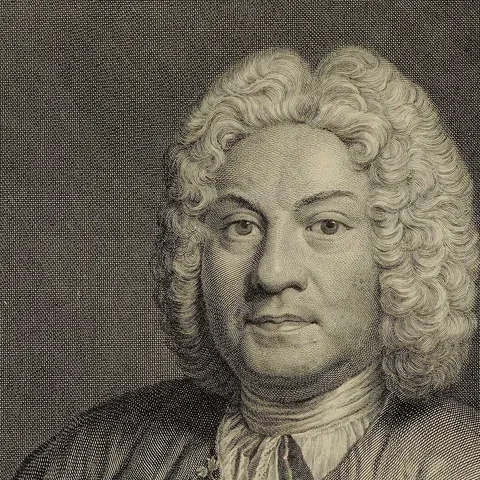
クープラン・published 1717
題名の意味はだれも知らない!やわらかく波打つ、なぞの名曲。
神秘的なバリケードのページへ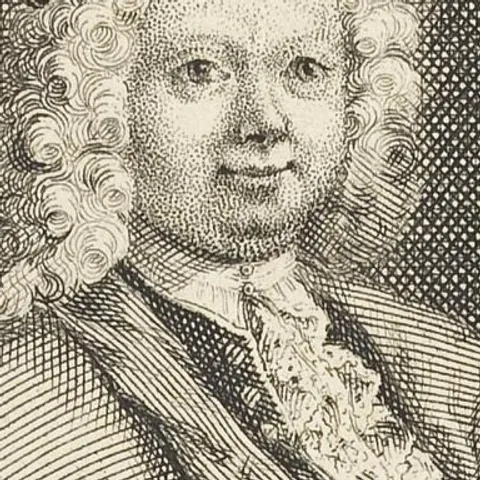
マルチェッロ・published c. 1717
胸にしみるアダージョ!バッハも編曲したオーボエの名曲。
オーボエ協奏曲 ニ短調のページへバッハ・c. 1720
チェロ1本だけで、こんなに豊かな世界が広がる!
無伴奏チェロ組曲 第1番 ト長調のページへ
 MP3