For about two hundred years, Britain gradually took control of India, first through a powerful trading company and later directly through the British government. By the twentieth century, more and more Indians wanted to govern their own country.
イギリスはおよそ200年をかけて、少しずつインドを支配下に置いていきました。はじめは強大な貿易会社を通して、のちにはイギリス政府が直接治めるようになったのです。20世紀に入ると、自分たちの国は自分たちで治めたい、と願うインドの人々がどんどん増えていきました。
The most famous leader of this movement was Mohandas Karamchand Gandhi, often called Mahatma, which means "great soul." Gandhi had trained as a lawyer in London and then spent more than twenty years in South Africa, where he fought against the unfair treatment of Indians. There he developed a method he called satyagraha, which can be translated as "holding firmly to truth." It meant resisting injustice without violence: refusing to obey unjust laws, accepting punishment calmly, and trying to change the opponent's heart rather than defeat him.
この運動のもっとも有名な指導者が、モーハンダース・カラムチャンド・ガンディーです。マハトマ(偉大な魂)と呼ばれることもよくあります。ガンディーはロンドンで弁護士になる勉強をし、その後20年以上を南アフリカで過ごしました。そこで、インド人への不当な扱いと戦ったのです。この南アフリカで、ガンディーは「サティヤーグラハ」と名づけた方法を生み出しました。「真理を固く守ること」とでも訳せる言葉です。暴力を使わずに不正に立ち向かう、というのがその中身でした。不正な法律には従わない。罰は静かに受け入れる。そして、相手を打ち負かすのではなく、相手の心を変えようとするのです。
Back in India, Gandhi led huge campaigns. In 1930, he walked nearly four hundred kilometers to the sea in the famous Salt March, to protest against a British tax on salt. Tens of thousands of people were arrested in the protests that followed, and the whole world began to pay attention.
インドに戻ったガンディーは、大規模な運動を率いました。1930年には、イギリスが塩にかけた税に抗議して、海まで400キロ近くを歩きました。有名な「塩の行進」です。それに続く抗議運動では何万人もの人が逮捕され、世界中がインドに注目し始めました。
When World War Two began in 1939, the British declared that India was at war with Germany without asking India's political leaders. This made many Indians angry. If Britain was fighting for freedom in Europe, they asked, why was India not free?
1939年に第二次世界大戦が始まると、イギリスは、インドの政治指導者に相談もせずに、インドもドイツと戦争状態に入ったと宣言しました。多くのインド人が怒りました。イギリスがヨーロッパで自由のために戦っているというのなら、なぜインドは自由ではないのか、と。
By 1942, the war was going badly for Britain in Asia. The Japanese army had taken Singapore and much of Burma, and it was close to India's eastern border. In the spring, the British government sent a minister named Stafford Cripps to offer India more self-government after the war. But the plan did not satisfy Indian leaders, and the talks failed.
1942年には、アジアでの戦いはイギリスにとって不利になっていました。日本軍はシンガポールとビルマの大部分を占領し、インドの東の国境に迫っていました。その春、イギリス政府はスタッフォード・クリップスという大臣をインドに送り、戦争が終わったら自治の範囲を広げる、という案を示しました。しかしインドの指導者たちはこの案に満足せず、話し合いは決裂しました。
Japan's advance made the situation even more complicated. Another Indian leader, Subhas Chandra Bose, disagreed with Gandhi's nonviolence. He chose to work with Germany and Japan, and later he led an Indian National Army that fought alongside Japanese forces against the British. Gandhi took a very different path. He wanted freedom from Britain, but he did not want India to fall under the control of any other power either.
日本軍が迫ってきたことで、事態はさらに複雑になりました。インドの指導者の一人、スバス・チャンドラ・ボースは、ガンディーの非暴力に反対でした。ボースはドイツや日本と手を組む道を選び、のちにはインド国民軍を率いて、日本軍とともにイギリスと戦いました。ガンディーが選んだのは、まったくちがう道です。イギリスからの自由は求めていましたが、インドがほかのどんな国の支配下に入ることも望んでいなかったのです。
Gandhi now believed that the time had come for a final demand. British rule, he argued, must end immediately. He believed that a free India would be in a better position to defend itself. Not everyone agreed. Some British officials, and some Indians too, felt that this was the wrong moment to challenge the government, in the middle of a world war.
ガンディーは、いよいよ最後の要求をつきつける時が来たと考えました。イギリスの支配は今すぐ終わらなければならない、と訴えたのです。インドが自由になったほうが、自分の国をよりよく守れる、と信じていました。ただし、だれもが賛成したわけではありません。世界大戦のさなかに政府にたてつくのは時期がよくない、と考える人もいました。イギリスの役人にも、インド人の中にも、そう考える人がいたのです。
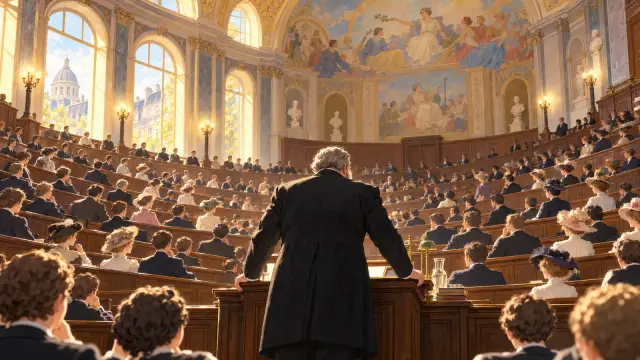
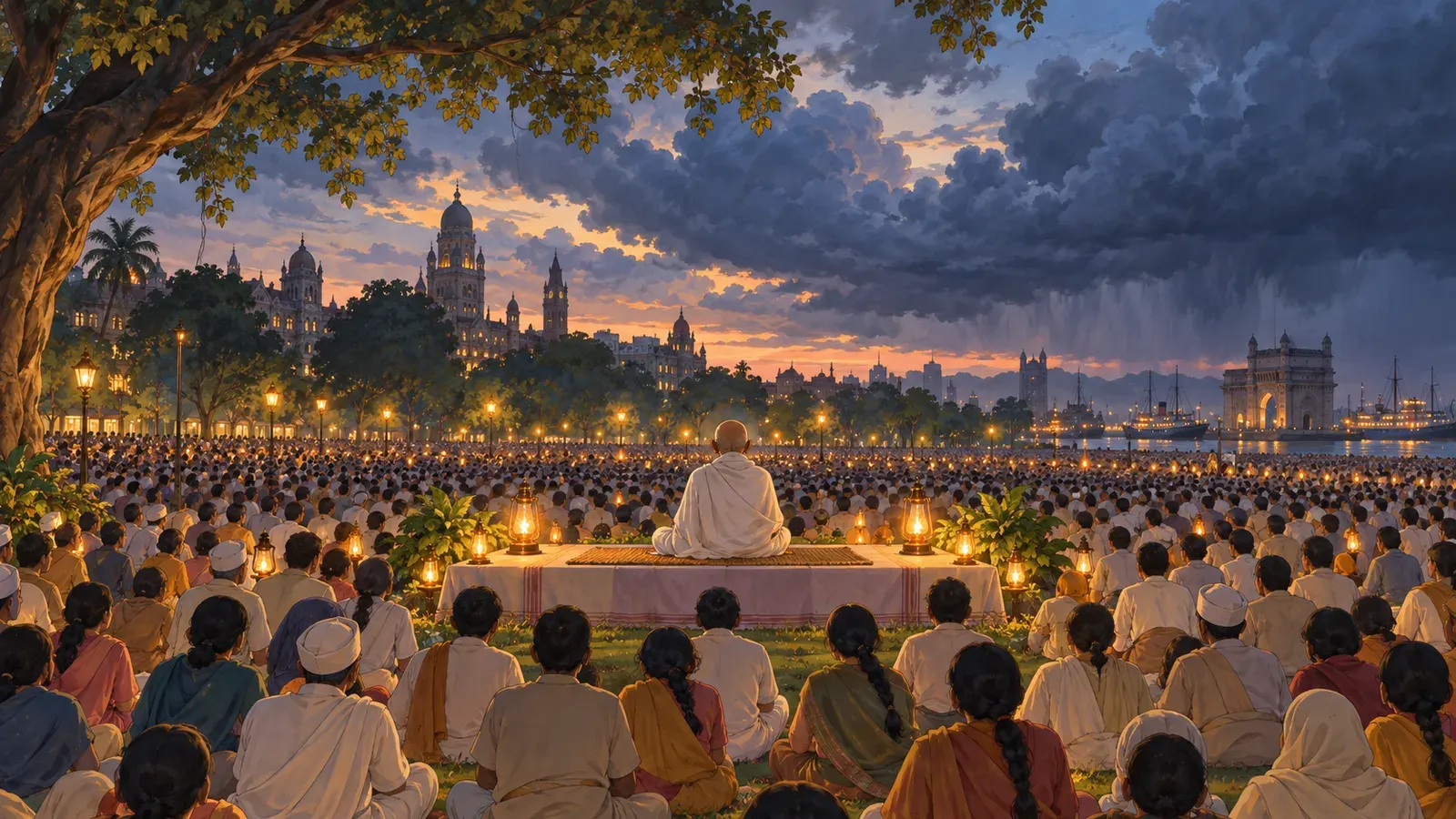
On August 8, 1942, at a meeting of the Indian National Congress in Bombay, now called Mumbai, the Congress approved a resolution calling on the British to leave India. It became known as the Quit India movement. That evening, Gandhi spoke for a long time to a huge crowd at a park called Gowalia Tank Maidan.
1942年8月8日、ボンベイ(現在のムンバイ)で開かれたインド国民会議派の大会で、イギリスにインドからの撤退を求める決議が採択されました。これが「インドを立ち去れ」運動として知られるようになります。その晩、ガンディーはゴワリア・タンク・マイダーンという公園で、大群衆を前に長い演説をしました。
In his speech, Gandhi said that this would be the final struggle for freedom. He gave the people a short slogan to remember: "Do or die." They would either free India or die in the attempt. But he also insisted that the struggle must remain nonviolent. Indians must not hate the British people, he said; they were opposing British rule, not the British as human beings.
演説でガンディーは、これが自由を求める最後の戦いになると言いました。そして、心に刻むための短い合言葉を人々に与えました。「やるか、死ぬか」。インドを自由にするか、その試みの中で死ぬか、二つに一つだという意味です。けれども同時に、戦いはあくまで非暴力でなければならないと強く訴えました。インド人はイギリスの人々を憎んではならない。我々が反対しているのはイギリスの支配であって、人間としてのイギリス人ではないのだ、と。
The British government acted fast. Early the next morning, on August 9, Gandhi and almost all the Congress leaders, including Jawaharlal Nehru, were arrested. Gandhi was held in the Aga Khan Palace in Poona, now called Pune.
イギリス政府の動きはすばやいものでした。翌8月9日の早朝、ガンディーと、ジャワハルラール・ネルーをはじめとする国民会議派の指導者のほとんどが逮捕されたのです。ガンディーは、プーナ(現在のプネー)にあるアガ・カーン宮殿に閉じこめられました。
Without its leaders, the movement spread in many directions at once. Students, workers, and villagers held strikes and protests across India. In some places, protesters damaged railway lines, cut telegraph wires, and attacked police stations, and violence broke out, which Gandhi had warned against. The British responded with great force. Police and soldiers fired on crowds, and by the end of 1943, around one hundred thousand people had been arrested.
指導者を失った運動は、あちこちでばらばらに広がっていきました。学生や労働者や村人たちが、インド各地でストライキや抗議を行いました。ところによっては、線路を壊したり、電信線を切ったり、警察署を襲ったりする人々も出ました。ガンディーが戒めていた暴力が起きてしまったのです。イギリスは強大な力でこれを押さえこみました。警察や兵士が群衆に発砲し、1943年の終わりまでに、およそ10万人が逮捕されました。
In prison, Gandhi suffered painful personal losses. His secretary and close friend, Mahadev Desai, died of a heart attack only days after they arrived. In 1944, his wife Kasturba, who had been at his side for more than sixty years, also died in the palace. Gandhi was released later that year because of his poor health.
獄中で、ガンディーはつらい別れを重ねました。秘書であり親友でもあったマハデーヴ・デサイが、宮殿に着いてわずか数日後に心臓発作で亡くなりました。1944年には、60年以上もガンディーに寄りそってきた妻カストゥルバも、同じ宮殿で息を引き取りました。ガンディーは体が弱ったため、その年のうちに釈放されました。
The movement was crushed within months, and in that sense it did not win. But many historians believe that it showed Britain that ruling India without the cooperation of its people would no longer be possible. After the war, a weakened Britain began serious talks, and on August 15, 1947, India became independent.
運動は数か月のうちにつぶされました。その意味では、勝利したとはいえません。けれども多くの歴史家は、この運動がイギリスに一つのことを思い知らせたと考えています。インドの人々の協力がなければ、もはやインドを支配することはできない、ということです。戦後、力の衰えたイギリスは本格的な交渉に乗り出し、1947年8月15日、インドは独立しました。
But independence came with deep pain. British India was divided into two countries, India and Pakistan. Terrible violence between religious communities followed, and millions of people were forced to leave their homes. Gandhi spent those days trying to calm the violence. On January 30, 1948, he was shot and killed by a Hindu extremist who opposed his message of tolerance toward Muslims.
しかし、独立には深い痛みがともないました。イギリス領インドは、インドとパキスタンという二つの国に分けられたのです。そのあと、宗教のちがう人々のあいだで、すさまじい暴力が起きました。何百万人もの人が、住みなれた家を追われました。ガンディーはその日々、暴力を鎮めようと力をつくしました。そして1948年1月30日、ヒンドゥー教の過激派の男に撃たれて亡くなりました。イスラム教徒にも寛容であれ、というガンディーの教えに反対する男でした。
Gandhi's slogan "Do or die" may sound fierce. But the man who said it believed that the bravest action of all is nonviolent. His ideas later inspired many other movements, including Martin Luther King Jr.'s struggle for civil rights in the United States.
「やるか、死ぬか」という合言葉は、激しく聞こえるかもしれません。けれども、それを口にした人は、何よりも勇気がいるのは、暴力に頼らずに行動することだと信じていたのです。ガンディーの考えは、のちに数多くの運動を勇気づけました。アメリカでマーティン・ルーサー・キング・ジュニアが率いた公民権運動も、その一つです。