June 1940 was a month of disasters for Britain and its allies. The British army had escaped from Dunkirk, but it had lost most of its equipment. Worse, France, Britain's most important ally, was collapsing. German soldiers marched into Paris on June 14. Three days later, the new French government asked Germany for peace.
1940年6月は、イギリスとその同盟国にとって、災難続きの月でした。イギリス軍はダンケルクから脱出できたものの、装備のほとんどを失っていました。さらに悪いことに、イギリスにとってもっとも大切な同盟国フランスが、崩れかけていました。6月14日、ドイツ軍がパリに入ります。その3日後、フランスの新しい政府はドイツに和平を求めました。
For the British people, this was a terrible shock. Now Britain stood almost alone in Western Europe against Nazi Germany, supported by the countries of its Commonwealth and Empire. Only the English Channel, about thirty-three kilometers wide at its narrowest point, separated them from the most powerful army in the world.
イギリスの人々にとって、これはおそろしい衝撃でした。これからは、英連邦と帝国の国々の支えがあるとはいえ、西ヨーロッパでほとんどただ一国、ナチス・ドイツに立ち向かわなければなりません。世界最強の軍隊とのあいだをへだてているのは、イギリス海峡だけです。いちばん狭いところでは、幅わずか33キロほどしかありません。
In late May, there had already been tense discussions inside the British government about whether to ask for peace talks. Churchill strongly opposed the idea. He believed that any peace made under such conditions would turn Britain into a servant of Hitler's Germany.
すでに5月の終わりには、和平交渉を申し入れるべきかどうかをめぐって、イギリス政府の中で張りつめた議論が交わされていました。チャーチルは強く反対しました。こんな状況で和平を結べば、どんな形であれ、イギリスはヒトラーのドイツの家来になってしまう。チャーチルはそう信じていたのです。
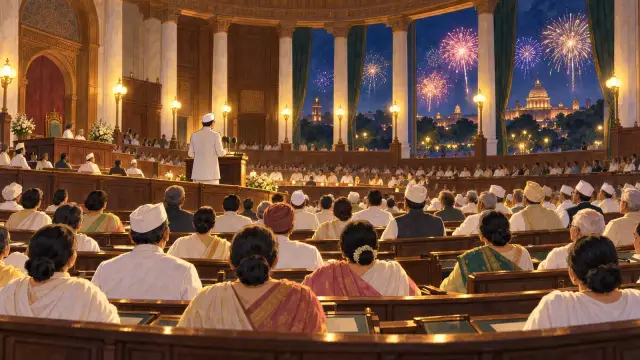
On June 18, 1940, Churchill spoke to the House of Commons. That evening he read the speech again on BBC radio for the whole nation. Some listeners felt that he sounded tired. He was said to dislike reading his speeches into a microphone, and he had just lived through some of the hardest weeks of his life.
1940年6月18日、チャーチルは下院で演説しました。その夜には、国民全体に向けて、同じ演説をBBCラジオでもう一度読み上げました。疲れた声に聞こえた、と感じた聞き手もいました。チャーチルは演説をマイクに向かって読むのが好きではなかったといいます。しかも、人生でもっとも苦しい数週間をくぐりぬけてきたばかりだったのです。
Churchill began by explaining what had happened in France, openly and in detail. He did not hide the size of the defeat. But then he went on to describe Britain's strengths. The navy still controlled the seas. The air force had pilots who had already proved their skill. Many soldiers had returned safely from Dunkirk, and more troops were arriving from Canada, Australia, New Zealand, and other parts of the Empire.
チャーチルはまず、フランスで何が起きたのかを、包み隠さず、詳しく説明しました。敗北の大きさをごまかすことはしませんでした。そのうえで、イギリスの強みを語っていきます。海軍は今も海を押さえている。空軍には、すでに腕前を示したパイロットたちがいる。多くの兵士がダンケルクから無事に戻り、カナダ、オーストラリア、ニュージーランドをはじめ帝国の各地から、新たな部隊も次々に到着している。
Then he said what everyone feared. The battle for France was over, and the battle for Britain was about to begin. In fact, the name later given to the great air battles of that summer, the Battle of Britain, comes from this speech.
そしてチャーチルは、だれもが恐れていたことを口にしました。フランスの戦いは終わった。イギリスの戦いが、まさに始まろうとしている、と。実は、その夏にくり広げられた大空中戦は、のちに「バトル・オブ・ブリテン(イギリスの戦い)」と呼ばれます。この名前は、この演説から生まれたのです。
He warned that Hitler knew he must defeat Britain or lose the war. If Britain stood firm, he said, Europe might one day be free again, and the world could move forward into a brighter future. But if Britain failed, the whole world, including the United States, could fall into a new dark age, made even worse by modern science used for evil.
ヒトラーは、イギリスを倒さなければ戦争に負けることを知っている、とチャーチルは警告しました。イギリスが踏みとどまれば、ヨーロッパはいつの日か再び自由になり、世界はより明るい未来へ進めるだろう。だが、もしイギリスが敗れれば、アメリカを含む全世界が、新たな暗黒時代に沈むかもしれない。悪のために使われる現代科学によって、いっそうおぞましいものとなった暗黒時代に。
Finally came the famous ending. He asked the people to prepare themselves to do their duty, so that even if the British Empire lasted for a thousand years, people would still look back and say that this had been "their finest hour."
そして最後に、あの有名な結びが来ます。チャーチルは国民に、それぞれの務めを果たす覚悟を固めてほしいと呼びかけました。そうすれば、たとえ大英帝国が千年続いたとしても、人々はふり返ってこう言うだろう。「これこそ、彼らの最良の時だった」と。
Around this time, the whole country prepared for a possible invasion. Road signs and the names of railway stations were taken down, so that enemy soldiers would not know where they were. Hundreds of thousands of men who were too old or too young for the army joined a volunteer force that later became known as the Home Guard. Beaches were covered with barbed wire and concrete blocks. Many children from the cities had already been sent to live in the countryside, where they would be safer from bombs.
このころ、国じゅうが敵の上陸にそなえていました。敵兵に自分の居場所がわからないよう、道路標識や駅名の表示が取り外されました。兵士になるには年をとりすぎた男性や、若すぎる少年が何十万人も、義勇隊に加わりました。のちに「ホーム・ガード(国防市民軍)」と呼ばれる部隊です。海岸は有刺鉄線とコンクリートのブロックでおおわれました。都市の子どもたちの多くは、すでに田舎に疎開していました。田舎のほうが爆撃を受けにくかったからです。
The battle Churchill had predicted began within weeks. From July to October 1940, the German air force attacked Britain. At first, it targeted ships, ports, and airfields, hoping to destroy the Royal Air Force and make an invasion possible. Young pilots, many of them barely twenty years old, flew Spitfire and Hurricane fighters several times a day. They came not only from Britain, but also from Poland, Czechoslovakia, Canada, New Zealand, and other countries.
チャーチルが予言した戦いは、それから数週間のうちに始まりました。1940年7月から10月にかけて、ドイツ空軍がイギリスを攻撃したのです。最初にねらわれたのは、船や港や飛行場でした。イギリス空軍をたたきつぶし、上陸作戦を可能にするためです。迎え撃ったのは若いパイロットたちでした。やっと20歳になったばかりの者も多く、スピットファイアやハリケーンといった戦闘機で、一日に何度も出撃しました。パイロットはイギリス人だけではありません。ポーランド、チェコスロバキア、カナダ、ニュージーランドなど、さまざまな国から来ていました。
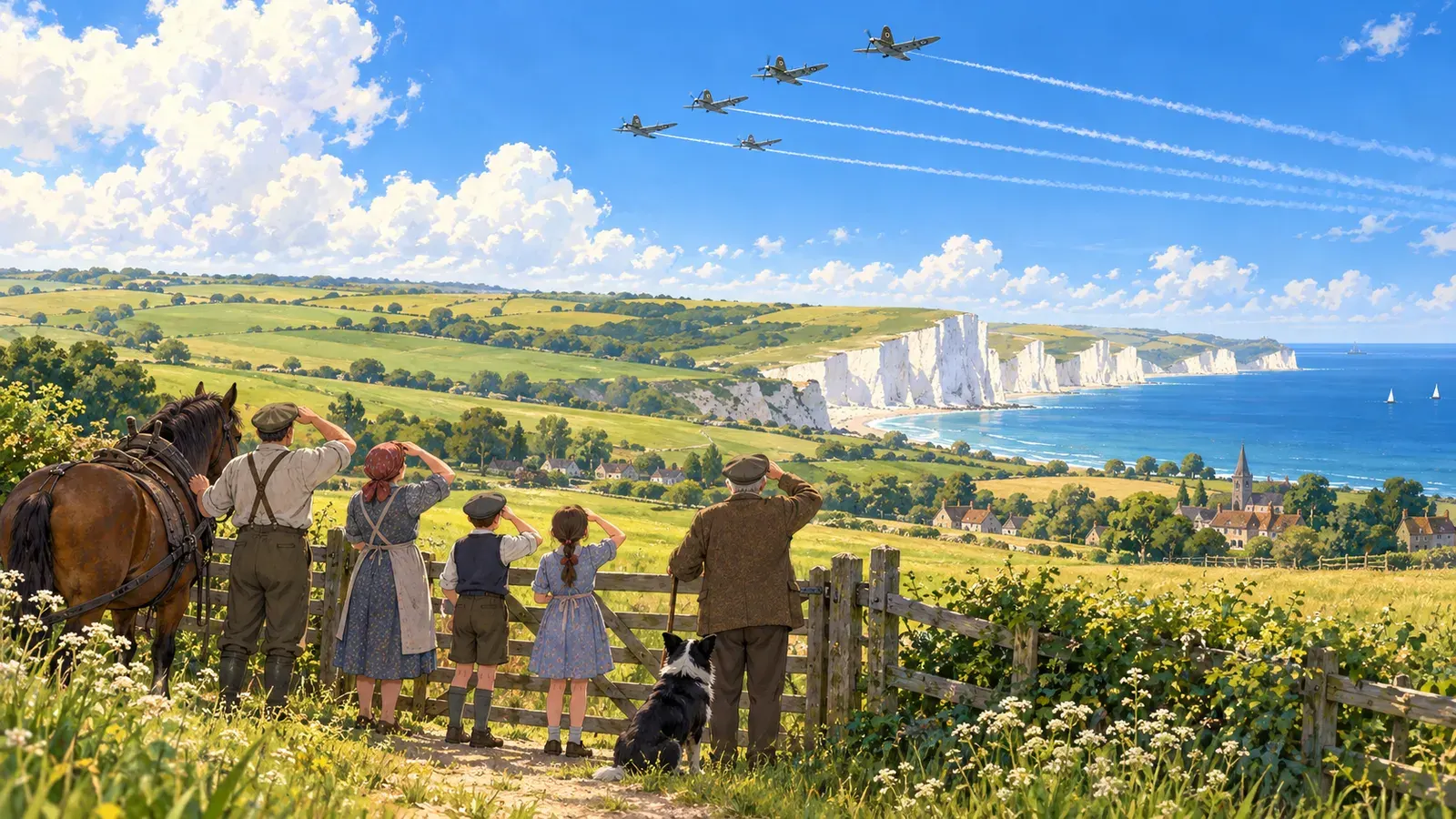
The air battles were fought right above the heads of ordinary people. On clear summer days, people in the towns and farms of southern England could look up and see white trails twisting across the sky as the fighters chased one another. Sometimes damaged planes came down in fields and gardens. For many families, the war was no longer something far away.
空の戦いは、ふつうの人々の頭のすぐ上でくり広げられました。晴れた夏の日、イングランド南部の町や農場で空を見上げると、白い飛行機雲が入り乱れているのが見えました。戦闘機どうしが追いかけ合っているのです。ときには、傷ついた飛行機が畑や庭に落ちてくることもありました。多くの家族にとって、戦争はもう遠い世界の出来事ではなくなっていました。
New technology helped, too. A chain of radar stations along the coast could detect enemy planes before they arrived, so British fighters could be sent up to meet them at the right moment. Thousands of ordinary people also played their part, as aircraft spotters, factory workers who built new planes, and volunteers of every kind.
新しい技術も力になりました。海岸ぞいにずらりと並んだレーダー基地が、敵機の接近を前もってとらえるのです。おかげで、イギリスの戦闘機は、ちょうどよい時に迎え撃ちに飛び立てました。何千人ものふつうの人々も、それぞれの持ち場で役割を果たしました。敵機を見張る監視員、新しい飛行機を作る工場の労働者、そしてあらゆる種類のボランティアです。
In August, Churchill praised the pilots in another famous speech, saying that the whole nation owed an enormous debt to a very small number of brave young men. Ever since, those pilots have often been called the Few.
8月、チャーチルは別の有名な演説でパイロットたちをたたえました。国じゅうの人々が、ほんのひとにぎりの勇敢な若者たちに、はかり知れない恩を受けている、と。それ以来、あのパイロットたちは「ザ・フュー(少数の者たち)」と呼ばれることがあります。
In September, Germany began heavy bombing of London and other cities, in what became known as the Blitz. Tens of thousands of civilians were killed over the following months. But by the autumn of 1940, Germany had failed to win control of the skies, and its plan to invade Britain was put off. Britain had survived.
9月になると、ドイツはロンドンをはじめとする都市に激しい爆撃を始めました。のちに「ザ・ブリッツ」と呼ばれる大空襲です。それから数か月のあいだに、何万人もの市民が命を落としました。しかし1940年の秋には、ドイツは制空権を握れないまま、イギリス上陸の計画を先送りしました。イギリスは生きのびたのです。
Churchill's words did not win the battle by themselves. Pilots, sailors, factory workers, and families did. But speeches like this one helped people believe that their efforts mattered. By asking them to imagine how future generations would remember them, Churchill gave the British people a way to see their fear and suffering as part of something larger and meaningful.
チャーチルの言葉だけで戦いに勝ったわけではありません。勝利をもたらしたのは、パイロットや水兵、工場で働く人々、そして家族たちでした。けれども、こうした演説は、自分たちの努力には意味があるのだと人々が信じる助けになりました。未来の人々は自分たちをどう思い出すだろうか。チャーチルは国民にそれを想像させました。そうすることで、自分たちの恐れや苦しみを、もっと大きく意味のあるものの一部として見られるようにしたのです。
 ▶
 ▶