In the spring of 1940, Britain was facing one of the most dangerous moments in its history. World War Two had begun the previous September, when Germany invaded Poland. For months afterward, there was surprisingly little fighting in Western Europe. Then, on May 10, 1940, German forces suddenly attacked the Netherlands, Belgium, and France.
1940年の春、イギリスは歴史上もっとも危険な局面の一つに立たされていました。第二次世界大戦が始まったのは、前の年の9月。ドイツがポーランドに攻めこんだのがきっかけでした。ところがその後の数か月、西ヨーロッパでは、意外なほど戦闘が起きませんでした。そして1940年5月10日、ドイツ軍が突然、オランダ、ベルギー、フランスに襲いかかったのです。
On that same day, Winston Churchill became Prime Minister of Britain. He was sixty-five years old. Many politicians did not fully trust him. He had made serious mistakes in the past, and some thought he was too emotional and too eager for war. But he was also known for one thing: for years, he had warned that Hitler was dangerous, at a time when few people wanted to listen.
まさにその日、ウィンストン・チャーチルがイギリスの首相に就任しました。65歳でした。チャーチルを心から信用していない政治家も、大勢いました。過去に大きな失敗をしていましたし、感情に走りやすい、戦争をしたがりすぎる、と見る人もいたのです。けれども、チャーチルには一つ、よく知られていることがありました。ほとんどだれも耳を貸さなかったころから、何年ものあいだ、ヒトラーは危険だと警告し続けていたのです。
Within days, the news from France was terrible. German tanks moved through the thick forests of the Ardennes much faster than anyone had expected. The British army in France, together with French and Belgian soldiers, was pushed back toward the sea. By the end of May, hundreds of thousands of soldiers were trapped around the port of Dunkirk, in the north of France, with the enemy in front of them and the sea behind them.
数日もすると、フランスからはひどい知らせばかりが届くようになりました。ドイツの戦車は、アルデンヌの深い森を、だれも予想しなかった速さで突き抜けてきたのです。フランスにいたイギリス軍は、フランス軍やベルギー軍とともに、海のほうへと押し戻されました。5月の終わりには、何十万人もの兵士が、フランス北部の港町ダンケルクのまわりに追いつめられていました。前には敵、後ろは海です。
It seemed that almost the entire British army in France might be captured. Churchill himself reportedly feared that only a small part of it could be saved.
フランスにいるイギリス軍は、ほぼ丸ごと捕虜になってしまうかもしれない。そう思われました。チャーチル自身も、救い出せるのはごく一部だけだろうと恐れていたといいます。
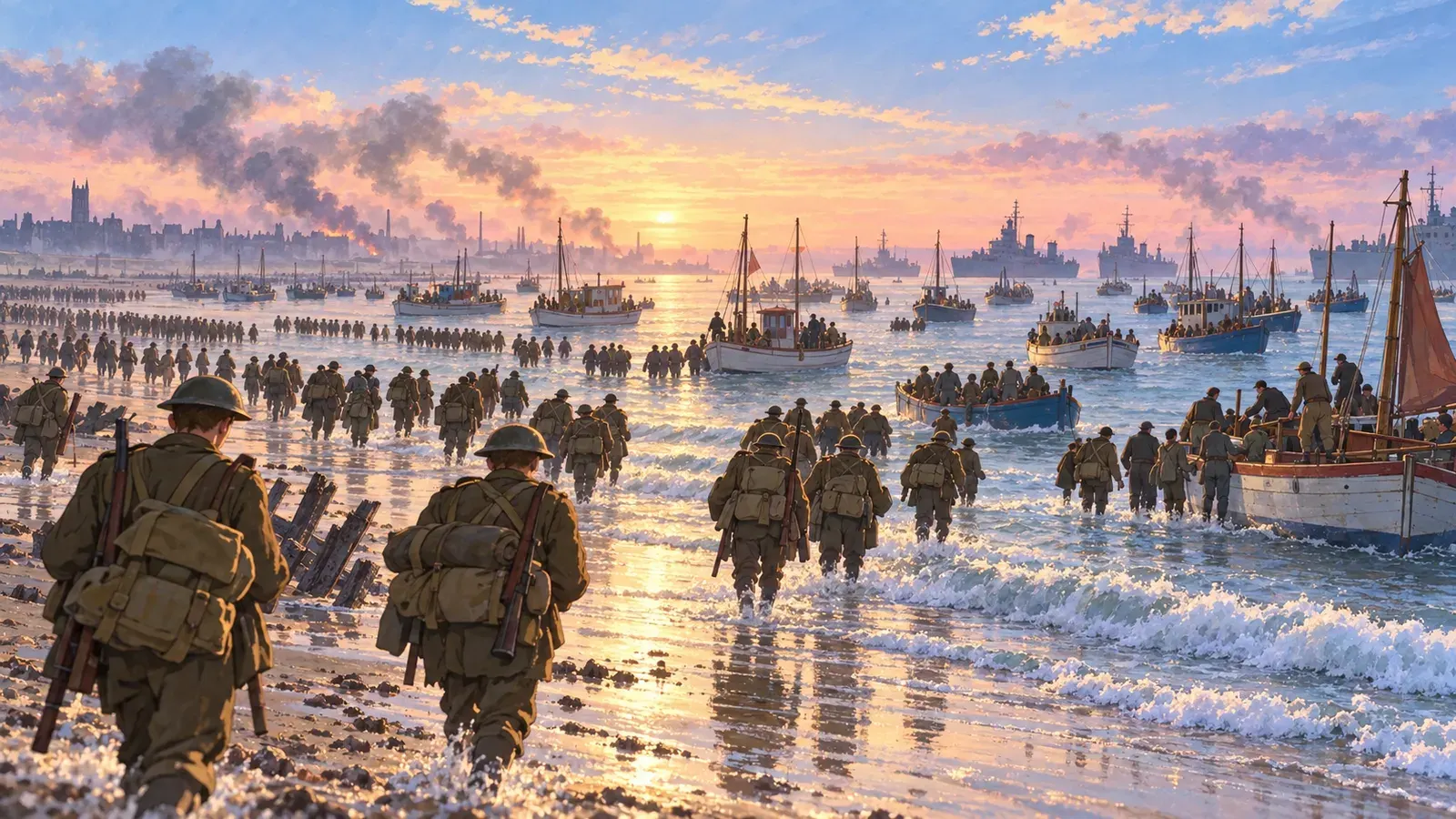
Then something remarkable happened. From May 26 to June 4, warships and hundreds of smaller boats crossed the English Channel again and again. Among them were fishing boats, ferries, and private pleasure boats, many of them sailed by ordinary people. Under attack from German planes, they carried soldiers from the beaches and the harbor to the larger ships, or straight back to England. In the end, more than 338,000 soldiers were rescued, including many French soldiers.
そのとき、驚くべきことが起きました。5月26日から6月4日にかけて、軍艦と何百隻もの小さな船が、イギリス海峡を何度も何度も往復したのです。中には漁船やフェリー、個人のレジャー用ボートもあり、その多くはふつうの市民がかじを取っていました。船はドイツ機の攻撃を受けながら、海岸や港から兵士を乗せ、沖の大きな船まで、あるいはそのままイギリスまで運びました。最終的に、33万8000人を超える兵士が救出されました。その中には、多くのフランス兵も含まれていました。
The rescue also gave the English language a new expression. Even today, British people sometimes speak of the "Dunkirk spirit" when ordinary people come together to help one another in a crisis. The little ships became a symbol of how everyone, not only soldiers, could play a part in the war. Some of those boats still exist, and every few years they sail back across the Channel together to remember what happened.
この救出劇は、英語に新しい言い回しも生みました。危機のときに、ふつうの人々が力を合わせて助け合う。今でもイギリスでは、そんな姿を「ダンケルク精神」と呼ぶことがあります。小さな船たちは、兵士だけでなく、だれもが戦争で役割を果たせることの象徴になりました。当時の船の中には今も残っているものがあり、数年ごとにそろって海峡を渡り、あの出来事をしのんでいます。
In Britain, people were overjoyed. Some called it a miracle. But Churchill knew that the truth was harsh. The army had left almost all of its tanks, guns, and heavy equipment behind. France was close to defeat, and an invasion of Britain itself might come next.
イギリスの人々は大喜びしました。奇跡だと言う人もいました。けれどもチャーチルには、現実の厳しさがわかっていました。軍は、戦車も大砲も重い装備も、ほとんどすべてを置き去りにしてきたのです。フランスは敗北寸前で、次はイギリス本土が攻めこまれるかもしれませんでした。
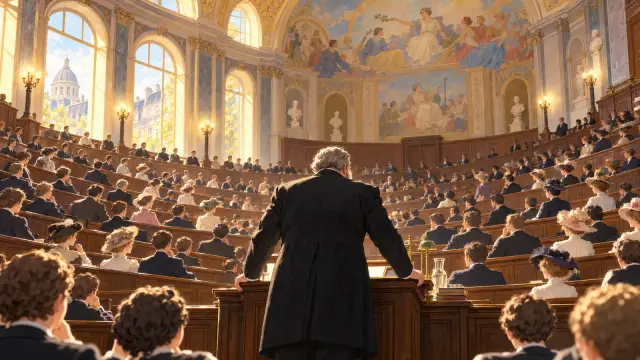
On June 4, 1940, Churchill reported to the House of Commons, the main part of Britain's parliament. He had to do two difficult things at the same time. He needed to give people hope, but he also needed to stop them from believing that the danger had passed.
1940年6月4日、チャーチルはイギリス議会の中心である下院で報告に立ちました。そこで、二つの難しいことを同時にやってのけなければなりませんでした。人々に希望を与えること。そして同時に、もう危険は去ったと人々が思いこまないようにすることです。
He praised the courage of the soldiers, the sailors, and the pilots of the Royal Air Force, who had fought hard in the skies above Dunkirk. But he also warned clearly that escaping from a battle is not the same as winning a war. He described Dunkirk as a wonderful rescue in the middle of a great military disaster.
チャーチルは、兵士たち、水兵たち、そしてダンケルクの上空で激しく戦ったイギリス空軍のパイロットたちの勇気をたたえました。けれども同時に、はっきりと警告しました。戦場から逃れることは、戦争に勝つこととはちがう、と。チャーチルはダンケルクを、大きな軍事的惨敗のさなかに起きた、すばらしい救出劇だと表現しました。
Then came the famous ending. Churchill listed all the places where Britain would keep fighting if the enemy came: on the seas and oceans, in the air, on the beaches, in the fields and streets, and in the hills. The repeated words built up like the steady beat of a drum, and he finished by declaring that "we shall never surrender." He added that even if Britain itself were conquered, the British Empire overseas would carry on the struggle until the New World, meaning the United States, came to help.
そして、あの有名な結びが来ます。敵が来たら、イギリスはどこで戦い続けるのか。チャーチルはその場所を一つ一つ挙げていきました。海で、大洋で戦う。空で戦う。海岸で戦う。野で、街頭で戦う。丘で戦う。繰り返される言葉は、太鼓が一定のリズムで打ち鳴らされるように高まっていきます。そして最後に、チャーチルは宣言しました。「我々は決して降伏しない」。さらに、たとえイギリス本土が征服されても、海の向こうの大英帝国が戦いを続けるだろう、と言いそえました。新世界、つまりアメリカが救いの手を差し伸べる、その日まで。
Many people today imagine that Churchill spoke these words on the radio that night. In fact, the speech was given in Parliament and was not broadcast live. A BBC announcer read parts of it on the evening news. Churchill made a recording of it himself only years later, in 1949.
今では多くの人が、チャーチルはその夜ラジオでこの言葉を語ったのだと思っています。実際には、演説の場は議会で、生放送はされませんでした。BBCのアナウンサーが、夜のニュースでその一部を読み上げたのです。チャーチル自身がこの演説を録音したのは、ずっとあとの1949年のことでした。
Even so, his words spread quickly through newspapers and radio reports. Several members of Parliament were deeply moved, and some reportedly had tears in their eyes. According to one well-known story, as Churchill sat down he quietly told a colleague that if the enemy came, they would have to fight with broken bottles, because that was nearly all they had. Whether or not the story is exactly true, it shows how weak Britain's position really was.
それでも、その言葉は新聞やラジオの報道ですぐに広まりました。議員の中には深く心を動かされた人が何人もいて、目に涙を浮かべた人もいたといいます。よく知られた話があります。チャーチルは席に着きながら、同僚にそっとこうもらしたというのです。敵が来たら、割れたびんで戦うしかない。手もとにあるのは、ほとんどそれだけなのだから。この話がそのとおり本当かどうかはわかりません。それでも、当時のイギリスがどれほど弱い立場にあったかがよくわかります。
The speech did not change the military facts. Britain was still in great danger. Within three weeks, France signed an armistice with Germany, and Britain, with the support of its Commonwealth partners, was left to face Germany in Western Europe on its own. But the speech changed the mood of the nation. It told people honestly how bad things were, and at the same time it gave them a reason to keep going.
この演説で、軍事的な現実が変わったわけではありません。イギリスはまだ大きな危険の中にありました。3週間もたたないうちに、フランスはドイツと休戦協定を結びます。イギリスは、英連邦の仲間の支えはあったものの、西ヨーロッパでただ一国、ドイツと向き合うことになりました。それでも、この演説は国の空気を変えました。状況がどれほど悪いかを正直に伝えながら、同時に、それでも前へ進む理由を人々に与えたのです。
Churchill remains a complicated figure. Many people admire his leadership in 1940, while others criticize some of his views and decisions, especially those connected with Britain's colonies. But in that dark June, his words helped a frightened nation find its courage.
チャーチルは、今も評価の分かれる人物です。1940年の指導力をたたえる人は大勢います。一方で、その考え方や決定の一部、とくにイギリスの植民地にかかわるものを批判する人もいます。それでも、あの暗い6月、チャーチルの言葉は、おびえていた国民が勇気を取り戻す助けになったのです。