Many people think of money as a kind of pie. If there is only one pie, and one person takes a big piece, there is less for everyone else. In this way of thinking, getting rich always means taking something from someone else. Wallace D. Wattles, who wrote The Science of Getting Rich in 1910, strongly disagreed with this picture. One of the most important ideas in his book is that you should become a creator, not a competitor.
お金を、一つのパイのように考えている人はたくさんいます。パイが一つしかなければ、誰かが大きく切り取ると、残りの人の分は少なくなります。この考え方だと、お金持ちになるとは、いつも誰かから何かを奪うことになります。1910年に『富を「引き寄せる」科学的法則』を書いたウォレス・D・ワトルズは、この考え方に強く反対しました。ワトルズの本でとりわけ大事な考えの一つは、「競争する人ではなく、創り出す人になりなさい」というものです。
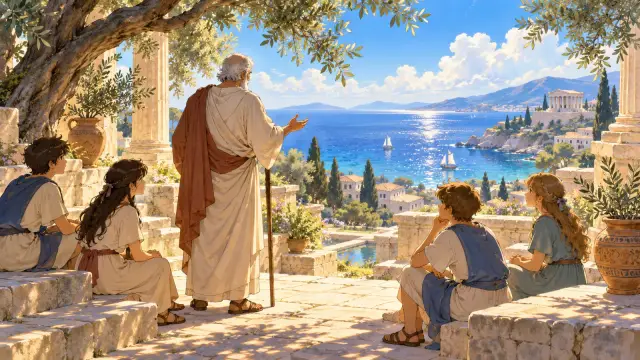
Wattles believed that there was more than enough for everyone. In his book, he described a kind of invisible "thinking stuff" that fills the universe, which he also called Formless Substance. He believed that everything we see is made from it, and that it can always produce more. Because the supply has no limit, he argued, no one ever has to take what belongs to another person. If you want a house, you do not need to take someone else's house. You can have a new one.
すべての人に行きわたって、なお余るほどのものがある、とワトルズは信じていました。本の中でワトルズは、宇宙を満たしている、目に見えない一種の「考える物質」について語り、それを「形のない物質」とも呼んでいます。目に見えるものはすべてこの物質からできていて、この物質はいつでもいくらでも新しいものを生み出せる、とワトルズは考えていたのです。かぎりなく生み出せるのだから、人のものを奪う必要など誰にもない、とワトルズは言います。家が欲しければ、人の家を取り上げる必要はありません。新しい家を手に入れればいいのです。
From this belief came his warning against what he called the competitive mind. When you think that the supply is limited, you start to see other people as rivals. You worry that the best chances will be taken before you arrive. You try to beat others, push them aside, or get something for nothing. Wattles believed that this kind of thinking makes people anxious and unhappy, and that riches gained in this way do not last.
この考えから、ワトルズは「競争の心」と呼ぶものに注意をうながしました。ものにかぎりがあると思うと、まわりの人がライバルに見えてきます。自分が行く前に、いいチャンスを人に取られてしまうのではないかと心配になります。人を負かそう、押しのけよう、何もせずに何かを手に入れよう、とするようになります。こういう考え方をしていると、人は不安になり、不幸になる。そして、そうして手に入れた富は長続きしない、とワトルズは考えていました。
Instead, he asked his readers to move to the creative mind. A creative person does not ask, "How can I get more than you?" A creative person asks, "How can I make something new and good, so that both of us end up with more?" Wattles wanted his readers to get what they wanted in such a way that everyone around them would also be better off.
そのかわりにワトルズは、「創造の心」に切りかえるよう読者に求めました。創造する人は、「どうしたら、あなたより多く手に入れられるだろう」とは考えません。「どうしたら、何か新しい、いいものを生み出して、二人ともが前より多くを手にできるだろう」と考えるのです。欲しいものは、まわりのみんなも豊かになるようなやり方で手に入れてほしい。ワトルズはそう願っていました。
How can this work in real business? Here Wattles gave one of his most practical rules. He said you cannot always give people more money than you take from them, but you can always give them more use value than the cash value you take. Use value means how much something actually improves a person's life. His own example was the book itself. The paper and ink may not be worth the price, he wrote, but if the ideas inside help a reader earn much more, the reader has not been cheated.
では、実際の商売で、これはどう役立つのでしょうか。ここでワトルズは、とても実際的な決まりを一つ示しています。受け取ったお金より多くのお金を相手に渡すことは、いつもできるとはかぎらない。けれども、受け取ったお金を上回る「役に立つ値打ち」を相手に渡すことは、いつでもできる、というのです。役に立つ値打ちとは、それが相手の暮らしを実際にどれだけよくするか、ということです。ワトルズ自身が例に挙げたのは、この本そのものでした。紙とインクだけなら、値段ほどの値打ちはないかもしれない。けれども、中の考えのおかげで読者がずっと多く稼げるようになるなら、読者は損をしたことにはならない、と書いています。
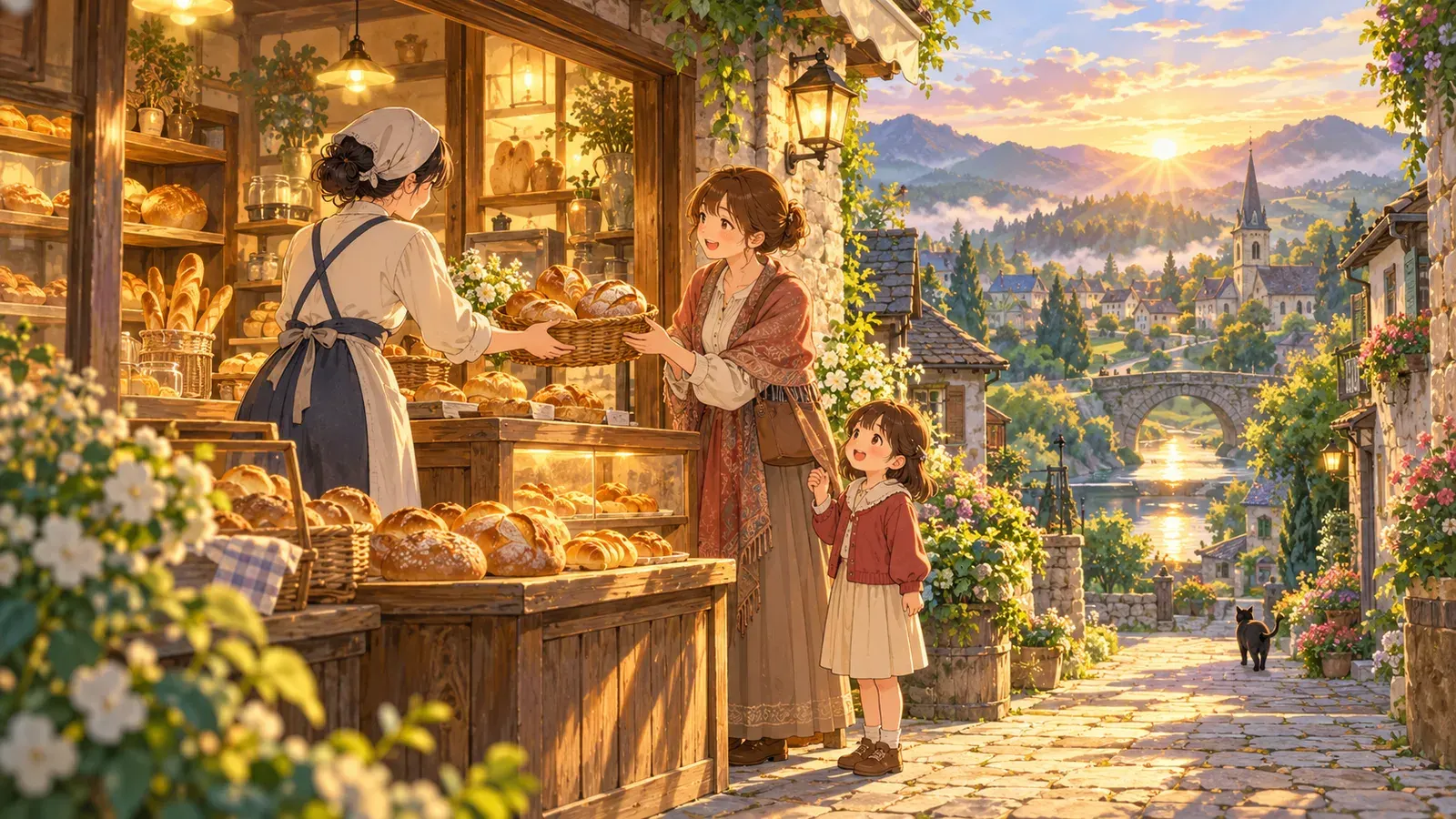
Think of a small bakery in a quiet town. The baker could try to win by cutting prices and saying bad things about the bakery across the street. That is the competitive way. Or she could ask what her customers really need. Perhaps busy parents want healthy bread for their children's breakfast, ready early in the morning. If she bakes good bread, opens at six, and greets each customer warmly, every customer leaves with more than the few hundred yen they paid. That is the creative way, and over time it tends to bring loyal customers.
静かな町の小さなパン屋さんを思い浮かべてください。店の主人は、値段を下げたり、向かいのパン屋さんの悪口を言ったりして、勝とうとすることもできます。それが競争のやり方です。あるいは、お客さんが本当に求めているものは何かを考えることもできます。忙しい親たちは、子どもの朝ごはんに体にいいパンが欲しくて、それが朝早くから買えたらいいと思っているかもしれません。おいしいパンを焼き、朝六時に店を開け、お客さん一人ひとりを温かく迎えれば、どのお客さんも、払った数百円を上回る値打ちを受け取って帰ることになります。それが創造のやり方です。そうした店には、やがて常連のお客さんが増えていくことが多いのです。
Wattles added one more idea. He said that in every action, you should try to leave people with what he called an impression of increase. He believed that everyone, deep inside, wants their life to grow: more knowledge, more beauty, more comfort, more joy. If people feel that their lives are growing when they deal with you, they will be attracted to you and want to deal with you again. This is true even in very small things, like selling a single candy to a child.
ワトルズは、もう一つ付け加えています。何をするときも、相手に「前より豊かになった」という印象を残すように心がけなさい、というのです。人は誰でも、心の奥では、自分の人生が育っていくことを望んでいる、とワトルズは考えていました。もっと知りたい、もっと美しいものにふれたい、もっと快適に暮らしたい、もっと喜びが欲しい、と。あなたとかかわると自分の人生が豊かになっていくと感じれば、人はあなたにひかれ、またあなたとかかわりたいと思うでしょう。これは、子どもにあめを一つ売るような、ごく小さなことにも当てはまります。
The same idea can be used outside of business. Imagine a class preparing for a big exam. One student hides her good notes because she is afraid that classmates will get higher scores. Another student shares her notes and explains hard points to friends. The second student does not lose anything. In fact, explaining helps her remember better, and her friends are happy to help her when she has a problem. She has created value instead of only fighting for it.
同じ考えは、商売以外でも使えます。大事な試験をひかえたクラスを思い浮かべてください。ある生徒は、クラスメートに点数で抜かれるのがこわくて、よくまとまった自分のノートを隠しておきます。別の生徒は、ノートを見せてあげて、難しいところを友だちに説明してあげます。二人目の生徒は、何も失っていません。それどころか、説明することで自分もよく覚えられますし、自分が困ったときには、友だちが喜んで助けてくれます。この生徒は、値打ちを奪い合うだけでなく、値打ちを生み出したのです。
Of course, a modern reader should think carefully about some parts of this book. Wattles's "thinking stuff" is a belief from the New Thought movement of his time, not something that science has found. And today we know that the resources of the earth, such as clean water, forests, and oil, are limited. Some kinds of competition, such as exams or sports, are also part of real life and cannot simply be wished away.
もちろん、今の読者は、この本のいくつかの部分を注意して読む必要があります。ワトルズの言う「考える物質」は、当時のニューソート運動の信仰から来たもので、科学が見つけたものではありません。それに今では、きれいな水や森や石油のような地球の資源にはかぎりがあることも分かっています。試験やスポーツのように、競争が現実の暮らしの一部になっている場面もあり、そうした競争は願うだけで消えてくれるものではありません。
Still, his main point is worth remembering. Much of the wealth in the modern world comes from creating new value, not only from taking a bigger piece of the same pie. A new medicine, a useful app, or a friendly shop can make many people's lives better at the same time. When we focus on what we can add to the world, we often find that there is more room for success than we thought.
それでも、ワトルズの言いたいことの中心は、覚えておく値打ちがあります。今の世界の富の多くは、同じパイの大きな一切れを取ることだけでなく、新しい値打ちを生み出すことから生まれています。新しい薬、便利なアプリ、感じのいいお店は、大勢の人の暮らしを一度によくすることができます。自分が世の中に何を付け加えられるかに目を向けると、成功の余地は思っていたよりずっと大きいと気づくことが多いのです。
Try this today. Think of one person you will meet today, such as a classmate, a customer, or a family member. Ask yourself, "How can I give this person a little more value than they expect?" It might be a clear explanation, a small favor, or a warm greeting. Do it, and notice how it feels.
今日、試してみましょう。クラスメート、お客さん、家族など、今日会う人を一人思い浮かべてください。そして、自分にこう問いかけてみましょう。「どうしたら、この人が期待している以上の値打ちを、少しでも渡せるだろう」。分かりやすい説明かもしれません。ちょっとした手助けかもしれません。温かいあいさつかもしれません。実際にやってみて、どんな気持ちになるか感じてみてください。