In his second letter to his friend Lucilius, the Roman thinker Seneca writes about something that is very important for language learners: how to read.
友人ルキリウスにあてた二通目の手紙で、ローマの思想家セネカは、ことばを学ぶ人にとってとても大切なことについて書いています。それは、どう読むか、ということです。
First, he praises Lucilius. You do not keep running from place to place, Seneca says. People who are always moving and changing their homes have restless minds. A calm and well-ordered mind is shown by being able to stay in one place and be happy in your own company.
まずセネカは、ルキリウスをほめます。あなたはあちこちを転々としない、と。いつも動き回り、住まいを変えてばかりいる人は、心が落ち着いていない。心が落ち着いて整っている人は、一つの場所にとどまり、自分ひとりでいることを楽しめるものだ、というのです。
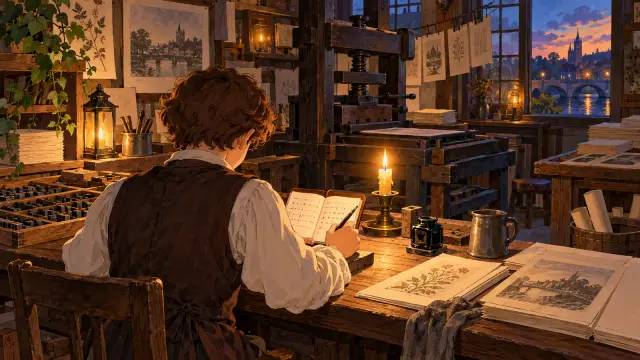
But then he gives a warning. Lucilius was reading many writers and many kinds of books. Be careful, says Seneca. Reading too many books, quickly and without order, can make your mind unsteady. If you want ideas to stay firmly in your mind, you must spend time with a limited number of great thinkers and really digest their works.
けれども、そのあとでセネカは注意をうながします。ルキリウスは、たくさんの作家の、さまざまな本を読んでいました。気をつけなさい、とセネカは言います。あまりにたくさんの本を、急いで、手当たりしだいに読んでいると、心がふらついてしまう。考えを心にしっかり根づかせたいなら、ごく限られた偉大な思想家とじっくりつきあい、その作品を本当に消化しなければならない、と。
Then comes a short and powerful sentence: a person who is everywhere is nowhere. Seneca explains with a picture. If you spend all your life traveling, you will meet many people but have no true friends. In the same way, if you visit every writer in a hurry, you will know a little about many books but not really know any of them.
そして、短く力強い一文が続きます。「どこにでもいる人は、どこにもいない」。セネカはたとえを使って説明します。一生旅ばかりしていると、知り合いはたくさんできても、本当の友だちは一人もできない。同じように、あらゆる作家のもとを急ぎ足で訪ねていると、たくさんの本を少しずつ知ってはいても、どの本も本当にはわかっていない、ということになるのです。
He gives more examples from daily life. Food does not help your body if it leaves your stomach as soon as you eat it. A wound cannot heal if you keep trying a new medicine every day. A plant that is moved again and again can never grow strong. Nothing can help you while it keeps being changed.
セネカは、日々の暮らしからさらに例をあげます。食べたものがすぐに胃から出ていってしまえば、体の栄養にはならない。毎日ちがう薬を試していては、傷は治らない。何度も植えかえられる草木は、決して強く育たない。変えてばかりいては、どんなものも役に立たないのだ、と。
So Seneca makes a suggestion that sounds strange today. You cannot read all the books you own, he says, so it is enough to own only as many books as you can read.
そこでセネカは、今聞くと奇妙に思える提案をします。持っている本を全部読むことはできないのだから、読めるだけの本を持っていれば十分だ、というのです。
Lucilius might answer, "But I like to read a little of this book and a little of that one." Seneca replies that this is like a person who tastes many dishes at a dinner. Too many different dishes do not feed you; they only make you tired of food. Read the best writers, he says, and when you want a change, go back to the ones you have already read.
ルキリウスはこう答えるかもしれません。「でも、この本を少し、あの本を少し、と読むのが好きなんです」。セネカの答えはこうです。それは、ごちそうの席でたくさんの料理を少しずつつまむ人のようなものだ。料理の種類が多すぎると、栄養にはならず、食べ物にうんざりするだけだ。最高の作家を読みなさい。気分を変えたくなったら、前に読んだ作家にもどればいい。
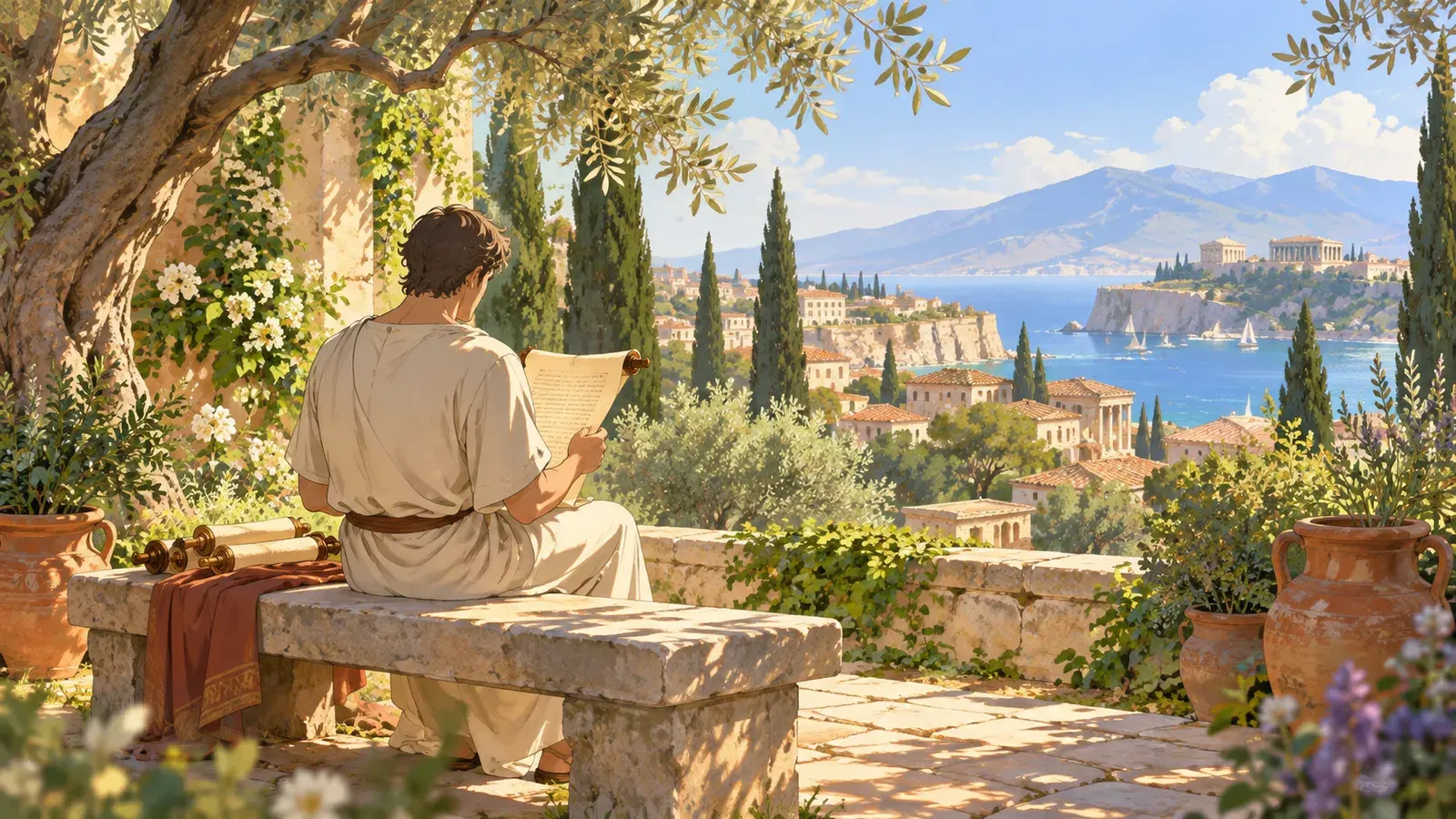
Finally, he shares his own daily habit. Every day, he reads widely. But then he chooses one single thought to think about deeply that day. He takes that one idea and makes it his own.
最後に、セネカは自分の毎日の習慣を紹介します。毎日、幅広く本を読む。けれどもそのあとで、その日一日じっくり考えるための考えを、たった一つだけ選ぶのです。そしてその一つを、自分のものにするのです。
As an example, he gives Lucilius the thought he chose that day. It came from the Greek thinker Epicurus: being poor and happy is an honorable thing. Seneca adds that if you are happy with what you have, you are not really poor at all. The poor person is not the one who has too little, but the one who always wants more.
その例として、セネカはその日に選んだ考えをルキリウスに伝えます。ギリシャの思想家エピクロスのことばでした。「貧しくても満ち足りていることは、立派なことである」。セネカはこう付け加えます。持っているもので満足しているなら、それはまったく貧しくなどない。貧しい人とは、持っているものが少なすぎる人ではなく、いつももっと欲しがっている人のことなのだ、と。
Seneca's advice fits extensive reading, or tadoku, very well. In extensive reading, we read a lot. But reading a lot does not mean jumping from one book to another without finishing anything. It is often better to finish an easy book, enjoy it, and even read a favorite one again. Rereading is not a waste of time. It is how stories and words become yours.
セネカの助言は、多読にとてもよく当てはまります。多読では、たくさん読みます。でも、たくさん読むというのは、何も読み終えずに本から本へと飛び移ることではありません。易しい本を一冊読み終えて楽しみ、お気に入りの本をもう一度読む。そのほうがずっとよいことも多いのです。読み返すことは、時間の無駄ではありません。それこそが、物語やことばが自分のものになっていく方法なのです。
Try this today. After you finish this story, choose one sentence or one idea from it that you liked. Write it in a notebook, and think about it a few times today, on the train or before you sleep. One thought that you have digested well is worth more than ten thoughts quickly forgotten.
今日、やってみましょう。この話を読み終えたら、気に入った一文か考えを一つ選びます。それをノートに書き、電車の中や寝る前など、今日のうちに何度か思い返してみましょう。よく消化した一つの考えは、すぐに忘れてしまう十の考えよりも価値があるのです。