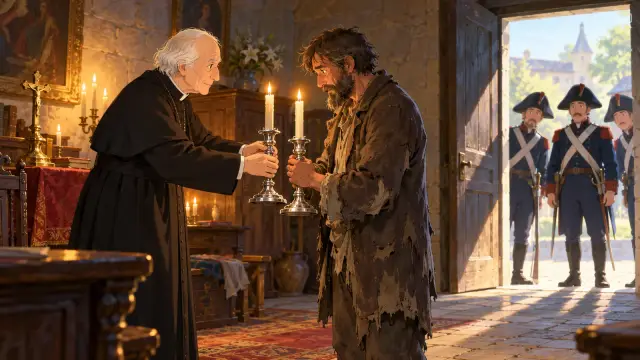
On the evening of February 22nd, 1899, an American writer and publisher named Elbert Hubbard sat down after a long and tiring day. He had spent the day trying, without much success, to get some of the people around him to wake up and work with energy. Over tea, his son Bert said something that stayed in his mind. The real hero of the recent war with Spain, the boy said, was a man named Rowan. Rowan had gone alone and done the job. He had carried the message to Garcia.
一八九九年二月二十二日の晩のことです。アメリカの作家で出版人のエルバート・ハバードは、長く疲れる一日を終えて、ようやく腰を下ろしました。その日は一日じゅう、周りの何人かを奮い立たせ、精を出して働かせようとしたのですが、あまりうまくいきませんでした。お茶を飲んでいるとき、息子のバートが言ったことが、心に残りました。「このあいだのスペインとの戦争の本当の英雄は、ローワンという人だよ。たった一人で出かけていって、ちゃんと仕事をやりとげたんだ。ガルシアに手紙を届けたんだよ」
The idea hit Hubbard like a flash. Yes, he thought, the boy is right. The hero is the person who does his work. He got up from the table and, in a single hour, wrote a short essay. He thought so little of it that he printed it in his magazine without even a title. He had no idea that it would become one of the most widely read pieces of writing of its time.
その言葉は、ひらめきのようにハバードの胸を打ちました。そうだ、この子の言うとおりだ。英雄とは、自分の仕事をやりとげる人のことなのだ。ハバードは食卓から立ち上がり、わずか一時間で短いエッセイを書きあげました。たいしたものだとは思っていなかったので、題名もつけずに自分の雑誌に載せました。まさかそれが、その時代に最も広く読まれた文章の一つになるとは、夢にも思っていませんでした。
The story behind the essay is simple. When war broke out between Spain and the United States, President McKinley urgently needed to work together with the leader of the Cuban rebels, General Garcia. But Garcia was hidden somewhere in the wild mountains of Cuba, and no one knew where. No mail or telegraph could reach him. Then someone told the President, "There is a fellow by the name of Rowan who will find Garcia for you, if anybody can."
エッセイのもとになった話は、いたって簡単です。スペインとアメリカのあいだに戦争が始まったとき、マッキンリー大統領は、キューバの反乱軍を率いるガルシア将軍と、一刻も早く手を組む必要がありました。ところがガルシアは、キューバの険しい山奥のどこかに身を隠していて、居場所は誰にも分かりませんでした。郵便も電報も届きません。そのとき、ある人が大統領にこう言いました。「ローワンという男がいます。ガルシアを見つけられる者がいるとすれば、あの男でしょう」
Rowan was given the letter. According to Hubbard, he sealed it in an oilskin pouch, strapped it over his heart, landed at night on the coast of Cuba from an open boat, and disappeared into the jungle. Three weeks later, he came out on the other side of the island, having crossed enemy country on foot, and delivered the letter to Garcia.
手紙はローワンに渡されました。ハバードによると、ローワンはそれを油布の袋に入れて封をし、胸にくくりつけました。そして夜、屋根のない小舟でキューバの海岸に上陸し、ジャングルの中へ消えていきました。三週間後、ローワンは敵地を歩いて横切り、島の反対側に姿を現しました。そして、ガルシアに手紙を届けたのです。
Hubbard said he had no special wish to tell the adventure in detail. His point was this: McKinley gave Rowan a letter to be delivered to Garcia, and Rowan took the letter and did not ask, "Where is he?" What young people need most, Hubbard argued, is not more book learning, but a stronger backbone, the kind of character that makes a person loyal to a task, quick to act, and able to focus all his energy on doing the thing.
ハバードは、この冒険をくわしく語るつもりは別にない、と言っています。言いたかったのは、次のことでした。マッキンリーは、ガルシアに届けるようにと、ローワンに手紙を渡しました。ローワンはそれを受け取り、「ガルシアはどこにいるのですか」とは聞きませんでした。若い人にいちばん必要なのは、本で学ぶ知識を増やすことではない、とハバードは説きました。必要なのは、背骨をしゃんとさせることです。与えられた務めに忠実で、すぐに動き、やるべきことに全力を注げる人柄を身につけることなのです。
Then Hubbard offered his readers a test. Imagine you are sitting in your office with six clerks nearby. Call one of them and say, "Please look in the encyclopedia and write me a short note about the life of Correggio," a famous Italian painter. Will the clerk simply say, "Yes, sir," and go and do it? Hubbard bet that he would not. Instead, he would ask questions like these. Who was he? Which encyclopedia? Where is the encyclopedia? Was I hired for that? Is there any hurry? Why can't Charlie do it? Shall I bring you the book so you can look it up yourself? Why do you want to know?
そのうえでハバードは、読者に一つ試してみてほしいと持ちかけます。あなたは事務所にいて、すぐそばに事務員が六人いるとします。その一人を呼んで、「百科事典を調べて、コレッジョの生涯について短いメモを作ってくれないか」と頼んでみるのです。コレッジョとは、イタリアの有名な画家です。さて、その事務員は「はい、かしこまりました」とだけ言って、さっそく取りかかるでしょうか。そうはならない、とハバードは言い切ります。かわりに、きっとこんなことを聞いてくるはずだ、というのです。「それは誰ですか」「どの百科事典ですか」「百科事典はどこにあるんですか」「それは私の仕事なんですか」「急ぎですか」「チャーリーに頼んだらどうですか」「本を持ってきますから、ご自分で調べたらいかがですか」「どうしてそんなことを知りたいんですか」。
And after you have answered every question, Hubbard joked, the clerk will probably get another clerk to help him, and then come back and tell you there is no such man. In the end, if you are wise, you will just smile, say "Never mind," and look it up yourself.
そして、あなたがその質問に一つ残らず答えてやっても、その事務員はたぶん別の事務員に手伝わせたあげく、戻ってきて「そんな人はいませんでした」と言うだろう、とハバードは冗談まじりに書いています。結局、あなたが賢ければ、にっこり笑って「もういいよ」と言い、自分で調べることになるのです。
Hubbard's language in the rest of the essay is sharp, and sometimes harsh. He complains about careless work and half-hearted effort, and he speaks up for employers who struggle to get things done. Many modern readers feel that he was too hard on workers and too kind to bosses. Asking a good question at the right time is not a weakness; it is often the fastest way to do a job well. But the heart of the essay still speaks to people today.
エッセイのそれから先の部分で、ハバードの言葉は鋭く、ときには手きびしくなります。いいかげんな仕事ぶりや、身の入らない働き方をなげき、仕事を進めようと苦労している雇い主の側に立っています。今の読者の多くは、ハバードは働く人に厳しすぎ、上に立つ人に甘すぎると感じます。いいタイミングでいい質問をするのは、弱さではありません。むしろ、仕事をうまく仕上げるいちばんの近道であることも多いのです。それでも、このエッセイの核心は、今の私たちの心にも響いてきます。
That heart is found near the end. Hubbard wrote that his heart went out to the person who does his work when the boss is away as well as when the boss is at home. Such a person, given a letter for Garcia, quietly takes it, without asking foolish questions and without any secret plan to throw it away, and delivers it. That kind of person, he said, is so rare that no employer can afford to lose him. He is needed in every city, town and village, in every office, shop and factory.
その核心は、終わり近くに出てきます。上司が留守のときも、いるときと変わらずに仕事をする人。そういう人に、自分は心からの共感を寄せる、とハバードは書きました。そういう人は、ガルシアあての手紙を渡されると、ばかげた質問をすることもなく、こっそり捨ててしまおうなどと考えることもなく、黙って受け取って届けます。そういう人はめったにいないので、どんな雇い主も手放すわけにはいかない、とハバードは言いました。そういう人は、どこの都市でも町でも村でも、どこの事務所でも店でも工場でも必要とされているのです。
What happened to the essay next was remarkable. Orders for extra copies of the magazine began to arrive by the dozen, then by the hundred, and then by the thousand. George Daniels of the New York Central Railroad asked to print one hundred thousand copies as a booklet, and in the end he printed it in editions of half a million. A Russian railway director who was visiting America took it home, had it translated, and gave a copy to every railway worker in Russia.
そのあと、このエッセイに起きたことは驚くべきものでした。雑誌を追加で送ってほしいという注文が、はじめは何十部、やがて何百部、さらには何千部という単位で届きはじめたのです。ニューヨーク・セントラル鉄道のジョージ・ダニエルズは、これを小冊子にして十万部刷りたいと申し出ました。そして最後には、一度に五十万部ずつ刷るまでになりました。アメリカを訪れていたロシアの鉄道の責任者は、これを国に持ち帰って翻訳させ、ロシアの鉄道員一人ひとりに一部ずつ配りました。
Hubbard later wrote that during the war between Russia and Japan, Russian soldiers going to the front were given copies. When the Japanese found the booklets on Russian prisoners, they decided it must be a good thing and translated it into Japanese. Hubbard claimed that more than forty million copies had been printed in his lifetime. Even today, the Japanese translation is a popular book for new workers in Japan.
ハバードはのちに、こう書いています。日露戦争のとき、戦場へ向かうロシアの兵士たちにこの小冊子が配られた。日本人は、捕虜になったロシア兵がそれを持っているのを見つけると、これはきっといいものにちがいないと考えて、日本語に訳した。ハバードによれば、自分が生きているあいだに四千万部以上が印刷されたといいます。今でも日本では、その日本語訳が新入社員によく読まれています。
After the essay, Hubbard printed one more short line. To act in complete freedom, and at the same time to know that responsibility is the price of freedom, he wrote, is salvation. This may be the best summary of all. In Hubbard's telling, Rowan was free to find his own way to Garcia. In real life, Cuban guides helped him through the dangerous country. But the mission was still his, and he accepted full responsibility for the result.
ハバードは、エッセイのあとに、もう一行だけ短い言葉を添えました。何ものにもしばられずに行動すること。そして同時に、責任こそが自由の代価だと知ること。それが救いである、と書いたのです。これこそ、すべてをいちばんよくまとめた言葉かもしれません。ハバードの語る話では、ローワンは、ガルシアのもとへ行く道を自由に自分で見つけました。実際には、キューバ人の案内人たちが、危険な土地を抜けるのを手伝っています。それでも任務を負っていたのはローワンであり、ローワンはその結果について、すべての責任を引き受けたのです。
Try this today. The next time you are given a task, at school, at home or at work, think about what you can figure out by yourself before you ask. Look it up. Try a first step. If you still need help, ask one clear question. Then finish the job and report back. You may be surprised at how quickly people begin to trust you with more important letters.
今日、試してみましょう。今度、学校や家や職場で何かを任されたら、人に聞く前に、自分でどこまで分かるかを考えてみてください。調べてみましょう。最初の一歩を踏み出してみましょう。それでも助けが必要なら、はっきりした質問を一つだけしてください。そして仕事をやり終えたら、きちんと報告するのです。周りの人がどれほど早く、もっと大事な手紙をあなたに任せてくれるようになるか、きっと驚くことでしょう。