In 1898, there was a war between the United States and Spain. Much of the fighting was about Cuba, an island near America. Cuba was trying to become free from Spain.
一八九八年、アメリカとスペインのあいだで戦争が起こりました。戦いの多くは、アメリカのすぐ近くにある島、キューバをめぐるものでした。キューバはスペインから独立しようとしていたのです。
The President of the United States, William McKinley, had an important problem. He needed to send a message to General Garcia, the leader of the Cuban fighters. But Garcia was somewhere in the mountains of Cuba. Nobody knew where he was. No letter could reach him by mail, and no telegraph could reach him either.
アメリカの大統領ウィリアム・マッキンリーは、大事な問題をかかえていました。キューバの戦士たちを率いるガルシア将軍に、知らせを届けなければならなかったのです。ところがガルシアは、キューバの山のどこかにいました。それがどこなのか、誰も知りませんでした。郵便で手紙を送ることもできなければ、電報を打つこともできませんでした。
"What can we do?" the President asked. Someone said, "There is a man called Rowan. He will find Garcia for you, if anybody can."
「どうしたらいいだろう」と大統領はたずねました。すると、ある人が言いました。「ローワンという男がいます。ガルシアを見つけられる者がいるとすれば、あの男です」
So Rowan was called, and he got a letter for Garcia. Here is the important part. In the famous story, Rowan did not ask, "Where is Garcia?" He did not ask, "How can I get there?" or "Why me?" He just took the letter.
そこでローワンが呼ばれ、ガルシアあての手紙を渡されました。大事なのはここからです。よく知られている話では、ローワンは「ガルシアはどこにいるのですか」とは聞きませんでした。「どうやって行けばいいのですか」とも「どうして私なのですか」とも、聞きませんでした。ただ黙って手紙を受け取ったのです。
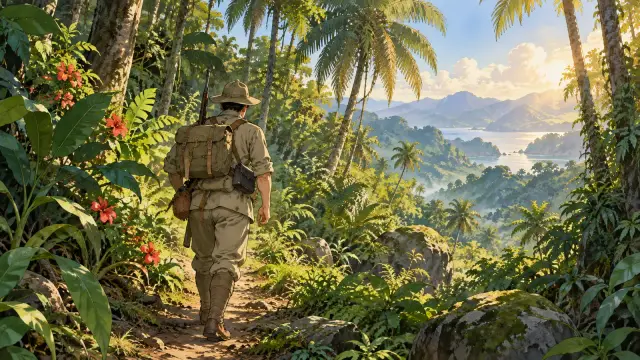
Rowan put the letter in a waterproof bag and tied it close to his heart. A few days later, at night, he came to the coast of Cuba in a small open boat. He went into the jungle and disappeared. He traveled through dangerous land full of enemies. Cuban guides helped him find the way. After about a week, he found Garcia and gave him the message.
ローワンは手紙を防水の袋に入れ、胸にぴったり結びつけました。数日後の夜、屋根のない小さな舟でキューバの海岸に着きました。そしてジャングルに分け入り、姿を消しました。敵がたくさんいる危ない土地を進んでいったのです。道を探すのは、キューバ人の案内人たちが手伝ってくれました。一週間ほどたって、ローワンはガルシアを見つけ、知らせを手渡しました。
A year later, in 1899, an American writer named Elbert Hubbard heard his son talking about Rowan at tea time. "Rowan was the real hero of the war," the boy said. "He went and did the job." Hubbard agreed. That evening, in just one hour, he wrote a short essay called A Message to Garcia.
一年後の一八九九年のことです。アメリカの作家エルバート・ハバードは、お茶の時間に、息子がローワンの話をするのを聞きました。「あの戦争の本当の英雄はローワンだよ。出かけていって、ちゃんと仕事をやりとげたんだから」。ハバードもそのとおりだと思いました。そしてその晩、たった一時間で、『ガルシアへの手紙』という短いエッセイを書きあげました。
In the essay, Hubbard wrote that the world needs more people like Rowan. Many people, when they are given a job, ask too many questions, make excuses, or do only half the work. But a person who takes the job and quietly does it is rare and very valuable. Hubbard said that a statue of such a person should stand in every college.
ハバードはこのエッセイで、世の中にはローワンのような人がもっと必要だと書きました。仕事を頼まれると、あれこれ質問ばかりしたり、言いわけをしたり、半分しかやらなかったりする人は大勢います。けれども、仕事を引き受けて黙ってやりとげる人はめったにいません。そういう人は、とても貴重なのです。そういう人の像を、どの大学にも建てるべきだ、とハバードは言いました。
The essay became famous very quickly. Many millions of copies were printed, and it went around the world in many languages. According to Hubbard, it was translated into Japanese more than one hundred years ago. Today, in Japan, it is still read by many workers and students.
このエッセイは、あっという間に有名になりました。何百万部も印刷され、いくつもの言葉に訳されて世界中に広まりました。ハバードによると、百年以上前に日本語にも訳されたそうです。日本では今でも、多くの働く人や学生に読まれています。
Try this today. When someone asks you to do something, try to be like Rowan. Of course, it is fine to ask a question when you really need to. But first, ask yourself, "Can I find the answer by myself?" Then just carry your letter to Garcia.
今日、試してみましょう。誰かに何かを頼まれたら、ローワンになったつもりでやってみてください。もちろん、本当に必要なときは質問してかまいません。でもその前に、「自分で答えを見つけられないかな」と考えてみましょう。そして、あとはただ、ガルシアへの手紙を届けに行くのです。