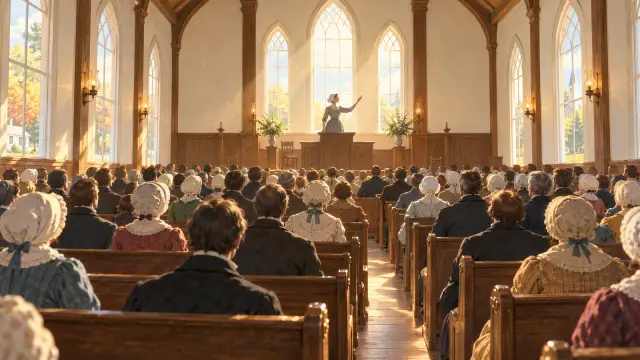
It was a day in March.
三月のある日のことだった。
Never, never begin a story this way when you write one. No opening could possibly be worse. It is unimaginative, flat, dry and likely to consist of mere wind. But in this instance it is allowable. For the following paragraph, which should have inaugurated the narrative, is too wildly extravagant and preposterous to be flaunted in the face of the reader without preparation.
諸君が物語を書くときには、けっして、けっしてこんな書き出しにしてはいけない。これほどまずい始め方はない。想像力がなく、平板で、味もそっけもなく、たいていは中身のない空っぽの文句で終わる。だが今回だけは許してもらいたい。本来なら物語の幕開けを飾るはずだった次の一文が、あまりに突拍子もなく、ばかげているからだ。なんの前置きもなしに、いきなり読者に見せるわけにはいかない。
Sarah was crying over her bill of fare.
サラは献立表を前にして泣いていた。
Think of a New York girl shedding tears on the menu card!
考えてもみたまえ。ニューヨークの娘が、メニューの上に涙をこぼしているのだ!
To account for this you will be allowed to guess that the lobsters were all out, or that she had sworn ice-cream off during Lent, or that she had ordered onions, or that she had just come from a Hackett matinee. And then, all these theories being wrong, you will please let the story proceed.
なぜ泣いているのか、諸君はあれこれ推理してよい。ロブスターが品切れだったのか。四旬節のあいだはアイスクリームを断つと誓ったのか。玉ねぎを注文してしまったのか。それとも、人気俳優ハケットの昼の舞台を見て、泣いて帰ってきたところなのか。どれも外れである。外れたところで、どうか話を先へ進めさせていただきたい。
The gentleman who announced that the world was an oyster which he with his sword would open made a larger hit than he deserved. It is not difficult to open an oyster with a sword. But did you ever notice any one try to open the terrestrial bivalve with a typewriter? Like to wait for a dozen raw opened that way?
「世界はわが牡蠣、この剣でこじ開けてみせよう」と言い放った紳士がいた。この文句は、本来の値打ち以上にもてはやされた。剣で牡蠣を開けるのは、たいして難しくないのだ。だが、この地球という二枚貝を、タイプライターでこじ開けようとする者を見たことがおありだろうか? そんなやり方で開けた生牡蠣を一ダース、気長に待ってみたいと思われるだろうか?
Sarah had managed to pry apart the shells with her unhandy weapon far enough to nibble a wee bit at the cold and clammy world within. She knew no more shorthand than if she had been a graduate in stenography just let slip upon the world by a business college. So, not being able to stenog, she could not enter that bright galaxy of office talent. She was a free-lance typewriter and canvassed for odd jobs of copying.
サラは、この扱いにくい武器で、どうにか貝殻をこじ開けていた。中の冷たくじめじめした世界を、ほんの少しかじれるくらいには開いたのだ。速記はまるでできなかった。ビジネス・スクールの速記科を出たての卒業生と同じくらいに、できなかった。速記ができなければ、事務所勤めの才女たちのきらびやかな仲間には入れない。そこでサラはフリーのタイピストになり、ちょっとした清書の仕事を探して回っていた。
The most brilliant and crowning feat of Sarah's battle with the world was the deal she made with Schulenberg's Home Restaurant. The restaurant was next door to the old red brick in which she hall-roomed. One evening after dining at Schulenberg's 40-cent, five-course table d'hôte (served as fast as you throw the five baseballs at the coloured gentleman's head) Sarah took away with her the bill of fare. It was written in an almost unreadable script neither English nor German, and so arranged that if you were not careful you began with a toothpick and rice pudding and ended with soup and the day of the week.
世間と戦ってきたサラにとって、最も輝かしい手柄は、シューレンバーグ家庭料理店と結んだ取引だった。その店は、サラが廊下の奥の小部屋を借りている古い赤れんがの建物の隣にあった。ある晩サラは、シューレンバーグの四十セントで五品が出るコース料理を食べた。料理はおそろしく速く出てきた。当時の縁日にあった差別的な的当てで、黒人の男の頭めがけて野球ボールを五つ投げつけるくらいの速さである。食べ終わると、サラは献立表を持ち帰った。英語ともドイツ語ともつかない、ほとんど読めない字で書いてある。しかも並べ方がでたらめで、うっかりすると、爪楊枝とライス・プディングから始まって、スープと曜日で終わってしまうのだった。
The next day Sarah showed Schulenberg a neat card on which the menu was beautifully typewritten with the viands temptingly marshalled under their right and proper heads from "hors d'oeuvre" to "not responsible for overcoats and umbrellas."
翌日、サラはシューレンバーグに一枚のこぎれいなカードを見せた。献立が美しくタイプしてあり、料理はそれぞれ正しい見出しの下に、いかにもおいしそうに並んでいた。始まりは「オードブル」、終わりは「外套と傘の紛失には責任を負いかねます」である。
Schulenberg became a naturalised citizen on the spot. Before Sarah left him she had him willingly committed to an agreement. She was to furnish typewritten bills of fare for the twenty-one tables in the restaurant—a new bill for each day's dinner, and new ones for breakfast and lunch as often as changes occurred in the food or as neatness required.
シューレンバーグはその場で、すっかりサラの国に帰化してしまった。帰るまでに、サラは彼に喜んで契約を結ばせていた。サラが、店の二十一のテーブルのために、タイプした献立表を用意する。夕食の献立表は毎日新しくする。朝食と昼食の献立表は、料理が変わるたびに、また汚れて見苦しくなるたびに、新しくする。そういう約束だった。
In return for this Schulenberg was to send three meals per diem to Sarah's hall room by a waiter—an obsequious one if possible—and furnish her each afternoon with a pencil draft of what Fate had in store for Schulenberg's customers on the morrow.
その代わりに、シューレンバーグは一日三度の食事を給仕にサラの部屋まで届けさせる。給仕はできれば腰の低い者がいい。さらに毎日午後には、翌日シューレンバーグの客たちを待ち受ける運命、つまり翌日の献立を鉛筆で書いて、サラに渡すことになった。
Mutual satisfaction resulted from the agreement. Schulenberg's patrons now knew what the food they ate was called even if its nature sometimes puzzled them. And Sarah had food during a cold, dull winter, which was the main thing with her.
この取引に、どちらも満足した。シューレンバーグの客たちは、食べているものの正体に首をかしげることはあっても、少なくとも名前だけはわかるようになった。サラはサラで、寒く退屈な冬のあいだ、食べるものに困らなかった。サラにとっては、それが何より大事だった。
And then the almanac lied, and said that spring had come. Spring comes when it comes. The frozen snows of January still lay like adamant in the crosstown streets. The hand-organs still played "In the Good Old Summertime," with their December vivacity and expression. Men began to make thirty-day notes to buy Easter dresses. Janitors shut off steam. And when these things happen one may know that the city is still in the clutches of winter.
やがて暦が嘘をついて、春が来たと告げた。だが春は、来るときにしか来ない。一月に凍った雪は、横町にまだ石のように固く残っていた。手回しオルガンは、十二月と変わらぬ調子で『懐かしき夏の日に』を鳴らしていた。男たちは、妻や娘のイースターの晴れ着を買うために、三十日払いの手形を切りはじめた。アパートの管理人たちは暖房を止めた。こういうことが起きたら、町はまだ冬のただなかにあるのだと思ってよい。
One afternoon Sarah shivered in her elegant hall bedroom; "house heated; scrupulously clean; conveniences; seen to be appreciated." She had no work to do except Schulenberg's menu cards. Sarah sat in her squeaky willow rocker, and looked out the window. The calendar on the wall kept crying to her: "Springtime is here, Sarah—springtime is here, I tell you. Look at me, Sarah, my figures show it. You've got a neat figure yourself, Sarah—a—nice springtime figure—why do you look out the window so sadly?"
ある日の午後、サラは自分の優雅な小部屋で震えていた。貸し部屋の広告には「暖房完備。清潔そのもの。設備充実。一度ご覧ください」と書いてあった部屋である。シューレンバーグの献立表のほかには、仕事がなかった。サラはきしむ柳細工の揺り椅子に座り、窓の外を眺めた。壁のカレンダーがしきりに話しかけてくる。「春が来たよ、サラ。春が来たんだってば。ぼくを見てごらん、サラ。ぼくの数字がそう言ってるだろう。きみだって、すてきな姿をしてるじゃないか、サラ。春らしい、すてきな姿だ。なのに、どうしてそんなに悲しそうに窓の外を見ているんだい?」
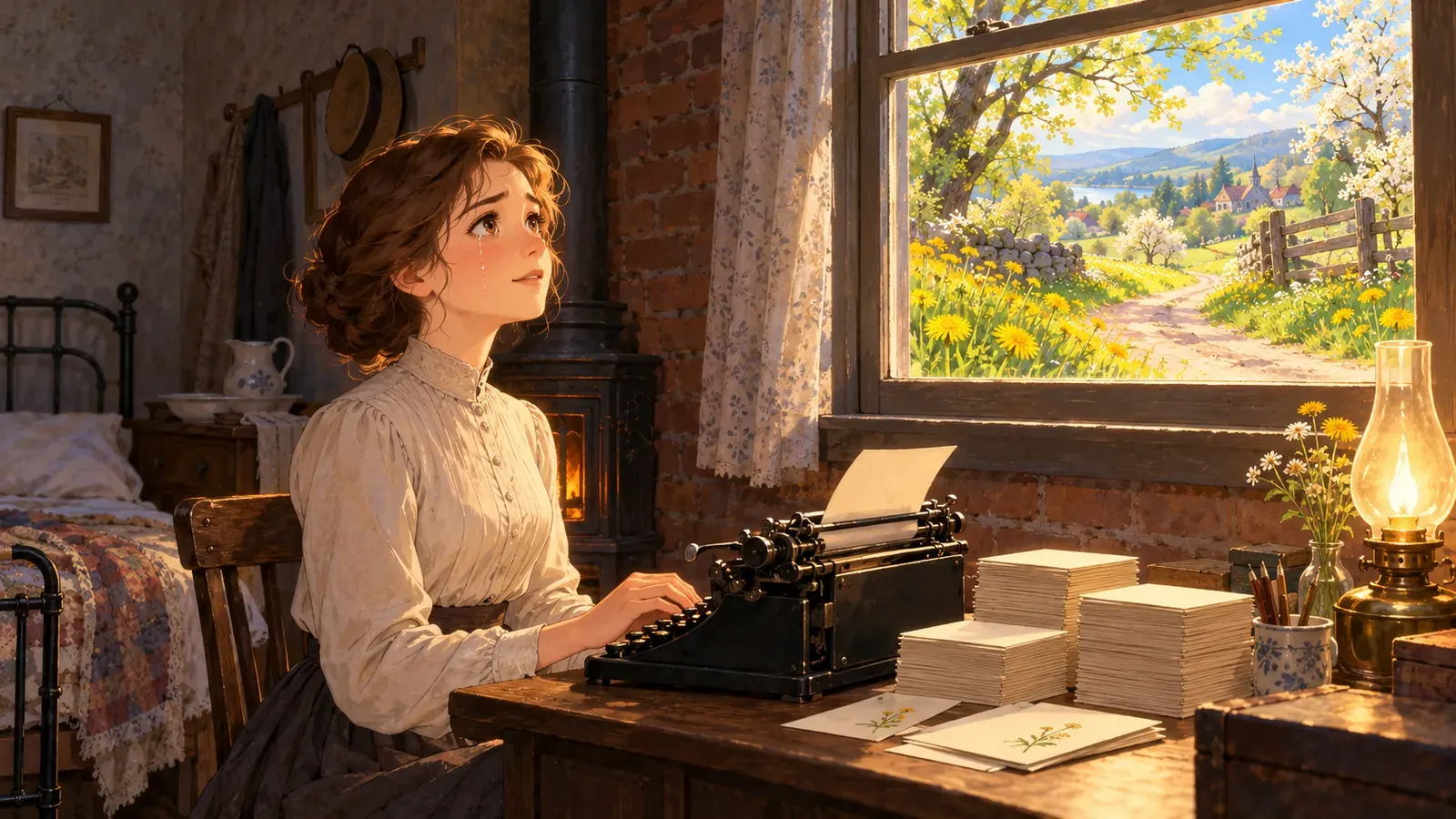
Sarah's room was at the back of the house. Looking out the window she could see the windowless rear brick wall of the box factory on the next street. But the wall was clearest crystal; and Sarah was looking down a grassy lane shaded with cherry trees and elms and bordered with raspberry bushes and Cherokee roses.
サラの部屋は建物の裏側にあった。窓から見えるのは、隣の通りにある箱工場の、窓ひとつない裏のれんが壁だった。だが、その壁はサラにとって、透きとおった水晶だった。サラの目には、草の茂った小道が見えていた。桜と楡が木陰をつくり、木苺の茂みとチェロキー・ローズが両側を縁どる小道である。
Spring's real harbingers are too subtle for the eye and ear. Some must have the flowering crocus, the wood-starring dogwood, the voice of bluebird—even so gross a reminder as the farewell handshake of the retiring buckwheat and oyster before they can welcome the Lady in Green to their dull bosoms. But to old earth's choicest kin there come straight, sweet messages from his newest bride, telling them they shall be no stepchildren unless they choose to be.
本当に春を告げるものは、あまりにかすかで、目にも耳にもとらえられない。人によっては、はっきりした合図がないと、春という緑の衣の貴婦人を、鈍い心に迎え入れることができない。咲きはじめたクロッカス。森に星を散らしたように咲くハナミズキ。ルリツグミの歌声。いや、冬の名物のそば粉のパンケーキと牡蠣が、別れの握手をして引っこんでいく、といった野暮な合図がないとだめな人もいる。だが、年老いた大地がいちばん愛する身内のもとには、大地が新しく迎えた花嫁、つまり春から、甘い便りがまっすぐに届く。自分から望まないかぎり、おまえたちを継子扱いすることはない、という便りである。
On the previous summer Sarah had gone into the country and loved a farmer.
その前の夏、サラは田舎へ出かけ、一人の農夫に恋をした。
(In writing your story never hark back thus. It is bad art, and cripples interest. Let it march, march.)
(諸君が物語を書くときには、こんなふうに過去へ話を戻してはいけない。下手なやり方で、読む人の興味をそいでしまう。話は前へ、前へと進めるべきである)
Sarah stayed two weeks at Sunnybrook Farm. There she learned to love old Farmer Franklin's son Walter. Farmers have been loved and wedded and turned out to grass in less time. But young Walter Franklin was a modern agriculturist. He had a telephone in his cow house, and he could figure up exactly what effect next year's Canada wheat crop would have on potatoes planted in the dark of the moon.
サラはサニーブルック農場に二週間泊まった。そこで、フランクリン老人の息子ウォルターを好きになった。農夫というものは、もっと短いあいだに恋をされ、結婚し、あとは牧場に放し飼いにされてきたものだ。だが、若いウォルター・フランクリンは近代的な農業家だった。牛小屋に電話を引いていた。来年のカナダの小麦の出来が、新月の闇夜に植えたじゃがいもにどう響くかを、きちんと計算することもできた。
It was in this shaded and raspberried lane that Walter had wooed and won her. And together they had sat and woven a crown of dandelions for her hair. He had immoderately praised the effect of the yellow blossoms against her brown tresses; and she had left the chaplet there, and walked back to the house swinging her straw sailor in her hands.
ウォルターが求愛し、サラの心をつかんだのは、この木陰の、木苺の茂る小道だった。二人は並んで座り、サラの髪にのせるタンポポの冠を編んだ。ウォルターは、黄色い花がサラの褐色の髪によく映えると、これでもかとほめちぎった。サラは花冠をそこに置いたまま、麦わら帽子を手でぶらぶらさせながら、家へ歩いて帰った。
They were to marry in the spring—at the very first signs of spring, Walter said. And Sarah came back to the city to pound her typewriter.
二人は春に結婚することになっていた。春のしるしが見えたら真っ先に、とウォルターは言った。そしてサラは、タイプライターをたたくために町へ戻ってきたのだった。
A knock at the door dispelled Sarah's visions of that happy day. A waiter had brought the rough pencil draft of the Home Restaurant's next day fare in old Schulenberg's angular hand.
ドアをノックする音が、その幸せな日の思い出を吹き払った。給仕が、家庭料理店の翌日の献立を届けに来たのだ。シューレンバーグ老人が、角ばった字で鉛筆書きした下書きである。
Sarah sat down to her typewriter and slipped a card between the rollers. She was a nimble worker. Generally in an hour and a half the twenty-one menu cards were written and ready.
サラはタイプライターの前に座り、ローラーのあいだにカードを一枚差しこんだ。サラは仕事が速かった。たいてい一時間半もあれば、二十一枚の献立表を打ち終えた。
To-day there were more changes on the bill of fare than usual. The soups were lighter; pork was eliminated from the entrées, figuring only with Russian turnips among the roasts. The gracious spirit of spring pervaded the entire menu. Lamb, that lately capered on the greening hillsides, was becoming exploited with the sauce that commemorated its gambols. The song of the oyster, though not silenced, was dimuendo con amore. The frying-pan seemed to be held, inactive, behind the beneficent bars of the broiler. The pie list swelled; the richer puddings had vanished; the sausage, with his drapery wrapped about him, barely lingered in a pleasant thanatopsis with the buckwheats and the sweet but doomed maple.
今日は、献立にいつもより多くの変更があった。スープは軽いものになった。豚肉はアントレから消え、ロースト料理の欄にロシア蕪と一緒に名前が残るだけになった。春のやさしい気配が、献立全体に行きわたっていた。ついこのあいだまで緑の丘を跳ね回っていた子羊が、その跳ね回る姿にちなんだソースを添えて出されるようになった。牡蠣の歌はまだ聞こえるが、愛をこめて、だんだん弱くなっていた。フライパンは、ありがたいグリルの鉄格子の向こうに引っこんで、出番がないようだった。パイの品数は増え、こってりしたプディングは消えた。ソーセージは、皮の衣をまとったまま、そば粉のパンケーキや、甘いが消えゆく運命のメープルシロップと一緒に、静かに死を待ちながら、かろうじて残っていた。
Sarah's fingers danced like midges above a summer stream. Down through the courses she worked, giving each item its position according to its length with an accurate eye. Just above the desserts came the list of vegetables. Carrots and peas, asparagus on toast, the perennial tomatoes and corn and succotash, lima beans, cabbage—and then—
サラの指は、夏の小川の上を舞う羽虫のように踊った。コースを順に打ち進めながら、品名の長さを正確に見て、それぞれをきちんとした位置に置いていく。デザートのすぐ上には、野菜の一覧が来た。にんじんとえんどう豆、アスパラガスのトースト添え、おなじみのトマト、とうもろこし、サコタッシュ、ライマメ、キャベツ、そして、その次は――
Sarah was crying over her bill of fare. Tears from the depths of some divine despair rose in her heart and gathered to her eyes. Down went her head on the little typewriter stand; and the keyboard rattled a dry accompaniment to her moist sobs.
サラは献立表を前にして泣いていた。どうしようもない、深い絶望から湧いた涙が、胸にこみあげ、目にあふれた。サラは小さなタイプライター台に、がっくりと頭を伏せた。すすり泣くたびに、キーボードがかたかたと乾いた音で伴奏した。
For she had received no letter from Walter in two weeks, and the next item on the bill of fare was dandelions—dandelions with some kind of egg—but bother the egg!—dandelions, with whose golden blooms Walter had crowned her his queen of love and future bride—dandelions, the harbingers of spring, her sorrow's crown of sorrow—reminder of her happiest days.
この二週間、ウォルターから一通の手紙も来ていなかったのだ。しかも、献立表の次の品はタンポポだった。タンポポに何かの卵料理が添えてある。卵などどうでもいい! タンポポなのだ。ウォルターがその金色の花で冠を編み、サラを恋の女王に、未来の花嫁にしてくれた、あのタンポポ。春を告げる花、タンポポ。悲しみの上に、さらに悲しみの冠をかぶせる花。いちばん幸せだった日々を思い出させる花。
Madam, I dare you to smile until you suffer this test: Let the Marechal Niel roses that Percy brought you on the night you gave him your heart be served as a salad with French dressing before your eyes at a Schulenberg table d'hôte. Had Juliet so seen her love tokens dishonoured the sooner would she have sought the lethean herbs of the good apothecary.
奥さま、これから申しあげる試練を味わったあとでも笑えるものなら、笑ってごらんなさい。あなたがパーシーに心を捧げた夜、彼が持ってきてくれたマレシャル・ニールの薔薇。その薔薇が、シューレンバーグの定食のテーブルで、フレンチ・ドレッシングをかけたサラダになって、目の前に出てきたとしたら。もしジュリエットが、愛のしるしをそんなふうに汚されるのを見ていたら、もっと早く、親切な薬屋のところへ、すべてを忘れさせる薬草をもらいに行ったことだろう。
But what a witch is Spring! Into the great cold city of stone and iron a message had to be sent. There was none to convey it but the little hardy courier of the fields with his rough green coat and modest air. He is a true soldier of fortune, this dent-de-lion—this lion's tooth, as the French chefs call him. Flowered, he will assist at love-making, wreathed in my lady's nut-brown hair; young and callow and unblossomed, he goes into the boiling pot and delivers the word of his sovereign mistress.
それにしても、春とはなんという魔女だろう! 石と鉄でできた大きな冷たい町に、ある知らせを届けなければならなかった。それを運べる者は、野原の小さくたくましい使者のほかにいなかった。ごわごわした緑の上着を着て、つつましい様子をした使者である。フランスの料理人たちは、これを「ダン・ド・リオン」、つまり「獅子の歯」と呼ぶ。この使者こそ、まことの冒険家だ。花を咲かせれば、貴婦人の栗色の髪に編みこまれて、恋の語らいに立ち会う。まだ若く青く、花をつけていなければ、煮え立つ鍋に飛びこんで、主人である春の女王の言葉を届けるのである。
By and by Sarah forced back her tears. The cards must be written. But, still in a faint, golden glow from her dandeleonine dream, she fingered the typewriter keys absently for a little while, with her mind and heart in the meadow lane with her young farmer. But soon she came swiftly back to the rock-bound lanes of Manhattan, and the typewriter began to rattle and jump like a strike-breaker's motor car.
やがてサラは涙をこらえた。献立表は打たなければならない。それでも、タンポポの夢のほのかな金色の光の中に、まだ半分いた。しばらくのあいだ、心は若い農夫と歩いた牧場の小道に置いたまま、ぼんやりとキーをたたいていた。だが、すぐにマンハッタンの石だらけの通りへ戻ってきた。タイプライターは、スト破りの自動車のように、がたがたと跳ねはじめた。
At 6 o'clock the waiter brought her dinner and carried away the typewritten bill of fare. When Sarah ate she set aside, with a sigh, the dish of dandelions with its crowning ovarious accompaniment. As this dark mass had been transformed from a bright and love-indorsed flower to be an ignominious vegetable, so had her summer hopes wilted and perished. Love may, as Shakespeare said, feed on itself: but Sarah could not bring herself to eat the dandelions that had graced, as ornaments, the first spiritual banquet of her heart's true affection.
六時に給仕が夕食を運んできて、タイプした献立表を持っていった。食事のとき、サラはため息をつきながら、卵をのせたタンポポの皿をわきへよけた。明るく、恋の証にもなった花が、こんな黒っぽい塊の、みじめな野菜に変わってしまった。それと同じように、サラの夏の希望もしおれて、枯れてしまったのだ。シェイクスピアが言ったように、恋は自分自身を食べて生きるものなのかもしれない。だがサラには、このタンポポを食べる気にはどうしてもなれなかった。心から人を愛して、その思いが初めて通じあった日、この花はその喜びの席を飾ってくれたのだから。
At 7:30 the couple in the next room began to quarrel: the man in the room above sought for A on his flute; the gas went a little lower; three coal wagons started to unload—the only sound of which the phonograph is jealous; cats on the back fences slowly retreated toward Mukden. By these signs Sarah knew that it was time for her to read. She got out "The Cloister and the Hearth," the best non-selling book of the month, settled her feet on her trunk, and began to wander with Gerard.
七時半になると、隣の部屋の夫婦が喧嘩を始めた。上の部屋の男は、フルートでラの音を探しはじめた。ガス灯の火が少し細くなった。石炭を積んだ荷馬車が三台、荷下ろしを始めた。蓄音機でさえかなわない、ものすごい音である。裏の塀の上の猫たちは、日露戦争の奉天に向かうかのように、じりじりと退却していった。こうした合図で、サラは読書の時間になったことを知った。サラは『僧院と炉辺』を取り出した。今月いちばん売れていない良書である。トランクの上に足をのせ、主人公ジェラードと一緒に旅に出た。
The front door bell rang. The landlady answered it. Sarah left Gerard and Denys treed by a bear and listened. Oh, yes; you would, just as she did!
玄関の呼び鈴が鳴った。下宿のおかみさんが出た。サラは、ジェラードとデニスが熊に追われて木に登ったところで本を置き、耳をすました。そう、あなただって、きっと同じことをしたはずだ!
And then a strong voice was heard in the hall below, and Sarah jumped for her door, leaving the book on the floor and the first round easily the bear's. You have guessed it. She reached the top of the stairs just as her farmer came up, three at a jump, and reaped and garnered her, with nothing left for the gleaners.
そのとき、下の廊下から力強い声が聞こえた。サラはドアに飛びついた。本は床に放り出したままだ。第一ラウンドは、あっさり熊の勝ちである。もうおわかりだろう。サラが階段の上に着いたちょうどそのとき、あの農夫が三段ずつ駆けあがってきた。そして、実った麦を刈り取るように、サラをすっかり腕に抱きとってしまった。落ち穂ひとつ残さずに。
"Why haven't you written—oh, why?" cried Sarah.
「どうして手紙をくれなかったの? ねえ、どうして?」とサラは叫んだ。
"New York is a pretty large town," said Walter Franklin. "I came in a week ago to your old address. I found that you went away on a Thursday. That consoled some; it eliminated the possible Friday bad luck. But it didn't prevent my hunting for you with police and otherwise ever since!
「ニューヨークってのは、ずいぶん大きな町だね」とウォルター・フランクリンは言った。「一週間前に出てきて、きみの前の住所を訪ねたんだ。そうしたら、きみは木曜日に引っ越したと聞いた。それで少しは気が楽になったよ。少なくとも、縁起の悪い金曜日じゃなかったわけだからね。でも、それからずっと、警察に頼んだり、自分で歩き回ったりして、きみを捜すはめになったんだ!
"I wrote!" said Sarah, vehemently.
「手紙は書いたわ!」サラはむきになって言った。
"Never got it!"
「届いてないよ!」
"Then how did you find me?"
「じゃあ、どうやってわたしを見つけたの?」
The young farmer smiled a springtime smile.
若い農夫は、春らしい笑顔を見せた。
"I dropped into that Home Restaurant next door this evening," said he. "I don't care who knows it; I like a dish of some kind of greens at this time of the year. I ran my eye down that nice typewritten bill of fare looking for something in that line. When I got below cabbage I turned my chair over and hollered for the proprietor. He told me where you lived."
「今晩、隣の家庭料理店にふらりと入ったんだ」とウォルターは言った。「誰に知られたってかまわないけど、ぼくはこの季節になると、何か青物の一皿が食べたくなるんだよ。それで、あのきれいにタイプした献立表に目を走らせて、そういうものはないかと探した。キャベツの下まで来たところで、ぼくは椅子をひっくり返して立ち上がり、店の主人を大声で呼んだ。それで、主人がきみの住まいを教えてくれたのさ」
"I remember," sighed Sarah, happily. "That was dandelions below cabbage."
「覚えてるわ」サラは幸せそうにため息をついた。「キャベツの下は、タンポポだったもの」
"I'd know that cranky capital W way above the line that your typewriter makes anywhere in the world," said Franklin.
「きみのタイプライターは、大文字のWが行からずいぶん上に飛び出すだろう。あの癖のあるWなら、世界じゅうどこにいたって見分けられるさ」とフランクリンは言った。
"Why, there's no W in dandelions," said Sarah, in surprise.
「あら、でもタンポポ(dandelions)にWなんてないわよ」サラは驚いて言った。
The young man drew the bill of fare from his pocket, and pointed to a line.
ウォルターはポケットから献立表を取り出し、ある行を指さした。
Sarah recognised the first card she had typewritten that afternoon. There was still the rayed splotch in the upper right-hand corner where a tear had fallen. But over the spot where one should have read the name of the meadow plant, the clinging memory of their golden blossoms had allowed her fingers to strike strange keys.
それは、その日の午後、サラが最初にタイプしたカードだった。右上の隅には、涙の落ちた跡が、放射状のしみになって残っていた。そして、あの野の草の名前が入るはずの場所には、別の文字が打ってあった。金色の花の思い出が頭から離れず、指が思わず別のキーをたたいてしまったのだ。
Between the red cabbage and the stuffed green peppers was the item:
赤キャベツとピーマンの肉詰めのあいだに、こんな一品があった。
"DEAREST WALTER, WITH HARD-BOILED EGG."
「最愛のウォルター(DEAREST WALTER)、固ゆで卵添え」