
 英語のマジか!?ホント
英語のDutch(オランダの)とドイツ語のDeutsch(ドイツの)は、もとは同じ単語
 2026.10.09
 English Corner(A2〜B2・4択クイズ)
 読む前に予想してみよう!
アメリカの「ペンシルベニア・ダッチ」は、オランダから来た移民の子孫だ
主に18世紀にドイツ南西部やスイスなどから来た、ドイツ語を話す移民の子孫。辞書は、この Dutch をドイツ語の Deutsch から来たものと説明している。
 研究カード(どんな研究?)
- 対象
- 英語・オランダ語・ドイツ語の辞書と歴史資料
- 規模
- 786年〜現代の用例
- 研究の種類
- 歴史言語学(文献調査)
- 確かさ
- ★★★★☆
英語の Dutch(オランダの)とドイツ語の Deutsch(ドイツの)は同じ語。もとの意味は「民衆の(ことば)」。英語では昔ドイツ人も Dutch と呼んだ。
ひとことで言うと「オランダの」と「ドイツの」は、もとは同じ言葉だった!
もくじ
「Dutch(ダッチ)」は英語で「オランダの」。ところがこの単語、ドイツ語で「ドイツの」を意味する Deutsch(ドイチュ)と、もとは同じ言葉です。
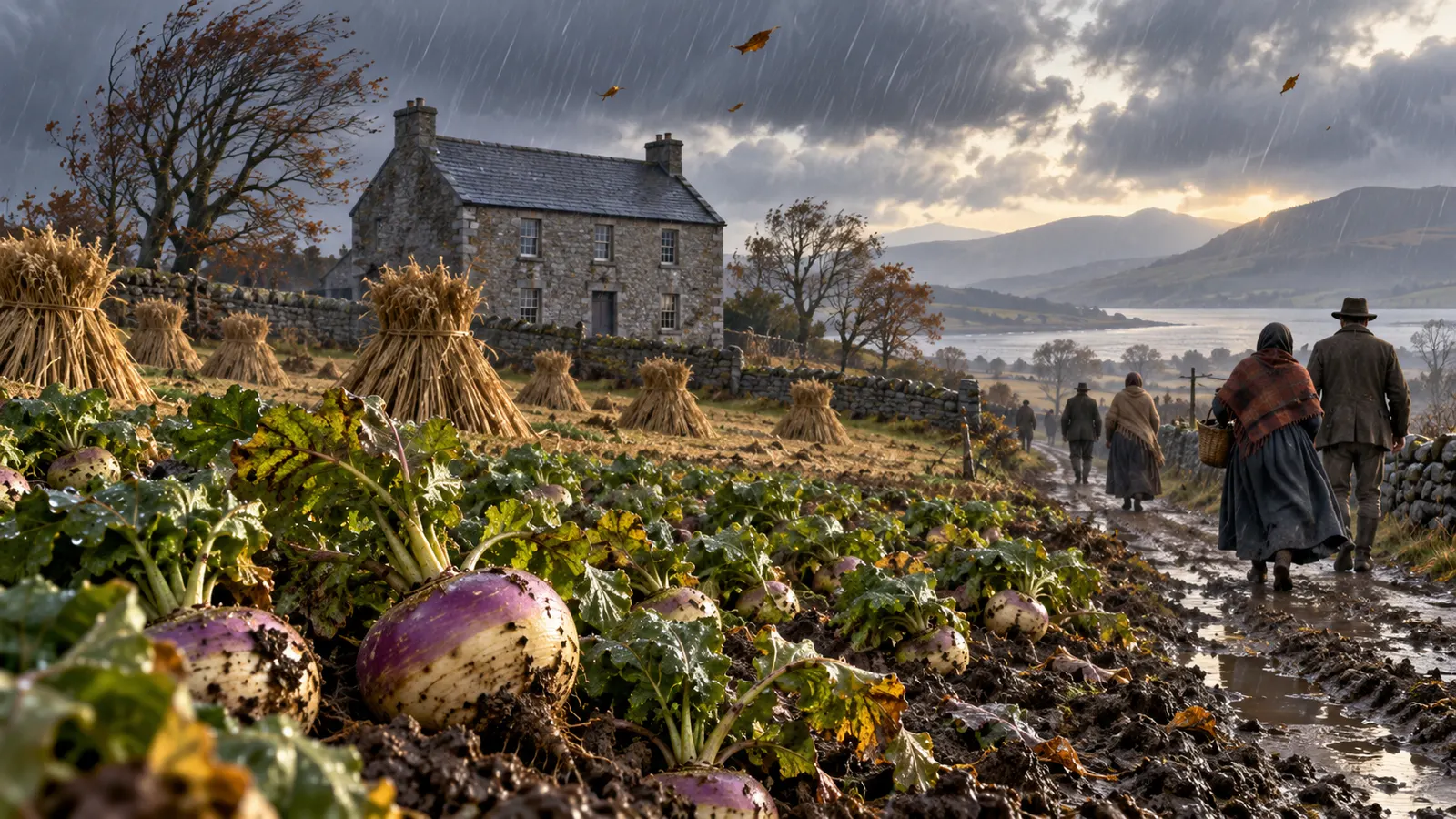
英語では昔、ドイツの人もオランダの人も、まとめて Dutch と呼んでいました。アメリカの「ペンシルベニア・ダッチ(Pennsylvania Dutch)」も、オランダ系ではなくドイツ語を話す移民の子孫です。
しかも、この言葉のいちばん古い意味は国の名前ですらありません。「ラテン語ではない、ふつうの人のことば」でした。
01もとの意味は「民衆の」
アメリカの辞書 Dictionary.com によると、英語の Dutch は1350〜1400年ごろに記録が始まり、中世オランダ語の duutsch(オランダの、ドイツの)から入りました。さかのぼると古高ドイツ語(昔のドイツ語)の diutisc で、意味は「民衆の、庶民の(ことば)」。学者の使うラテン語に対して、ふつうの人が話すことばを指しました。
もとになったのは、ゲルマン語(英語・ドイツ語・オランダ語などの共通の先祖のことば)で「民衆、人々」を表す theudō という語です(American Heritage Dictionary。は、記録には残っていないが、あったと考えられる形)。
オランダ語の語源辞典(Etymologisch Woordenboek van het Nederlands)には、この語の古い記録がくわしく載っています。
ドイツ語の Deutsch も、イタリア語で「ドイツの」を表す tedesco(テデスコ)も、この「民衆の」から生まれた言葉です(イタリアの辞書 Treccani も、tedesco のもとを中世ラテン語の theodiscus、古いドイツ語の「民衆」としています)。

02英語の Dutch は、いつ「オランダ」だけになった?
オックスフォードの学習辞典によると、英語の Dutch はもともと、高地ドイツ語(ドイツの南部・中部のことば)を話す人も、低地ドイツ語(ドイツの北部や今のオランダあたりのことば)を話す人も、両方を指していました。意味がしぼられたのは、オランダが独立に向かう1579年に、ホラント地方の低地ドイツ語を国のことばにしてからです。
American Heritage Dictionary にも今、Dutch の「古い意味」として「ドイツの」「ゲルマン系の民族やことばの」が載っています。
一方、オランダ語の側では逆のことが起きました。オランダ語の duits(ダウツ)は19世紀まで「オランダ語」の意味でも使われ、それから先は「ドイツの」だけを指すようになりました(Etymologisch Woordenboek van het Nederlands)。
英語の Dutch は「オランダ」に、オランダ語の duits は「ドイツ」に。 同じ一語が、英語とオランダ語で別々の国を指すようになったのです。
オランダの国歌「ヴィルヘルムス」(歌詞の最初の記録は1572年、1932年から正式な国歌)にも、この語が出てきます。2行目は「Ben ick van Duytschen Bloedt」。今のオランダ語で読むと「私はドイツの血をひく」に見えます。ただ、16世紀の Duytsch はオランダ語のことも指しました。1584年のオランダ語の文法書は、Duytsch を「フランドルからバルト海の岸まで話されていることば」と説明しています(Etymologisch Woordenboek van het Nederlands)。今の「ドイツ語」より、ずっと広い意味でした。
03「ペンシルベニア・ダッチ」はドイツ系
アメリカのペンシルベニア州には、「Pennsylvania Dutch」と呼ばれる人たちとことばがあります。
American Heritage Dictionary は、Pennsylvania Dutch を「1600年代と1700年代にペンシルベニアに住みついた、ドイツとスイスからの移民の子孫」「ドイツ語の方言」と説明しています。
04go Dutch(割り勘)など、Dutch がつく英語
英語には Dutch を使った言い回しがたくさんあります。American Heritage Dictionary と Dictionary.com で確かめると、こうです(年は Dictionary.com の記録の始まり)。
- go Dutch:割り勘にする。Let's go Dutch.(割り勘にしよう)
- Dutch treat:割り勘の食事や遊び(1870〜1875年)
- Dutch courage:酒の力を借りた勇気(1805〜1815年)
- Dutch uncle:遠慮なく厳しいことを言う人(1820〜1830年)
- double Dutch:2本の縄を使う縄跳び。俗語では「ちんぷんかんぷんな話」(この意味で1875〜1880年)
- in Dutch:困ったことになって、にらまれて
年が分かるものは、どれも19世紀の記録です。なぜ Dutch がつくのか、辞書は理由を書いていません。Dictionary.com は go Dutch・Dutch treat・Dutch uncle などに「オランダの人への悪口と受け取られることがある」という注意をつけています。
05どんでん返し:名前の「その先」は分かっていない
「民衆」を表す *theudō は、さらに古いインド・ヨーロッパ語(英語・ラテン語・ギリシャ語などの共通の先祖)の teutā-(部族)にさかのぼる、と American Heritage Dictionary は説明しています。ラテン語で古代の部族を指した Teutoni(テウトニ)も同じ仲間です。
ところが、オランダ語の語源辞典は慎重です。この語が、ゲルマン語の仲間に共通する古い単語なのかには疑問があり、フランク人のことばで生まれて早くに広がったのかもしれない、と書いています。さらに、インド・ヨーロッパ語より前からヨーロッパにあった別の言語の単語だという見方が、今は有力になっているそうです。
「ペンシルベニア・ダッチ」の Dutch については、American Heritage Dictionary が「ドイツ語の Deutsch がなまった形」、オックスフォードの学習辞典が「ドイツ語の Deutsch から」と書いています。英語の Dutch も昔は「ドイツの」を指していましたが、2つの辞書がこの名前のもととして挙げるのは、ドイツ語の Deutsch のほうです。どちらにしても、行き着く先は同じ「民衆の」という言葉です。
06まとめ
英語の Dutch とドイツ語の Deutsch は、どちらも「民衆の(ことば)」という一語から生まれました。ラテン語に対する「みんなのことば」が、やがて国と人の名前になり、英語では「オランダ」、オランダ語では「ドイツ」を指すようになったのです。
次に go Dutch や Pennsylvania Dutch を見かけたら、その Dutch の中に、1,200年以上前の「ふつうの人のことば」が入っていることを思い出してください。
この研究を英語で読もう原田英語の English CornerAsk an English speaker what "Dutch" means, and you will hear "from the Netherlands." But the word has the… 音声
音声 4択クイズ9問A2・B1・B2タップして開く
原田英語の English Corner
この研究を英語で読もう
In English, "Dutch" means "from the Netherlands." In German, "Deutsch" means "German." The two words look alike because they were once the same word. Long ago, it meant "of the people."
People used it for their everyday language, the one they spoke at home, not Latin. English speakers also called Germans "Dutch" for a long time. Today, some German-speaking Americans in Pennsylvania are called the Pennsylvania Dutch. Their name comes from "Deutsch," not from the Netherlands.
76 words ・ CEFR A2
和訳を見る
英語で「Dutch」は「オランダの」という意味です。ドイツ語で「Deutsch」は「ドイツの」という意味です。この2つの単語が似ているのは、もとは同じ単語だったからです。大昔、その単語は「民衆の」という意味でした。
人々はそれを、ラテン語ではなく、家で話す日常のことばを指すのに使いました。英語を話す人たちは、長いあいだドイツの人のことも「Dutch」と呼んでいました。今、ペンシルベニアに住むドイツ語を話すアメリカ人の一部は「ペンシルベニア・ダッチ」と呼ばれています。この名前は、オランダではなく「Deutsch」から来ています。
4択リーディングクイズ
Q1. What is the passage mainly about?
Dutch と Deutsch がもとは同じ単語だったという、Dutch の由来の話なので B。
Q2. What did the old word mean long ago?
Long ago, it meant "of the people." とあるので B。
Q3. In the passage, what does "everyday language" mean?
直後に the one they spoke at home(家で話すことば)と説明されているので C。
Ask an English speaker what "Dutch" means, and you will hear "from the Netherlands." But the word has the same roots as German "Deutsch." Both come from an old word meaning "of the people."
In the Middle Ages, it was used for the language ordinary people spoke, while scholars wrote in Latin. English took "Dutch" from Middle Dutch in the late 1300s, and for a long time it was used for Germans as well as for people from the Netherlands.
The German side of the word still shows in "Pennsylvania Dutch." Dictionaries say the "Dutch" in this name comes from German "Deutsch." Between 1710 and 1770, about 81,000 German speakers arrived in America through Philadelphia, and many settled in Pennsylvania. Their descendants still call their language "Deitsch."
127 words ・ CEFR B1
和訳を見る
英語を話す人に「Dutch」の意味をたずねれば、「オランダの」という答えが返ってくるだろう。でもこの語は、ドイツ語の「Deutsch」と同じ根をもっている。どちらも「民衆の」という意味の古い単語から来ている。
中世には、学者たちがラテン語で書く一方で、この語はふつうの人々が話すことばを指すのに使われた。英語は1300年代の終わりごろに中世オランダ語から「Dutch」を取り入れ、長いあいだ、オランダの人々だけでなくドイツの人々にも使っていた。
この語の「ドイツ」の側は、「ペンシルベニア・ダッチ」に今も見える。辞書によると、この名前の「Dutch」はドイツ語の「Deutsch」から来ている。1710年から1770年のあいだに、約8万1,000人のドイツ語を話す人々がフィラデルフィアを通ってアメリカに来て、その多くがペンシルベニアに住みついた。その子孫たちは今も、自分たちのことばを「Deitsch」と呼んでいる。
4択リーディングクイズ
Q1. What is the main point of the passage?
the word has the same roots as German "Deutsch" が中心の主張なので A。
Q2. About how many German speakers came through Philadelphia between 1710 and 1770?
about 81,000 German speakers arrived in America through Philadelphia とあるので C。
Q3. Why are the Pennsylvania Dutch called "Dutch"?
Dictionaries say the "Dutch" in this name comes from German "Deutsch." とあるので B。
The oldest record of the word behind "Dutch" and "Deutsch" is a report written in 786. It describes a church meeting in England where the decisions were read out both in Latin and in the people's own language. The Latin form used in the report, "theodisce," was built on a Germanic word for "people," and for centuries the word simply meant the ordinary spoken language.
English borrowed "Dutch" in the 1300s and applied it to speakers of both High and Low German. According to the Oxford Learner's Dictionaries, the meaning narrowed after 1579, when the northern provinces of the Netherlands, then on their way to independence, adopted the language of Holland as their national language. Dutch itself went the other way. Its word "duits" could still refer to the Dutch language until the 1800s, and today it means only "German."
So the same word ended up naming two neighboring countries. Its deeper history is harder to trace. The American Heritage Dictionary connects it to an ancient root meaning "tribe," but a major Dutch etymological dictionary reports that scholars now tend to see it as a word from a language spoken in Europe before Indo-European languages arrived.
196 words ・ CEFR B2
和訳を見る
「Dutch」と「Deutsch」のもとになった語のいちばん古い記録は、786年に書かれた報告である。そこには、イングランドで開かれた教会の会議で、決まったことがラテン語と人々自身のことばの両方で読み上げられたと書かれている。報告で使われたラテン語の形「theodisce」は「民衆」を表すゲルマン語の単語をもとに作られており、何世紀ものあいだ、この語は単にふつうの話しことばを意味していた。
英語は1300年代に「Dutch」を借り入れ、高地ドイツ語と低地ドイツ語の両方を話す人々に使った。オックスフォードの学習辞典によると、意味がしぼられたのは1579年以降で、この年、独立に向かっていたオランダ北部の州が、ホラント地方のことばを国のことばとして採用した。オランダ語のほうは逆の道をたどった。オランダ語の「duits」は1800年代までオランダ語を指すこともあったが、今では「ドイツの」だけを意味する。
こうして同じ単語が、となり合う2つの国の名前になった。もっと古い歴史は、たどるのがむずかしい。アメリカン・ヘリテージ英語辞典はこの語を「部族」を意味する大昔の語根に結びつけているが、オランダの主要な語源辞典は、今では学者たちが、インド・ヨーロッパ語がやって来る前にヨーロッパで話されていた言語の単語とみる傾向にあると伝えている。
4択リーディングクイズ
Q1. What is the passage mainly about?
786年の記録から、英語では「オランダ」、オランダ語では「ドイツ」を指すようになった流れを説明し、So the same word ended up naming two neighboring countries. とまとめているので B。
Q2. According to the passage, what happened at the meeting described in the 786 report?
the decisions were read out both in Latin and in the people's own language とあるので A。
Q3. What can be inferred from the last two sentences?
AHD は「部族」を意味する語根に結びつけ、オランダの語源辞典は別の見方を伝えているので、大もとの起源について専門家の見方が分かれていると推測できる。C。
重要単語
- DutchA2形容詞・名詞オランダの;オランダ語;(古)ドイツのMy uncle lives in Amsterdam and speaks Dutch.
 国名は the Netherlands、国民全体は the Dutch。ドイツ語の Deutsch(ドイツの)と同じ語から来ている。
 - GermanA2形容詞・名詞ドイツの;ドイツ人;ドイツ語She is learning German because she wants to study in Berlin. Dutch(オランダの)と混同しやすいので注意。German はラテン語の Germanus から。
- immigrantB1名詞(外国から来た)移民Her great-grandparents were immigrants from Germany. im-(中へ)+migrate(移る)。外へ出ていく人は emigrant。
- descendantB2名詞子孫He is a descendant of farmers who came from Switzerland. descend(下る)+-ant(人)。反対の「祖先」は ancestor。
- dialectB2名詞方言Pennsylvania Dutch started as a dialect of German. speak in a local dialect「地元の方言で話す」。accent(なまり)は主に発音、dialect は語彙や文法まで含む。
- vernacularC1名詞(その土地の)日常のことば、話しことばThe rules were read in Latin and in the vernacular. 中世ヨーロッパでは、ラテン語に対する「みんなの話すことば」を指した。Deutsch のもとの意味に近い。
- go DutchB1熟語割り勘にするLet's go Dutch on lunch today. くだけた言い方。相手によっては split the bill(会計を分ける)のほうが無難。
 公式・一次情報をチェック
- The Wilhelmus: music, lyrics and customs(The Royal House of the Netherlands)royal-house.nl
- tedesco(Vocabolario Treccani)treccani.it
- Dutch courage(Dictionary.com)dictionary.com
このネタ、誰かに教えたくなった?
英語の Dutch は「オランダの」。でもドイツ語の Deutsch(ドイツの)と、もとは同じ単語。意味は「ラテン語ではない、ふつうの人のことば」。アメリカの「ペンシルベニア・ダッチ」もオランダ系ではなく、ドイツ語を話す人たちです。
押すと「マジかリスト」に保存されます
 出典・参考文献(5件)タップで表示
- The American Heritage Dictionary「Dutch」「Pennsylvania Dutch」ahdictionary.com
- Oxford Learner's Dictionaries「Dutch」「Pennsylvania Dutch」(Word Origin)oxfordlearnersdictionaries.com
- Dictionary.com「Dutch」(Origin)dictionary.com
- Philippa ほか (2003–2009) Etymologisch Woordenboek van het Nederlands「diets / duits」(etymologiebank.nl)etymologiebank.nl
- Louden (2025) Pennsylvania Dutch, Yearbook of German-American Studies, Supplemental Issue 6doi.org

※本記事は上記の研究・公開資料をもとに、原田英語が独自の言葉で解説したものです。引用は著作権法第32条の範囲で行い、出典を明記しています。画像はすべてオリジナルのイメージです。研究結果には限界や個人差があります。誤りのご指摘は原田英語のお問い合わせフォームから。
本館
マジカ!?サイエンスで読む、ことばの研究
論文でウラ取りした科学の「マジか!?」。言語・脳・学習の研究も