夢のあとに
After a Dream
フォーレ・1877頃
夢の中で会えた恋人。でも目がさめると…。切なさあふれる歌。
夢のあとにのページへRomantic · 1845–1924
「フランス歌曲の名匠」The master of French song
 パミエ(フランス)
 パリ(フランス)6 曲を収録
『レクイエム』『夢のあとに』…静かな美しさで心をいやすフランスの名匠。A master of calm, glowing beauty who soothes the soul.
 フォーレの名曲を聴く
フォーレ・1877頃
夢の中で会えた恋人。でも目がさめると…。切なさあふれる歌。
夢のあとにのページへフォーレ・1880
チェロがすすり泣き、やがてあらしのように叫ぶ。悲しみの名曲。
エレジー ハ短調のページへフォーレ・1887
フルートがそっと歌い出す、夕暮れのように美しい名曲。
パヴァーヌ 嬰ヘ短調のページへフォーレ・1887
ピアノが踊るメヌエットに、歌がそっと重なる。月夜の仮面の宴。
月の光(歌曲)のページへフォーレ・1887–1888(7曲の版は1893年、大編成版は1900年)
やさしい歌声が天にのぼる。こわくない、やすらぎのレクイエム。
レクイエム より「ピエ・イエズ」のページへフォーレ・1893(組曲は1893–1896)
小さな女の子のために書かれた、ゆりかごのようにやさしい連弾曲。
組曲「ドリー」より「子守歌」のページへ
ホー!フォーレは9歳で親元を離れ、パリの学校で11年も学んだんだ。
 生涯 Life Story
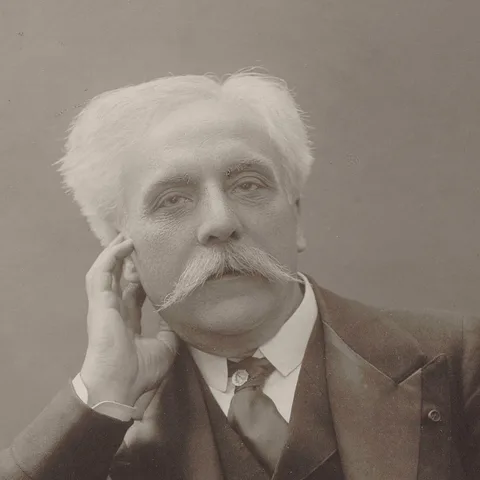
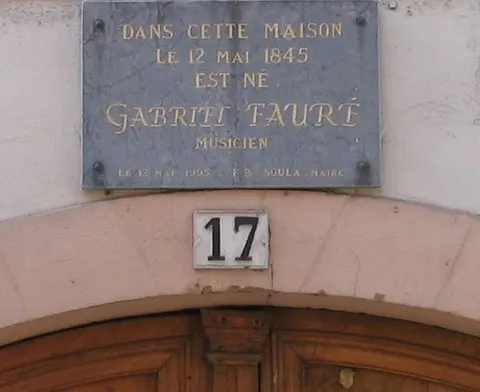
フォーレは1845年、南フランスの町パミエで、学校の先生の家に6人きょうだいの末っ子として生まれました。小さいころ、近くの礼拝堂にあったハーモニウム(足踏みオルガン)を弾いて楽しんでいたと言われます。その才能に気づいた人のすすめで、9歳でパリのニデルメイエール音楽学校に入り、教会音楽を中心に11年間、寄宿生活を送りながら学びました。Fauré was born in 1845 in Pamiers, a town in the south of France, the youngest of six children of a schoolteacher. As a little boy, he is said to have loved playing the harmonium, a small pedal organ, in a nearby chapel. Someone noticed his talent, and at nine he was sent to the École Niedermeyer in Paris, a boarding school for church music, where he studied for eleven years.
1861年からは、新しく先生になったサン=サーンスに学び、2人は生涯の友になります。卒業後は教会のオルガニストとして働き、パリのマドレーヌ寺院の聖歌隊長、のちに首席オルガニストを務めました。歌曲『夢のあとに』、『パヴァーヌ』(1887)、『シシリエンヌ』、そして『レクイエム』(1888年に最初の版を初演)など、静かで上品な名作を生み出しました。From 1861 he studied with his new teacher, Camille Saint-Saëns, and the two became lifelong friends. After graduating, he worked as a church organist, becoming choirmaster and later chief organist at the Madeleine church in Paris. He wrote quiet, elegant masterpieces such as the song Après un rêve, the Pavane (1887), the Sicilienne, and the Requiem, first performed in an early version in 1888.
1877年、有名な歌手ポーリーヌ・ヴィアルドの娘マリアンヌと婚約しましたが、解消されて深く傷つきました。1883年に彫刻家フレミエの娘マリーと結婚します。お金のために教会の仕事や個人レッスンに追われ、作曲できるのはおもに夏休みでした。1896年にはパリ音楽院の作曲の教授になり、ラヴェルやナディア・ブーランジェらを育てました。In 1877 he became engaged to Marianne Viardot, daughter of the famous singer Pauline Viardot, but she broke it off, leaving him heartbroken. In 1883 he married Marie Fremiet, daughter of the sculptor Emmanuel Frémiet. To earn a living he was kept busy with church work and private lessons, so he mostly composed during the summer holidays. In 1896 he became professor of composition at the Paris Conservatoire, where his students included Maurice Ravel and Nadia Boulanger.
1905年から1920年までパリ音楽院の院長を務め、古い制度を思い切って改革しました。一方で晩年は耳が悪くなり、高い音と低い音がゆがんで聞こえる苦しみの中でも作曲を続けました。1924年11月4日、パリで79歳で亡くなり、マドレーヌ寺院で行われた国葬では、自身の『レクイエム』が演奏されました。From 1905 to 1920 he was director of the Paris Conservatoire and boldly reformed its old-fashioned system. In his later years, however, he lost much of his hearing, and high and low notes sounded distorted to him, yet he kept composing. He died in Paris on 4 November 1924, aged 79, and at his state funeral in the Madeleine, his own Requiem was performed.
Fauré was born in the south of France in 1845. At nine, he went to a music school in Paris. Later, he played the organ at a big church. He wrote a gentle Requiem and many beautiful songs. He also became the head of a famous music school.フォーレは1845年、南フランスで生まれました。9歳で、パリの音楽学校に入りました。のちに大きな教会でオルガンを弾きました。やさしい『レクイエム』や、美しい歌をたくさん書きました。有名な音楽学校の校長にもなりました。
 これだけは!鉄板情報 Must-Know Facts
 あっと驚くネタ Surprising Stories
 タップすると答えが開きます
ふつうのレクイエムには、最後の審判のおそろしさを歌う「怒りの日」という激しい部分があります。ところがフォーレは、この部分をほとんど入れず、代わりに天国へ導く「楽園にて」を最後に置きました。そのため、やさしく包みこむようなレクイエムになったのです。
Most Requiems include the Dies irae, or Day of Wrath, a fierce section about the terrors of the Last Judgment. Fauré left almost all of it out and ended instead with In Paradisum, which leads the soul to heaven. That is why his Requiem feels so gentle and comforting.
おだやかな人がらで知られたフォーレですが、パリ音楽院の院長になると、古い教え方や決まりを次々に改めました。そのきびしい改革ぶりから、フランス革命の指導者の名をとって「ロベスピエール」とあだ名されたと言われています。
Fauré was known as a gentle person, but as director of the Paris Conservatoire he swept away many old methods and rules. Because of his tough reforms, he is said to have been nicknamed Robespierre, after a leader of the French Revolution.
1905年、すでに才能を認められていたラヴェルが、若手作曲家のための「ローマ大賞」の予選で落とされ、大問題になりました。この騒ぎで音楽院の院長が辞め、そのあとを継いだのがラヴェルの先生フォーレでした。弟子の事件が、師匠を院長にしたのです。
In 1905, Ravel, already a respected composer, was knocked out in the early round of the Prix de Rome, causing a scandal. The director of the Conservatoire resigned, and the man who replaced him was Ravel's own teacher, Fauré. A pupil's misfortune helped put his teacher in charge.
晩年のフォーレは耳が悪くなり、とくに高い音と低い音がゆがんで聞こえるようになりました。音楽院の院長という立場もあり、彼はこの病気をできるだけ人に知られないようにしていたと言われます。それでも最後まで、透きとおった美しい作品を書き続けました。
In his later years Fauré lost much of his hearing, and high and low notes in particular sounded distorted. As director of the Conservatoire, he is said to have tried hard to keep his condition secret. Even so, he kept writing music of crystal-clear beauty to the end.
ピアノ連弾の組曲『ドリー』は、フォーレが親しかったバルダック家の幼い娘エレーヌ(愛称ドリー)のために書いた曲です。のちにドリーの母エンマは作曲家ドビュッシーと結婚したため、ドリーはドビュッシーの義理の娘になりました。
Fauré wrote his piano duet suite Dolly for little Hélène Bardac, nicknamed Dolly, the daughter of friends. Later, Dolly's mother Emma married the composer Claude Debussy, so the real Dolly became Debussy's stepdaughter.
フルートのメロディーが美しい『パヴァーヌ』は、オーケストラだけで演奏されることが多い曲です。でもじつは、合唱を加えて歌う版もあります。歌詞は詩人ロベール・ド・モンテスキウが書いたもので、恋人たちのかけひきを軽やかに歌っています。
The Pavane, with its lovely flute melody, is usually played by orchestra alone. But there is also a version with chorus. The words, by the poet Robert de Montesquiou, playfully describe the games that lovers play.
FAMOUS WORDS
“It is thus that I see death: as a happy deliverance, an aspiration towards happiness above, rather than as a painful experience.”わたしは死をこのように感じています。死とは、つらい体験というより、幸せな解放であり、天上の幸福へのあこがれなのです。
— Gabriel Fauré(1902年、『レクイエム』について語ったインタビュー(ルイ・アゲッタンによる)) 肖像画・写真・自筆譜 Gallery (Public Domain)
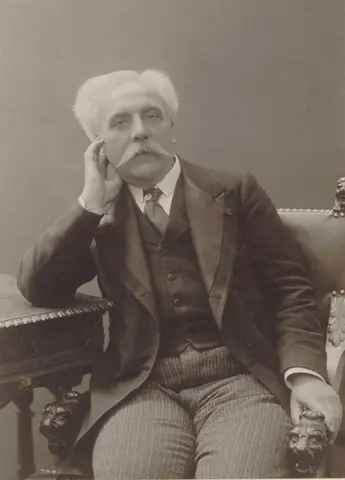
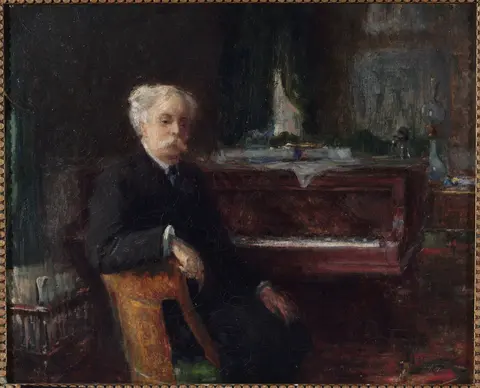
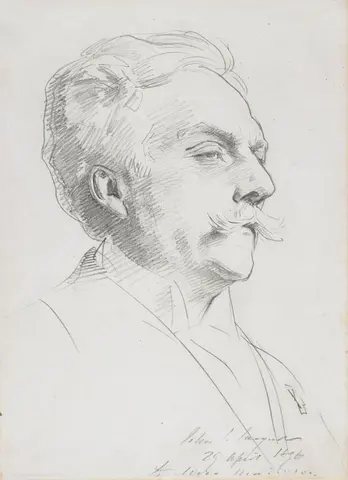
Wikimedia Commons でパブリックドメイン(または CC0)と確認した画像です。クリックで拡大。
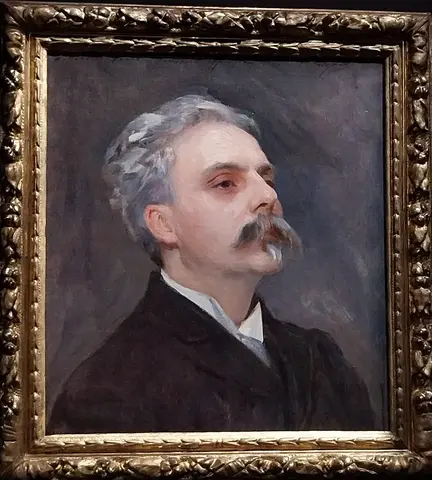
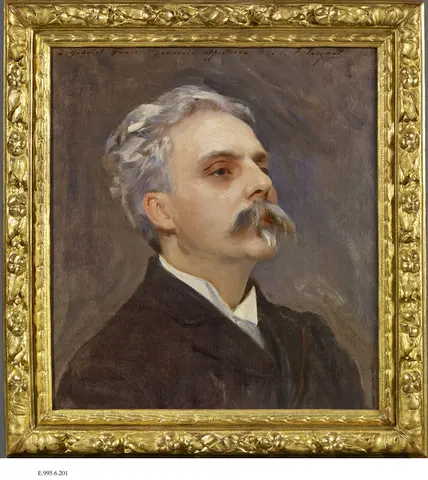
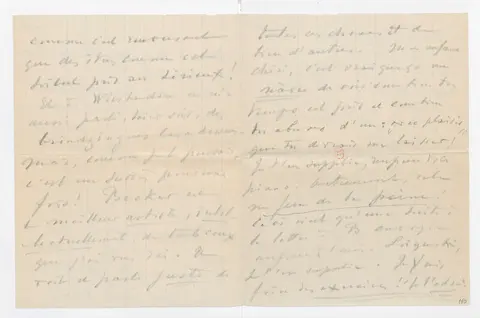
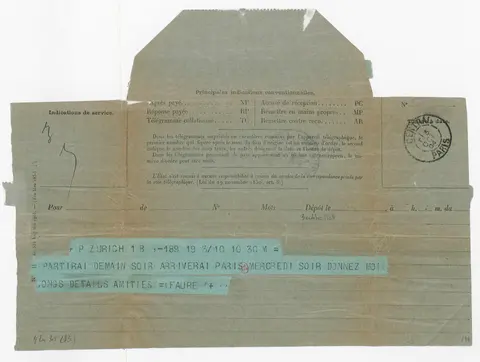
 年表 Timeline
 フォーレで覚える英単語 Words
 クイズに挑戦 Quiz
MORE COMPOSERS


 MP3