
ダイドーの嘆き
Dido's Lament
パーセル・by 1689
「わたしを覚えていて」。くり返す低音にのせた、胸をうつ別れの歌。
歌劇「ダイドーとエネアス」より「ダイドーの嘆き」のページへ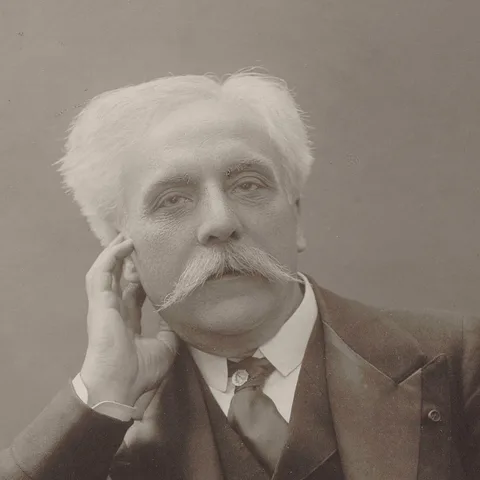
Chamber · Op. 24 · 1880
ガブリエル・フォーレ(1845–1924)
チェロがすすり泣き、やがてあらしのように叫ぶ。悲しみの名曲。The cello weeps, then cries out like a storm.
PUBLIC DOMAIN RECORDING
PD / CC0 無料でダウンロードOKWATCH ON YOUTUBE
 Gabriel Fauré - Élégie for cello and orchestra Op. 24, Anna Grondalska - cello
Akademia Filmu i Telewizji(YouTube) YouTube で開く ↗
Fauré, Élégie Op. 24 | 포레 엘레지, 가을밤에 듣는 첼로 연주🍂
CelloDeck(YouTube) YouTube で開く ↗
左の音源は権利が切れた録音なのでダウンロードできます。右の動画は YouTube の公式の埋め込みで見るもので、ダウンロードはできません(動画の権利は各チャンネルにあります)。
 もっと名演を観る YouTube で何百万回も再生された人気の演奏
Fauré : Elégie en ut mineur op 24 (Sol Gabetta)
France Musique concerts(YouTube) YouTube で開く ↗
Gabriel Fauré, Élégie Op. 24 (1880)|Nadège Rochat, cello
Nadège Rochat(YouTube) YouTube で開く ↗
Elegy (Fauré) - LUKA SULIC
LUKA SULIC(YouTube) YouTube で開く ↗

ホー!この曲、もとはチェロ・ソナタの一部になるはずだったんだよ。
 この曲のおはなし The Story
「エレジー」は、フォーレが1880年に書いた、チェロとピアノのための曲です。エレジーとは「悲しみの歌(悲歌)」のこと。ピアノの重い和音の上で、チェロが低く悲しいメロディーを歌い始め、まん中ではあらしのように激しく盛り上がり、最後はまた静かな悲しみにもどって、おだやかに終わります。Élégie is a piece for cello and piano that Fauré wrote in 1880. An elegy is a song of sorrow. Over heavy piano chords, the cello begins a low, sad melody. In the middle, the music rises like a storm, and then it returns to quiet sorrow and ends peacefully.
フォーレは1880年、チェロ・ソナタを書こうとして、まずゆっくりした楽章から作りました。でもソナタは完成せず、その楽章だけが「エレジー」として1883年に出版されたのです。同じ年、チェリストのジュール・ローブとフォーレのピアノで初演され、曲はローブにささげられました。In 1880, Fauré started to write a cello sonata, beginning with the slow movement. But the sonata was never finished, and only that movement was published, as Élégie, in 1883. That same year it was first performed by the cellist Jules Loëb with Fauré at the piano, and the piece was dedicated to Loëb.
のちに指揮者コロンヌのたのみで、フォーレはチェロとオーケストラのための版を作りました。1901年の初演では、若き名チェリスト、パブロ・カザルスが独奏し、フォーレ自身が指揮をしました。チェロの深い音色を生かしたこの曲は、今もチェリストにとって大切なレパートリーです。Later, at the request of the conductor Édouard Colonne, Fauré made a version for cello and orchestra. At its premiere in 1901, the young star cellist Pablo Casals played the solo, and Fauré himself conducted. Because it shows off the cello's deep voice so well, it is still an important piece for cellists.
This is a sad song for cello and piano. The cello sings low and slow. In the middle, the music becomes strong, like a storm. Then it is quiet again. Fauré wanted to write a longer piece, but he only finished this part.これは、チェロとピアノのための悲しい曲です。チェロが低く、ゆっくり歌います。まん中では、音楽があらしのように強くなります。それから、また静かになります。フォーレはもっと長い曲を書きたかったのですが、この部分しか完成させませんでした。
 聴きどころ Listening Guide
 えっ!?ネタ Surprising Facts
 タップすると答えが開きます
フォーレが書こうとしたチェロ・ソナタは、結局完成しませんでした。残ったのは、この「エレジー」になったゆっくりの楽章だけ。フォーレが本当にチェロ・ソナタを2曲書いたのは、40年近くあとの晩年、1917年と1921年のことです。
The cello sonata Fauré planned was never finished. All that was left was the slow movement that became Élégie. Fauré finally wrote two real cello sonatas almost 40 years later, near the end of his life, in 1917 and 1921.
オーケストラ版の初演でソロを弾いたパブロ・カザルスは、のちに20世紀を代表するチェリストになり、バッハの「無伴奏チェロ組曲」を世に広めたことでも知られています。若き天才と作曲家の共演は、この曲にとって最高の門出でした。
Pablo Casals, who played the solo at the orchestral premiere, became one of the greatest cellists of the 20th century. He is also famous for making Bach's Cello Suites popular. A young genius playing with the composer: what a start for this piece!
「エレジー」は、チェロを習う人がいつかは弾いてみたい曲の1つで、発表会やコンクールでもよく取り上げられます。低い音のつぶやきから高い音の叫びまで、チェロという楽器の魅力が、たった1曲にぎゅっとつまっているからです。
Élégie is one of the pieces every cello student hopes to play someday, and it often appears at recitals and competitions. From low murmurs to high cries, it packs all the charm of the cello into a single piece.
「悲歌」という題名ですが、特定のだれかの死のために書かれたという話は知られていません。フォーレがどんな気持ちで書いたのかは、わかっていないのです。だからこそ、聴く人それぞれが、自分の悲しみを重ねて聴くことができる曲だと言えるでしょう。
Although it is called an elegy, it is not known to have been written for any particular person's death. We don't know what Fauré was feeling when he wrote it. Perhaps that is why each listener can bring their own sadness to it.
ENGLISH × MASTERPIECE
 自分の2本の足で立つ、ということ。人の助けなしにやっていけるという意味です。
 この曲で覚える英単語 Words
 クイズに挑戦 Quiz
 この録音について(著作権・出典) Credits
MORE MASTERPIECES
パーセル・by 1689
「わたしを覚えていて」。くり返す低音にのせた、胸をうつ別れの歌。
歌劇「ダイドーとエネアス」より「ダイドーの嘆き」のページへ
バッハ・c. 1703–1707 (?)
音楽の授業でおなじみ!4つの声が同じテーマで追いかけっこ。
小フーガ ト短調のページへバッハ・c. 1706–1713
足が弾く低いテーマが21回!重くて壮大な、オルガンの大建築。
パッサカリアとフーガ ハ短調のページへ
ヘンデル・1711
「泣かせてください」と歌う、深い悲しみに満ちた名アリア。
私を泣かせてください(歌劇『リナルド』より)のページへ
クープラン・published 1717
題名の意味はだれも知らない!やわらかく波打つ、なぞの名曲。
神秘的なバリケードのページへ
マルチェッロ・published c. 1717
胸にしみるアダージョ!バッハも編曲したオーボエの名曲。
オーボエ協奏曲 ニ短調のページへバッハ・c. 1720
チェロ1本だけで、こんなに豊かな世界が広がる!
無伴奏チェロ組曲 第1番 ト長調のページへバッハ・c. 1720
ヴァイオリン1本で、宇宙のように大きな世界を描く傑作。
無伴奏ヴァイオリン・パルティータ第2番 ニ短調より「シャコンヌ」のページへ
 MP3