
ダイドーの嘆き
Dido's Lament
パーセル・by 1689
「わたしを覚えていて」。くり返す低音にのせた、胸をうつ別れの歌。
歌劇「ダイドーとエネアス」より「ダイドーの嘆き」のページへ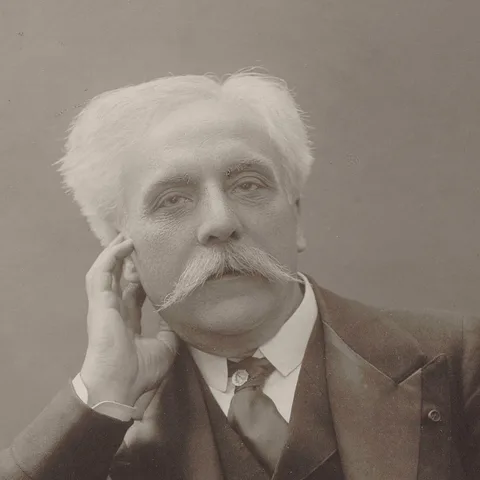
Song · Op. 7 No. 1 · 1877頃
ガブリエル・フォーレ(1845–1924)
夢の中で会えた恋人。でも目がさめると…。切なさあふれる歌。You meet your love in a dream, then you wake up…
WATCH ON YOUTUBE
この曲は、権利の切れた高音質の録音がまだ見つからないため、YouTube の公式チャンネルなどの名演でお楽しみください(ダウンロードはできません)。YouTube でほかの演奏もさがす ↗
 Sabine Devieilhe, Alexandre Tharaud – Fauré: "Après un rêve"
Warner Classics(YouTube) YouTube で開く ↗
Sheku Kanneh-Mason - Fauré: Après un rêve for cello & piano
ShekuKannehMasonVEVO(YouTube) YouTube で開く ↗
María Dueñas, Itamar Golan – Fauré: I. Après un rêve (Version for Violin and Piano)
Deutsche Grammophon - DG(YouTube) YouTube で開く ↗
Gabriel Fauré - Apres un Reve, Cello and Piano
Captain Rutlidge(YouTube) YouTube で開く ↗
Fauré: Après un rêve - Véronique Gens
civileso(YouTube) YouTube で開く ↗

ホー!この歌はチェロなど楽器だけでもよく演奏されるんだ。歌詞がなくても切ないね。
 この曲のおはなし The Story
「夢のあとに」は、フォーレが若いころ、1877年ごろに書いた歌曲です。夢の中で光かがやく恋人に出会い、2人で空へ飛び立つ幸せを味わったのに、目がさめると現実にもどってしまう――。「もどってきて、神秘の夜よ」と、夢の続きを願う気持ちが歌われます。ピアノの和音が、ゆったりと静かに歌をささえます。Après un rêve (After a Dream) is a song that Fauré wrote as a young man, around 1877. In a dream, the singer meets a shining lover, and together they fly toward the sky. But then the singer wakes up to reality. 'Come back, oh mysterious night!' the song cries, wishing the dream would return. Slow, quiet piano chords support the voice.
歌詞は、作者不明のイタリアの詩を、フォーレの友人で歌手のロマン・ビュシーヌが、フランス語に自由に訳したものです。フォーレはほかの2つの歌といっしょにこの曲を出版し、のちに3曲まとめて「作品7」という番号がつけられました。夢見るようなメロディーは、フォーレの歌曲の中でもとくに人気があります。The words are a free French version, by Fauré's friend the singer Romain Bussine, of an Italian poem by an unknown writer. Fauré published it along with two other songs, and later the three were given the number Opus 7. Its dreamy melody makes it one of Fauré's most popular songs.
この歌は、声だけでなく楽器でもよく演奏されます。とくに名チェリストのパブロ・カザルスが編曲したチェロ版が知られ、ヴァイオリンやフルートでも弾かれます。歌詞がなくても、夢からさめたさびしさが伝わってくるのは、メロディーそのものが深い気持ちをもっているからでしょう。This song is often played on instruments as well as sung. The cello version arranged by the great cellist Pablo Casals is especially well known, and it is also played on the violin and flute. Even without words, you can feel the sadness of waking from a dream, because the melody itself is so full of feeling.
This is a love song. A person meets their love in a dream. They fly up into the sky together. But then the person wakes up. 'Come back, night!' they sing. Cellists love to play this song, too.これは恋の歌です。ある人が、夢の中で恋人に会います。2人はいっしょに空へ飛んでいきます。でも、その人は目をさましてしまいます。「もどってきて、夜よ!」と歌います。チェロを弾く人たちも、この歌を弾くのが大好きです。
 聴きどころ Listening Guide
 えっ!?ネタ Surprising Facts
 タップすると答えが開きます
「作品7の1」という番号は、曲が作られたときにはついていませんでした。最初に出版されてから約20年後の1890年代になって、整理のためにあとからつけられたのです。フォーレの若いころの作品には、こうした「後づけ」の番号がよくあります。
The number 'Op. 7 No. 1' was not given when the song was written. It was added in the 1890s, about 20 years after the song was first published, to put Fauré's works in order. Many of Fauré's early works have numbers added later like this.
フランス語の歌ですが、もとになったのは作者のわからないイタリアの詩でした。訳したロマン・ビュシーヌは歌の先生でもあり、フランスの新しい音楽を広める「国民音楽協会」を作った1人です。フォーレの初期の歌曲をささえた、大切な仲間でした。
It is a French song, but it was based on an Italian poem by an unknown writer. The translator, Romain Bussine, was a singing teacher and one of the founders of the Société Nationale de Musique, which promoted new French music. He was an important friend in Fauré's early years as a songwriter.
この曲は、チェロ・ヴァイオリン・フルート・クラリネット・トランペットなど、ありとあらゆる楽器用に編曲されています。息の長い、歌うようなメロディーが、いろいろな楽器によく合うのです。発表会やコンクールで弾かれることも多い、楽器奏者にとっての「愛唱歌」です。
This song has been arranged for almost every instrument: cello, violin, flute, clarinet, trumpet and more. Its long, singing melody suits many instruments well. It is often played at recitals and competitions, a favorite 'song' for instrumental players.
この歌が書かれたころの1877年、フォーレは歌手の娘マリアンヌ・ヴィアルドと婚約しましたが、数か月で婚約は解消されてしまいました。歌との関係ははっきりしていませんが、夢からさめる切ない歌詞と重ねて聴く人もいます。
Around the time of this song, in 1877, Fauré became engaged to Marianne Viardot, the daughter of a famous singer, but the engagement was broken off after a few months. Nobody knows if this is connected to the song, but some listeners think of it when they hear its sad words about waking from a dream.
ENGLISH × MASTERPIECE
 あまりにうまい話には裏がある、という注意にも使います。
 この曲で覚える英単語 Words
 クイズに挑戦 Quiz
 著作権について Credits
MORE MASTERPIECES
パーセル・by 1689
「わたしを覚えていて」。くり返す低音にのせた、胸をうつ別れの歌。
歌劇「ダイドーとエネアス」より「ダイドーの嘆き」のページへ
パッヘルベル・c. 1680–1706
同じ8つの音が28回!なのに聴くたび胸がいっぱいになる曲。
カノンとジーグ ニ長調 より「カノン」のページへ
ヘンデル・1711
「泣かせてください」と歌う、深い悲しみに満ちた名アリア。
私を泣かせてください(歌劇『リナルド』より)のページへ
バッハ・1713
2本のリコーダーがやさしく鳴る、のどかな牧場の歌。
カンタータ第208番より「羊は安らかに草を食み」のページへ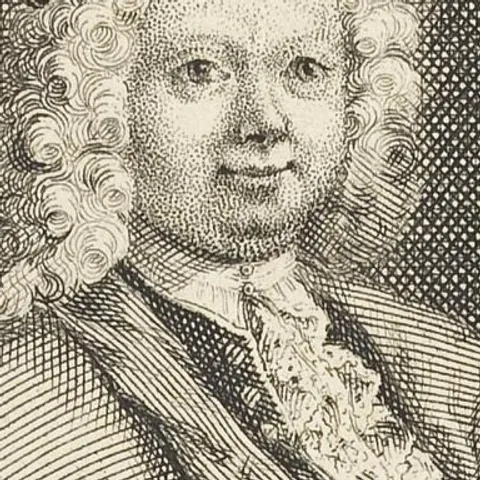
マルチェッロ・published c. 1717
胸にしみるアダージョ!バッハも編曲したオーボエの名曲。
オーボエ協奏曲 ニ短調のページへバッハ・c. 1720
ヴァイオリン1本で、宇宙のように大きな世界を描く傑作。
無伴奏ヴァイオリン・パルティータ第2番 ニ短調より「シャコンヌ」のページへバッハ・1727
ペテロの涙を歌う、ヴァイオリンとアルトの祈りの名アリア。
マタイ受難曲より「憐れみたまえ、わが神よ」のページへバッハ・c. 1730
ゆったり流れる、世界でいちばん有名な「癒やしのメロディー」。
管弦楽組曲第3番より「アリア」(G線上のアリア)のページへ
 MP3