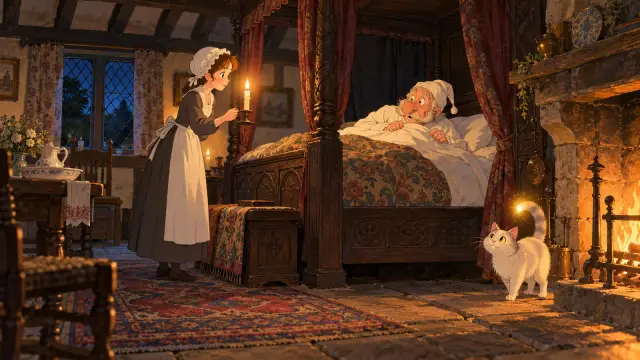
At home in Moscow everything was in its winter routine; the stoves were heated, and in the morning it was still dark when the children were having breakfast and getting ready for school, and the nurse would light the lamp for a short time. The frosts had begun already. When the first snow has fallen, on the first day of sledge-driving it is pleasant to see the white earth, the white roofs, to draw soft, delicious breath, and the season brings back the days of one's youth. The old limes and birches, white with hoar-frost, have a good-natured expression; they are nearer to one's heart than cypresses and palms, and near them one doesn't want to be thinking of the sea and the mountains.
モスクワの家では、何もかもがいつもの冬の暮らしに戻っていた。ペチカが焚かれた。朝、子どもたちが朝食をとって学校へ行く支度をするころは、まだ暗い。ばあやがしばらくのあいだランプをともした。もう寒さが始まっていた。初雪が降って、はじめて橇で走る日には、白い大地や白い屋根を見るのも、やわらかな、おいしい空気を吸うのも楽しい。この季節になると、若いころの日々がよみがえってくる。霜で白くなった古い菩提樹や白樺は、人のよさそうな顔をしている。糸杉や棕櫚よりも、ずっと心に近い。そのそばにいると、海や山のことなど考えたくなくなるのだ。
Gurov was Moscow born; he arrived in Moscow on a fine frosty day, and when he put on his fur coat and warm gloves, and walked along Petrovka, and when on Saturday evening he heard the ringing of the bells, his recent trip and the places he had seen lost all charm for him. Little by little he became absorbed in Moscow life, greedily read three newspapers a day, and declared he did not read the Moscow papers on principle! He already felt a longing to go to restaurants, clubs, dinner-parties, anniversary celebrations, and he felt flattered at entertaining distinguished lawyers and artists, and at playing cards with a professor at the doctors' club. He could already eat a whole plateful of salt fish and cabbage.
グーロフは生粋のモスクワっ子だった。晴れた、凍てつく日にモスクワに帰り着いた。毛皮のコートを着て、暖かい手袋をはめ、ペトロフカ通りを歩いた。土曜の晩に教会の鐘が鳴るのを聞いた。すると、ついこのあいだの旅も、そこで見た土地も、すっかり色あせてしまった。グーロフは少しずつモスクワの暮らしにのめりこんでいった。日に三つの新聞をむさぼるように読み、それでいて、モスクワの新聞は主義として読まないことにしていると言い張った! もうレストランやクラブや晩餐会や記念祝賀会に出かけたくてたまらなかった。名の知れた弁護士や芸術家を家に招いたり、医師クラブで教授とカードをしたりすると、自尊心をくすぐられた。もう塩漬けの魚とキャベツの料理を、ひと皿まるごと平らげられるようになっていた。
In another month, he fancied, the image of Anna Sergeyevna would be shrouded in a mist in his memory, and only from time to time would visit him in his dreams with a touching smile as others did. But more than a month passed, real winter had come, and everything was still clear in his memory as though he had parted with Anna Sergeyevna only the day before. And his memories glowed more and more vividly. When in the evening stillness he heard from his study the voices of his children, preparing their lessons, or when he listened to a song or the organ at the restaurant, or the storm howled in the chimney, suddenly everything would rise up in his memory: what had happened on the groyne, and the early morning with the mist on the mountains, and the steamer coming from Theodosia, and the kisses. He would pace a long time about his room, remembering it all and smiling; then his memories passed into dreams, and in his fancy the past was mingled with what was to come. Anna Sergeyevna did not visit him in dreams, but followed him about everywhere like a shadow and haunted him. When he shut his eyes he saw her as though she were living before him, and she seemed to him lovelier, younger, tenderer than she was; and he imagined himself finer than he had been in Yalta. In the evenings she peeped out at him from the bookcase, from the fireplace, from the corner—he heard her breathing, the caressing rustle of her dress. In the street he watched the women, looking for some one like her.
あとひと月もすれば、アンナ・セルゲーエヴナの面影も記憶の中で霧に包まれてしまうだろう、とグーロフは思っていた。ほかの女たちと同じように、ときどき夢に現れて、胸を打つようなほほえみを見せるだけになるだろう、と。ところが、ひと月以上たって本格的な冬になっても、何もかもが記憶の中ではっきりしていた。アンナ・セルゲーエヴナとは、ついきのう別れたばかりのようだった。それどころか思い出は、ますますあざやかに燃え立った。夕暮れの静けさの中、書斎にいて、子どもたちが勉強している声が聞こえてくる。レストランで歌やオルガンを聞く。煙突の中で吹雪がうなる。そんなとき、いきなり何もかもがよみがえってくるのだった。防波堤でのこと。山に霧のかかった早朝。フェオドシヤから来た汽船。口づけ。グーロフは長いあいだ部屋の中を歩きまわり、それを残らず思い出しては、ほほえんだ。やがて思い出は空想に変わり、空想の中で、過去とこれからのこととが入りまじった。アンナ・セルゲーエヴナは夢には現れなかった。だが影のようにどこへでもついてきて、離れなかった。目を閉じると、生きて目の前にいるように見えた。しかも、本当よりも美しく、若く、やさしく見えた。そして自分自身も、ヤルタにいたときよりりっぱな人間のような気がした。夕方になると、アンナ・セルゲーエヴナは本棚から、暖炉から、部屋の隅から、グーロフをのぞいていた。息づかいや、服のやさしい衣ずれの音が聞こえた。通りでは女たちを目で追い、誰か似た人はいないかと探した。
He was tormented by an intense desire to confide his memories to some one. But in his home it was impossible to talk of his love, and he had no one outside; he could not talk to his tenants nor to any one at the bank. And what had he to talk of? Had he been in love, then? Had there been anything beautiful, poetical, or edifying or simply interesting in his relations with Anna Sergeyevna? And there was nothing for him but to talk vaguely of love, of woman, and no one guessed what it meant; only his wife twitched her black eyebrows, and said:
この思い出を、誰かに打ち明けたい。グーロフはその思いに激しく苦しめられた。だが家で自分の恋の話などできるはずもなく、家の外には相手がいなかった。家の借家人にも、銀行の誰にも話せない。それに、いったい何を話すというのか。そもそも自分は恋をしていたのだろうか。アンナ・セルゲーエヴナとのあいだに、何か美しいもの、詩的なもの、ためになるもの、いや、ただおもしろいものでもあっただろうか。それでグーロフは、恋について、女について、ぼんやりと話すしかなかった。それが何を意味しているのか、誰も察しはしなかった。ただ妻だけが、黒い眉をぴくりと動かして言うのだった。
"The part of a lady-killer does not suit you at all, Dimitri."
「色男の役なんて、あなたにはちっとも似合いませんわよ、ディミートリー」
One evening, coming out of the doctors' club with an official with whom he had been playing cards, he could not resist saying:
ある晩、カードの相手をしていた役人と一緒に医師クラブを出たとき、グーロフはつい言わずにいられなかった。
"If only you knew what a fascinating woman I made the acquaintance of in Yalta!"
「ヤルタでどんなにすてきな女と知り合ったか、あなたにわかってもらえたらなあ!」
The official got into his sledge and was driving away, but turned suddenly and shouted:
役人は橇に乗って走りだしたが、急に振り返って叫んだ。
"Dmitri Dmitritch!"
「ドミートリー・ドミートリチ!」
"What?"
「なんです?」
"You were right this evening: the sturgeon was a bit too strong!"
「さっきあなたの言ったとおりでしたな。あのチョウザメは、ちょっと臭みが強すぎた!」
These words, so ordinary, for some reason moved Gurov to indignation, and struck him as degrading and unclean. What savage manners, what people! What senseless nights, what uninteresting, uneventful days! The rage for card-playing, the gluttony, the drunkenness, the continual talk always about the same thing. Useless pursuits and conversations always about the same things absorb the better part of one's time, the better part of one's strength, and in the end there is left a life grovelling and curtailed, worthless and trivial, and there is no escaping or getting away from it—just as though one were in a madhouse or a prison.
このありふれた言葉が、なぜかグーロフを憤慨させた。下劣で、きたならしい言葉に思えた。なんという野蛮なふるまい、なんという連中だ! なんという無意味な夜、なんという退屈な、何も起こらない毎日だ! 夢中になってするカード、大食い、深酒、いつも同じことばかりのおしゃべり。役にも立たない用事と、いつも同じ話ばかりで、時間のいちばんいいところも、力のいちばんいいところも、吸いとられてしまう。そして最後に残るのは、地べたを這いずるような、ちぢこまった、つまらない、ちっぽけな人生だけだ。そこから逃げることも、抜け出すこともできない。精神病院か監獄にでも入れられているのと同じだ。
Gurov did not sleep all night, and was filled with indignation. And he had a headache all next day. And the next night he slept badly; he sat up in bed, thinking, or paced up and down his room. He was sick of his children, sick of the bank; he had no desire to go anywhere or to talk of anything.
グーロフはひと晩じゅう眠れず、憤りでいっぱいだった。翌日は一日じゅう頭が痛かった。次の夜もよく眠れなかった。ベッドの上に起き上がって考えこんだり、部屋の中を行ったり来たりした。子どもたちにもうんざりし、銀行にもうんざりした。どこへも行きたくなく、何も話したくなかった。
In the holidays in December he prepared for a journey, and told his wife he was going to Petersburg to do something in the interests of a young friend—and he set off for S——. What for? He did not very well know himself. He wanted to see Anna Sergeyevna and to talk with her—to arrange a meeting, if possible.
十二月の休みに、グーロフは旅の支度をした。妻には、ある若い友人のためにひと肌脱ぎにペテルブルクへ行ってくると言った。そしてS市へ向かった。何のために? 自分でもよくわからなかった。アンナ・セルゲーエヴナに会って、話がしたかった。できることなら、会う約束をとりつけたかった。
He reached S——in the morning, and took the best room at the hotel, in which the floor was covered with grey army cloth, and on the table was an inkstand, grey with dust and adorned with a figure on horseback, with its hat in its hand and its head broken off. The hotel porter gave him the necessary information; Von Diderits lived in a house of his own in Old Gontcharny Street—it was not far from the hotel: he was rich and lived in good style, and had his own horses; every one in the town knew him. The porter pronounced the name "Dridirits."
朝、S市に着くと、グーロフはホテルのいちばんいい部屋をとった。床には灰色の軍用ラシャが敷いてあった。テーブルの上には、ほこりで灰色になったインク壺があった。インク壺には騎馬像の飾りがついていて、その像は帽子を手に持ち、首がもげていた。ホテルの門番が、知りたいことを教えてくれた。フォン・ディーデリッツは旧ゴンチャールナヤ通りの持ち家に住んでいる。ホテルからそう遠くない。金持ちで、いい暮らしをしていて、自分の馬も持っている。町の者なら誰でも知っている。門番はその名前を「ドルイディリッツ」と発音した。
Gurov went without haste to Old Gontcharny Street and found the house. Just opposite the house stretched a long grey fence adorned with nails.
グーロフはゆっくりと旧ゴンチャールナヤ通りへ行き、その家を見つけた。家の真向かいに、釘を打ちつけた灰色の長い塀が続いていた。
"One would run away from a fence like that," thought Gurov, looking from the fence to the windows of the house and back again.
「こんな塀を見たら、逃げだしたくもなるさ」とグーロフは、塀から家の窓へ、また塀へと目をやりながら思った。
He considered: to-day was a holiday, and the husband would probably be at home. And in any case it would be tactless to go into the house and upset her. If he were to send her a note it might fall into her husband's hands, and then it might ruin everything. The best thing was to trust to chance. And he kept walking up and down the street by the fence, waiting for the chance. He saw a beggar go in at the gate and dogs fly at him; then an hour later he heard a piano, and the sounds were faint and indistinct. Probably it was Anna Sergeyevna playing. The front door suddenly opened, and an old woman came out, followed by the familiar white Pomeranian. Gurov was on the point of calling to the dog, but his heart began beating violently, and in his excitement he could not remember the dog's name.
グーロフは考えた。きょうは祭日だから、夫はたぶん家にいるだろう。どっちにしても、家に乗りこんでいって、あの人をうろたえさせるのは気がきかない。手紙を届けさせれば、夫の手に渡るかもしれない。そうなったら、何もかもぶち壊しになりかねない。偶然にまかせるのがいちばんいい。そこでグーロフは、偶然を待って、塀のそばの通りを行ったり来たりし続けた。物乞いが門の中に入っていき、犬たちがそれに飛びかかるのが見えた。それから一時間ほどして、ピアノの音が聞こえてきた。かすかで、はっきりしない音だった。たぶんアンナ・セルゲーエヴナが弾いているのだろう。いきなり玄関の戸が開いて、老婆が一人出てきた。その後ろから、見覚えのある白いスピッツが出てきた。グーロフは犬を呼ぼうとした。だが心臓が激しく打ちはじめ、うろたえて、犬の名前が思い出せなかった。
He walked up and down, and loathed the grey fence more and more, and by now he thought irritably that Anna Sergeyevna had forgotten him, and was perhaps already amusing herself with some one else, and that that was very natural in a young woman who had nothing to look at from morning till night but that confounded fence. He went back to his hotel room and sat for a long while on the sofa, not knowing what to do, then he had dinner and a long nap.
グーロフは行ったり来たりした。灰色の塀がますます憎らしくなってきた。そしていまでは、いらいらしながらこう思っていた。アンナ・セルゲーエヴナはおれのことなど忘れてしまって、もう誰かほかの男と楽しんでいるのかもしれない。朝から晩まで、あのいまいましい塀しか眺めるもののない若い女なら、それも無理のない話だ。グーロフはホテルの部屋に戻り、どうしていいかわからずに、長いことソファに座っていた。それから昼食をとり、長い昼寝をした。
"How stupid and worrying it is!" he thought when he woke and looked at the dark windows: it was already evening. "Here I've had a good sleep for some reason. What shall I do in the night?"
「なんてばかばかしい、やきもきさせられる話だ!」目を覚まして暗い窓を見ながら、グーロフは思った。もう夕方だった。「なぜだか、ぐっすり眠ってしまった。夜は何をすればいいんだ?」
He sat on the bed, which was covered by a cheap grey blanket, such as one sees in hospitals, and he taunted himself in his vexation:
病院でよく見かけるような、安物の灰色の毛布がかかったベッドの上に座り、グーロフは腹立ちまぎれに自分をあざけった。
"So much for the lady with the dog ... so much for the adventure.... You're in a nice fix...."
「犬を連れた奥さんとやらも、これまでだな……冒険とやらも、これまでだ……。とんだはめになったもんだ……」
That morning at the station a poster in large letters had caught his eye. "The Geisha" was to be performed for the first time. He thought of this and went to the theatre.
その朝、駅で、大きな字のポスターが目についていた。『ゲイシャ』の初演があるというのだ。グーロフはそれを思い出して、劇場へ出かけた。
"It's quite possible she may go to the first performance," he thought.
「あの人が初日を見に来ることは、大いにありうる」とグーロフは思った。
The theatre was full. As in all provincial theatres, there was a fog above the chandelier, the gallery was noisy and restless; in the front row the local dandies were standing up before the beginning of the performance, with their hands behind them; in the Governor's box the Governor's daughter, wearing a boa, was sitting in the front seat, while the Governor himself lurked modestly behind the curtain with only his hands visible; the orchestra was a long time tuning up; the stage curtain swayed. All the time the audience were coming in and taking their seats Gurov looked at them eagerly.
劇場は満員だった。どこの田舎の劇場でもそうだが、シャンデリアの上には霞がかかり、天井桟敷はがやがやと騒がしかった。最前列では、町のしゃれ者たちが、開演前から両手を後ろに組んで立っていた。知事の桟敷では、ボアを首に巻いた知事の娘が前の席に座り、知事自身はつつましく幕の陰に隠れて、両手だけをのぞかせていた。オーケストラはいつまでも音合わせをしていた。舞台の幕が揺れていた。客が入ってきて席につくあいだ、グーロフはずっと、むさぼるように客たちを見ていた。
Anna Sergeyevna, too, came in. She sat down in the third row, and when Gurov looked at her his heart contracted, and he understood clearly that for him there was in the whole world no creature so near, so precious, and so important to him; she, this little woman, in no way remarkable, lost in a provincial crowd, with a vulgar lorgnette in her hand, filled his whole life now, was his sorrow and his joy, the one happiness that he now desired for himself, and to the sounds of the inferior orchestra, of the wretched provincial violins, he thought how lovely she was. He thought and dreamed.
アンナ・セルゲーエヴナも入ってきた。三列目に腰をおろした。その姿を見たとたん、グーロフは胸が締めつけられた。そして、はっきりとわかった。いまの自分にとって、世界じゅうに、これほど身近で、大切で、なくてはならない人はいないのだ。田舎の人ごみにまぎれ、安っぽい柄つきの眼鏡を手にした、何ひとつ目立ったところのないこの小柄な女。その女が、いまや自分の人生のすべてを満たしている。自分の悲しみであり、喜びであり、いま自分が望むただひとつの幸せなのだ。下手なオーケストラの、みすぼらしい田舎のヴァイオリンの音を聞きながら、グーロフは、なんと美しい人だろうと思った。思い、そして夢みた。
A young man with small side-whiskers, tall and stooping, came in with Anna Sergeyevna and sat down beside her; he bent his head at every step and seemed to be continually bowing. Most likely this was the husband whom at Yalta, in a rush of bitter feeling, she had called a flunkey. And there really was in his long figure, his side-whiskers, and the small bald patch on his head, something of the flunkey's obsequiousness; his smile was sugary, and in his buttonhole there was some badge of distinction like the number on a waiter.
アンナ・セルゲーエヴナと一緒に、若い男が入ってきて、隣に座った。小さな頬ひげを生やし、背が高く、猫背だった。一歩ごとに頭を下げ、ひっきりなしにお辞儀をしているように見えた。おそらくこれが、ヤルタでアンナ・セルゲーエヴナが苦々しい気持ちにかられて、下男と呼んだ夫なのだろう。じっさい、そのひょろ長い姿にも、頬ひげにも、頭のてっぺんの小さなはげにも、下男のようなへつらいが感じられた。ほほえみは甘ったるく、ボタン穴には何かの記章をつけていた。給仕の番号札のような記章だった。
During the first interval the husband went away to smoke; she remained alone in her stall. Gurov, who was sitting in the stalls, too, went up to her and said in a trembling voice, with a forced smile:
最初の幕間に、夫はたばこを吸いに出ていった。アンナ・セルゲーエヴナは、ひとり席に残っていた。グーロフも平土間の席にいたので、そばへ行き、ふるえる声で、作り笑いを浮かべて言った。
"Good-evening."
「こんばんは」
She glanced at him and turned pale, then glanced again with horror, unable to believe her eyes, and tightly gripped the fan and the lorgnette in her hands, evidently struggling with herself not to faint. Both were silent. She was sitting, he was standing, frightened by her confusion and not venturing to sit down beside her. The violins and the flute began tuning up. He felt suddenly frightened; it seemed as though all the people in the boxes were looking at them. She got up and went quickly to the door; he followed her, and both walked senselessly along passages, and up and down stairs, and figures in legal, scholastic, and civil service uniforms, all wearing badges, flitted before their eyes. They caught glimpses of ladies, of fur coats hanging on pegs; the draughts blew on them, bringing a smell of stale tobacco. And Gurov, whose heart was beating violently, thought:
アンナ・セルゲーエヴナはちらりとグーロフを見て、青ざめた。それから、自分の目が信じられないというように、ぞっとした顔でもう一度見た。手にした扇と柄つきの眼鏡を、ぎゅっと握りしめた。気を失うまいと、必死にこらえているのがわかった。二人とも黙っていた。アンナ・セルゲーエヴナは座り、グーロフは立っていた。そのうろたえぶりにおびえて、隣に座る勇気が出なかった。ヴァイオリンとフルートが音合わせを始めた。グーロフはふいに怖くなった。桟敷の人たちがみな、自分たちを見ているような気がした。アンナ・セルゲーエヴナは立ち上がり、足早に出口へ向かった。グーロフもあとを追った。そして二人は、わけもわからず廊下を歩き、階段をのぼったりおりたりした。法律家の、学校の、役所の制服を着て、みな記章をつけた人たちの姿が、目の前をちらちらと行き過ぎた。婦人たちの姿や、掛け釘にかかった毛皮のコートが、ちらりと目に入った。すきま風が吹きつけ、古いたばこのにおいを運んできた。グーロフは、心臓をどきどきさせながら思った。
"Oh, heavens! Why are these people here and this orchestra!..."
「ああ、まったく! なんだってこんな連中がいるんだ、このオーケストラは何なんだ!……」
And at that instant he recalled how when he had seen Anna Sergeyevna off at the station he had thought that everything was over and they would never meet again. But how far they were still from the end!
その瞬間、グーロフは思い出した。駅でアンナ・セルゲーエヴナを見送ったとき、これですべて終わった、もう二度と会うことはないと思ったことを。だが、終わりまでは、まだなんと遠かったことだろう!
On the narrow, gloomy staircase over which was written "To the Amphitheatre," she stopped.
「円形桟敷へ」と書いてある、狭くて薄暗い階段のところで、アンナ・セルゲーエヴナは立ちどまった。
"How you have frightened me!" she said, breathing hard, still pale and overwhelmed. "Oh, how you have frightened me! I am half dead. Why have you come? Why?"
「なんて驚かせるんですの!」とアンナ・セルゲーエヴナは、荒い息をつきながら言った。まだ青ざめて、打ちのめされたようだった。「ああ、本当に驚いたわ! 生きた心地もしません。なぜいらしたんです? なぜ?」
"But do understand, Anna, do understand ..." he said hastily in a low voice. "I entreat you to understand...."
「でも、わかってください、アンナ、わかってください……」とグーロフは小声で、あわてて言った。「お願いだから、わかってください……」
She looked at him with dread, with entreaty, with love; she looked at him intently, to keep his features more distinctly in her memory.
アンナ・セルゲーエヴナはグーロフを見つめた。恐れと、すがるような思いと、愛をこめて。その顔をもっとはっきり記憶に焼きつけておこうとするように、じっと見つめた。
"I am so unhappy," she went on, not heeding him. "I have thought of nothing but you all the time; I live only in the thought of you. And I wanted to forget, to forget you; but why, oh, why, have you come?"
「わたし、とても不幸なんです」と、グーロフの言葉には耳を貸さずに、アンナ・セルゲーエヴナは続けた。「ずっとあなたのことばかり考えていました。あなたのことを思うことだけで生きているんです。それで、忘れたかった、あなたを忘れたかったのに。それなのに、なぜ、ああ、なぜいらしたんです?」
On the landing above them two schoolboys were smoking and looking down, but that was nothing to Gurov; he drew Anna Sergeyevna to him, and began kissing her face, her cheeks, and her hands.
上の踊り場で、中学生が二人、たばこを吸いながら下を見おろしていた。だがグーロフにはどうでもよかった。アンナ・セルゲーエヴナを引き寄せ、その顔に、頬に、両手に口づけしはじめた。
"What are you doing, what are you doing!" she cried in horror, pushing him away. "We are mad. Go away to-day; go away at once.... I beseech you by all that is sacred, I implore you.... There are people coming this way!"
「何をなさるの、何をなさるの!」とアンナ・セルゲーエヴナはおびえて叫び、グーロフを押しのけた。「わたしたち、どうかしているわ。きょうお発ちになって。すぐにお発ちになって……。神聖なものすべてにかけてお願いします、どうか……。誰か来ますわ!」
Some one was coming up the stairs.
誰かが階段をのぼってきた。
"You must go away," Anna Sergeyevna went on in a whisper. "Do you hear, Dmitri Dmitritch? I will come and see you in Moscow. I have never been happy; I am miserable now, and I never, never shall be happy, never! Don't make me suffer still more! I swear I'll come to Moscow. But now let us part. My precious, good, dear one, we must part!"
「お発ちにならなくてはいけません」とアンナ・セルゲーエヴナはささやき声で続けた。「聞いていらっしゃる、ドミートリー・ドミートリチ? わたし、モスクワへあなたに会いに行きます。わたしは一度も幸せだったことがありません。いまも不幸ですし、これからも、けっして、けっして幸せにはなれないでしょう、けっして! これ以上わたしを苦しめないで! モスクワへ行くと誓います。でも、いまはお別れしましょう。わたしの大切な、やさしい、いとしい方、お別れしなくては!」
She pressed his hand and began rapidly going downstairs, looking round at him, and from her eyes he could see that she really was unhappy. Gurov stood for a little while, listened, then, when all sound had died away, he found his coat and left the theatre.
アンナ・セルゲーエヴナはグーロフの手を握りしめると、振り返りながら、急いで階段をおりはじめた。その目を見れば、本当に不幸なのだとわかった。グーロフはしばらく立って耳を澄ましていた。やがて物音がすっかり消えると、自分のコートを探して、劇場を出た。
And Anna Sergeyevna began coming to see him in Moscow. Once in two or three months she left S——, telling her husband that she was going to consult a doctor about an internal complaint—and her husband believed her, and did not believe her. In Moscow she stayed at the Slaviansky Bazaar hotel, and at once sent a man in a red cap to Gurov. Gurov went to see her, and no one in Moscow knew of it.
そしてアンナ・セルゲーエヴナは、モスクワへ会いに来るようになった。二、三か月に一度、夫には、内臓の病気のことで医者に診てもらいに行くと言って、S市を発った。夫はそれを信じてもいたし、信じてもいなかった。モスクワでは、アンナ・セルゲーエヴナはスラヴャンスキー・バザール・ホテルに泊まり、すぐに赤い帽子の使い走りをグーロフのところへよこした。グーロフは会いに行った。モスクワでは誰も、そのことを知らなかった。
Once he was going to see her in this way on a winter morning (the messenger had come the evening before when he was out). With him walked his daughter, whom he wanted to take to school: it was on the way. Snow was falling in big wet flakes.
ある冬の朝も、グーロフはこうしてアンナ・セルゲーエヴナに会いに行くところだった(使い走りは前の晩、留守のあいだに来ていた)。娘が一緒に歩いていた。学校まで送ってやろうと思ったのだ。ちょうど通り道だった。大きな、湿ったぼたん雪が降っていた。
"It's three degrees above freezing-point, and yet it is snowing," said Gurov to his daughter. "The thaw is only on the surface of the earth; there is quite a different temperature at a greater height in the atmosphere."
「気温は零度より三度高いのに、雪が降っているね」とグーロフは娘に言った。「暖かいのは地面のすぐ上だけで、空のもっと高いところでは、温度がまるで違うんだよ」
"And why are there no thunderstorms in the winter, father?"
「じゃあ、どうして冬には雷が鳴らないの、お父さま?」
He explained that, too. He talked, thinking all the while that he was going to see her, and no living soul knew of it, and probably never would know. He had two lives: one, open, seen and known by all who cared to know, full of relative truth and of relative falsehood, exactly like the lives of his friends and acquaintances; and another life running its course in secret. And through some strange, perhaps accidental, conjunction of circumstances, everything that was essential, of interest and of value to him, everything in which he was sincere and did not deceive himself, everything that made the kernel of his life, was hidden from other people; and all that was false in him, the sheath in which he hid himself to conceal the truth—such, for instance, as his work in the bank, his discussions at the club, his "lower race," his presence with his wife at anniversary festivities—all that was open. And he judged of others by himself, not believing in what he saw, and always believing that every man had his real, most interesting life under the cover of secrecy and under the cover of night. All personal life rested on secrecy, and possibly it was partly on that account that civilised man was so nervously anxious that personal privacy should be respected.
グーロフはそれも説明してやった。話しながら、ずっと考えていた。おれはいま、あの人に会いに行くところだ。それを知っている人間は、この世に一人もいない。たぶんこれからも、けっして知られることはないだろう。グーロフには、二つの生活があった。ひとつは表向きの生活で、知りたい者には誰にでも見え、知られている。そこには、それなりの本当と、それなりの嘘とが詰まっていて、友人や知人たちの生活とそっくり同じだった。もうひとつは、ひそかに営まれている生活だった。そして、何か奇妙な、ひょっとすると偶然の事情が重なったせいで、こんなことになっていた。自分にとって大事で、おもしろく、値打ちのあるもの。自分が誠実で、自分をごまかさずにいられるもの。自分の人生の芯になっているもの。それはすべて、人の目から隠されていた。そして自分の中の偽りのものすべて、つまり本当の自分を隠すためにもぐりこんでいる鞘は、すべて表に出ていた。たとえば銀行の仕事。クラブでの議論。「低級な人種」という言葉。妻と連れだって記念祝賀会に顔を出すこと。グーロフは自分を基準にして他人を判断した。目に見えるものを信じなかった。そして、どんな人間も、秘密というおおいの下で、夜のおおいの下で、自分の本当の、いちばんおもしろい生活を送っているのだと、いつも信じていた。人の暮らしはみな、秘密の上に成り立っている。文明人が、私生活に立ち入られることをあれほど神経質に嫌うのも、ひとつにはそのためなのかもしれなかった。
After leaving his daughter at school, Gurov went on to the Slaviansky Bazaar. He took off his fur coat below, went upstairs, and softly knocked at the door. Anna Sergeyevna, wearing his favourite grey dress, exhausted by the journey and the suspense, had been expecting him since the evening before. She was pale; she looked at him, and did not smile, and he had hardly come in when she fell on his breast. Their kiss was slow and prolonged, as though they had not met for two years.
娘を学校に送りとどけると、グーロフはスラヴャンスキー・バザールへ向かった。下で毛皮のコートを脱ぎ、階段をのぼって、そっと戸をたたいた。アンナ・セルゲーエヴナは、グーロフの好きな灰色のドレスを着ていた。旅と、待ちこがれる気持ちとで、疲れはてていた。前の晩から待っていたのだ。顔は青ざめていた。グーロフを見つめ、ほほえみもしなかった。そしてグーロフが入ってくるなり、その胸に身を投げた。二人の口づけは、まるで二年も会っていなかったかのように、ゆっくりと長く続いた。
"Well, how are you getting on there?" he asked. "What news?"
「それで、向こうではどうしているの?」とグーロフは聞いた。「何か変わったことは?」
"Wait; I'll tell you directly.... I can't talk."
「待って。すぐにお話しします……。いまは話せないの」
She could not speak; she was crying. She turned away from him, and pressed her handkerchief to her eyes.
アンナ・セルゲーエヴナは話せなかった。泣いていたのだ。グーロフから顔をそむけ、ハンカチを目に押しあてた。
"Let her have her cry out. I'll sit down and wait," he thought, and he sat down in an arm-chair.
「思いきり泣かせてやろう。座って待っていよう」とグーロフは思い、肘掛け椅子に腰をおろした。
Then he rang and asked for tea to be brought him, and while he drank his tea she remained standing at the window with her back to him. She was crying from emotion, from the miserable consciousness that their life was so hard for them; they could only meet in secret, hiding themselves from people, like thieves! Was not their life shattered?
それからベルを鳴らして、お茶を持ってこさせた。グーロフがお茶を飲んでいるあいだ、アンナ・セルゲーエヴナは窓辺に立ち、背を向けたままだった。胸がいっぱいで泣いていたのだ。自分たちの暮らしはこんなにもつらい、という悲しい思いから泣いていたのだ。二人はこっそりと会うしかない。泥棒のように、人目を避けて。これでは二人の人生は、めちゃくちゃになってしまったのではないか?
"Come, do stop!" he said.
「さあ、もうおやめ!」とグーロフは言った。
It was evident to him that this love of theirs would not soon be over, that he could not see the end of it. Anna Sergeyevna grew more and more attached to him. She adored him, and it was unthinkable to say to her that it was bound to have an end some day; besides, she would not have believed it!
二人の恋がすぐには終わらないことは、グーロフにははっきりしていた。いつ終わるのか、見当もつかなかった。アンナ・セルゲーエヴナはますますグーロフを慕うようになっていた。心から崇めていた。この恋もいつかはかならず終わる、などと言えるはずがなかった。それに、言ったところで信じなかっただろう!
He went up to her and took her by the shoulders to say something affectionate and cheering, and at that moment he saw himself in the looking-glass.
グーロフはそばへ行き、何かやさしい、元気づけることを言おうとして、その肩に手をかけた。そのとき、鏡に映った自分の姿が見えた。
His hair was already beginning to turn grey. And it seemed strange to him that he had grown so much older, so much plainer during the last few years. The shoulders on which his hands rested were warm and quivering. He felt compassion for this life, still so warm and lovely, but probably already not far from beginning to fade and wither like his own. Why did she love him so much? He always seemed to women different from what he was, and they loved in him not himself, but the man created by their imagination, whom they had been eagerly seeking all their lives; and afterwards, when they noticed their mistake, they loved him all the same. And not one of them had been happy with him. Time passed, he had made their acquaintance, got on with them, parted, but he had never once loved; it was anything you like, but not love.
髪がもう白くなりはじめていた。この数年で、自分がこんなに老けこみ、こんなにみっともなくなってしまったのが、ふしぎに思えた。両手をのせている肩は温かく、ふるえていた。グーロフは、この命がいとおしく、あわれに思えた。まだこんなに温かく、美しいのに、きっと自分の命と同じように、色あせ、しおれはじめる日も遠くはないのだ。なぜこの人は、こんなにも自分を愛してくれるのだろう? 女たちには、グーロフはいつも本当とは違う人間に見えていた。女たちが愛したのは、グーロフ自身ではなかった。自分の想像が生み出した男、一生かけて夢中で探し求めてきた男を、グーロフの中に見て愛したのだ。そしてあとになって思い違いに気づいても、やはり愛し続けた。それなのに、グーロフといて幸せだった女は、一人もいなかった。時が流れ、グーロフは女たちと知り合い、親しくなり、別れた。だが一度も愛したことはなかった。それは何と呼んでもいいが、愛ではなかった。
And only now when his head was grey he had fallen properly, really in love—for the first time in his life.
そしていま、髪が白くなったいまになって、グーロフは本当に、心から恋をしたのだった。生まれて初めて。
Anna Sergeyevna and he loved each other like people very close and akin, like husband and wife, like tender friends; it seemed to them that fate itself had meant them for one another, and they could not understand why he had a wife and she a husband; and it was as though they were a pair of birds of passage, caught and forced to live in different cages. They forgave each other for what they were ashamed of in their past, they forgave everything in the present, and felt that this love of theirs had changed them both.
アンナ・セルゲーエヴナとグーロフは、ごく近しい身内のように、夫婦のように、やさしい友のように愛し合っていた。運命そのものが、二人を互いのために定めたのだと思えた。なぜグーロフには妻がいて、アンナ・セルゲーエヴナには夫がいるのか、二人にはわからなかった。まるで二羽の渡り鳥が、つかまえられて、別々の籠で飼われているようだった。二人は、それぞれの過去の恥ずかしいことを許し合い、いまのすべてを許し合った。そして、この恋が二人ともを変えたのだと感じていた。
In moments of depression in the past he had comforted himself with any arguments that came into his mind, but now he no longer cared for arguments; he felt profound compassion, he wanted to be sincere and tender....
以前なら、気がふさいだとき、グーロフは頭に浮かんだどんな理屈ででも自分を慰めたものだった。だがいまは、理屈などどうでもよかった。深いあわれみを感じ、誠実でありたい、やさしくありたいと思った……。
"Don't cry, my darling," he said. "You've had your cry; that's enough.... Let us talk now, let us think of some plan."
「泣かないで、いとしい人」とグーロフは言った。「もうずいぶん泣いたじゃないか。それでじゅうぶんだよ……。さあ、話をしよう。何かいい方法を考えよう」
Then they spent a long while taking counsel together, talked of how to avoid the necessity for secrecy, for deception, for living in different towns and not seeing each other for long at a time. How could they be free from this intolerable bondage?
それから二人は、長いあいだ相談した。どうすれば、隠れたり、人をだましたり、別々の町に住んで長いあいだ会えずにいたりしなくてすむか。どうすれば、この耐えがたいしばりから自由になれるのか。
"How? How?" he asked, clutching his head. "How?"
「どうすれば? どうすれば?」とグーロフは頭をかかえて聞いた。「どうすれば?」
And it seemed as though in a little while the solution would be found, and then a new and splendid life would begin; and it was clear to both of them that they had still a long, long road before them, and that the most complicated and difficult part of it was only just beginning.
もう少しすれば答えが見つかって、新しい、すばらしい生活が始まる。そんな気がした。そして二人にははっきりわかっていた。まだ長い、長い道のりが続いていて、そのいちばんややこしく、いちばんむずかしいところは、いまようやく始まったばかりなのだということが。