



 約8分
 全訳つき
 まずは原文をチェック
 音声は準備中です。もうしばらくお待ちください。
 お道具箱
 読書ラウンジ
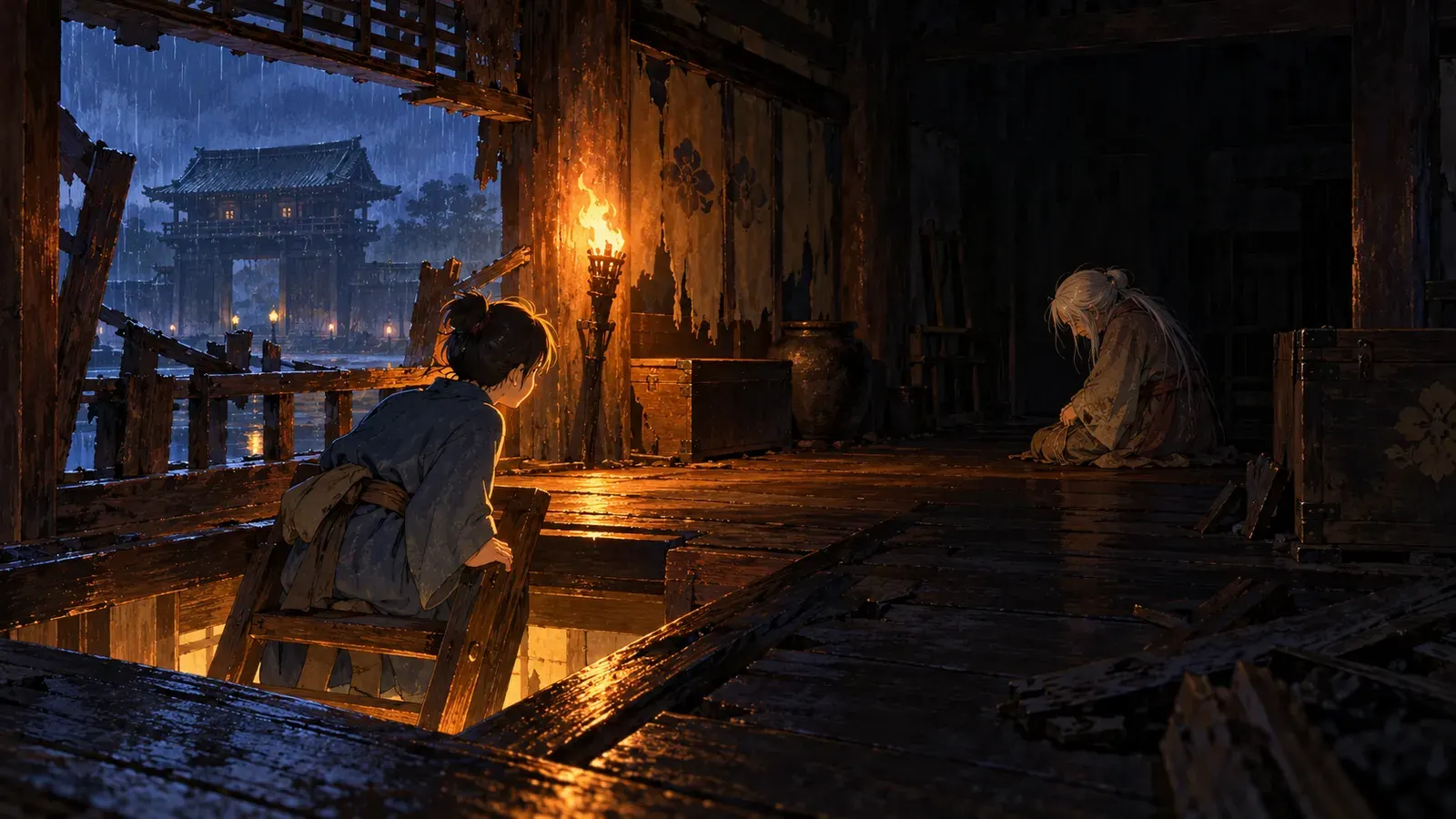
It was one evening, long ago. A servant was waiting for the rain to stop under the Rashomon gate in Kyoto.
ある日の暮方のことである。一人の下人が、京都の羅生門の下で雨やみを待っていた。
There was no one else under the big gate. Only a cricket sat on a red pillar. In those years, Kyoto had many disasters: earthquakes, strong winds, fires and famines. The city became poor, and nobody took care of the gate. People even brought dead bodies and left them on the upper floor. So after dark, nobody came near it.
広い門の下には、この男のほかに誰もいない。ただ、赤い柱に、きりぎりすが一匹とまっているだけだ。そのころの京都には、地震、つじ風、火事、ききんといった災いが続いていた。都はすっかり貧しくなり、門の手入れをする者もいなくなった。しまいには、死人を運んできて、門の上の階に捨てていく者まで出てきた。それで日が暮れると、誰もこの門に近づかなくなったのである。
The servant's master sent him away a few days before, so he had nowhere to go. He was not really waiting for the rain. He was thinking about how to live tomorrow.
下人は数日前、主人からひまを出されていた。行くところがないのだ。本当は、雨がやむのを待っていたのではない。明日からどうやって生きていけばいいかを、考えていたのである。
"To stay alive, I can't worry about good and bad ways," he thought. "If I do, I will starve to death by the road, and my body will be brought to this gate and thrown away like a dog." If he stopped worrying about that, there was only one way: to become a thief. But he did not have the courage to say yes to that.
「生きるためには、手段のよしあしなど気にしてはいられない」と下人は思った。「気にしていれば、道ばたで飢え死にするだけだ。そうなれば、この門の上へ運ばれて、犬のように捨てられてしまう」よしあしを気にしないとすれば、道は一つしかない。盗人になることだ。だが下人には、それを認めるだけの勇気が出なかった。
He decided to sleep upstairs in the gate. "There will only be dead people up there," he thought, and he began to climb the ladder.
下人は、門の上で一晩を明かすことにした。「上にいるのは、どうせ死人ばかりだ」そう思って、下人ははしごをのぼりはじめた。
Halfway up, he stopped. Someone up there had a light. On a rainy night like this, in a place like this, it could not be an ordinary person. Quietly, like a lizard, he climbed to the top and looked in.
はしごの中ほどで、下人は足を止めた。上で、誰かが火をともしているのだ。この雨の夜に、こんな所にいるからには、どうせただの者ではない。下人はヤモリのように足音をしのばせて、いちばん上までのぼり、中をのぞいた。
Dead bodies lay on the floor like clay dolls. Among them sat an old woman. She was short, thin and white-haired, like a monkey. Holding a burning stick, she was looking at the face of a dead woman with long hair.
床の上には、いくつもの死骸が、土をこねて造った人形のようにころがっていた。その中に、一人の老婆がうずくまっていた。背の低い、やせた、白髪頭の、猿のような老婆である。老婆は火のついた木ぎれを手に、髪の長い女の死骸の顔をのぞきこんでいた。
Then the old woman began to pull out the dead woman's hair, one by one, like a mother monkey taking bugs off her baby. As the servant watched, his fear went away. A strong hatred of all evil grew in his heart. Now he would choose to starve rather than become a thief.
やがて老婆は、猿の親が子の虱をとるように、その女の長い髪の毛を一本ずつ抜きはじめた。それを見ているうちに、下人の恐怖は消えていった。そのかわりに、あらゆる悪に対するはげしい憎しみが、心の中にわき上がってきた。今の下人なら、盗人になるより、飢え死にを選んだことだろう。
He jumped into the room. The old woman tried to run, but he caught her thin arm and pushed her down. "What were you doing? Tell me, or I will use this!" he shouted, showing her his sword. She shook and could not speak.
下人は部屋の中へ飛びこんだ。老婆は逃げようとしたが、下人はその細い腕をつかんで、押し倒した。「何をしていた。言え。言わぬと、これだぞ」下人は太刀を見せつけて、どなった。老婆はふるえるばかりで、口もきけなかった。
Her life was in his hands, and his anger cooled. "I am not an officer," he said more softly. "Just tell me what you were doing." The old woman answered in a voice like a crow's. "I was pulling out her hair to make a wig."
老婆の命は、自分の手の中にある。そう思うと、下人の怒りはさめていった。「おれは役人などではない」と、下人は声をやわらげて言った。「ただ、何をしていたのかを話せばいいのだ」老婆は、カラスの鳴くような声で答えた。「この髪を抜いてな、かつらにしようと思うたのじゃ」
Her answer was so ordinary that he was disappointed. His hatred came back, with a cold feeling of contempt. The old woman went on.
答えがあまりに平凡なので、下人はがっかりした。そして、冷たいさげすみと一緒に、あの憎しみがまたもどってきた。老婆は話を続けた。
"Maybe it is bad to take hair from the dead. But these people did bad things too. This woman sold dried snakes to the palace guards and said they were dried fish. She did it so she would not starve, so I don't think she was wrong. I am doing this so I will not starve, too. She will forgive me."
「なるほど、死人の髪の毛を抜くのは、悪いことかもしれぬ。じゃが、ここにいる死人どもも、悪いことをしてきた者ばかりじゃ。この女などは、干した蛇を干し魚だと言うて、御所を守る侍たちに売っていたのじゃ。飢え死にしないためにしたことじゃから、わしは悪いとは思わぬ。わしも、飢え死にしないためにこうしておるのじゃ。この女も、きっと許してくれるであろ」
As he listened, a new courage was born in the servant's heart. He did not have this courage under the gate. Now he did not even think about starving.
話を聞いているうちに、下人の心には、ある勇気が生まれてきた。それは、さっき門の下では持てなかった勇気である。今の下人は、飢え死にのことなど考えもしなかった。
"Is that so?" he said, and he took hold of her kimono. "Then you can't blame me if I rob you. I must do it too, or I will starve."
「きっと、そうか」下人はそう言って、老婆の着物をつかんだ。「では、おれがおまえの物をうばっても、恨むまいな。おれもそうしなければ、飢え死にする体なのだ」
He quickly pulled off her kimono and kicked her down among the bodies. With the kimono under his arm, he ran down the ladder into the deep night.
下人はすばやく老婆の着物をはぎ取り、老婆を死骸の中へけり倒した。そして、はぎ取った着物をわきにかかえて、はしごを深い夜の中へかけ下りた。
After a while, the old woman sat up. She crawled to the top of the ladder by the light of the fire. She looked down below the gate, her short white hair hanging. Outside, there was only the black night.
しばらくして、老婆は体を起こした。そして火の光をたよりに、はしごの口まではっていった。短い白髪をたらして、老婆は門の下をのぞきこんだ。外には、ただ、黒々とした夜があるばかりである。
No one knows where the servant went.
下人の行方は、誰も知らない。
 3段落目に「The servant's master sent him away」(主人が下人を追い出した)とあり、行く所もありませんでした。

 原田英語の究極の英単語帳(CEFR-J 6,868語)
 聞くだけモードで、文字を見ずに内容がわかるか試す。
 1文リピートで音読・シャドーイングも。



 偉人伝
 世界の名作童話