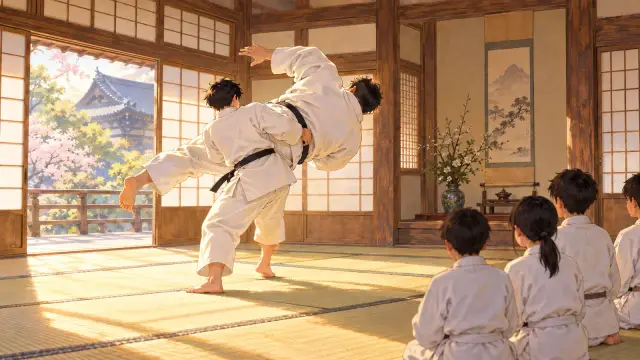
Sugihara Chiune was born in Gifu in 1900. His father wanted him to be a doctor. But Chiune wanted to study languages. It is said that at the test for medical school, he wrote only his name and left the rest of the paper empty.
杉原千畝は1900年、岐阜で生まれました。父親は千畝を医者にしたいと考えていました。けれども千畝は、外国語を学びたかったのです。医学校の入学試験では、名前だけ書いて、あとは白紙のまま出したといわれています。
He went to Waseda University in Tokyo, and later he studied Russian in Harbin, China. He became a diplomat, a person who works for his country in other countries.
東京の早稲田大学に進み、のちに中国のハルビンでロシア語を学びました。そして外交官になりました。外交官とは、外国で自分の国のために働く人のことです。
In 1939, he was sent to Kaunas, a city in Lithuania, a small country in Europe. That year, a big war began in Europe. Nazi Germany was attacking Jewish people, and many Jewish families ran away from Poland to Lithuania.
1939年、杉原はリトアニアのカウナスという町に送られました。リトアニアは、ヨーロッパの小さな国です。この年、ヨーロッパで大きな戦争が始まりました。ナチス・ドイツはユダヤ人を迫害しており、多くのユダヤ人の家族が、ポーランドからリトアニアへ逃れてきていました。
One morning in July 1940, Sugihara looked out of the window of the Japanese consulate. Hundreds of people were standing outside. They were Jewish refugees. They needed visas, special papers, to travel through Japan to other countries. It was their last chance to escape.
1940年7月のある朝、杉原が日本領事館の窓から外を見ると、何百人もの人が立っていました。ユダヤ人の難民たちです。日本を通ってほかの国へ逃れるには、ビザという特別な書類が必要でした。それが、逃げのびるための最後の望みだったのです。
Sugihara sent messages to the government in Tokyo and asked for permission to give them visas. The answer was no. Many of the refugees did not have the right papers, and Japan was becoming friendly with Germany.
杉原は東京の政府に電報を打ち、ビザを出す許可を求めました。返事は、許可しないというものでした。難民の多くは必要な書類をそろえていませんでしたし、日本はドイツとの結びつきを強めていたからです。
Sugihara talked with his wife, Yukiko. If he broke the rules, he could lose his job. But if he did nothing, these people might die. He decided to write the visas.
杉原は妻の幸子と話し合いました。規則を破れば、職を失うかもしれません。けれども、何もしなければ、この人たちは死んでしまうかもしれないのです。杉原は、ビザを書くことに決めました。
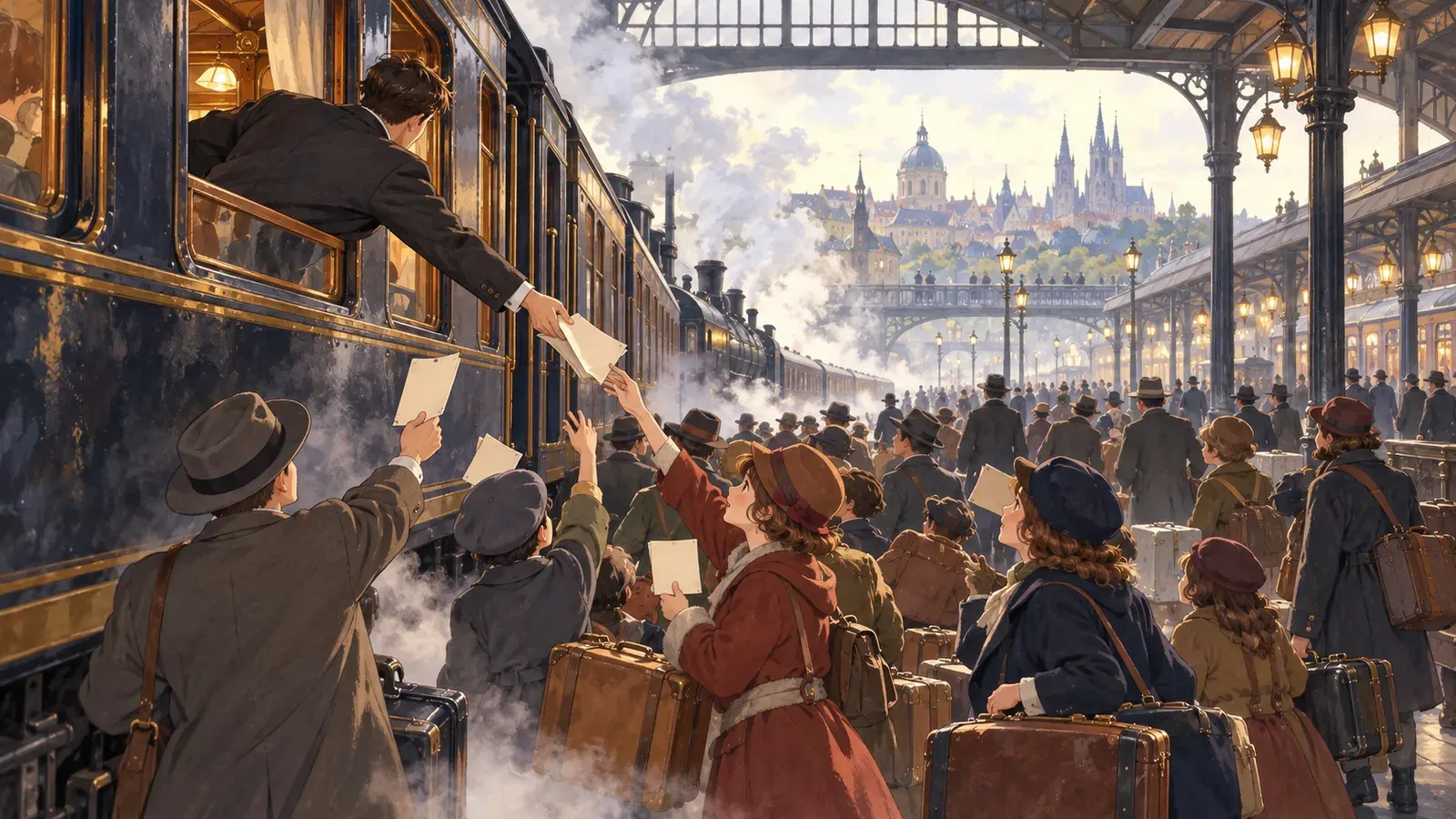
For about a month, he wrote visas by hand from morning to night. His hand hurt, but he did not stop. When he finally had to leave the city, it is said that he kept writing visas even from the train window.
それから約1か月、杉原は朝から晩まで、手書きでビザを書きつづけました。手が痛くなっても、やめませんでした。とうとう町を去らなければならなくなったときも、列車の窓からビザを書きつづけたといわれています。
He wrote more than two thousand visas. Many were for whole families, so his visas may have saved about six thousand people. They traveled across Russia by train, took a ship to Tsuruga in Japan, and then went on to America and other countries.
杉原が書いたビザは、2000通を超えました。その多くは家族全員分のビザだったので、およそ6000人の命が救われたと考えられています。難民たちは列車でロシアを横断し、船で日本の敦賀に渡りました。そこからさらに、アメリカなどの国々へ向かったのです。
After the war, Sugihara left his government job. For many years, few people knew what he had done. Then, in 1968, one of the people he had saved found him. In 1985, Israel honored him as one of the Righteous Among the Nations. Today, the children and grandchildren of the people he saved number in the tens of thousands.
戦後、杉原は外務省を辞めました。長いあいだ、その行いを知る人はほとんどいませんでした。ところが1968年、命を救われた人の一人が、杉原を探し当てたのです。1985年、イスラエルは杉原を「諸国民の中の正義の人」として表彰しました。今では、救われた人々の子や孫は数万人にのぼります。
Sugihara chose to listen to his heart. His story asks each of us a question. What will you do when doing the right thing is hard?
杉原は、自分の心の声に従いました。その物語は、私たち一人ひとりに問いかけています。正しいことをするのが難しいとき、あなたならどうしますか。
 ▶