



 約7分
 4:11
 全訳つき
 お道具箱
 読書ラウンジ
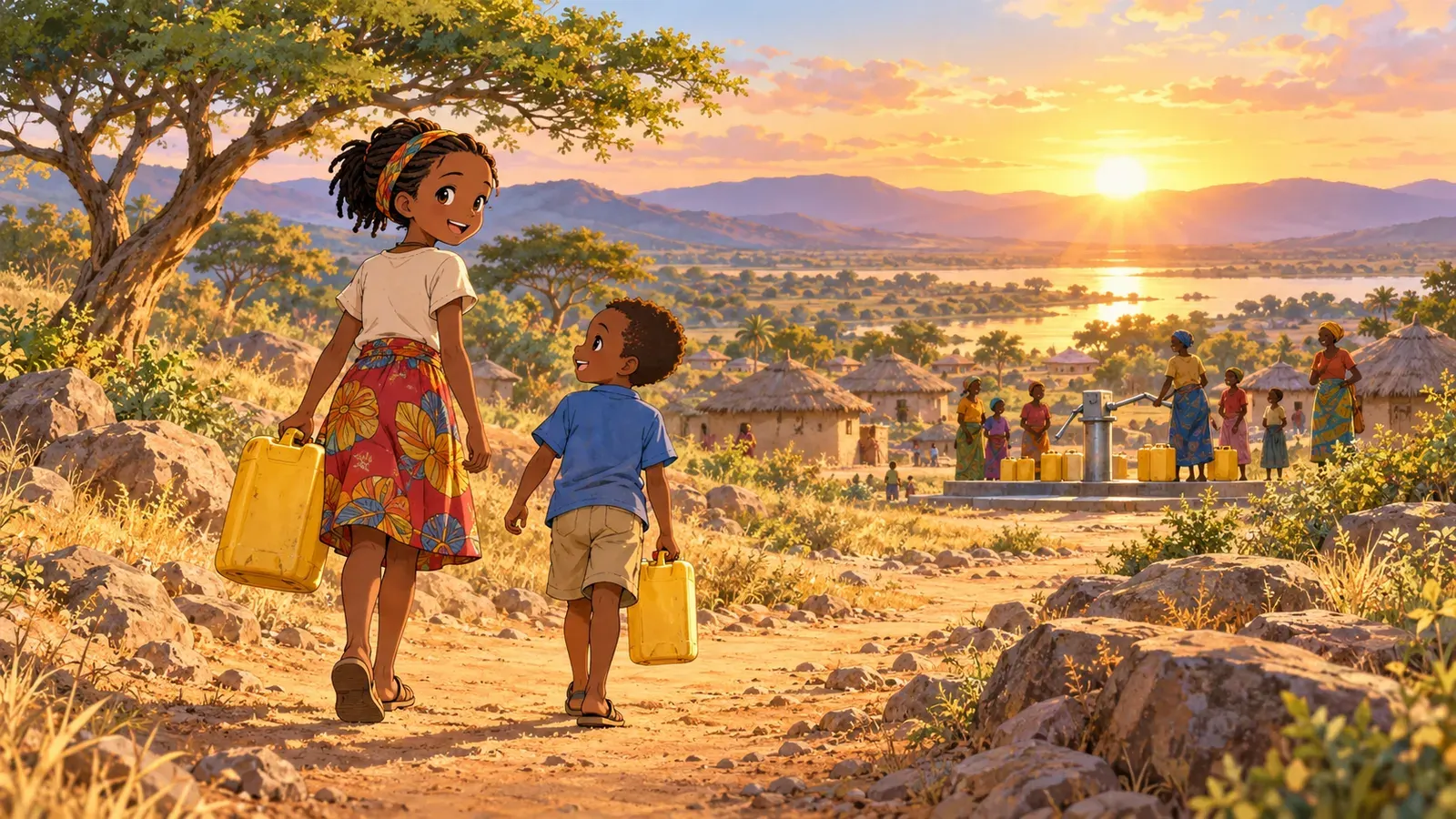
Imagine that there is no tap in your home. Every morning before school, you walk for thirty minutes to a river, fill a heavy container with water, and carry it back home. Then you do the same thing again in the evening. For millions of children around the world, especially girls, this is not imagination. It is everyday life.
あなたの家に、蛇口がないと想像してみてください。毎朝、学校に行く前に30分歩いて川まで行き、重い容器に水をくんで家まで運びます。夕方になると、また同じことをくり返します。世界の何百万人もの子どもたち、特に女の子たちにとって、これは想像の話ではありません。毎日の暮らしなのです。
Most of us in Japan do not even think about clean water and toilets. But according to a 2025 report by the World Health Organization and UNICEF, about 2.1 billion people, or one in four people in the world, still did not have safe drinking water at home in 2024. About 106 million people drank water straight from rivers, lakes, and ponds without cleaning it.
日本にいる私たちのほとんどは、きれいな水やトイレのことなど考えもしません。しかし、世界保健機関(WHO)とユニセフが2025年に出した報告書によると、2024年の時点で、約21億人、つまり世界の4人に1人が、まだ家で安全な飲み水を手に入れられませんでした。約1億600万人は、川や湖、池の水を、きれいにしないままそのまま飲んでいました。
Toilets are an even bigger problem. The same report found that about 3.4 billion people did not have toilets that dealt with human waste safely. About 354 million people had no toilet at all and had to go outside, in fields or behind bushes. When human waste gets into rivers and wells, the water becomes dirty and dangerous.
トイレの問題は、さらに大きいのです。同じ報告書によると、約34億人が、し尿を安全に処理できるトイレを使えていませんでした。約3億5400万人はトイレがまったくなく、野原や草むらのかげで用を足すしかありませんでした。し尿が川や井戸に入ると、水はよごれて危険なものになります。
Dirty water can make people very sick. Diseases that cause diarrhea spread easily through unsafe water and a lack of handwashing. The World Health Organization says that about one million people die every year from diarrhea linked to unsafe water, poor toilets, and dirty hands. Many of them are small children.
よごれた水は、人を重い病気にすることがあります。下痢を起こす病気は、安全でない水や、手洗いができないことを通じて、たやすく広がります。WHOによると、安全でない水、不十分なトイレ、よごれた手が原因の下痢で、毎年約100万人が亡くなっています。その多くは小さな子どもです。
In most places, collecting water is the job of women and girls. In 2016, UNICEF estimated that women and girls around the world spent about 200 million hours every day collecting water. That is time they could use for school, work, or rest. In some places, girls miss classes because they must carry water, or because their school has no clean toilets.
ほとんどの地域で、水くみは女性や女の子の仕事です。2016年、ユニセフは、世界中の女性と女の子が水くみに使う時間は、合わせて1日あたり約2億時間にのぼると見積もりました。本来なら、勉強や仕事や休息に使えたはずの時間です。地域によっては、水を運ばなければならないために、あるいは学校に清潔なトイレがないために、授業を休む女の子もいます。
Collecting water can also be hard on the body. A full container is very heavy, and carrying it every day can hurt children's backs and necks. In some areas, girls who walk alone early in the morning or after dark may not feel safe.
水くみは、体にも大きな負担になります。水がいっぱいに入った容器はとても重く、毎日運んでいると、子どもの背中や首をいためることがあります。また、地域によっては、朝早くや暗くなってから一人で歩く女の子が、身の危険を感じることもあります。
Climate change may make the problem worse. When dry seasons last longer, rivers and wells can dry up, and people must walk even farther to find water. Heavy rains and floods can also wash dirt and waste into the places where people get their drinking water.
気候変動によって、この問題がさらに悪くなるおそれもあります。雨の少ない季節が長びくと、川や井戸がかれてしまい、人々は水を求めてもっと遠くまで歩かなければなりません。また、大雨や洪水が起きると、泥やし尿が、人々が飲み水をくむ場所に流れこむこともあります。
The good news is that this situation can change, and it has been changing. Since 2015, hundreds of millions of people have gained safe drinking water. Simple things can make a big difference: a well in the village, a tank that catches rainwater from the roof, a water filter, or a place to wash hands with soap. When a school builds clean toilets, more girls may keep coming to school.
うれしいことに、この状況は変えることができますし、実際に変わってきています。2015年からの間に、何億もの人が安全な飲み水を手に入れられるようになりました。ちょっとしたものが、大きなちがいを生みます。村の井戸、屋根の雨水をためるタンク、水をろ過する装置、せっけんで手を洗える場所などです。学校に清潔なトイレができれば、学校に通い続ける女の子が増えるかもしれません。
In 2015, the United Nations set the Sustainable Development Goals. Goal 6 is to make sure that everyone has clean water and toilets by 2030. Japan has supported water projects in many countries in Asia and Africa, for example by building water systems and training local engineers. However, at the current speed, the world is not on track to reach this goal by 2030.
2015年、国連は「持続可能な開発目標(SDGs)」を定めました。その目標6は、2030年までに、すべての人がきれいな水とトイレを使えるようにすることです。日本も、アジアやアフリカの多くの国で、水道の設備をつくったり、現地の技術者を育てたりして、水の事業を支援してきました。しかし、今のペースでは、2030年までにこの目標を達成するのはむずかしい状況です。
People have different ideas about the best way to help. Some say that rich countries should give much more money, because clean water is a basic human right. Others say that money alone is not enough. In some villages, new wells stopped working after a few years because nobody had the tools or training to fix them. These people believe that local communities must be part of every plan, so that they can take care of their own water.
どうやって助けるのがいちばんよいかについては、さまざまな考えがあります。きれいな水は基本的な人権なのだから、豊かな国はもっとたくさんお金を出すべきだ、と言う人もいます。一方で、お金だけでは足りない、と言う人もいます。新しくつくった井戸が、道具や修理の技術をもつ人がいないために、数年で使えなくなってしまった村もあるからです。こうした人たちは、地域の人々が自分たちの水を自分たちで管理できるよう、どんな計画にも地域の人々が加わるべきだ、と考えています。
Students in Japan can help, too. The first step is simply to learn about the problem and talk about it. The United Nations has made March 22 World Water Day and November 19 World Toilet Day, so that more people will think about water and toilets. Some schools hold events on these days and collect money for water projects.
日本の生徒にも、できることがあります。まずは、この問題について知り、話し合うことです。国連は、より多くの人に水とトイレについて考えてもらうため、3月22日を「世界水の日」、11月19日を「世界トイレの日」と定めています。こうした日に行事を開き、水の事業のための募金をしている学校もあります。
What do you think? Some people say that countries like Japan should give more money to help people get clean water, because no one should get sick or die from dirty water. Others say that it is more important to teach skills and support local people, because projects only last when communities can manage them by themselves.
あなたはどう思いますか。日本のような国は、人々がきれいな水を手に入れられるよう、もっとお金を出すべきだ、と言う人もいます。よごれた水のせいで病気になったり、亡くなったりする人がいてはならないからです。一方、技術を教え、地域の人々を支えることのほうが大切だ、と言う人もいます。地域の人々が自分たちで管理できてこそ、事業は長続きするからです。
 2段落目に「about 2.1 billion people」(約21億人)が「did not have safe drinking water at home」(自宅に安全な飲み水がなかった)とあります。

 原田英語の究極の英単語帳(CEFR-J 6,868語)

 聞くだけモードで、文字を見ずに内容がわかるか試す。
 1文リピートで音読・シャドーイングも。


 日本の昔話と名作

 名作文学