


 約6分
 2:30
 全訳つき
 お道具箱
 読書ラウンジ
Kenta bought a new T-shirt at a store near his house. It was blue and soft, and it cost only one thousand yen. At home, he looked at the small tag inside it. It said, "Made in Bangladesh." "Where is Bangladesh?" he thought. He opened a map on his computer and found it next to India.
ケンタは家の近くの店で新しいTシャツを買いました。青くてやわらかいTシャツで、たったの千円でした。家に帰って、内側の小さなタグを見てみると、「バングラデシュ製」と書いてありました。「バングラデシュって、どこだろう」とケンタは思いました。パソコンで地図を開くと、インドのとなりに見つかりました。
Kenta's T-shirt is not special. About 98 percent of the clothes sold in Japan are made in other countries, such as China and Vietnam. So the clothes you are wearing now may have traveled much farther than you have!
ケンタのTシャツが特別なわけではありません。日本で売られている服の約98パーセントは、中国やベトナムなど、ほかの国で作られています。ですから、あなたが今着ている服は、あなたよりずっと遠くまで旅をしてきたかもしれないのです!
A T-shirt's trip often starts on a cotton farm. Cotton is a plant that grows in warm places, such as India, the United States, and Brazil. Farmers pick the soft white cotton, and it is sent to a factory. There, machines turn it into thread.
Tシャツの旅は、たいてい綿の畑から始まります。綿は、インドやアメリカ、ブラジルのような暖かい場所で育つ植物です。農家の人がやわらかくて白い綿をつみとり、工場へ送ります。工場では、機械が綿を糸にします。
Next, the thread goes to another factory, where it is made into cloth. The cloth is colored, and then it is sent to a sewing factory. In countries like Bangladesh, many people, a lot of them women, work at sewing machines all day. They cut the cloth and sew the pieces together to make shirts.
次に、糸は別の工場へ運ばれ、そこで布になります。布は色を染められてから、服を縫う工場へ送られます。バングラデシュのような国では、たくさんの人が一日中ミシンに向かって働いていて、その多くは女性です。布を切り、切ったものを縫い合わせて、シャツを作るのです。
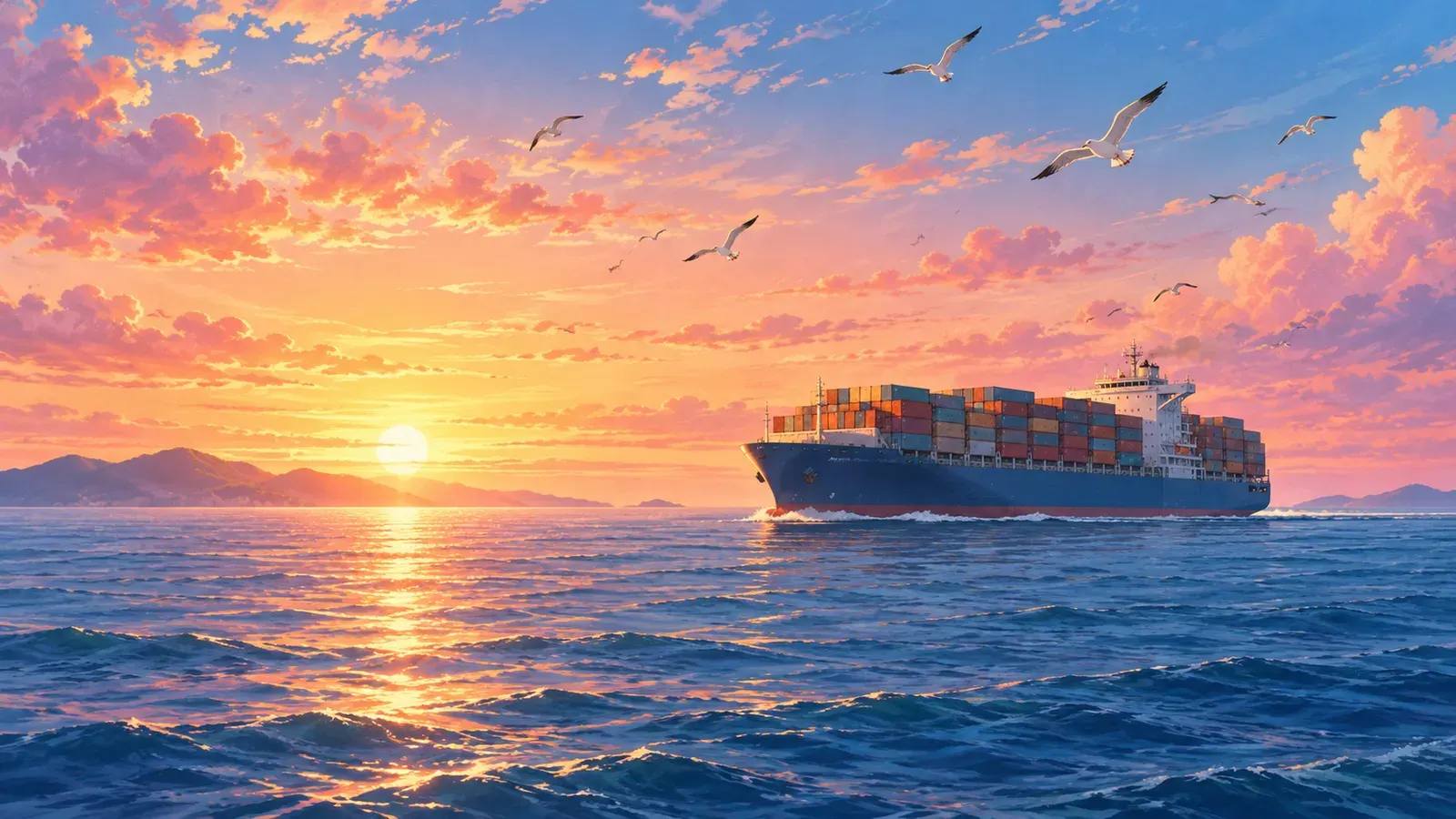
Finally, the new T-shirts are put into big metal boxes called containers. Huge ships carry the containers across the ocean to Japan. The trip by sea can take a few weeks. Then trucks bring the shirts to stores. One T-shirt may visit three or four countries before it reaches you.
最後に、できあがったTシャツは、コンテナと呼ばれる大きな金属の箱に入れられます。巨大な船がコンテナを積んで、海をわたって日本へ運びます。海の旅には数週間かかることもあります。それからトラックが、シャツをお店へ運びます。1枚のTシャツが、あなたの手にとどくまでに、三つか四つの国を回ることもあるのです。
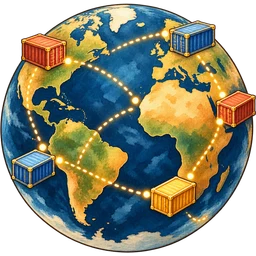
Why do companies make clothes in so many places? Each country does the job that it can do best or most cheaply. Some countries have good land for cotton. Others have many workers and lower wages. In this way, clothes become cheaper for shoppers, and people in poorer countries can get jobs. This is one example of globalization.
なぜ会社は、こんなにいろいろな場所で服を作るのでしょうか。それぞれの国が、いちばん得意な仕事や、いちばん安くできる仕事を受け持っているからです。綿を育てるのに向いた土地がある国もあれば、働く人が多く、賃金の安い国もあります。こうすることで、買う人にとって服は安くなり、貧しい国の人たちは仕事を得られます。これは、グローバル化の一つの例です。
But there are problems, too. Some workers get very little money and work long hours. Ships and trucks use a lot of fuel. Also, if one part of the trip stops, everything stops. In 2021, a huge ship got stuck in the Suez Canal in Egypt for about six days, and hundreds of other ships had to wait. Many products around the world arrived late.
でも、問題もあります。とても少ないお金で長い時間働いている人もいます。船やトラックは、たくさんの燃料を使います。それに、旅のどこか一か所が止まると、すべてが止まってしまいます。2021年には、エジプトのスエズ運河で巨大な船が約6日間動けなくなり、何百隻もの船が待たされました。世界中で、たくさんの品物がとどくのが遅れました。
Kenta looked at his T-shirt again. Now he could imagine the farmers, the factory workers, and the people on the ship behind it. "I will take good care of this shirt," he said.
ケンタはもう一度、自分のTシャツを見ました。今では、その向こうにいる農家の人や工場で働く人、船に乗っている人たちの姿が思い浮かびます。「このシャツ、大事に着よう」とケンタは言いました。
What do you think? Some people say we should buy more clothes made in Japan, because it helps Japanese companies and the trip is much shorter. Others say buying clothes from other countries is good, because they are cheaper and the workers there need the jobs.
あなたはどう思いますか。日本で作られた服をもっと買うべきだ、と言う人もいます。日本の会社の助けになりますし、運ぶ距離もずっと短くてすむからです。一方、外国の服を買うのはよいことだ、と言う人もいます。値段が安いですし、作っている国の人たちにはその仕事が必要だからです。
 1段落目に「Made in Bangladesh.」(バングラデシュ製)とあります。

 原田英語の究極の英単語帳(CEFR-J 6,868語)

 聞くだけモードで、文字を見ずに内容がわかるか試す。
 1文リピートで音読・シャドーイングも。



 世界の名作童話