

 約9分
 5:50
 全訳つき
 お道具箱
 読書ラウンジ
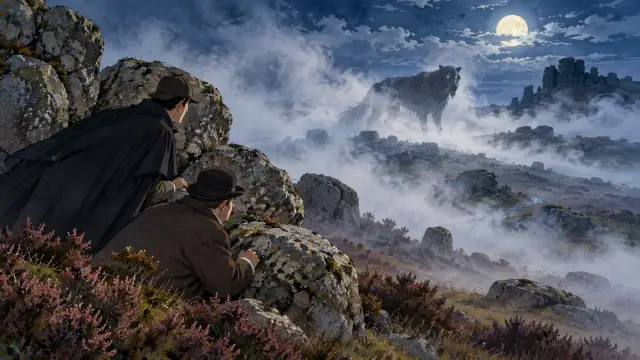
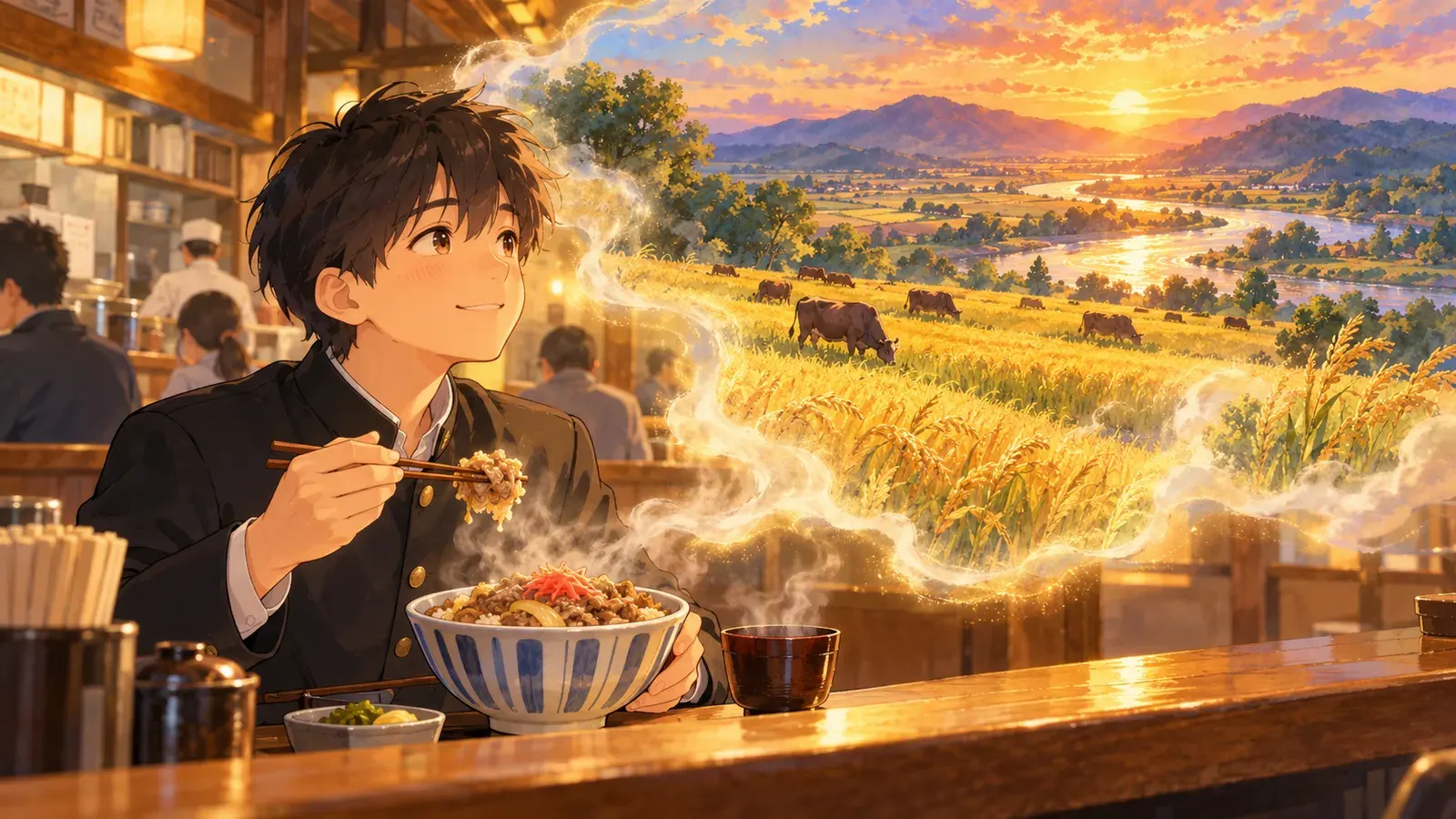
A student named Haruto is eating a bowl of gyudon, rice topped with beef, at a restaurant near his school. He drinks one glass of water with his meal. How much water did his lunch use? "Just one glass," he might say. But if we count all the water that was needed to grow the rice and raise the cattle, the answer is very different. If his bowl contains about 100 grams of beef, the beef alone may have needed around 2,000 liters of water, enough to fill about ten bathtubs.
ハルトという生徒が、学校の近くの店で牛丼を食べています。ごはんの上に牛肉をのせた料理です。食事と一緒に、水を1杯飲みました。このお昼ごはんに、どれだけの水が使われたのでしょうか。ハルトなら「コップ1杯だけ」と答えるかもしれません。でも、お米を育て、牛を育てるのに必要だった水をすべて数えると、答えはまったくちがってきます。どんぶりに牛肉が100グラムほど入っているとすれば、牛肉だけで約2000リットル、おふろ10杯分ほどの水が使われたかもしれないのです。
This hidden water is called virtual water. The idea was introduced in 1993 by a British researcher, Professor John Anthony Allan, who studied water in the Middle East. He noticed that countries in dry regions were able to feed their people even though they did not have enough water to grow all of their own food. The reason was that they imported food, and with it, the water that had been used to produce that food. For this work, he received the Stockholm Water Prize in 2008.
このかくれた水は、「バーチャルウォーター(仮想水)」とよばれています。この考え方は、1993年、中東の水について研究していたイギリスのジョン・アンソニー・アラン教授が紹介したものです。アラン教授は、乾燥した地域の国々が、自分たちの食料をすべて育てるだけの水がないのに、国民を養えていることに気づきました。その理由は、食料を輸入することで、その食料をつくるのに使われた水も一緒に取り入れていたからでした。この研究で、アラン教授は2008年にストックホルム水大賞を受けました。
Japan's Ministry of the Environment explains virtual water as the amount of water that would be needed if an importing country produced the same food at home. For example, growing one kilogram of corn requires about 1,800 liters of water for irrigation. Beef needs far more. Cattle eat large amounts of grain as they grow, so producing one kilogram of beef is said to require about 20,000 liters of water.
日本の環境省は、バーチャルウォーターを、食料を輸入している国が、その食料を自分の国でつくるとしたらどれだけの水が必要か、を示したものだと説明しています。たとえば、トウモロコシを1キログラム育てるには、田畑に引く水が約1800リットル必要です。牛肉には、それよりはるかに多くの水が必要です。牛は育つ間に大量の穀物を食べるので、牛肉1キログラムをつくるには、約2万リットルの水が必要だと言われています。
In general, vegetables need less water than grain, and grain needs much less than meat. This is because animals must eat a lot of plants before they become food for us. A cow, for example, must eat many kilograms of grain to produce just one kilogram of beef. In other words, when we eat meat, we are also using all the water that was used to grow the animals' food.
一般に、野菜は穀物より少ない水ですみ、穀物は肉よりずっと少ない水ですみます。動物が私たちの食べ物になるまでには、たくさんの植物を食べなければならないからです。たとえば、牛肉をたった1キログラムつくるのにも、牛は何キログラムもの穀物を食べなければなりません。つまり、肉を食べるとき、私たちは、その動物のえさを育てるのに使われた水もすべて使っていることになるのです。
Japan imports a large part of its food. In the 2025 fiscal year, Japan's food self-sufficiency rate, measured in calories, was only 37 percent. This means that most of the calories Japanese people eat come from food produced in other countries, such as wheat for bread and noodles, soybeans for tofu and soy sauce, and corn to feed cattle, pigs, and chickens.
日本は、食料の多くを輸入しています。2025年度の日本の食料自給率は、カロリーをもとに計算すると、わずか37パーセントでした。日本人がとっているカロリーの大部分は、外国でつくられた食料から来ているということです。たとえば、パンやめんになる小麦、豆腐やしょうゆになる大豆、牛やぶた、にわとりのえさになるトウモロコシなどです。
As a result, Japan is a huge importer of virtual water. The Ministry of the Environment estimated that in 2005, Japan imported about 80 billion cubic meters of virtual water, mostly through food. This is about the same as the total amount of water used in Japan in a whole year. Another study, based on data from 2000, gave a smaller figure of about 64 billion cubic meters, but either way, the amount is enormous.
その結果、日本はバーチャルウォーターを大量に輸入しています。環境省の推計では、2005年に日本が輸入したバーチャルウォーターは約800億立方メートルで、その大部分は食料によるものでした。これは、日本国内で1年間に使われる水の量とほぼ同じです。2000年のデータをもとにした別の研究では、約640億立方メートルと少なめの数字が出ていますが、どちらにしても、ばく大な量であることに変わりはありません。
Interestingly, Japan is not a dry country. Each year, it receives about 1.4 times as much rain as the world average. However, because Japan has many people and little land, the total amount of rain for each person is only about one fourth of the world average. Rivers are short and steep, so much of the rain quickly runs into the sea.
意外なことに、日本は乾燥した国ではありません。毎年、世界の平均の約1.4倍の雨が降ります。けれども、日本は人口が多く、土地がせまいので、一人あたりの雨の量を合計しても、世界の平均の4分の1ほどしかありません。川は短く流れが急なので、雨の多くはすぐに海へ流れていってしまいます。
Why does this matter? Around the world, farming uses about 70 percent of all the fresh water that people take from rivers, lakes, and underground, according to the Food and Agriculture Organization of the United Nations. In 2021, more than two billion people lived in countries under water stress, where people use a large share of the fresh water that is available. In some dry farming regions, groundwater is being pumped out faster than rain can refill it.
これは、なぜ大切なのでしょうか。国連食糧農業機関(FAO)によると、世界で人々が川や湖、地下からくみ上げる真水のうち、約70パーセントが農業に使われています。2021年には、20億人を超える人が「水ストレス」のある国、つまり使える真水のうち大きな割合をすでに使ってしまっている国に住んでいました。乾燥した農業地帯の中には、雨でおぎなわれるより速いペースで地下水をくみ上げているところもあります。
Virtual water is not only found in food. Making clothes, paper, cars, and smartphones also uses water, from growing cotton in the fields to cooling machines in factories. When we buy imported products, we are also, in a sense, using water from the places where they were made.
バーチャルウォーターは、食べ物の中だけにあるのではありません。服や紙、自動車、スマートフォンをつくるのにも水が使われます。畑で綿を育てるのにも、工場で機械を冷やすのにも水が必要なのです。輸入品を買うとき、私たちはある意味で、それがつくられた土地の水も使っていることになります。
Some experts see the trade in virtual water as a smart system. Countries with plenty of water and land can grow food and sell it, while countries with little water can save their own water for drinking and industry. Japan has a lot of rain, but much of its land is mountainous, so it would be very difficult to grow all the food it needs at home. From this point of view, trade helps the world use its water more efficiently.
バーチャルウォーターの取り引きを、かしこい仕組みだと考える専門家もいます。水と土地がたっぷりある国は食料を育てて売り、水の少ない国は自分たちの水を飲み水や工業のためにとっておけるからです。日本は雨が多いものの、国土の多くが山地なので、必要な食料をすべて国内で育てるのはとてもむずかしいでしょう。この見方に立てば、貿易のおかげで、世界は水をより効率よく使えていることになります。
Others are worried. If Japan depends on water in other countries, problems abroad quickly become Japan's problems, too. Droughts in major farming countries, which may become more common as the climate changes, can reduce harvests and raise food prices around the world. Some people also ask whether it is fair for rich countries to use water from regions where local people may not have enough water themselves.
一方で、心配する人たちもいます。日本がほかの国の水にたよっていると、外国で起きた問題が、すぐに日本の問題にもなります。大きな農業国で干ばつが起きると、収穫が減り、世界中で食料の値段が上がることがあります。そして干ばつは、気候が変わるにつれて増えるかもしれません。また、地元の人々でさえ水が足りないかもしれない地域から、豊かな国が水を使うのは公平なのか、と問いかける人もいます。
Thinking about virtual water can also change the way we see our daily choices. When we throw away food, we also throw away all the water that was used to produce it. In Japan, a large amount of food that could still be eaten is thrown away every year, so this hidden waste of water is not small. Wasting less food, choosing seasonal foods, and eating a little less meat are small ways to reduce our water footprint, which is the total amount of water used to make the things we consume. Of course, growing food in Japan also uses water, so the question is not simple.
バーチャルウォーターについて考えると、毎日の選択の見え方も変わってきます。食べ物を捨てるとき、私たちは、その食べ物をつくるのに使われた水も、すべて捨てていることになります。日本では、まだ食べられる食べ物が毎年大量に捨てられているので、このかくれた水のむだは小さくありません。食べ物のむだを減らすこと、旬の食べ物を選ぶこと、肉を食べる量を少し減らすことは、私たちのウォーターフットプリントを減らす小さな方法です。ウォーターフットプリントとは、私たちが使うものをつくるのに使われた水の総量のことです。もちろん、日本で食料を育てるのにも水は使われるので、話は単純ではありません。
There is also a debate about national policy. Some people believe that Japan should grow more of its own food, for example by using farmland that is no longer used and by supporting young farmers. This would make Japan less dependent on foreign water and safer in times of crisis. Others argue that food produced in Japan is often more expensive, and that it is wiser to buy food from many different countries, so that a problem in one place does not cause a shortage.
国の政策をめぐる議論もあります。日本はもっと多くの食料を自分の国で育てるべきだ、と考える人もいます。たとえば、使われなくなった農地を活用したり、若い農家を支えたりするのです。そうすれば、日本は外国の水にあまりたよらずにすみ、いざというときにも安心です。一方、日本でつくった食料は値段が高いことが多く、たくさんの国から食料を買うほうがかしこい、と主張する人もいます。そうしておけば、どこか一か所で問題が起きても、食料が足りなくなることはないからです。
What do you think? Some people say that Japan should produce more of its own food, because depending on other countries' water and food is risky. Others say that Japan should continue to import food from many countries, because trade lets the world use water and land in the most efficient way.
あなたはどう思いますか。日本は自分の国でもっと多くの食料をつくるべきだ、と言う人もいます。ほかの国の水や食料にたよるのは危ないからです。一方、日本はこれからも多くの国から食料を輸入し続けるべきだ、と言う人もいます。貿易のおかげで、世界は水と土地をいちばん効率よく使えるからです。
 2段落目に「they imported food, and with it, the water that had been used to produce that food.」(食料と、その生産に使われた水を輸入した)とあります。

 原田英語の究極の英単語帳(CEFR-J 6,868語)

 聞くだけモードで、文字を見ずに内容がわかるか試す。
 1文リピートで音読・シャドーイングも。

 名作文学