




 約10分
 6:13
 全訳つき
 お道具箱
 読書ラウンジ
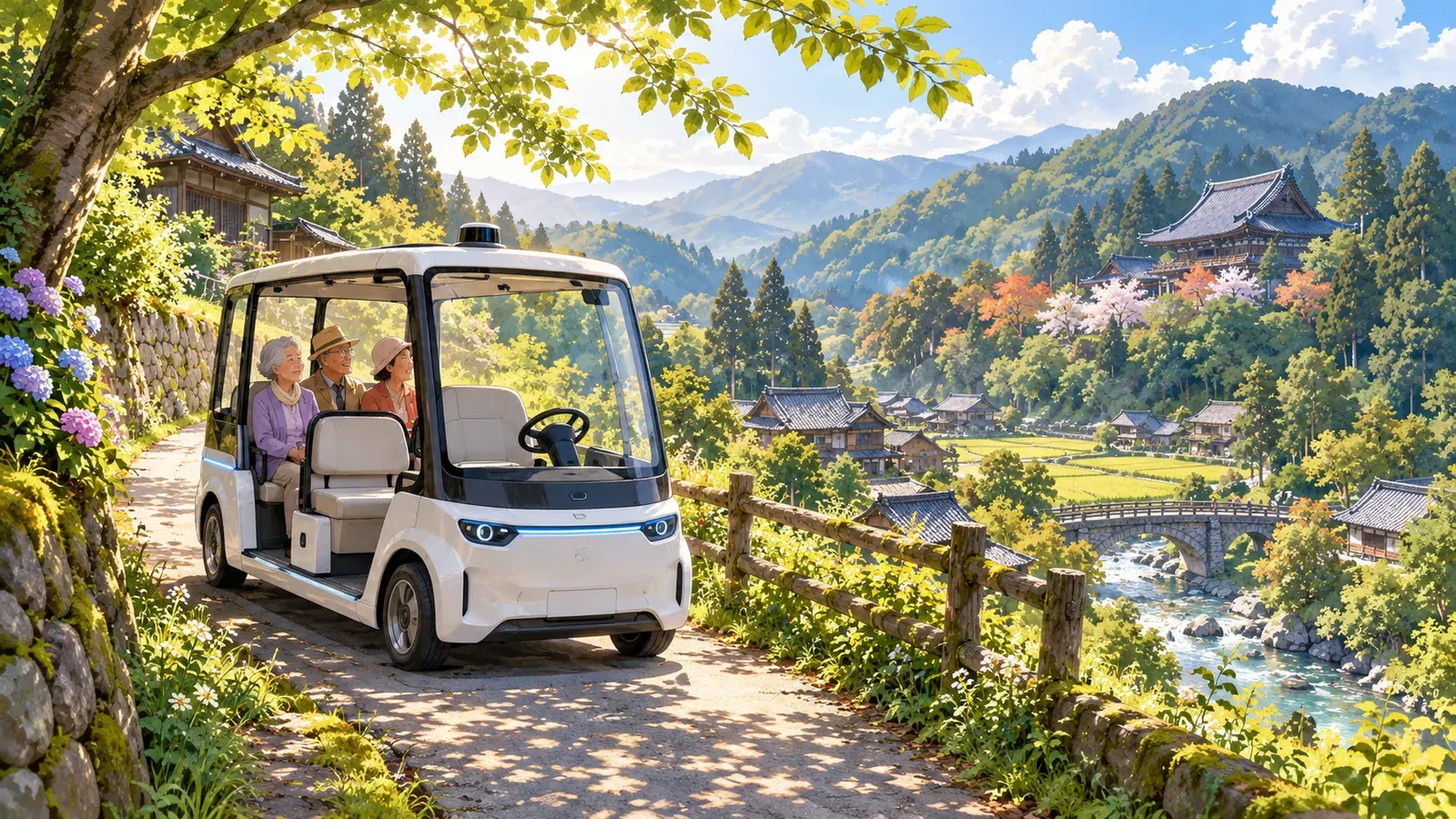
In a quiet town in Fukui Prefecture, a small electric cart moves slowly along a narrow path in the countryside. It carries a few passengers, but there is no one in the driver's seat. In May 2023, this service in the town of Eiheiji became the first "Level 4" self-driving service in Japan to start running with no driver on board. Level 4 means that the vehicle can drive itself completely under certain conditions. Self-driving cars, once a dream from science fiction, are slowly becoming part of real life.
福井県の静かな町で、小さな電動カートが、田園の中の細い道をゆっくりと進んでいきます。数人の乗客を乗せていますが、運転席にはだれもいません。2023年5月、永平寺町のこのサービスは、運転手を乗せない「レベル4」の自動運転サービスとして、日本で初めて運行を始めました。レベル4とは、決められた条件のもとでなら、車が完全に自分で走れる、という意味です。かつてはSFの中の夢だった自動運転車が、少しずつ現実の暮らしの一部になりつつあります。
Experts usually describe self-driving technology in six levels, from Level 0 to Level 5. At Level 0, a human does all the driving. At Levels 1 and 2, the car can help with steering or speed, for example by keeping a safe distance from the car in front, but the driver must watch the road at all times. Many new cars already have these features.
専門家はふつう、自動運転の技術を、レベル0からレベル5までの6段階で表します。レベル0では、運転はすべて人間がします。レベル1と2では、車がハンドル操作や速度の調整を手伝います。たとえば、前の車との安全な距離を保つといった機能です。ただし、運転手はいつも道路を見ていなければなりません。今の新しい車の多くには、こうした機能がすでについています。
At Level 3, the car drives itself in limited situations, but the driver must be ready to take control when the system asks. At Level 4, the car can drive itself completely, but only within a limited area or under limited conditions. Level 5, a car that can drive anywhere in any conditions, does not exist yet.
レベル3になると、限られた場面では車が自分で運転します。ただし、システムから求められたら、運転手はすぐに運転を代われるようにしておかなければなりません。レベル4では、車は完全に自分で運転できます。ただし、それは限られた地域の中か、限られた条件のもとでだけです。レベル5は、どこでも、どんな条件でも自分で走れる車ですが、まだ実現していません。
Japan has played an important role in this change. In March 2021, Honda began leasing a version of its Legend car that had been approved for Level 3 driving, and it was described as the first car of its kind in the world. In heavy traffic on expressways, the system could take over the driving, and the driver was allowed to take their eyes off the road. However, only 100 of these cars were offered, and the system worked only in slow traffic.
この変化の中で、日本は大切な役割を果たしてきました。2021年3月、ホンダは、レベル3の運転について認可を受けた「レジェンド」という車のリース販売を始めました。この種の車としては世界初だと言われました。高速道路で渋滞しているときには、システムが運転を代わり、運転手は道路から目を離してもよいことになっていました。ただし、用意されたのはわずか100台で、システムが働くのも、ゆっくりとしか進まない渋滞の中だけでした。
The Level 4 service in Eiheiji is also very limited. The carts follow a guide wire laid in the road, travel at only about 12 kilometers per hour, and run on a route of about two kilometers. Staff watch them from a distance in case of trouble. Still, it was an important first step, and similar projects have since started in other parts of Japan.
永平寺町のレベル4のサービスも、ごく限られたものです。カートは道路に埋められた誘導線にそって走り、速さは時速12キロほど、走る道のりは約2キロです。何かあったときのために、離れた場所から係の人が見守っています。それでも、これは大切な第一歩でした。その後、日本のほかの地域でも、同じような取り組みが始まっています。
In the United States, self-driving taxis are already carrying large numbers of passengers. Waymo, a company owned by the same parent company as Google, runs taxis with no human driver in several cities. In 2025, it was reported to be giving more than 250,000 paid rides a week. In the same year, Waymo also started testing its cars in Tokyo, working with a Japanese taxi company and a taxi app.
アメリカでは、自動運転のタクシーが、すでにたくさんの乗客を運んでいます。グーグルと同じ親会社をもつウェイモという会社が、いくつかの都市で、人間の運転手のいないタクシーを走らせています。2025年には、1週間に25万回を超える有料の乗車を提供していると報じられました。同じ年、ウェイモは日本のタクシー会社やタクシーアプリと組んで、東京でも試験走行を始めました。
Why are so many companies and governments interested in this technology? The first reason is safety. Many traffic accidents are caused by human mistakes, such as driving too fast, falling asleep, drinking alcohol, or looking at a phone. A computer never gets tired or bored. Supporters believe that if self-driving technology becomes good enough, it could save many lives.
なぜこれほど多くの会社や政府が、この技術に関心をもっているのでしょうか。一つ目の理由は、安全です。交通事故の多くは、人間のミスで起きます。スピードの出しすぎ、居眠り、飲酒、スマホのわき見運転などです。コンピューターは疲れることも、飽きることもありません。自動運転の技術が十分に進歩すれば、たくさんの命を救えるかもしれない、と推進する人たちは考えています。
The second reason is especially important for Japan. In many rural areas, the population is aging and shrinking, and bus and train services have been reduced. Older people who give up driving for safety reasons may find it difficult to go shopping or visit a hospital. At the same time, there is a serious shortage of bus and taxi drivers. In April 2024, new rules began to limit the overtime hours of professional drivers in order to protect their health, and many companies said that this made the shortage worse. Self-driving buses and taxis could help people in these areas keep moving.
二つ目の理由は、日本にとって特に大切です。多くの地方では、高齢化と人口減少が進み、バスや電車の本数が減ってきました。安全のために運転をやめたお年寄りは、買い物や病院に行くのに困ってしまうかもしれません。一方で、バスやタクシーの運転手もひどく不足しています。2024年4月には、運転を仕事にする人の健康を守るため、残業時間を制限する新しいルールが始まりました。そのせいで人手不足がさらに深刻になった、という会社もたくさんありました。自動運転のバスやタクシーがあれば、こうした地域の人たちも出かけ続けられるかもしれません。
Self-driving technology could also help to move goods. In 2023, the Japanese government announced a plan to set up a special lane for self-driving vehicles on an expressway. Trucks that drive themselves, especially at night, might help solve the shortage of truck drivers. In addition, people riding in self-driving cars could use their travel time to read, work, or rest.
自動運転の技術は、物を運ぶのにも役立つかもしれません。2023年、日本政府は、高速道路に自動運転車のための専用の車線を設ける計画を発表しました。特に夜の間に、トラックが自分で走れるようになれば、トラック運転手の不足を解決する助けになるかもしれません。さらに、自動運転車に乗っている人は、移動の時間を読書や仕事、休憩にあてられます。
However, there are still serious problems. The technology is not perfect. Heavy snow, strong rain, and unusual situations, such as a police officer directing traffic by hand, can confuse the sensors and software. In 2018, a test car run by Uber in Arizona hit and killed a woman who was crossing a road at night. It was the first known case of a pedestrian dying in an accident with a self-driving car. A safety driver was in the car, but she was looking down instead of watching the road.
とはいえ、深刻な問題もまだ残っています。技術は完璧ではありません。大雪や強い雨、それに、警察官が手で交通整理をしているといったふだんと違う場面では、センサーやソフトウェアが判断を誤ることがあります。2018年、アリゾナ州でウーバーが走らせていた試験車が、夜に道路を渡っていた女性をはね、死亡させました。自動運転車の事故で歩行者が亡くなったのは、知られているかぎり、これが初めてでした。車には安全のための運転手が乗っていましたが、道路を見ずに下を向いていました。
This accident raised a difficult question: when a self-driving car causes an accident, who is responsible? With an ordinary car, the driver is usually responsible. But if a computer was driving, should the blame fall on the car maker, the company that wrote the software, or the organization that runs the service? At Level 3, the answer is especially unclear, because control can pass from the system back to the driver when the system asks. Many countries, including Japan, are still working out how laws and insurance should deal with these cases.
この事故は、難しい問いを投げかけました。自動運転車が事故を起こしたら、だれが責任を負うのか、という問いです。ふつうの車なら、たいていは運転手の責任です。けれども、運転していたのがコンピューターだったら、責めを負うのは自動車メーカーでしょうか。ソフトウェアを作った会社でしょうか。それとも、サービスを運営している組織でしょうか。レベル3では、システムから求められると、運転がシステムから運転手へ引き継がれることがあります。そのため、答えは特にはっきりしません。日本をふくむ多くの国が、こうした場合に法律や保険でどう対応するかを、今も検討しています。
There are also moral questions. If an accident cannot be avoided, how should a car decide what to do? Humans make such decisions in a moment, but a self-driving car must follow rules that someone has written in advance. Other people worry about criminals taking control of cars through the internet, and about the future of people who drive for a living.
道徳の問題もあります。どうしても事故がさけられないとき、車はどう行動を決めるべきでしょうか。人間はそうした判断を一瞬で下しますが、自動運転車は、だれかが前もって書いたルールに従うしかありません。ほかにも、犯罪者がインターネットを通じて車を乗っ取るのではないかという心配や、運転を仕事にしている人たちの今後を心配する声もあります。
Finally, people must be willing to trust these cars. Many people feel nervous about riding in a car with nobody at the wheel. Supporters say that trust will grow as people gain experience, just as people once had to get used to elevators without operators.
最後に、人々がこうした車を信頼してくれなければなりません。だれもハンドルをにぎっていない車に乗るのは不安だ、と感じる人はたくさんいます。推進する人たちは、経験を重ねるにつれて信頼は育っていく、と言います。かつて人々が、係員のいないエレベーターに慣れていったのと同じだ、というのです。
Self-driving cars will probably not replace all human drivers soon. For now, they work best on simple routes, in good weather, and at low speeds. But step by step, they are moving from test courses onto real roads. How quickly they spread will depend not only on technology, but also on laws, costs, and the feelings of the people who share the road with them.
自動運転車が、近いうちに人間の運転手をすべて置きかえることは、おそらくないでしょう。今のところ、自動運転車がいちばんうまく走れるのは、単純な道で、天気がよく、速度がおそいときです。それでも一歩ずつ、自動運転車は試験コースから実際の道路へと出てきています。どれだけ早く広まるかは、技術だけでなく、法律や費用、そして同じ道路を使う人たちの気持ちにもかかっています。
What do you think? Some people say that self-driving cars should be introduced quickly, because they can reduce accidents and help older people in the countryside who cannot drive. Others say that we should be careful, because the technology is not yet perfect, and it is still unclear who is responsible when an accident happens.
あなたはどう思いますか。自動運転車は早く導入するべきだ、と言う人もいます。事故を減らせるうえに、運転できない地方のお年寄りの助けになるからです。一方、慎重になるべきだ、と言う人もいます。技術はまだ完璧ではなく、事故が起きたときにだれが責任を負うのかも、まだはっきりしていないからです。
 1段落目に「the first "Level 4" self-driving service in Japan to start running with no driver on board」(日本初のレベル4サービスが運転手なしで運行開始)とあります。

 原田英語の究極の英単語帳(CEFR-J 6,868語)

 聞くだけモードで、文字を見ずに内容がわかるか試す。
 1文リピートで音読・シャドーイングも。



 名作文学


 世界の民話