Summers in Japan have become hotter. Heavy rains that cause floods and landslides seem to happen more often, and cherry blossoms bloom earlier than in the past. Around the world, heat waves, wildfires, and droughts make the news almost every year. Scientists agree that the climate is changing, and that human activity is the main cause.
日本の夏は暑くなりました。洪水や土砂くずれを引き起こす大雨は、以前より増えたように思えますし、桜も昔より早く咲くようになりました。世界中で、熱波や山火事、干ばつが、ほとんど毎年ニュースになっています。気候が変わりつつあること、そしてその主な原因が人間の活動であることについて、科学者たちの意見は一致しています。
The basic mechanism is simple. When we burn fossil fuels such as coal, oil, and gas, carbon dioxide is released into the air. This gas, along with others such as methane, acts like a blanket around the earth and traps heat. Since the late 1800s, the average temperature of the earth has risen by more than one degree Celsius. 2024 was the hottest year ever recorded, and for the first time, the average for a whole year was about 1.5 degrees higher than before the industrial age.
基本的な仕組みは単純です。石炭や石油、ガスといった化石燃料を燃やすと、二酸化炭素が空気中に放出されます。このガスは、メタンなどのほかのガスとともに地球を包む毛布のようなはたらきをして、熱を閉じこめます。1800年代の終わりから、地球の平均気温は摂氏1度以上上がりました。2024年は記録が残る中で最も暑い年となり、1年間の平均が初めて、産業化以前より約1.5度高くなりました。
One degree may not sound like much, but it has big effects. Warmer air holds more water, so rains become heavier. Ice in the Arctic and on mountains melts, and sea levels rise, which threatens low islands and coastal cities. Some plants and animals cannot adapt quickly enough. Food production may suffer, and heatstroke has become a serious danger, especially for older people.
1度と聞くと、大したことはないように思えるかもしれません。でも、その影響は大きいのです。あたたかい空気は、より多くの水分を含むので、雨がはげしくなります。北極や山の氷がとけ、海面が上がります。そのため、低い島や海沿いの都市があぶなくなります。変化に追いつけない動物や植物もいます。食料の生産が打撃を受けるおそれもありますし、熱中症は、特にお年寄りにとって深刻な危険になっています。
Japan is already feeling these changes. In recent summers, temperatures above 35 degrees have become common in many cities, and the number of people taken to hospitals with heatstroke has increased. Rice farmers have reported that very hot weather lowers the quality of their rice, and some fishermen are catching fish that used to live only in warmer southern seas. Heavy rains have also caused deadly floods in western Japan and other regions.
日本では、すでにこうした変化が起きています。ここ数年の夏は、多くの都市で35度を超える日がめずらしくなくなり、熱中症で病院に運ばれる人も増えました。米農家からは、ひどい暑さで米の品質が下がるという声が上がっています。かつてはもっと南のあたたかい海にしかいなかった魚がとれるようになった、という漁師もいます。大雨は、西日本などの地域で、多くの命をうばう洪水も引き起こしてきました。
In 2015, almost all countries agreed to the Paris Agreement. Its goal is to keep warming well below two degrees, and to try to limit it to 1.5 degrees. Japan has set a goal of becoming carbon neutral by 2050. This means that the amount of greenhouse gases it releases will be balanced by the amount that it removes from the air.
2015年、ほとんどすべての国がパリ協定に合意しました。その目標は、気温の上昇を2度より十分低くおさえ、できれば1.5度までにとどめることです。日本は、2050年までにカーボンニュートラルになるという目標をかかげています。つまり、日本が出す温室効果ガスの量と、空気中から取りのぞく量を、差し引きゼロにするということです。
Much of the work must be done by governments and companies, such as building clean power plants, improving public transportation, and changing the way factories work. But many people ask, "What can I do as one person?" In fact, there are quite a few things.
対策の多くは、政府や企業がしなければならないことです。クリーンな発電所を建てる、公共交通をよくする、工場の動かし方を変える、といったことです。でも、「一人の人間として、自分に何ができるだろう」と考える人もたくさんいます。実は、できることはかなりあるのです。
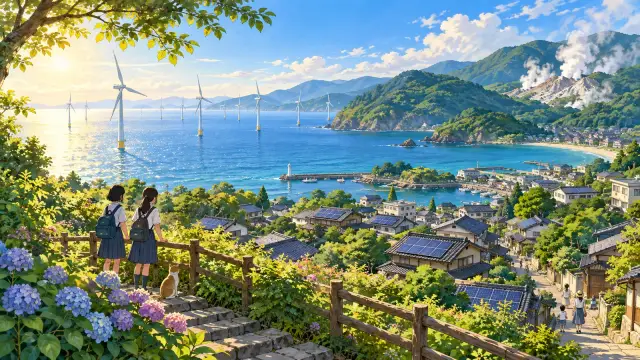
First, we can save energy at home. Turning off lights and devices that are not being used, setting the air conditioner to a reasonable temperature, and choosing energy-saving appliances all help. Some families put solar panels on their roofs, and some power companies let customers choose electricity from renewable sources.
第一に、家でエネルギーを節約できます。使っていない明かりや機器を消す、エアコンをほどよい温度にする、省エネ型の家電を選ぶ。どれも役に立ちます。屋根に太陽光パネルをつける家庭もありますし、再生可能エネルギーでつくった電気を選べる電力会社もあります。
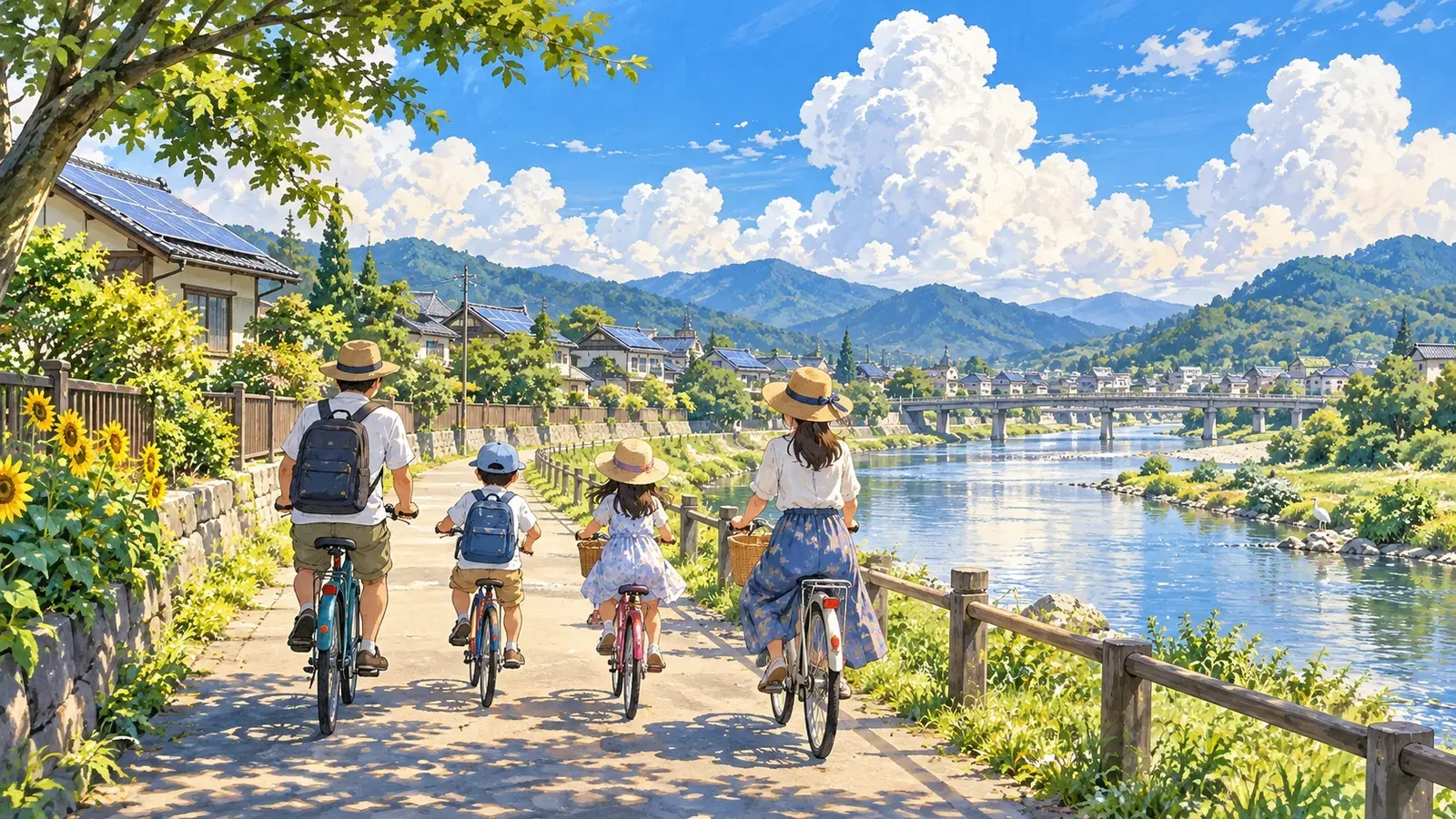
Second, we can think about how we travel. Walking, cycling, and using trains or buses produce much less carbon dioxide than driving alone. Airplanes produce a lot, so taking fewer flights, or choosing trains for shorter trips, makes a difference.
第二に、移動の仕方を考えましょう。歩いたり、自転車に乗ったり、電車やバスを使ったりすれば、一人で車を運転するより、出す二酸化炭素はずっと少なくてすみます。飛行機は二酸化炭素をたくさん出すので、乗る回数を減らしたり、近い旅には電車を選んだりすれば、ちがいが出ます。
Third, we can think about what we eat and buy. Producing beef releases far more greenhouse gases than producing vegetables or beans, so eating less meat helps. Wasting less food, buying local and seasonal products, and using things for a long time instead of buying new ones all reduce emissions.
第三に、何を食べ、何を買うかを考えましょう。牛肉を作るときには、野菜や豆を作るときより、はるかに多くの温室効果ガスが出ます。ですから、肉を食べる量を減らせば役に立ちます。食べ物のむだを減らす、地元の旬のものを買う、新しいものを買わずに長く使う。どれも排出量を減らします。
Finally, we can use our voices. We can talk about climate change with family and friends, support companies that take the environment seriously, and learn about how different leaders plan to deal with the problem. Young people around the world have held marches to ask leaders to take stronger action.
最後に、声を上げることもできます。家族や友達と気候変動について話したり、環境を大切にする企業を応援したり、さまざまなリーダーがこの問題にどう取り組むつもりなのかを調べたりするのです。世界中の若者たちが、もっと強い対策をとるようリーダーたちに求めて、デモ行進をしてきました。
Japan has a well-known example of how a small change can spread. Since 2005, the government has encouraged "Cool Biz," a campaign in which office workers wear lighter clothes without jackets and ties in summer, so that air conditioners can be set to a higher temperature. At first, some people felt it was strange to go to work without a tie, but today it is normal in many offices.
日本には、小さな変化が広がった有名な例があります。2005年から、政府は「クールビズ」を呼びかけてきました。夏に会社員が上着やネクタイなしの軽い服装で働き、エアコンの設定温度を高めにできるようにするキャンペーンです。初めはネクタイなしで出勤するのを変だと感じる人もいましたが、今では多くの職場でふつうのことになっています。
Technology can also help us make better choices. Some apps show how much carbon dioxide our daily activities produce, and some products show their carbon footprint on their labels. Companies are also developing ways to capture carbon dioxide from the air and store it underground, although these methods are still expensive and used only on a small scale.
技術も、私たちがよりよい選択をする助けになります。日々の行動でどれだけ二酸化炭素が出ているかを示してくれるアプリもありますし、ラベルにカーボンフットプリント(製品が一生の間に出す温室効果ガスの量)を表示している商品もあります。企業は空気中から二酸化炭素を取り出して地下にためる方法も開発していますが、こうした方法はまだ費用が高く、小さな規模でしか使われていません。
However, some people doubt that individual actions really matter. They point out that a small number of large companies and countries produce most of the emissions, and that one person's choices are only a tiny drop in the ocean. Some also worry that focusing on individuals lets governments and businesses avoid their own responsibility.
しかし、個人の行動が本当に意味をもつのか、と疑う人もいます。排出量の大部分は、少数の大企業や国から出ていて、一人の選択など大海の一滴にすぎない、というのです。また、個人の行動ばかりに目が向くと、政府や企業が自分たちの責任から逃れてしまうのではないか、と心配する人もいます。
Others disagree. They say that when millions of people change their habits, the total effect is large. Also, when consumers choose greener products, companies change what they make. And people who take action themselves are more likely to support bigger changes in society.
これに反対する人もいます。何百万人もの人が習慣を変えれば、全体では大きな効果になる、というのです。また、消費者が環境にやさしい商品を選べば、企業も作るものを変えます。そして、自分で行動している人のほうが、社会のより大きな変化を支持しやすいのです。
There are also different opinions about how fast we should change. Some say that we must act very quickly, even if it costs a lot, because the damage will be much worse later. Others say that changing too fast could raise energy prices and hurt jobs and people with low incomes, so the change should be careful and fair.
どれくらいの速さで変わるべきかについても、意見が分かれています。たとえ費用がかかっても、すぐに行動しなければならない、と言う人もいます。あとになるほど、被害がずっと大きくなるからです。一方、変化は慎重に、公平に進めるべきだ、と言う人もいます。あまりに急ぐと、エネルギーの値段が上がり、仕事が失われたり、収入の少ない人たちが苦しんだりしかねないからです。
What do you think? Some people say that each of us should change our daily habits, because many small actions together can slow climate change. Others say that individual efforts are not enough, and that governments and big companies should take the main responsibility.
あなたはどう思いますか。わたしたち一人ひとりが毎日の習慣を変えるべきだ、と言う人もいます。小さな行動もたくさん集まれば、気候変動をおさえられるからです。一方、個人の努力では足りない、と言う人もいます。政府や大企業こそが、主な責任を負うべきだというのです。