Do you really need to own a car, a dress for a party, or a drill that you will use only once? In the sharing economy, people share or rent things, spaces, and skills with each other, usually through apps on their smartphones. Instead of buying everything, people pay to use things only when they need them.
車や、パーティー用のドレス、一度しか使わない電動ドリルを、本当に自分で持つ必要があるでしょうか。シェアリングエコノミーでは、物や場所、技能を、人どうしで共有したり貸し借りしたりします。たいていはスマートフォンのアプリを使います。何でも買うのではなく、必要なときだけお金を払って使うのです。
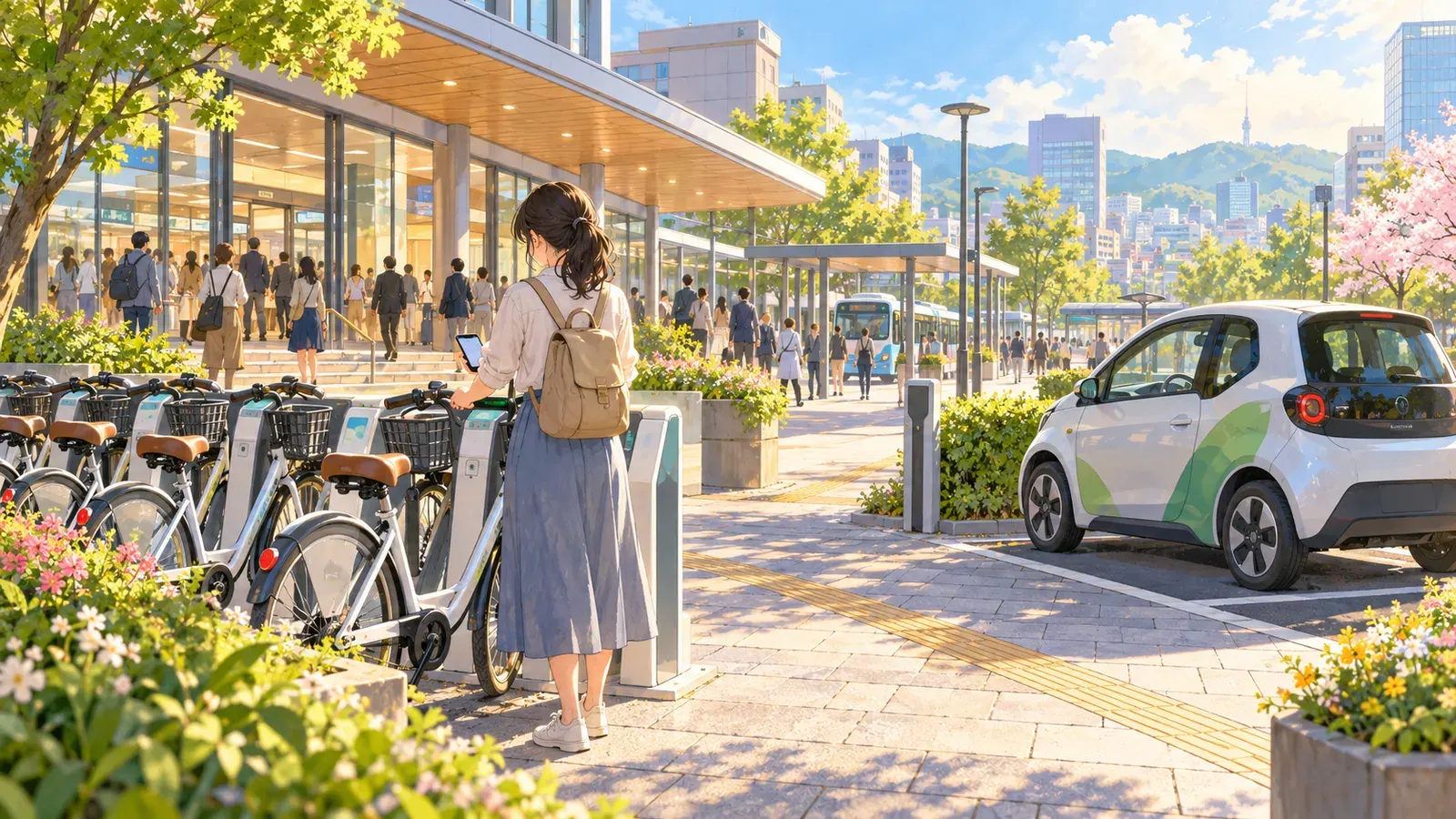
The sharing economy takes many forms. With car sharing, members can rent a car parked nearby for just an hour or two. Bicycle sharing lets people pick up a bicycle in one place and leave it in another, and in many Japanese cities you can now see shared bicycles and electric scooters. Home sharing services let people rent out a spare room or an empty house to travelers. There are also apps for sharing parking spaces, clothes, and even skills, such as cleaning, cooking, or teaching.
シェアリングエコノミーには、いろいろな形があります。カーシェアリングでは、会員は近くにとめてある車を1、2時間だけ借りられます。シェアサイクルでは、ある場所で自転車を借りて、別の場所で返せます。今では日本の多くの都市で、シェア自転車や電動キックボードを見かけます。民泊のサービスを使えば、空いている部屋や空き家を旅行者に貸すことができます。駐車場や服、さらには掃除や料理、勉強を教えることなどの技能を共有するアプリもあります。
Flea market apps, where people sell used items to each other, are also part of this trend. In Japan, millions of people use them to sell clothes, books, and toys that they no longer need. Things that would have been thrown away find new owners.
人どうしで中古品を売り買いするフリマアプリも、この流れの一部です。日本では何百万人もの人が、もういらなくなった服や本、おもちゃを売るのにこうしたアプリを使っています。捨てられていたかもしれない物が、新しい持ち主を見つけるのです。
Sharing is not a new idea. In the past, people in Japanese villages often shared tools, helped each other plant rice, and lent things to their neighbors. What is new is that smartphones and the internet now allow strangers to share easily on a large scale. Apps show where items are, handle payments, and let users check each other's reviews.
分け合うことは、新しい考えではありません。昔、日本の村の人々は、よく道具を共有したり、田植えを助け合ったり、近所の人に物を貸したりしていました。新しいのは、スマートフォンとインターネットのおかげで、知らない人どうしが、大きな規模で手軽に共有できるようになったことです。アプリが、物がどこにあるかを教え、支払いの手続きをし、利用者がお互いの評価を確かめられるようにしてくれます。
Young people's ideas about owning things are also changing. Many young people in cities do not feel a strong need to own a car, which was once a symbol of success. Instead, they value experiences and convenience. Subscription services, in which people pay a monthly fee to use music, movies, clothes, or even furniture, are part of the same trend.
物を持つことについての若者の考え方も、変わってきています。都会の若者の多くは、かつては成功のしるしだった車を、それほど持ちたいとは思いません。それより、経験や便利さを大切にしています。毎月お金を払って、音楽や映画、服、さらには家具まで使えるサブスクリプションのサービスも、同じ流れの一部です。
The sharing economy has many merits. For users, it can save money. Owning a car in a city is expensive because of parking fees, insurance, and taxes, so sharing one can be much cheaper for people who drive only sometimes. For owners, it is a way to earn extra income from things they already have. A house that is empty most of the year, or a car that sits in the garage, can become useful.
シェアリングエコノミーには、たくさんの長所があります。利用する人にとっては、お金の節約になります。都会で車を持つと、駐車料金や保険、税金にお金がかかります。ときどきしか運転しない人なら、共有したほうがずっと安くすむことがあります。持ち主にとっては、すでに持っている物で収入を得る方法になります。一年のほとんど空いている家や、車庫に置きっぱなしの車が、役に立つようになるのです。
It is also said to be good for the environment. If several people share one car, fewer cars need to be made. Reusing items instead of buying new ones reduces waste. In addition, sharing services can help solve local problems. For example, in rural areas where there are few taxis and buses, residents can share rides. After some disasters, home sharing services have also offered free places to stay for people who lost their homes.
環境にもよいと言われています。数人で1台の車を共有すれば、作る車の数が少なくてすみます。新しい物を買うかわりに、使った物を再び使えば、ごみが減ります。さらに、シェアリングのサービスは、地域の問題を解決する助けにもなります。たとえば、タクシーやバスが少ない田舎では、住民どうしで車に相乗りできます。災害のあとに、家を失った人に無料で泊まる場所を提供した民泊のサービスもあります。
Japan has gradually changed its rules to allow some of these services. In 2018, a law came into effect that allows people to rent out their homes to travelers, a service known as minpaku. Ride sharing with ordinary drivers and private cars had mostly been banned, to protect safety and taxi drivers. But from 2024, it has been partly allowed in areas and at times when taxis are hard to find, under the control of taxi companies.
日本は、こうしたサービスの一部を認めるよう、少しずつルールを変えてきました。2018年には、人々が自分の家を旅行者に貸す「民泊」を認める法律が施行されました。ふつうの運転手が自家用車で客を運ぶライドシェアは、安全とタクシー運転手を守るため、ほとんど禁止されていました。しかし2024年から、タクシーがつかまりにくい地域や時間帯に限って、タクシー会社の管理のもとで、一部が認められるようになりました。
However, the sharing economy has problems, too. One is safety and trust. When you ride in a stranger's car or stay in a stranger's home, how can you be sure it is safe? Most apps use rating systems, in which users and providers review each other, but these do not prevent every problem. Accidents, crimes, and arguments over damaged items have happened.
しかし、シェアリングエコノミーには問題もあります。一つは、安全と信頼です。知らない人の車に乗ったり、知らない人の家に泊まったりするとき、安全だとどうしてわかるでしょうか。ほとんどのアプリは、利用者と提供者がお互いを評価し合う仕組みを取り入れていますが、それですべての問題が防げるわけではありません。事故や犯罪、壊れた物をめぐるもめごとも起きてきました。
Another problem is the effect on neighbors and communities. In some popular tourist cities, so many apartments have been rented to tourists that rents have risen for local residents. People living nearby sometimes complain about noise and trash left by visitors. Some cities, such as Barcelona and Amsterdam, have set strict limits on home sharing.
もう一つの問題は、近所や地域への影響です。人気の観光都市の中には、あまりに多くのアパートが観光客向けに貸し出されたため、地元の住民の家賃が上がってしまったところもあります。近くに住む人たちが、訪れた人の騒音や、置いていかれたごみに不満を言うこともあります。バルセロナやアムステルダムのように、民泊に厳しい制限を設けた都市もあります。
Workers' rights are also an issue. Many people who work through sharing apps, such as food delivery riders and drivers, are treated as independent business owners, not as employees. This means that they may not receive benefits such as paid holidays, or insurance if they are injured. On the other hand, many of these workers like the freedom to choose when and how much they work.
働く人の権利も問題になっています。料理の配達員や運転手など、シェアリングのアプリを通して働く人の多くは、社員ではなく独立した個人事業主として扱われています。そのため、有給休暇などの福利厚生や、けがをしたときの保険を受けられないことがあります。その一方で、こうした働き手の多くは、いつ、どれだけ働くかを自分で選べる自由を気に入っています。
Traditional businesses may also suffer. Hotels and taxi companies say that sharing services do not have to follow the same strict rules and pay the same costs that they do, which they think is unfair competition.
昔からある商売が打撃を受けることもあります。ホテルやタクシー会社は、不公平な競争だと考えています。シェアリングのサービスは、自分たちのように厳しいルールを守る必要も、同じ費用を払う必要もないからです。
The sharing economy shows how technology can change the idea of ownership. In the future, people may own fewer things and share more. But to make this work, society needs fair rules that protect users, workers, and communities.
シェアリングエコノミーを見ると、技術が「持つ」ということの意味を変えうることがわかります。将来、人々は持つ物を減らし、もっと分け合うようになるかもしれません。でも、それがうまくいくためには、利用者、働く人、そして地域を守る公正なルールが必要です。
What do you think? Some people say that the sharing economy is a good thing, because it saves money, reduces waste, and makes good use of what we already have. Others say that it should be strictly controlled, because it can cause safety problems and hurt workers, neighbors, and traditional businesses.
あなたはどう思いますか。シェアリングエコノミーはよいものだ、と言う人もいます。お金を節約でき、ごみを減らし、すでにある物を上手に生かせるからです。一方、厳しく管理するべきだ、と言う人もいます。安全の問題を起こしたり、働く人や近所の人、昔からある商売を苦しめたりすることがあるからです。