
 約10分
 6:27
 全訳つき
 お道具箱
 読書ラウンジ
In many Japanese towns, you can find houses with closed shutters, gardens full of tall weeds, and mailboxes that nobody opens. These are akiya, or empty houses. In recent years, the word "akiya" has even appeared in English-language news, as people around the world have become curious about Japan's abandoned homes. Why are so many houses in Japan empty, and what should be done about them?
日本の多くの町で、雨戸が閉まったままの家や、背の高い雑草だらけの庭、誰も開けない郵便受けを見かけます。こうした家が「空き家」です。最近では、英語のニュースにも「akiya」という言葉が登場するようになりました。放置された日本の家に、世界中の人が関心を持つようになったからです。日本にはなぜこれほど多くの空き家があるのでしょうか。そして、どうすればよいのでしょうか。
The numbers are striking. Every five years, the Japanese government carries out a large survey of housing and land. According to the survey taken in 2023, there were about 9 million empty homes in Japan, the highest number ever recorded. That was about 13.8 percent of all homes, or roughly one in seven. In the previous survey, in 2018, the number had been about 8.5 million.
その数には驚かされます。日本の政府は5年ごとに、住宅と土地についての大規模な調査を行っています。2023年の調査によると、日本の空き家は約900万戸で、これまでで最も多くなりました。これはすべての住宅の約13.8パーセント、つまりおよそ7戸に1戸にあたります。前回の2018年の調査では、約850万戸でした。
Not all of these homes are a problem. The total includes apartments that are waiting for new tenants, houses for sale, and second homes that are used only on holidays. However, about 3.85 million homes were not for rent or sale and were not being used for any particular purpose. Many of these houses are simply left as they are. Some experts point out that the survey is based on samples and may count some homes as empty that are actually in use, but few people doubt that the problem is real.
ただし、これらの家がすべて問題というわけではありません。この数には、新しい入居者を待っているアパートや、売りに出されている家、休みの日だけ使う別荘も含まれています。しかし、約385万戸は、貸すためでも売るためでもなく、特に何にも使われていない家でした。こうした家の多くは、そのまま放っておかれています。この調査は一部の家を抜き出して調べるものなので、実際には使われている家まで空き家として数えているかもしれない、と指摘する専門家もいます。それでも、問題が本当にあることを疑う人はほとんどいません。
Why are there so many empty houses? The biggest reason is that Japan's population is shrinking and aging. Many young people have moved from rural areas to big cities for study and work. When their parents die or move into nursing homes, the family house is left behind. The children, who now have their own homes in the city, often do not want to live in it, but they cannot easily sell it either, especially in areas where few people want to buy.
なぜ、これほど多くの空き家があるのでしょうか。いちばん大きな理由は、日本の人口が減り、高齢化が進んでいることです。多くの若者が、勉強や仕事のために地方から大都市へ移り住みました。親が亡くなったり老人ホームに入ったりすると、実家が残されます。子どもたちはもう都会に自分の家を持っているので、たいていその家に住もうとは思いません。かといって、かんたんに売ることもできません。買いたい人の少ない地域では、なおさらです。
Money and rules also play a role. Tearing down an old house can cost a large amount of money. In addition, under Japan's property tax system, land with a house on it is taxed much less than empty land. For a small piece of land, the value used to calculate the tax is cut to one-sixth. As a result, some owners have chosen to leave an old house standing rather than pay to tear it down and then pay higher taxes on the empty land.
お金やルールも関係しています。古い家を取り壊すには、多額のお金がかかることがあります。さらに、日本の固定資産税の仕組みでは、家が建っている土地は、更地よりずっと税金が安くなります。小さな土地なら、税金を計算するもとになる価格が6分の1にまで下げられるのです。そのため、お金を払って家を取り壊し、そのあと更地として高い税金を払うよりも、古い家をそのまま残しておくことを選ぶ持ち主もいます。
Another factor is the Japanese housing market. Many Japanese houses are made of wood and are expected to last only a few decades, so older houses are often seen as having little value. Many buyers prefer new homes, and new houses continue to be built even as old ones are left empty. In some cases, it is not even clear who the owner is. When a house has been passed down through several generations without the records being updated, it can be very hard to find out who is responsible for it.
日本の住宅市場の事情もあります。日本の家の多くは木でできていて、数十年しかもたないと考えられています。そのため、古い家はほとんど価値がないと見られがちです。新しい家を好む買い手が多く、古い家が空き家になっていく一方で、新しい家が建て続けられています。持ち主が誰なのかさえ、はっきりしない場合もあります。記録が書きかえられないまま、家が何世代にもわたって受けつがれていると、誰に責任があるのかを調べるのはとても難しくなります。
Empty houses can cause serious problems for neighbors. Without care, roofs and walls slowly fall apart, and a weak house may collapse in an earthquake or a typhoon. During strong winds, roof tiles or pieces of a wall can fall onto the road and hurt people walking by. Weeds and trees grow wild, and animals or insects may make their homes inside. Empty houses can also become targets for fires or crime. When a street has many abandoned houses, the whole neighborhood can start to look lonely, and this may make it even harder to attract new residents.
空き家は、近所の人たちに深刻な問題をもたらすことがあります。手入れをしないと、屋根や壁は少しずつ傷んでいき、弱った家は地震や台風で倒れるおそれがあります。強い風が吹くと、屋根がわらや壁の一部が道に落ちて、通りかかった人がけがをすることもあります。雑草や木は伸び放題になり、動物や虫が中にすみつくこともあります。空き家は、放火や犯罪にねらわれることもあります。放置された家が多い通りは、地域全体がさびしく見えるようになり、新しく住む人をいっそう呼びにくくなるかもしれません。
The government has taken several steps. A law that came into effect in 2015 allows local governments to identify empty houses that are dangerous or harmful to the area. Towns can give advice to the owners. If nothing changes, they can make an official recommendation and then give an order. Once an owner receives an official recommendation, the land loses the special tax reduction. If the owners still do nothing, the town can tear down the house itself and send the bill to the owners. In addition, since April 2024, people who inherit land or buildings have been required to register the change in ownership, so that it will be easier to know who owns what in the future.
国もいくつかの手を打ってきました。2015年に施行された法律により、市町村は、危険だったり周りに害を与えたりしている空き家を指定できるようになりました。町は持ち主に助言ができます。それでも変わらなければ、正式な勧告をし、さらに命令を出すことができます。持ち主が正式な勧告を受けると、その土地は税金の特別な軽減を受けられなくなります。それでも持ち主が何もしなければ、町が自分で家を取り壊し、その費用を持ち主に請求することができます。さらに2024年4月からは、土地や建物を相続した人は、持ち主が変わったことを登記しなければならなくなりました。誰が何を持っているのかを、これから先、分かりやすくするためです。
Many towns are also trying to turn empty houses into something useful. Local governments run "akiya banks," websites that list empty houses for sale or rent, sometimes at very low prices. Some towns offer money to help people repair old houses, especially young families who move in from cities. Some old houses have been renovated and reborn as cafes, guesthouses for tourists, shared offices, or places where local people can gather. Traditional wooden houses, in particular, have attracted people in Japan and abroad who love their old wooden beams and quiet gardens.
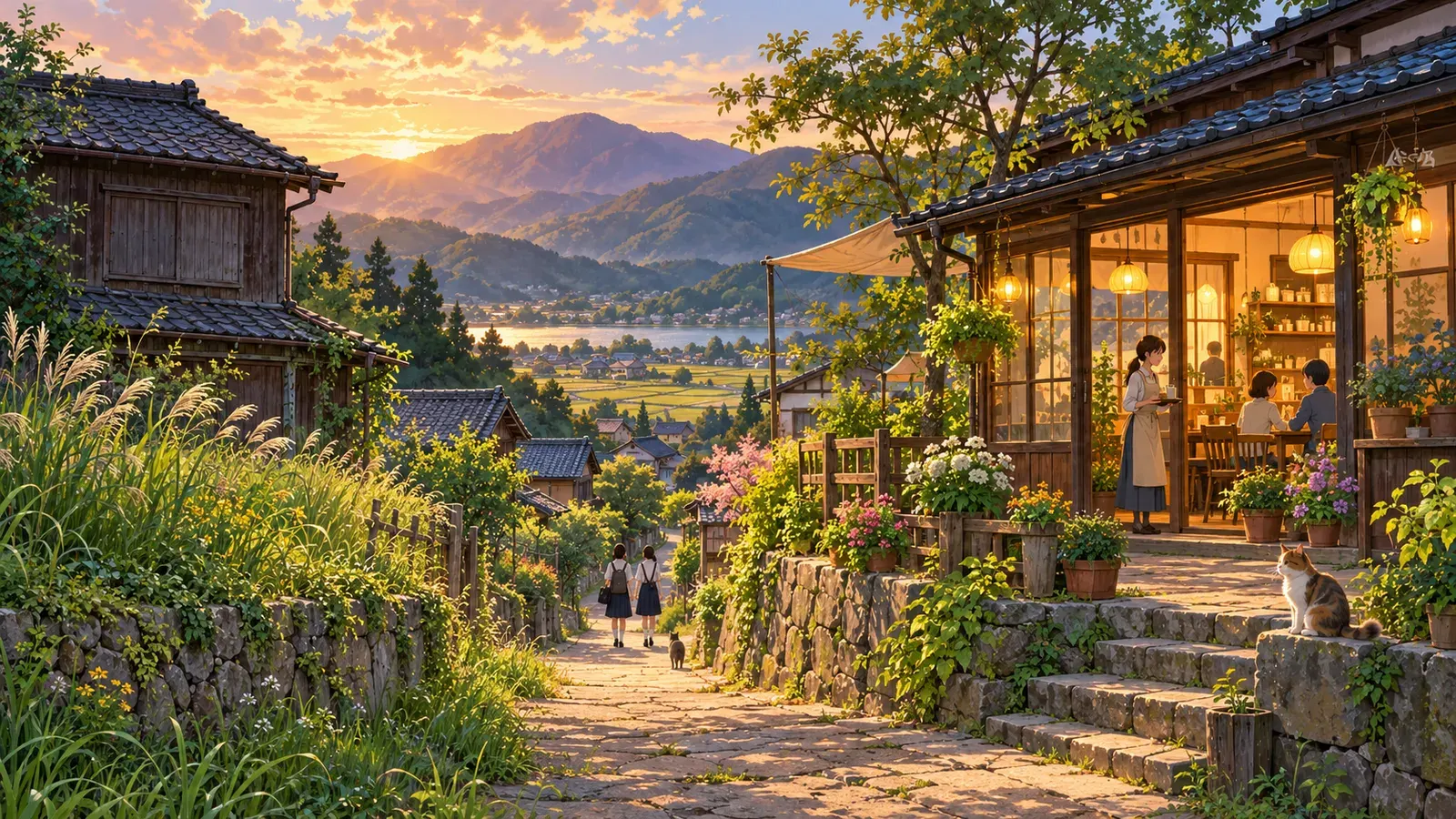
空き家を役に立つものに変えようとしている町もたくさんあります。市町村は「空き家バンク」を運営しています。売りに出されたり、貸し出されたりしている空き家を紹介するウェブサイトで、とても安い値段のこともあります。古い家の修理費用を補助する町もあり、都会から移り住む若い家族は特にその対象になっています。改装されて、カフェや旅行者向けのゲストハウス、シェアオフィス、地域の人が集まる場所として生まれ変わった古い家もあります。特に伝統的な木造の家は、古い木の梁や静かな庭を愛する人たちを、国内からも海外からも引きつけています。
Still, reusing empty houses is not easy. Many are in places with few jobs, shops, or hospitals, and some need so much repair that it would be cheaper to build a new house. Many old houses would also need major work to make them strong enough for a large earthquake. Newcomers must also fit into the local community. For these reasons, some experts argue that it is not realistic to save every empty house. Instead, they say, towns should decide which houses are worth keeping and safely remove the rest, perhaps turning the land into parks, farms, or parking lots.
それでも、空き家をもう一度使うのはかんたんではありません。多くは仕事や店、病院の少ない場所にあります。新しい家を建てたほうが安くつくほど、修理が必要な家もあります。古い家の多くは、大きな地震に耐えられるようにするためにも、大がかりな工事が必要です。新しく来た人は、地域の人たちになじむ必要もあります。こうした理由から、すべての空き家を救うのは現実的ではない、と言う専門家もいます。それよりも、残す価値のある家を町が見きわめ、残りは安全に取り除くべきだというのです。跡地は公園や畑、駐車場にしてもよいかもしれません。
There are also different views about who should pay. Some people say that owners should be fully responsible for their property, and that taxes on neglected houses should be raised further to push owners to act. Others point out that many owners are elderly or do not have enough money, and that inheriting a house nobody wants is a burden they did not choose. They argue that the government should give more financial support.
誰が費用を払うべきかについても、考え方が分かれています。持ち主が自分の財産に全責任を持つべきだ、と言う人もいます。持ち主が動くように、手入れされていない家への税金をもっと上げるべきだというのです。一方で、持ち主の多くは高齢だったり、お金が足りなかったりすることを指摘する人もいます。誰もほしがらない家を相続するのは、自分で選んだわけではない負担です。だから国がもっとお金の面で支えるべきだ、と主張しています。
The empty house problem reflects the changes in Japanese society: fewer children, more elderly people, and the movement of people toward big cities. How Japan deals with it will affect the safety and appearance of towns, as well as the future of rural communities.
空き家の問題には、日本の社会の変化が映し出されています。子どもが減り、お年寄りが増え、人々が大都市へ移っていることです。日本がこの問題にどう取り組むかによって、町の安全や見た目、そして地方の地域社会の未来が左右されるでしょう。
What do you think? Some people say that the government should do more to reuse empty houses, because they can become homes, shops, and community spaces that bring new life to towns. Others say that it is better to tear down many of them, because repairing old houses in areas with few people costs too much and the land can be used in other ways.
あなたはどう思いますか。国は空き家をもっと生かすべきだ、と言う人もいます。空き家は住まいや店、地域の集いの場になり、町に新しい活気をもたらすことができるからです。一方、多くの空き家は取り壊したほうがよい、と言う人もいます。人の少ない地域で古い家を直すのはお金がかかりすぎますし、その土地はほかの使い方ができるからです。
 第2段落に「there were about 9 million empty homes in Japan」(日本には約900万戸の空き家があった)とあります。

 原田英語の究極の英単語帳(CEFR-J 6,868語)

 聞くだけモードで、文字を見ずに内容がわかるか試す。
 1文リピートで音読・シャドーイングも。

 名作文学