





 約7分
 3:57
 全訳つき
 お道具箱
 読書ラウンジ
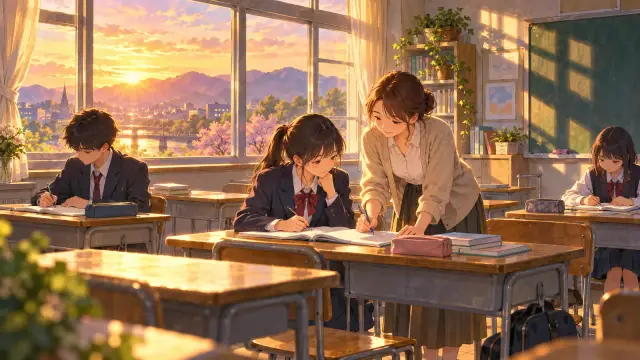
A student named Kenta had an important exam in two weeks. Every night, he sat at his desk for hours, but he could not concentrate. His heart beat fast whenever he thought about the test, and he often woke up in the middle of the night. "What's wrong with me?" he wondered. The answer was simple. Kenta was feeling stress, and he was not alone.
ケンタという生徒は、2週間後に大事な試験を控えていました。毎晩、何時間も机に向かうのですが、集中できません。試験のことを考えるたびに胸がどきどきし、夜中に目が覚めることもよくありました。「ぼく、どうしちゃったんだろう」とケンタは思いました。答えは簡単です。ケンタはストレスを感じていたのです。そして、そんなふうに感じているのは、ケンタだけではありませんでした。
Stress is the way our body and mind react to a challenge or a threat. It can be caused by big events, such as exams, moving to a new school, or problems in a family. It can also be caused by small things that keep happening, like too much homework or trouble with a friend. Almost everyone feels stress sometimes.
ストレスとは、困難や危険に出会ったときの、体と心の反応のことです。ストレスの原因になるのは、試験や転校、家族の問題のような大きな出来事のこともあります。宿題が多すぎる、友達とうまくいかない、といった小さなことが続くことが原因になる場合もあります。ストレスは、ほとんどだれもが、ときどき感じるものです。
When we feel stress, our body prepares for action. Special chemicals called hormones are released, and the heart beats faster. We breathe more quickly, and our muscles become tense. Long ago, this reaction helped humans survive. If a wild animal attacked, the body was ready to fight or to run away. This is often called the "fight or flight" response.
ストレスを感じると、体は行動の準備を始めます。ホルモンという特別な物質が出て、心臓の鼓動が速くなります。呼吸が速くなり、筋肉がこわばります。大昔、この反応は人間が生きのびるのに役立ちました。野生の動物におそわれたら、体はすぐに戦うことも、逃げることもできたのです。これは「闘争・逃走反応」と呼ばれることがよくあります。
Stress is not always bad. A small amount of stress can help us focus and do our best. For example, many athletes feel nervous before a big game, and that feeling gives them energy. Without any pressure, some students might never open their textbooks. In this way, stress can sometimes be a friend.
ストレスは、いつも悪いものとはかぎりません。少しのストレスは、集中して力を出しきる助けになります。たとえば、大事な試合の前に緊張するスポーツ選手はたくさんいますが、その緊張が力をくれるのです。プレッシャーがまったくなければ、教科書を一度も開かない生徒もいるかもしれません。このように、ストレスはときに味方にもなるのです。
However, problems can begin when stress is too strong or continues for a long time. Our body was designed to deal with short dangers, not with worries that last for weeks or months. Long-lasting stress can make it hard to sleep, eat, or concentrate. Some people get headaches or stomachaches, and they may feel tired, angry, or sad more easily. Strangely, too much stress can make it harder to study, and that was exactly Kenta's problem.
けれども、ストレスが強すぎたり、長く続いたりすると、問題が起こり始めます。わたしたちの体は、短い間の危険に対応するようにできていて、何週間も何か月も続く悩みに対応するようにはできていないのです。長く続くストレスのせいで、眠ったり、食べたり、集中したりするのが難しくなることがあります。頭痛や腹痛が起こる人もいますし、疲れやすくなったり、いらいらしたり、落ち込みやすくなったりすることもあります。おかしなことに、ストレスが多すぎると、かえって勉強がしにくくなります。それがまさに、ケンタの問題でした。
So how can we handle stress well? Scientists and doctors have studied this question for many years, and they suggest some simple ideas that anyone can try.
では、ストレスと上手につきあうには、どうすればよいのでしょうか。科学者や医者は、長年この問いを研究してきました。そして、だれでも試せる簡単な方法をいくつか勧めています。
The first idea is to take care of the body. Sleep is very important, because the brain needs rest to calm our feelings and to remember what we have studied. Staying up all night before a test usually does more harm than good. Exercise also helps. Even a short walk or some stretching can make people feel calmer, and many students find that they can study better after they move their bodies.
一つ目は、体を大切にすることです。睡眠はとても大切です。脳は、気持ちを落ち着かせたり、勉強したことを覚えたりするのに、休みを必要としているからです。試験の前の晩に徹夜をすると、たいていは、よいことより悪いことのほうが多くなります。運動も役に立ちます。少し散歩をしたりストレッチをしたりするだけでも、気持ちが落ち着くことがありますし、体を動かしたあとのほうが勉強がはかどる、という生徒はたくさんいます。
The second idea is to calm the mind. When you feel nervous, try breathing slowly. Breathe in through your nose, hold your breath for a moment, and then breathe out slowly through your mouth. It is also useful to break a big task into small steps. "Study for the exam" is a huge goal, but "learn ten new words today" is much easier to start.
二つ目は、心を落ち着かせることです。緊張したら、ゆっくり呼吸してみましょう。鼻から息を吸って、少し止め、それから口からゆっくり吐き出します。大きな課題を、小さな段階に分けるのも役に立ちます。「試験勉強をする」というのは大きすぎる目標ですが、「今日は新しい単語を10個覚える」なら、ずっと取りかかりやすくなります。
The third idea may be the most important: talk to someone. Sharing worries with a friend, a family member, or a teacher can make you feel better. Writing your feelings in a notebook can help too. If stress continues for a long time and makes everyday life very difficult, it is a good idea to talk to a school counselor or a doctor. Asking for help is not a sign of weakness. It is a smart way to take care of yourself.
三つ目が、いちばん大切かもしれません。だれかに話すことです。悩みを友達や家族、先生に打ち明けると、気持ちが軽くなることがあります。ノートに気持ちを書き出すのもよいでしょう。ストレスが長く続いて、毎日の生活がとてもつらくなっているなら、スクールカウンセラーや医者に相談するとよいでしょう。助けを求めるのは、弱いからではありません。自分を大切にするための、賢いやり方なのです。
Some researchers also say that the way we think about stress matters. Imagine that Kenta tells himself, "My heart is beating fast because my body is getting ready to do its best." He may feel more confident than if he thinks, "I'm too nervous, so I will fail." Changing how we see stress will not make every problem disappear, but it can help us face challenges with more courage.
ストレスをどうとらえるかが大事だ、と言う研究者もいます。たとえば、ケンタが自分にこう言い聞かせたとします。「胸がどきどきしているのは、体が力を出しきる準備をしているからだ。」そうすれば、「緊張しすぎているから、きっと失敗する」と考えるより、自信がわいてくるかもしれません。ストレスの見方を変えても、すべての問題が消えるわけではありません。でも、勇気をもって困難に立ち向かう助けにはなるのです。
Kenta decided to try some of these ideas. He went to bed at the same time every night, took a short walk after dinner, and told his older sister about his worries. On the morning of the exam, he still felt nervous, but this time the feeling helped him stay focused.
ケンタは、こうした方法をいくつか試してみることにしました。毎晩同じ時刻に寝て、夕食後に少し散歩をし、お姉さんに悩みを打ち明けました。試験の日の朝も、やはり緊張はしていました。でも今度は、その緊張が集中を保つ助けになったのです。
What do you think? Some people say schools should give fewer tests and less homework, because too much stress harms students' health. Others say that learning to deal with pressure is an important life skill, so schools should teach students how to handle stress instead.
あなたはどう思いますか。学校はテストや宿題を減らすべきだ、と言う人もいます。ストレスが多すぎると、生徒の健康に悪いからです。一方、プレッシャーに対処できるようになるのは大切な生きる力なのだから、学校はむしろ、ストレスとのつきあい方を生徒に教えるべきだ、と言う人もいます。
 3段落目に「the heart beats faster」(心臓の鼓動が速くなる)とあります。筋肉はやわらかくならず、緊張します。

 原田英語の究極の英単語帳(CEFR-J 6,868語)

 聞くだけモードで、文字を見ずに内容がわかるか試す。
 1文リピートで音読・シャドーイングも。


 世界の名作童話


 名作文学