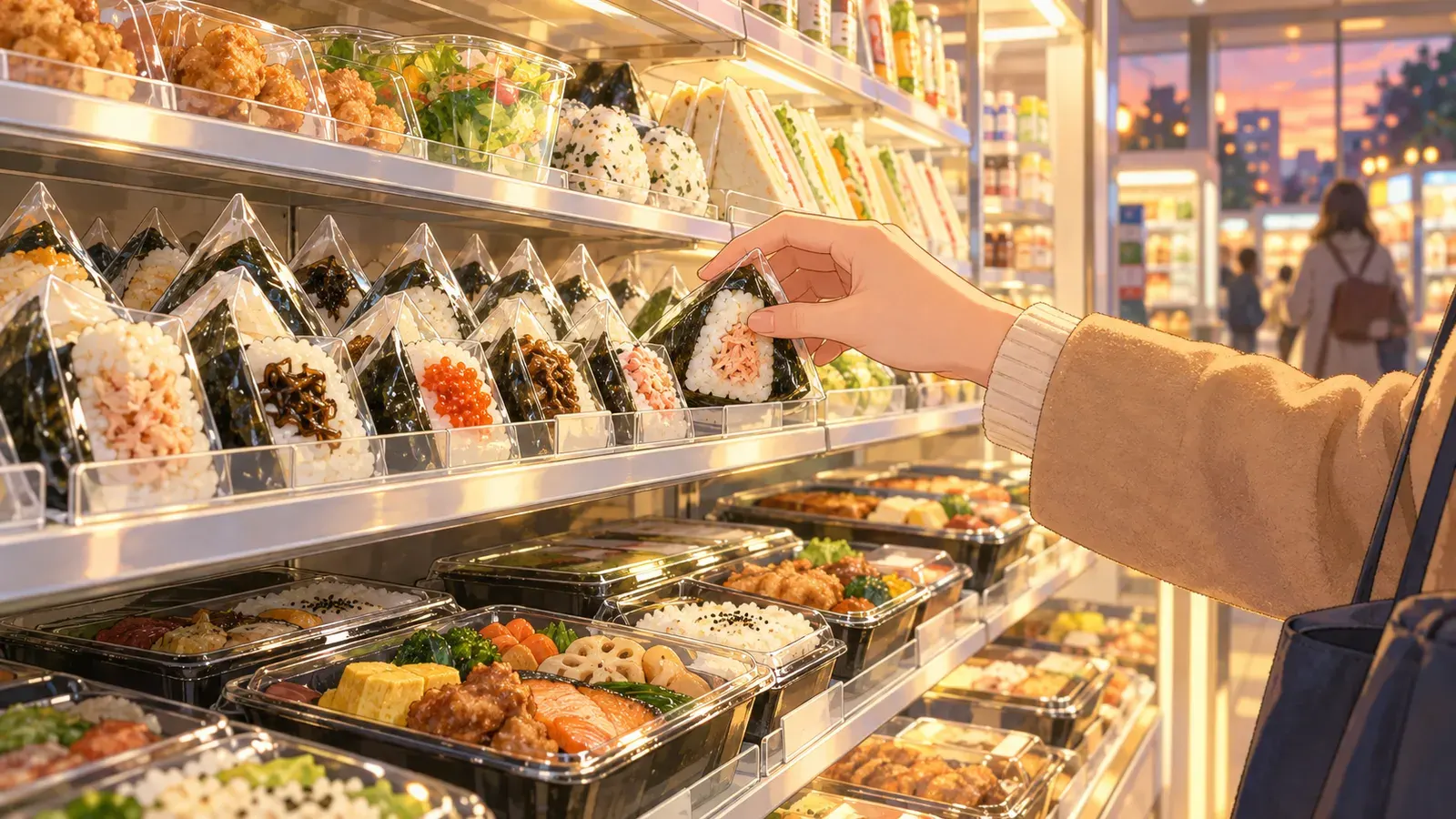
In Japan, millions of tons of food that could still be eaten are thrown away every year. This is called food loss. In recent years, the amount has been more than four million tons a year. That is about the same as every person in Japan throwing away one rice ball every day.
日本では毎年、まだ食べられるのに捨てられてしまう食べ物が、何百万トンもあります。これを食品ロスといいます。ここ数年、その量は年に400万トンを超えています。日本人の一人ひとりが毎日、おにぎりを1個ずつ捨てているのとほぼ同じ量です。
Food loss comes from two main places. About half comes from businesses, such as food factories, supermarkets, convenience stores, and restaurants. The other half comes from homes. At home, people buy too much, forget food in the refrigerator, or cook more than they can eat.
食品ロスは、おもに二つのところから出ます。約半分は、食品工場やスーパー、コンビニ、レストランなどの事業者から出ます。残りの半分は家庭から出ます。家庭では、買いすぎたり、冷蔵庫の中の食べ物を忘れたり、食べきれないほど料理を作ったりしてしまうのです。
Some business customs make the problem worse. For example, Japan has a custom known as the "one-third rule." Under this rule, food must be delivered to stores within the first third of the time before its best-before date. Food that arrives later is often sent back and thrown away, even though it is perfectly safe. Many companies have started to change this custom, and some now use a "one-half rule" instead.
商売の慣習の中には、問題をさらに悪くしているものもあります。たとえば日本には、「3分の1ルール」と呼ばれる慣習があります。食品は、作ってから賞味期限までの期間のうち、最初の3分の1以内に店に納品しなければならない、というものです。それより遅れて届いた食品は、安全にはまったく問題がないのに、返品されて捨てられることがよくあります。この慣習を見直し始めた企業も多く、かわりに「2分の1ルール」を使うところも出てきました。
In 2019, the government passed a law to reduce food loss, and October has become Food Loss Reduction Month. Convenience stores now ask customers to take items from the front of the shelf, because those items will reach their dates sooner. Some restaurants let customers take their leftovers home. There are also apps that tell users when shops are selling food cheaply before closing time. Food banks collect food that is not needed and give it to people who need it.
2019年、政府は食品ロスを減らすための法律を作り、10月は「食品ロス削減月間」になりました。今ではコンビニが、棚の手前から商品を取るよう客に呼びかけています。手前の商品のほうが早く期限が来るからです。食べ残しを持ち帰らせてくれるレストランもあります。閉店前に食べ物を安く売っている店を知らせてくれるアプリもあります。フードバンクは、いらなくなった食べ物を集めて、必要としている人たちに届けています。
Understanding food dates is also important. In Japan, there are two kinds of dates. A use-by date shows the last day that the food is safe to eat. It is used for food that goes bad quickly, like sandwiches and raw meat. A best-before date shows the last day that the food tastes its best. Food can usually still be eaten for some time after its best-before date if it has been stored correctly.
食品の期限表示を理解することも大切です。日本には2種類の期限があります。消費期限は、その食べ物を安全に食べられる最後の日を示します。サンドイッチや生肉のように、早く悪くなる食べ物に使われます。賞味期限は、その食べ物がいちばんおいしく食べられる最後の日を示します。正しく保存されていれば、賞味期限を過ぎてもしばらくは食べられるのがふつうです。
However, reducing food loss is not simple. Stores worry that customers will complain if the shelves are not full. Restaurants worry about food poisoning if customers take leftovers home and eat them much later. And many shoppers still reach for the freshest products at the back of the shelf.
しかし、食品ロスを減らすのは簡単ではありません。店は、棚がいっぱいでないと客が文句を言うのではないかと心配します。レストランは、客が食べ残しを持ち帰って、ずっとあとで食べたら食中毒になるのではないかと心配します。そして多くの買い物客は、今でも棚の奥にあるいちばん新しい商品に手をのばします。
Food loss is a waste of money. It also wastes the water, energy, and work that went into growing, carrying, and cooking the food. In addition, when thrown-away food is burned, it adds to the greenhouse gases that warm the earth.
食品ロスは、お金のむだです。それだけではありません。食べ物を育て、運び、料理するのに使われた水やエネルギー、人の手間もむだになります。さらに、捨てられた食べ物を燃やすと、地球をあたためる温室効果ガスが増えてしまいます。
Food loss is a problem all over the world. The United Nations has said that around one third of the food produced in the world is lost or wasted. At the same time, hundreds of millions of people do not have enough to eat. Also, on a calorie basis, Japan gets more than half of its food from other countries. So when food is thrown away in Japan, it is often food that has traveled a very long way.
食品ロスは世界中の問題です。国連によると、世界で作られる食べ物のおよそ3分の1が、失われたり捨てられたりしています。その一方で、何億もの人が十分に食べられずにいます。また日本は、カロリーで見ると、食べ物の半分以上を外国から輸入しています。ですから日本で捨てられる食べ物は、はるばる遠くから運ばれてきたものであることが多いのです。
What do you think? Some people say that the government should make strict rules for stores and restaurants, because businesses throw away a lot of food. Others say that each person should change their habits at home first, because about half of all food loss comes from our own kitchens.
あなたはどう思いますか。政府が店やレストランに厳しいルールを作るべきだ、と言う人もいます。事業者がたくさんの食べ物を捨てているからです。一方、まず一人ひとりが家庭での習慣を変えるべきだ、と言う人もいます。食品ロス全体の約半分は、わたしたち自身の台所から出ているからです。
 ▶