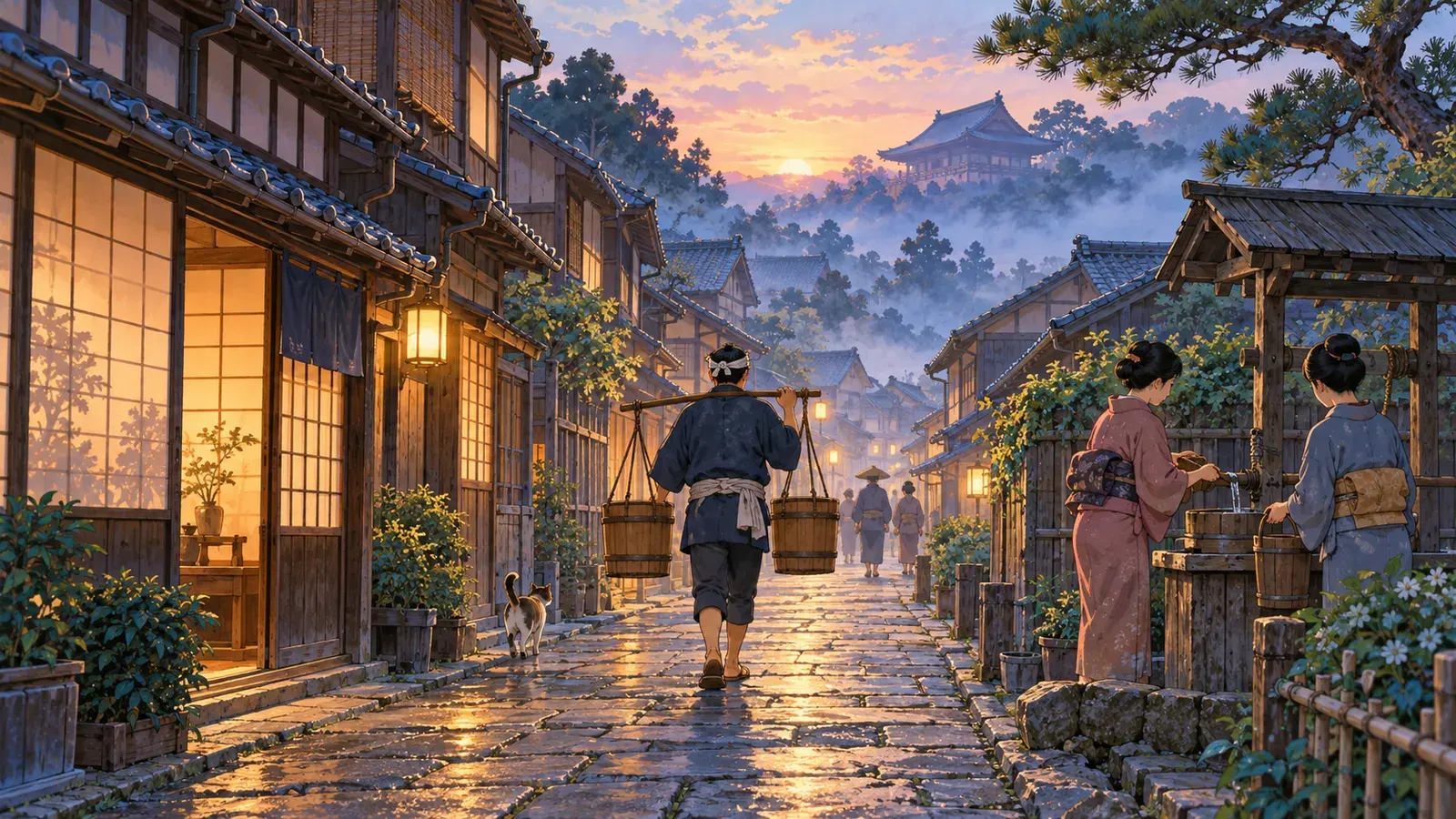
It is a little before sunrise in Edo, sometime in the early 1800s. Somewhere in the city, a temple bell begins to ring, slowly, six times. It is the hour of dawn.
1800年代のはじめごろ、日の出の少し前の江戸です。町のどこかで、お寺の鐘が鳴りはじめます。ゆっくりと、六つ。夜明けの時刻です。
The wooden gates at the end of each street creak open, and the narrow alleys come to life. A tofu seller walks by with two buckets hanging from a pole on his shoulder, calling out his wares. At the shared well, women are already washing rice and exchanging news. This was the city that would later be called Tokyo.
通りの端ごとにある木戸が、きしみながら開きます。せまい路地が、にわかに目を覚まします。豆腐売りが、天びん棒の両はしに桶をぶら下げて肩にかつぎ、売り声をあげながら通っていきます。共同の井戸では、女たちがもう米をといで、あれこれと話を交わしています。これが、のちに東京と呼ばれることになる町でした。
By the early 1700s, Edo had more than a million people, which made it one of the largest cities in the world, bigger than London or Paris at the time. About half of its people were samurai and their families, who lived on large estates that covered most of the city's land. The other half were townspeople, the merchants and craftsmen known as chonin. They were packed into a small part of the city, and it was their energetic, crowded world that created much of Edo's culture.
1700年代のはじめには、江戸の人口は百万人をこえていました。当時のロンドンやパリよりも大きく、世界でも有数の大都市だったのです。人口のおよそ半分は武士とその家族で、町の土地の大部分をしめる広い屋敷に住んでいました。残りの半分が、町人と呼ばれる商人や職人たちです。町人は、町のごく一部にぎっしりと住んでいました。そして、活気にあふれてごったがえす、その町人の世界こそが、江戸の文化の多くを生み出したのです。
Time itself worked differently in Edo. People divided the daylight, from dawn to dusk, into six periods, and the night into six more. This meant that a daytime "hour" was long in summer and short in winter. Bells at temples announced each period, and the periods had names counted down from nine to four. The period in the middle of the afternoon was called yatsu, which means "eight." That is said to be where the word oyatsu, the Japanese word for an afternoon snack, comes from.
江戸では、時間の流れ方さえ今と違っていました。人々は、夜明けから日暮れまでの昼の時間を六つに分け、夜もまた六つに分けていました。ですから、昼の「一刻」は、夏には長く、冬には短かったのです。お寺の鐘がそれぞれの刻を知らせ、刻には九つから四つまで、数を一つずつ減らしていく名前がついていました。昼下がりの刻は「八つ」と呼ばれました。午後の間食を表す「おやつ」という言葉は、ここから来たと言われています。
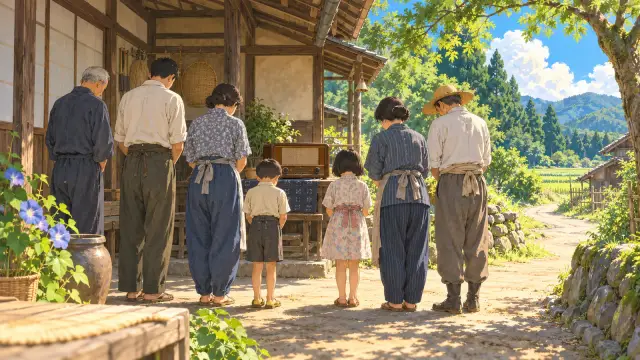
Most townspeople lived in nagaya, long wooden row houses built behind the shops on the main streets. A typical home was tiny. You stepped through a sliding door onto a small dirt floor with a cooking stove, and beyond it was a single room of about four and a half tatami mats. A whole family might live there.
町人の多くは、表通りの店の裏手に建てられた、細長い木造の長屋に住んでいました。ふつうの住まいは、とても小さなものです。引き戸を開けて入ると、かまどのある小さな土間があり、その奥に四畳半ほどの部屋が一つあるだけでした。そこに家族みんなで暮らすこともありました。
The well, the toilets and the place for garbage were shared by everyone in the row. The walls were so thin that neighbors heard every argument and every laugh, and they helped each other in good times and bad. The landlord's manager, called the ooya, looked after the residents almost like a parent.
井戸と便所とごみ捨て場は、長屋の住人みんなで使いました。壁はとても薄く、けんかの声も笑い声も、となりに筒抜けでした。そのぶん、隣近所はよいときも悪いときも助け合いました。地主にかわって長屋を取りしきる人を「大家」と呼び、大家は住人の面倒を、まるで親のように見ていました。
Since almost no one had a bath at home, people went to the neighborhood public bath, often every day. Some sento had a room upstairs where men relaxed after bathing, drank tea and played board games. Along with the well, the bathhouse was one of the best places to hear the latest news and gossip.
ほとんどの家には風呂がなかったので、人々は近所の銭湯に、たいていは毎日のように通いました。2階に部屋があって、男たちが風呂上がりにくつろぎ、お茶を飲んだり、碁や将棋を打ったりする銭湯もありました。銭湯は井戸ばたと並んで、最新のニュースやうわさ話を聞くのにうってつけの場所でした。
Edo was also a city where almost nothing was thrown away. Waste from the toilets was sold to farmers outside the city as fertilizer, and the money went to the ooya. Farmers brought vegetables into the city and carried the waste back out.
江戸はまた、ほとんど何も捨てない町でもありました。便所にたまったものは、肥料として町の外の農家に売られ、そのお金は大家のものになりました。農家は野菜を町に運びこみ、帰りにはそれを持ち帰っていったのです。
Used paper was collected and made into new paper. Traveling repairmen fixed broken pots, umbrellas and wooden buckets. Some collectors even bought the ashes from people's cooking fires, which were used as fertilizer. Old clothes were sold again and again until they finally became rags.
使い終わった紙は集められ、すき直されて新しい紙になりました。割れた鍋や傘、木の桶は、町を回る修理屋が直しました。かまどの灰まで買い集める人がいて、その灰は肥料に使われました。古着は何度も何度も売り買いされ、最後にはぼろ布になるまで使われました。
Shopping usually came to you. All day long, peddlers walked through the alleys, each with his own special call. They sold vegetables, fish, tofu and fermented beans. In summer, some sold goldfish, glass wind chimes, or insects in tiny cages, kept for the beauty of their songs. People could recognize each seller from inside the house, simply by his voice.
買い物は、たいてい向こうからやって来ました。一日じゅう、行商人が路地を歩きまわり、それぞれ独特の売り声をあげていました。売っていたのは、野菜や魚、豆腐、納豆などです。夏になると、金魚やガラスの風鈴、それに鳴き声を楽しむために小さなかごに入れた虫を売る人もいました。人々は家の中にいても、声を聞くだけで、どの売り手が来たのかがわかったのです。
The heart of the townspeople's city was Nihonbashi, a wooden bridge in the center of Edo. It was the starting point of the five great roads that led out to the rest of Japan, and distances across the country were measured from there. Next to the bridge was a busy fish market, so lively that people said a thousand gold coins changed hands there every day. Not far away, large shops sold cloth, medicine and books.
町人の町の中心は、江戸のまん中にかかる木の橋、日本橋でした。日本橋は、日本各地へ向かう五つの大きな街道の起点で、全国の道のりはここから測られました。橋のそばには魚河岸があり、そのにぎわいは「一日に千両のお金が動く」と言われるほどでした。近くには、反物や薬、本を売る大きな店も並んでいました。
With so many single men who had come from the countryside to work, Edo became a city of fast food. Street stalls sold soba noodles, tempura and sushi, which people often ate standing up. The style of sushi made with a small ball of rice and a slice of fresh fish became popular in Edo in the early nineteenth century. People of Edo also loved hatsugatsuo, the first bonito fish of the early summer. Its price could be shocking, and a well-known comic poem joked that a man would pawn his own wife to buy one.
地方から働きに出てきた独り身の男がたくさんいたので、江戸はファストフードの町になりました。屋台ではそばや天ぷら、すしが売られ、人々はよく立ったまま食べました。小さなご飯のかたまりに新鮮な魚の切り身をのせたすしが江戸で人気になったのは、19世紀のはじめのことです。江戸の人々は、初夏にとれる最初のカツオ、「初鰹」にも目がありませんでした。その値段は驚くほど高く、女房を質に入れてでも買う、とからかった有名な川柳もあります。
This love of spending was part of the pride of the Edokko, the true child of Edo. A popular saying claimed that a real Edokko never kept money overnight. People spent their earnings on food, clothes, the theater and pleasure, partly because life was uncertain. And the greatest danger of all was fire.
こうした気前のいい金づかいは、生粋の江戸っ子の誇りでもありました。本物の江戸っ子は宵越しの金を持たない、という言葉がよく知られています。人々は稼いだお金を、食べ物や着物、芝居や遊びに使いました。暮らしが先の見えないものだったことも、理由の一つです。そして、何よりも恐ろしい危険が火事でした。
"Fires and fights are the flowers of Edo," people used to say. With wooden houses packed close together and strong winter winds, a single spark could destroy whole neighborhoods. In 1657, the Great Fire of Meireki burned for days and destroyed most of the city. A huge number of people died, perhaps as many as a hundred thousand. Even the main tower of Edo Castle burned down, and it was never rebuilt. After the fire, the government widened some streets and made open spaces to stop flames from spreading.
「火事とけんかは江戸の華」と、人々は言いました。木造の家がびっしりと立ち並び、冬には強い風が吹くので、たった一つの火花から町内がまるごと焼けてしまうこともありました。1657年の明暦の大火は何日も燃えつづけ、町の大部分を焼きつくしました。亡くなった人は大変な数にのぼり、10万人に達したとも言われます。江戸城の天守まで焼け落ち、二度と建て直されることはありませんでした。大火のあと、幕府はいくつかの通りを広げ、火が燃え広がるのを防ぐための空き地を作りました。
In the early 1700s, the government organized firefighting groups made up of townspeople, each named after a letter of the kana alphabet. Many members were construction workers who were used to climbing on roofs. Without powerful pumps, they could not simply put out a large fire with water. Instead, they pulled down the buildings in its path to stop it from spreading. One member of each group climbed onto a roof near the flames and waved a tall standard called a matoi, to show where his group would make its stand. Brave firefighters were the heroes of the city, and they often appeared in popular prints.
1700年代のはじめ、幕府は町人による火消しの組を作らせました。組には、それぞれ仮名の文字を一つずつあてた名前がつけられました。組の者の多くは、屋根に上るのに慣れた建築の職人たちでした。強力なポンプがないので、大きな火事を水で消すことはできません。かわりに、火の行く手にある建物を壊して、燃え広がるのを止めたのです。それぞれの組の一人が、火に近い屋根の上に登り、「纏」と呼ばれる背の高い旗じるしを振りました。自分たちの組がここで火を食い止める、という合図です。勇ましい火消しは町の英雄で、人気の浮世絵にもよく描かれました。
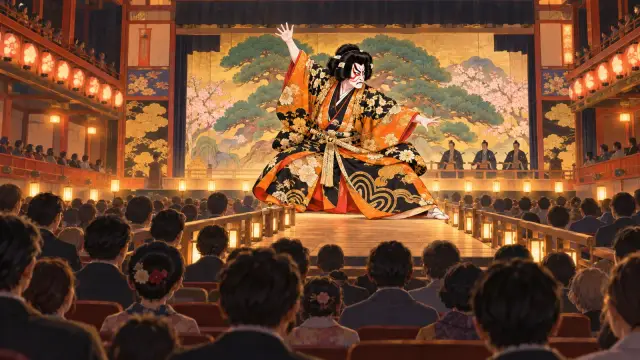
Ordinary people in Edo also loved to read. Many children of townspeople went to small private schools called terakoya, where they learned reading, writing and the abacus. Book lenders carried piles of books on their backs from house to house. Colorful woodblock prints of famous actors, beautiful women and scenic places were cheap. It is often said that one cost about as much as a bowl of soba. In the evening, people could listen to storytellers in small halls, or save up to see kabuki.
江戸のふつうの人々は、読書も大好きでした。町人の子どもの多くは、寺子屋という小さな私塾に通い、読み書きとそろばんを習いました。貸本屋は本の山を背負って、家から家へと回りました。人気役者や美人、名所を描いた色あざやかな浮世絵は安く、一枚がそば一杯ほどの値段だったとよく言われます。夜には、小さな寄席で噺家の話を聞いたり、お金をためて歌舞伎を見に行ったりすることもできました。
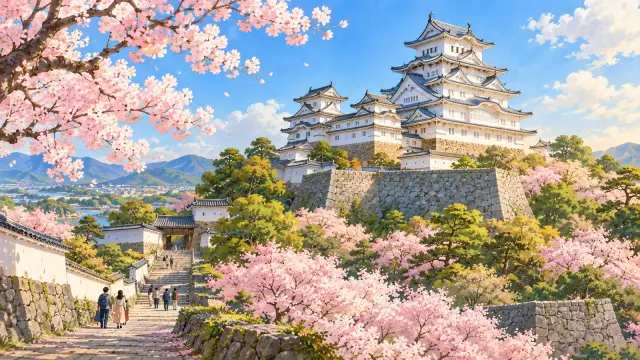
The seasons gave Edo its festivals. In spring, people held flower-viewing parties under the cherry trees. The shogun Tokugawa Yoshimune had cherry trees planted at Asukayama, on the edge of the city, so that ordinary people could enjoy them.
江戸の祭りや行楽は、季節とともにありました。春には、人々は桜の下で花見の宴を開きました。将軍の徳川吉宗は、ふつうの人々も花を楽しめるように、町はずれの飛鳥山に桜を植えさせました。
In summer, crowds gathered on the banks of the Sumida River for fireworks. When the rockets burst, people shouted "Tamaya!" and "Kagiya!", the names of two famous fireworks makers. Some people still shout these names at fireworks shows today.
夏には、隅田川の川岸に大勢の人が集まり、花火を見物しました。花火が夜空に開くと、人々は「たまやー!」「かぎやー!」と叫びました。名高い二つの花火屋の名前です。今でも花火大会で、この掛け声をかける人がいます。
At around ten o'clock at night, the wooden gates at the ends of the streets were closed. Anyone coming home late had to call the gatekeeper to let them through. Lamp oil was expensive, so most people went to bed early. The alleys grew dark and quiet, and the city waited for the dawn bell to ring once more.
夜の十時ごろになると、通りの端の木戸が閉められました。遅くに帰ってきた人は、木戸番に声をかけて通してもらわなければなりませんでした。灯りの油は高かったので、たいていの人は早く寝ました。路地は暗く静かになり、町は夜明けの鐘がまた鳴るのを待つのでした。
In 1868, Edo was renamed Tokyo, and the city changed rapidly. Because of fires, the great earthquake of 1923 and the bombing of 1945, very little of old Edo remains. Yet its spirit has survived. Edo-style soba, tempura and sushi remain popular, as do the word oyatsu and the traditional shouts at fireworks shows. Edo is also remembered for its culture of reusing almost everything. In Tokyo, there are even museums where you can walk through a full-size Edo street and step inside a nagaya.
1868年、江戸は東京と名を改め、町は急速に変わっていきました。火事や1923年の大地震、1945年の空襲のために、昔の江戸の姿はほとんど残っていません。それでも、江戸の心は生きつづけています。江戸で発達したそば、天ぷら、すしは、今も親しまれています。「おやつ」という言葉や花火大会の掛け声も残っています。また、江戸は、ほとんど何でも再利用する町だったことでも知られています。東京には、実物大の江戸の町並みを歩き、長屋の中に入ってみられる博物館まであります。
How to explain it in English: "Edo was the old name of Tokyo. In the 1700s, it had more than a million people. Most townspeople lived in small wooden row houses called nagaya, and they shared a well and toilets. People recycled almost everything and ate fast food such as soba and sushi from street stalls. Fires were a constant danger, so townspeople formed their own firefighting groups."
英語で説明してみよう:「江戸は東京の昔の名前です。1700年代には、人口が百万人をこえていました。町人の多くは長屋という小さな木造の家に住み、井戸や便所を共同で使っていました。人々はほとんど何でもリサイクルし、屋台でそばやすしのようなファストフードを食べました。火事がいつも心配だったので、町人たちは自分たちで火消しの組を作りました。」