



 この展示室のワークシート
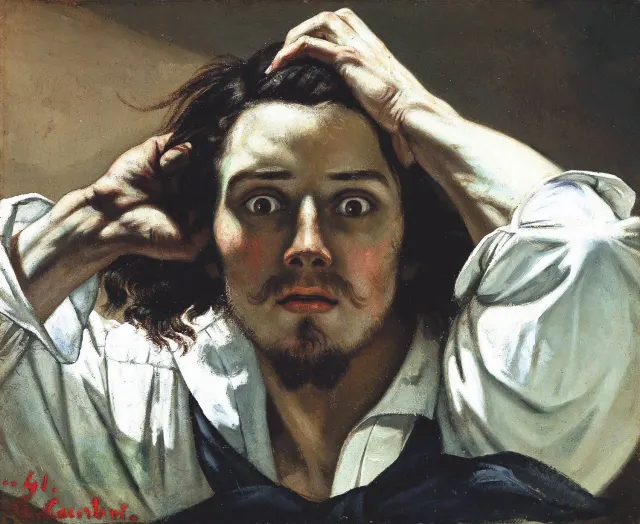
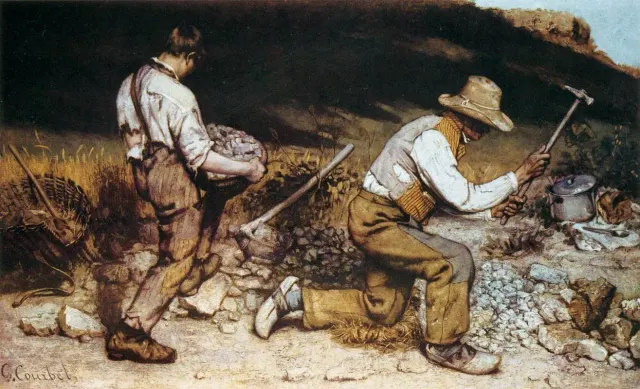
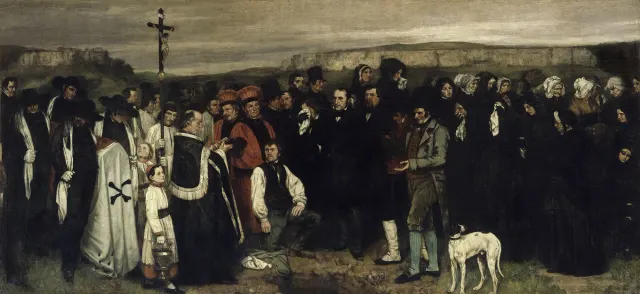
19世紀の半ば、フランスのクールベは「天使を見せてくれれば、天使を描こう」という意味の言葉を残したと伝えられます。神話や英雄ではなく、目の前にいる労働者や農民、田舎のお葬式など、ありのままの現実を大きなキャンバスに堂々と描きました。それまで歴史画にしか使われなかった大画面に庶民を描いたことは、大事件でした。
In the mid-19th century, the French painter Gustave Courbet is reported to have said, 'Show me an angel, and I will paint one.' Instead of myths and heroes, he painted real life on huge canvases: workers, farmers and a village funeral. Using such big canvases, once kept for history paintings, to show ordinary people caused a scandal.
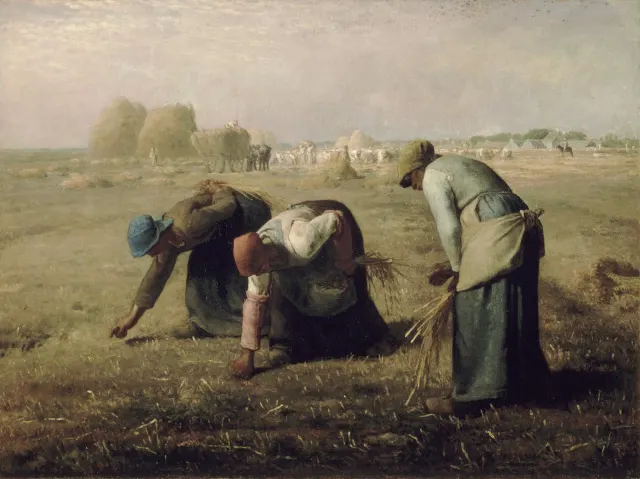
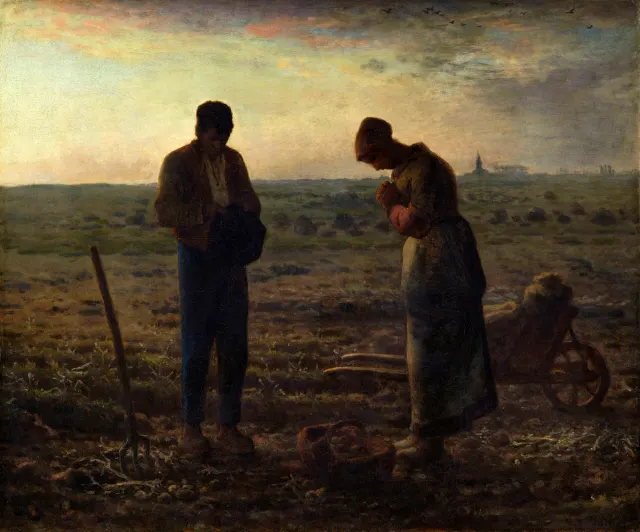
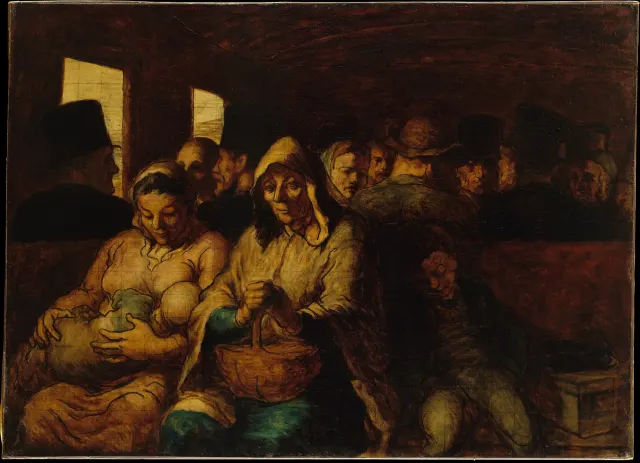
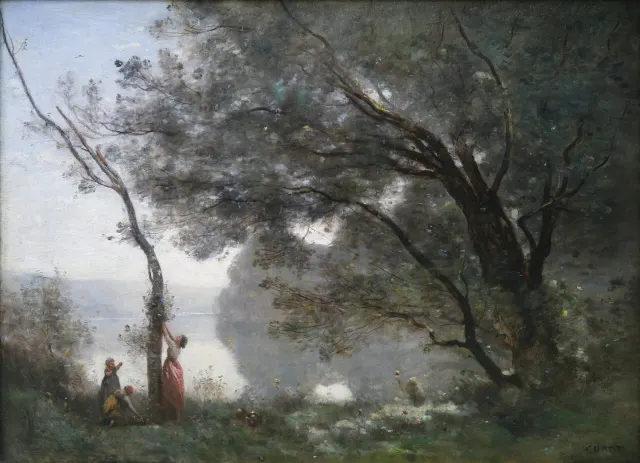
パリ郊外のバルビゾン村に集まった画家たちは、森や畑を写生しました。そのひとりミレーは『落穂拾い』や『晩鐘』で、貧しくても祈りとともに働く農民の姿を描きました。ドーミエは、汽車の三等車に乗る人々や、政治家をからかう風刺画で、社会をするどく見つめました。
Painters who gathered in the village of Barbizon, near Paris, sketched the forests and fields. One of them, Jean-François Millet, painted poor farmers working and praying in The Gleaners and The Angelus. Honoré Daumier looked sharply at society, painting passengers in third-class railway carriages and drawing cartoons that made fun of politicians.
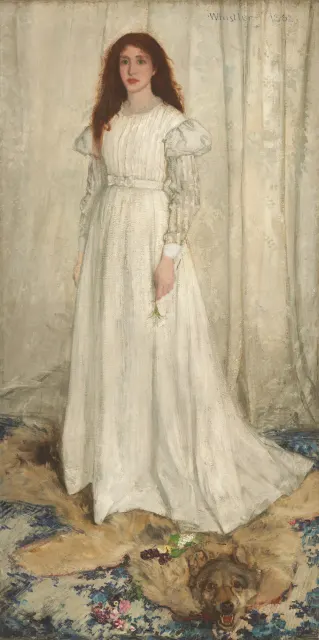
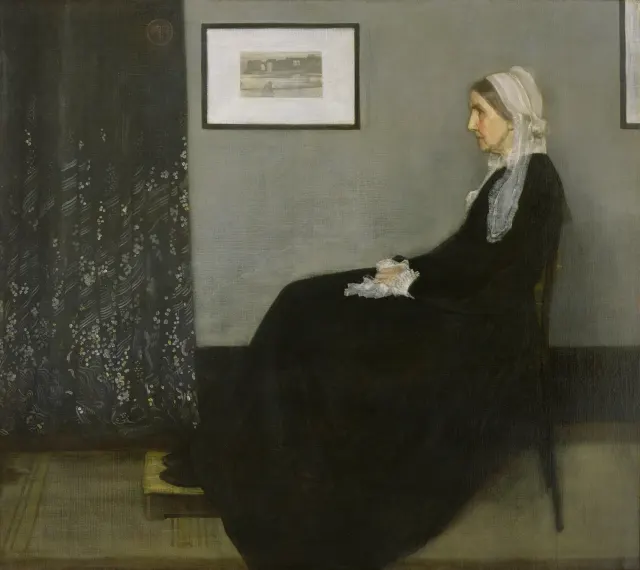
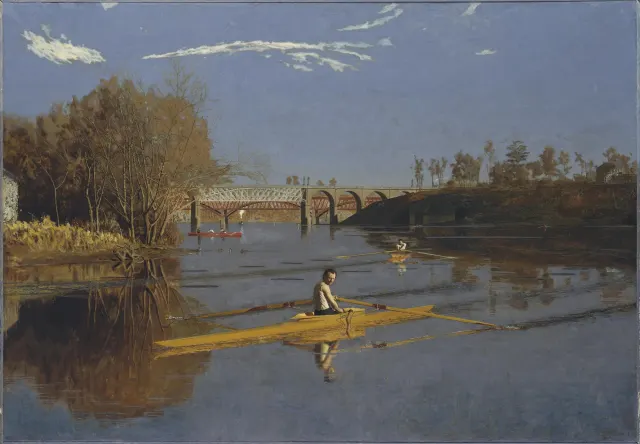
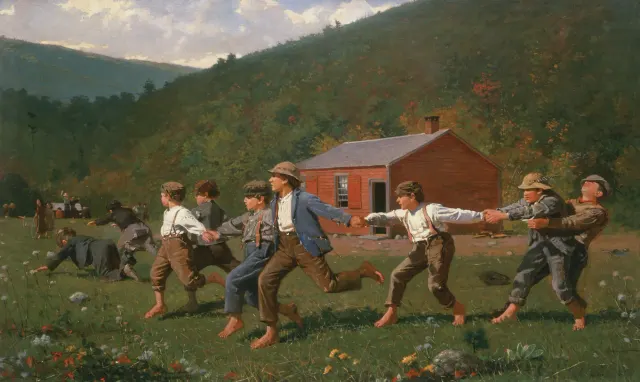
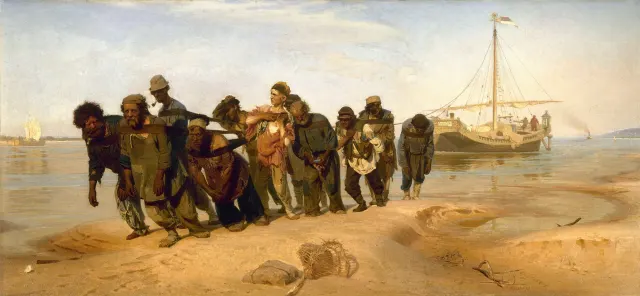
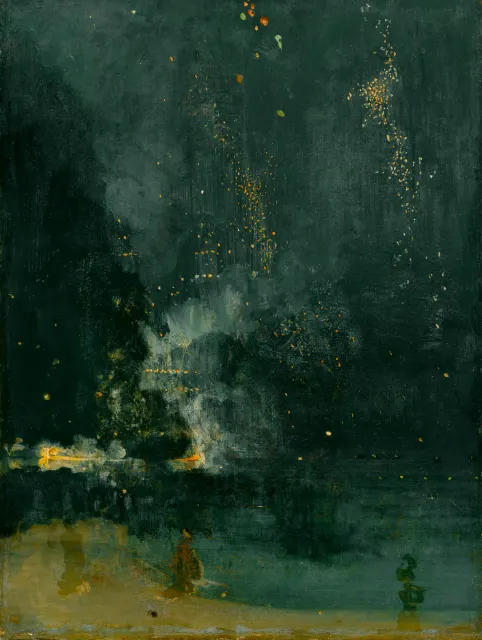
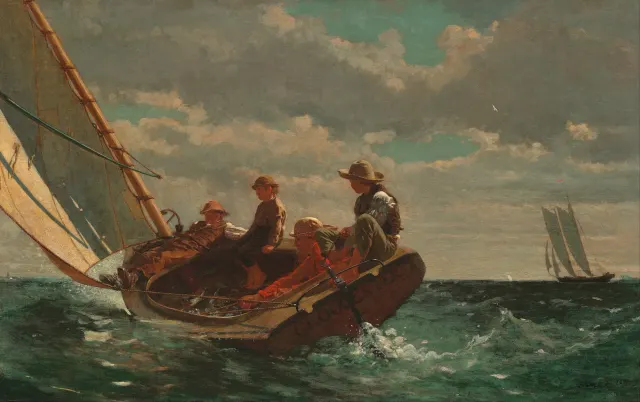
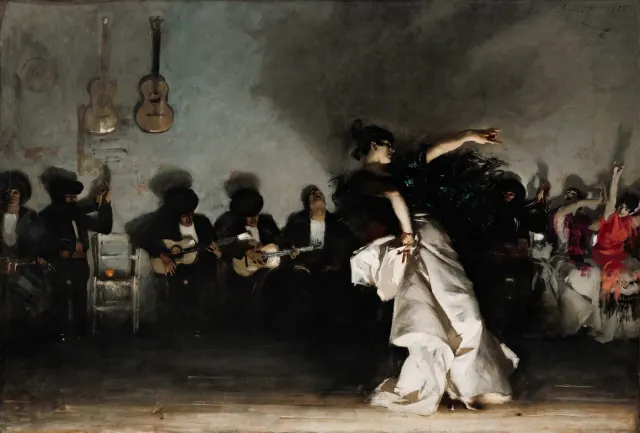
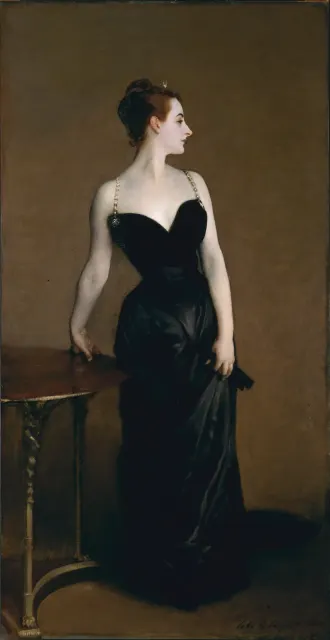
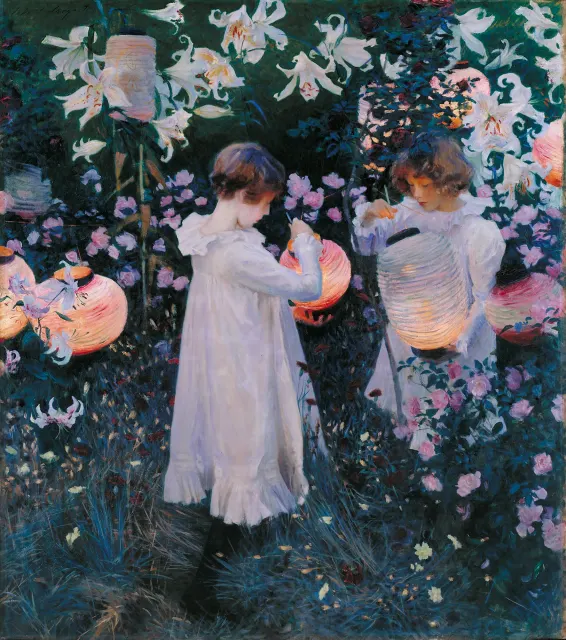
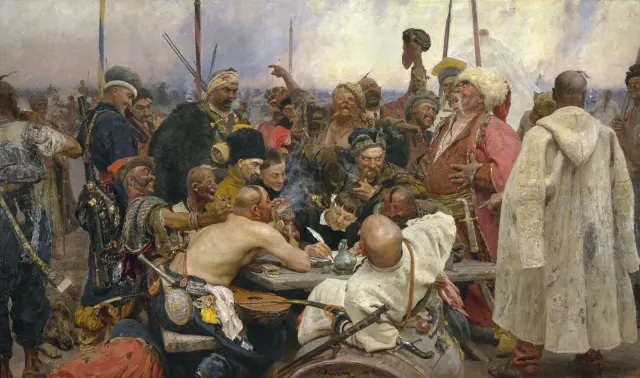
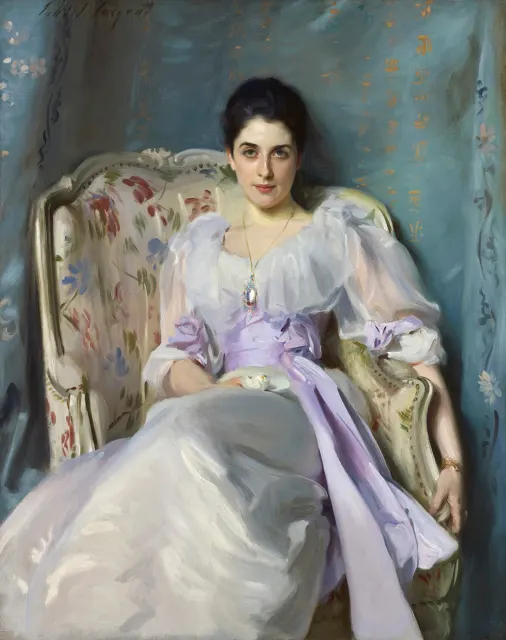
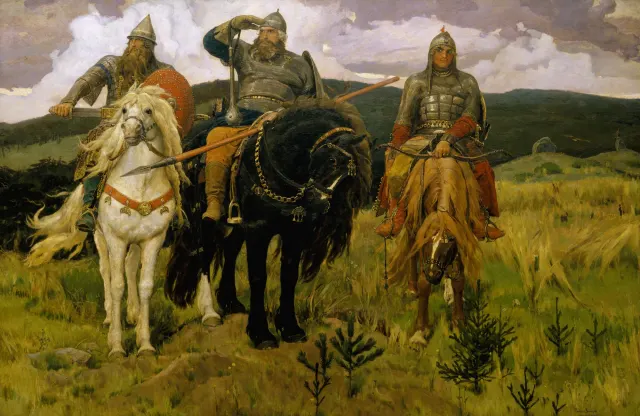
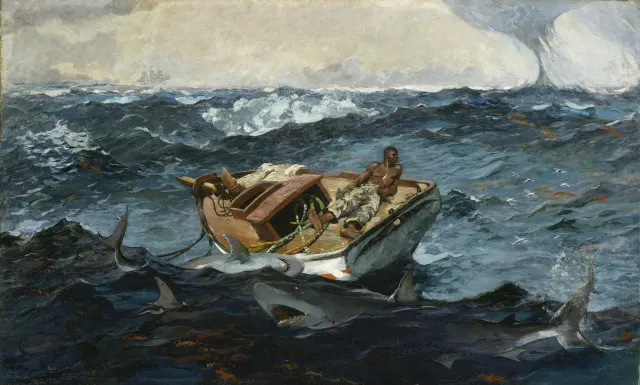
写実主義の波は世界に広がりました。ロシアのレーピンは『ヴォルガの船曳き』で、船を引く人々のつらい労働を描きました。アメリカでは、ウィンスロー・ホーマーが海と人間を、トマス・エイキンズがボートをこぐ人を、正確な観察で描きました。サージェントやホイッスラーの肖像画も、この部屋にならんでいます。
The wave of Realism spread around the world. In Russia, Ilya Repin showed the hard labor of men pulling a boat in Barge Haulers on the Volga. In America, Winslow Homer painted people and the sea, and Thomas Eakins painted rowers, both with careful observation. Portraits by Sargent and Whistler also hang in this room.
