
ダイドーの嘆き
Dido's Lament
パーセル・by 1689
「わたしを覚えていて」。くり返す低音にのせた、胸をうつ別れの歌。
歌劇「ダイドーとエネアス」より「ダイドーの嘆き」のページへ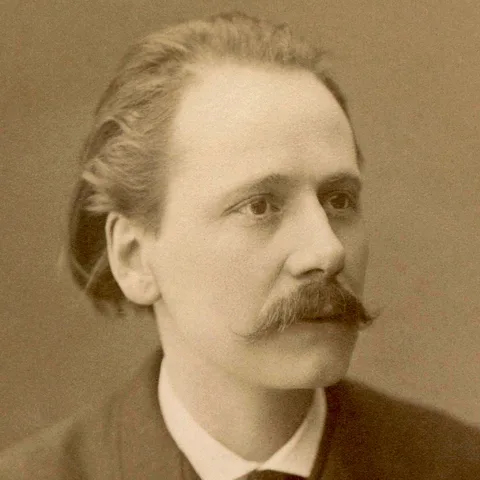
Opera · · 1894
ジュール・マスネ(1842–1912)
バイオリンがしっとり歌う、心が生まれ変わる瞬間の音楽。A violin sings the moment a heart changes forever.
PUBLIC DOMAIN RECORDING
CC BY-SA 4.0 無料でダウンロードOK 別の演奏で聴く 1:Premiere Performances of Hong Kong
ANOTHER RECORDING 1
CC BY 3.0WATCH ON YOUTUBE
 Massenet: Meditation from Thaïs for piano (Andrew von Oeyen) filmed in Paris
Warner Classics(YouTube) YouTube で開く ↗
Thaïs: Méditation (Arr. for Cello & Piano)
Yo-Yo Ma - Topic(YouTube) YouTube で開く ↗
左の音源は権利が切れた録音なのでダウンロードできます。右の動画は YouTube の公式の埋め込みで見るもので、ダウンロードはできません(動画の権利は各チャンネルにあります)。
 もっと名演を観る YouTube で何百万回も再生された人気の演奏
Massenet: Méditation aus »Thaïs« ∙ hr-Sinfonieorchester ∙ Emmanuel Tjeknavorian ∙ Alain Altinoglu
hr-Sinfonieorchester – Frankfurt Radio Symphony(YouTube) YouTube で開く ↗
Jules Massenet - Meditation from Thais for Violin and Piano
Rusanda Panfili(YouTube) YouTube で開く ↗
Jules Massenet / Thais / Meditation
TheClassicalmusicfan(YouTube) YouTube で開く ↗
Clara-Jumi Kang: Massenet, "Thais" Meditation (Encore)
CJK Archive(YouTube) YouTube で開く ↗

ホー!これはオペラの中の独唱のない場面。バイオリンが主人公の心の声を歌うんだ。
 この曲のおはなし The Story
「タイスの瞑想曲」は、フランスの作曲家マスネのオペラ「タイス」の中で演奏される、バイオリンとオーケストラのための曲です。第2幕の場面と場面のあいだに演奏される「間奏曲」で、独唱はありません(終わり近くで、言葉のない合唱が小さく加わります)。おだやかで祈るようなメロディーを、バイオリンのソロが美しく歌い上げます。The Méditation from Thaïs is a piece for violin and orchestra from the opera Thaïs by the French composer Jules Massenet. It is an interlude played between two scenes of Act 2, and no soloist sings in it, although a wordless chorus joins softly near the end. A solo violin sings a calm, prayer-like melody.
オペラの舞台は古代エジプトのアレクサンドリア。はなやかな暮らしを送る有名な女性タイスのもとに、修道士アタナエルがやってきて、神を信じる生き方へ導こうとします。「瞑想曲」は、タイスがひとりで自分の人生を見つめ直し、生き方を変えようと心を決める場面を表しています。原作はアナトール・フランスの小説です。The opera is set in ancient Alexandria in Egypt. Thaïs is a famous woman who lives a life of luxury and pleasure. A monk named Athanaël comes to her and tries to lead her to a life of faith. The Méditation shows the moment when Thaïs, alone, looks back on her life and decides to change it. The story comes from a novel by Anatole France.
オペラは1894年、パリ・オペラ座で初演されました。オペラ全体が上演される機会はそれほど多くありませんが、「瞑想曲」だけはバイオリンの名曲として独り立ちし、世界中の演奏会や発表会で弾かれています。このメロディーは、オペラの最後の場面でも、もう一度印象的に使われます。The opera was first performed at the Paris Opera in 1894. The whole opera is not staged very often, but the Méditation has become a famous violin piece on its own, played at concerts and recitals all over the world. Its melody also returns in a moving way in the final scene of the opera.
This is a beautiful piece for violin. It comes from an opera called Thaïs. In the opera, a woman thinks about her life. Then she decides to change. The violin sings her feelings without any words.これはバイオリンのための美しい曲です。「タイス」というオペラの中の曲です。オペラの中で、ひとりの女性が自分の人生について考えます。そして、生き方を変えようと決めます。バイオリンが、言葉を使わずに彼女の気持ちを歌います。
 聴きどころ Listening Guide
 えっ!?ネタ Surprising Facts
 タップすると答えが開きます
オペラといえば歌ですが、この有名な場面に独唱はありません。舞台の上でタイスがだまって考えるあいだ、バイオリンがその心の動きを代わりに歌うのです。言葉を使わずに気持ちの変化を伝える、マスネのみごとなアイデアです。
Opera is all about singing, but in this famous scene no soloist sings. While Thaïs silently thinks on stage, the violin sings her changing feelings for her. It is Massenet's brilliant way of showing a change of heart without words.
オペラの楽譜では、曲の終わり近くで、舞台裏から言葉のない合唱が小さく聞こえてくるように書かれています。ただし歌うのはほんの短い間で、演奏会ではよく省かれます。オペラで聴くと、ちがう印象を受けるかもしれません。
In the opera score, a wordless chorus is heard softly from behind the stage near the end of the piece. It sings only briefly, and it is often left out in concerts. Hearing it in the opera can give you a different impression.
初演でタイスを歌ったのは、アメリカ出身のソプラノ歌手シビル・サンダーソンです。マスネはこの歌手の声にほれこみ、彼女のために役を書いたと言われています。マスネは彼女のためにほかのオペラも書いています。
Thaïs was first sung by Sibyl Sanderson, an American soprano. Massenet is said to have loved her voice and written the role for her. He wrote other operas for her as well.
オペラの最後、命が尽きようとするタイスの場面で、「瞑想曲」のメロディーがふたたび流れます。生き方を変えると決めた日の祈りの音楽が、物語の終わりに戻ってくるのです。いっぽう、彼女を導いた修道士アタナエルは、自分がタイスを愛していたことに気づきます。
At the end of the opera, as Thaïs's life comes to a close, the melody of the Méditation is heard again. The prayer music from the day she chose a new life returns at the end of the story. Meanwhile, the monk Athanaël realizes that he has loved her.
ENGLISH × MASTERPIECE
 感動して息が止まるほど、という意味。景色や演奏をほめるときに使います。
 この曲で覚える英単語 Words
 クイズに挑戦 Quiz
 この録音について(著作権・出典) Credits
MORE MASTERPIECES
パーセル・by 1689
「わたしを覚えていて」。くり返す低音にのせた、胸をうつ別れの歌。
歌劇「ダイドーとエネアス」より「ダイドーの嘆き」のページへ
パッヘルベル・c. 1680–1706
同じ8つの音が28回!なのに聴くたび胸がいっぱいになる曲。
カノンとジーグ ニ長調 より「カノン」のページへ
ヘンデル・1711
「泣かせてください」と歌う、深い悲しみに満ちた名アリア。
私を泣かせてください(歌劇『リナルド』より)のページへ
バッハ・1713
2本のリコーダーがやさしく鳴る、のどかな牧場の歌。
カンタータ第208番より「羊は安らかに草を食み」のページへ
コレッリ・published 1714
聖なる夜のために。最後に羊飼いの笛のようなパストラーレが流れます。
合奏協奏曲 ト短調「クリスマス協奏曲」のページへ
クープラン・published 1717
題名の意味はだれも知らない!やわらかく波打つ、なぞの名曲。
神秘的なバリケードのページへ
マルチェッロ・published c. 1717
胸にしみるアダージョ!バッハも編曲したオーボエの名曲。
オーボエ協奏曲 ニ短調のページへバッハ・c. 1720
チェロ1本だけで、こんなに豊かな世界が広がる!
無伴奏チェロ組曲 第1番 ト長調のページへ
 MP3