エレジー(マスネ)
Élégie
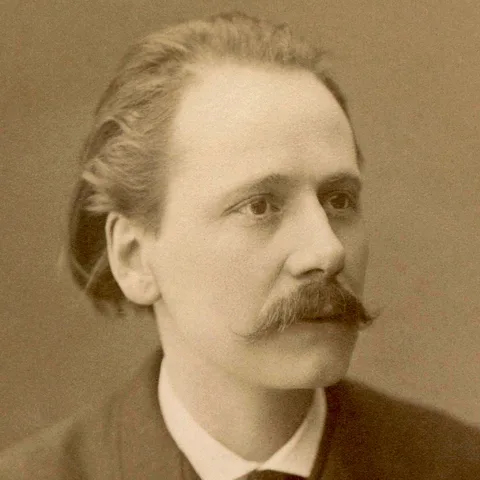
マスネ・1866頃–1875
「ああ、むかしの甘い春よ」。過ぎた日々をなつかしむ、涙の名旋律。
エレジーのページへRomantic · 1842–1912
「パリを夢中にさせたオペラ王」The opera king who won the heart of Paris
 モントー(現在のサン=テティエンヌの一部、フランス)
 パリ(フランス)2 曲を収録
「タイスの瞑想曲」の作曲者。恋と涙のオペラで19世紀のパリを夢中にさせた人。The man behind the 'Méditation' from Thaïs, who made 19th-century Paris fall in love with opera.
 マスネの名曲を聴く
マスネ・1866頃–1875
「ああ、むかしの甘い春よ」。過ぎた日々をなつかしむ、涙の名旋律。
エレジーのページへマスネ・1894
バイオリンがしっとり歌う、心が生まれ変わる瞬間の音楽。
歌劇「タイス」より 瞑想曲のページへ
ホー!マスネは毎朝4時ごろに起きて、お昼まで作曲するのが一生の習慣だったんだって。
 生涯 Life Story
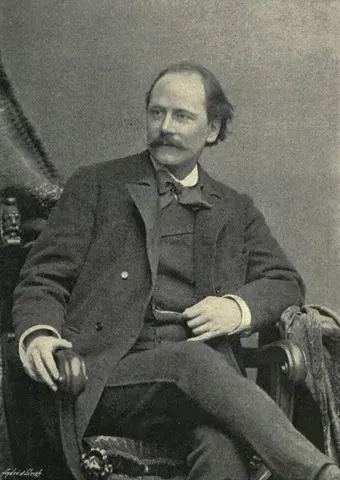
ジュール・マスネは1842年、フランス中部のモントー(いまのサン=テティエンヌの一部)で生まれました。父と2番目の妻とのあいだに生まれた4人きょうだいの末っ子で、最初にピアノを教えてくれたのはお母さんです。家族がパリへ移ると、まだ子どものうちにパリ音楽院に入学しました。家は豊かではなく、ピアノを教えたり、劇場のオーケストラで打楽器をたたいたりして、生活費をかせぎながら学びました。Jules Massenet was born in 1842 in Montaud, which is now part of the city of Saint-Étienne in France. He was the youngest of the four children from his father's second marriage, and his mother gave him his first piano lessons. After the family moved to Paris, he entered the Paris Conservatoire while still a child. Money was tight, so he paid his way by teaching piano and playing percussion in theatre orchestras.
1863年、若い作曲家のあこがれの賞「ローマ大賞」を受賞し、ローマに留学しました。パリにもどると、オペラで次々と成功します。とくに『マノン』(1884年)、『ウェルテル』(1892年)、『タイス』(1894年)は、今も世界中の歌劇場で上演されています。『タイス』の間奏曲「瞑想曲」は、バイオリンの名曲として、オペラを知らない人にも愛されています。In 1863 he won the Prix de Rome, the dream prize for young French composers, and went to study in Rome. Back in Paris, he scored one opera hit after another. Manon (1884), Werther (1892) and Thaïs (1894) are still staged in opera houses around the world. The 'Méditation' from Thaïs has become a violin favourite, loved even by people who have never seen the opera.
ローマでは、大ピアニストのリストにたのまれて、裕福な家のむすめニノンにピアノを教えました。二人は恋に落ち、マスネがフランスへ戻ったあとの1866年に結婚します。1878年には36歳でパリ音楽院の作曲の教授になり、1896年まで多くの弟子を育てました。シャルパンティエ、ショーソン、レイナルド・アーンなど、のちに活躍する作曲家がたくさんいます。In Rome, Franz Liszt asked him to give piano lessons to Ninon de Gressy, the daughter of a wealthy family. The two fell in love and married in 1866, after Massenet had returned to France. In 1878, at just 36, he became professor of composition at the Paris Conservatoire and taught there until 1896. His many students included Gustave Charpentier, Ernest Chausson and Reynaldo Hahn.
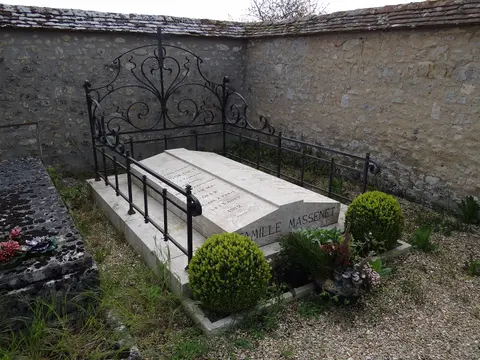
晩年も『ドン・キショット』(1910年)などを書き続け、生涯の舞台作品は30〜40ほどにのぼります(数え方で変わります)。1912年8月13日、病気のためパリで亡くなりました。死後しばらくは、その甘いメロディーが「軽すぎる」と言われた時期もありましたが、今では「フランス・オペラの宝」として再び人気を集めています。プッチーニなど後の作曲家にも影響をあたえました。He kept writing into old age, including Don Quichotte (1910), and his stage works number somewhere between thirty and forty, depending on how you count. He died of illness in Paris on 13 August 1912. For a while after his death, critics dismissed his sweet melodies as too light. Today, though, his operas are treasured again, and his style left its mark on later composers such as Puccini.
Jules Massenet was a French composer. He wrote many operas. His operas tell stories about love. He got up at four in the morning to write music! His 'Méditation' is a famous violin piece. Many people love it today.ジュール・マスネはフランスの作曲家です。たくさんのオペラを書きました。彼のオペラは恋の物語を伝えます。彼は朝4時に起きて作曲しました!彼の「瞑想曲」は有名なバイオリンの曲です。今も多くの人に愛されています。
 これだけは!鉄板情報 Must-Know Facts
 あっと驚くネタ Surprising Stories
 タップすると答えが開きます
ローマ留学中、マスネはリストにたのまれて、リストを支援する裕福な家のむすめニノンにピアノを教えました。二人は恋に落ち、マスネがフランスへ戻ったあとの1866年、ついに結婚しました。
While studying in Rome, Massenet was asked by Liszt to teach piano to Ninon, the daughter of one of Liszt's wealthy supporters. The two fell in love, and in 1866, after Massenet had returned to France, they married.
マスネは朝4時ごろに起きて、お昼まで作曲するのを一生の習慣にしていました。仕事がとても速く、書き直しも少なかったと言われます。夜ふかしの芸術家というイメージとは正反対ですね。
All his life, Massenet got up at around 4 a.m. and composed until midday. He was known as a fast worker who seldom revised his music. That is the very opposite of the night-owl artist we often imagine.
1878年、フランス学士院の会員選挙で、マスネは先輩のサン=サーンスに勝ちました。マスネが「学士院は大きな不正をしました」と電報を送ると、サン=サーンスは「まったく同感です」と返したそうです。サン=サーンスも3年後に会員になりましたが、二人の仲はひんやりしたままでした。
In 1878 Massenet beat the older Camille Saint-Saëns in an election to the Institut de France. Massenet sent him a telegram saying the Institute had committed a great injustice. Saint-Saëns replied, 'I quite agree.' Saint-Saëns was elected three years later, but the two stayed rather cool toward each other.
音楽院の学生のころ、マスネは劇場のオーケストラで打楽器を演奏してお金をかせいでいました。のちのオペラ王は、オーケストラのいちばんうしろの席から、劇場の音楽のしくみを学んでいたのです。
As a Conservatoire student, Massenet earned money by playing percussion in theatre orchestras. The future king of opera was learning how theatre music works from the very back row of the orchestra.
マスネはアメリカ出身のソプラノ歌手シビル・サンダーソンの声にほれこみ、彼女のために『エスクラルモンド』(1889年)と『タイス』(1894年)を書き、『マノン』も彼女向けに手直ししました。パリではいろいろなうわさが立ちましたが、二人の関係は友情の範囲だったとされています。
Massenet was enchanted by the voice of the American soprano Sibyl Sanderson. He wrote Esclarmonde (1889) and Thaïs (1894) for her and even revised Manon to suit her. Parisians gossiped, but their relationship is believed to have stayed platonic.
『コッペリア』の作曲者ドリーブは1891年に急に亡くなり、オペラ『カシャ』を未完成のまま残しました。それを完成させ、オーケストラの楽譜も書いたのがマスネです。『カシャ』は1893年に初演されました。
When Léo Delibes, the composer of Coppélia, died suddenly in 1891, he left his opera Kassya unfinished. Massenet completed it and wrote the orchestration himself. Kassya was finally staged in 1893.
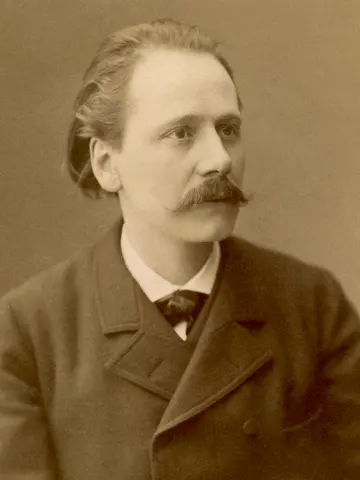
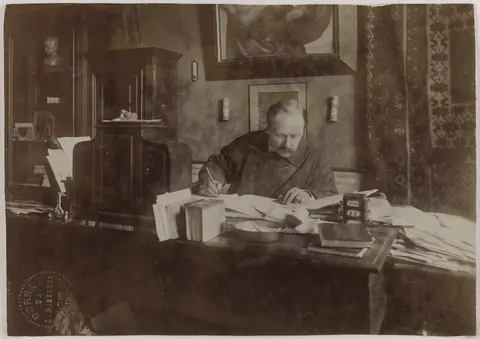
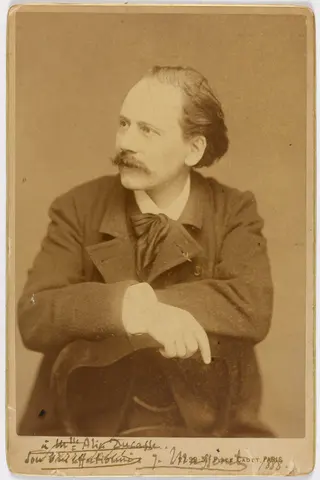
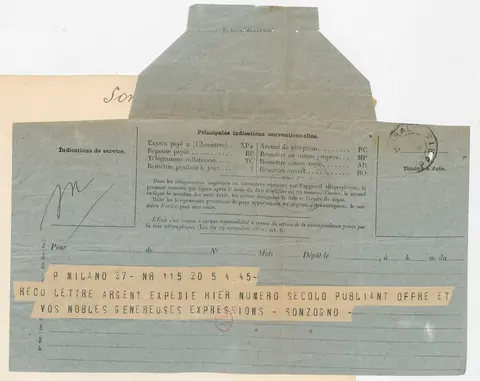
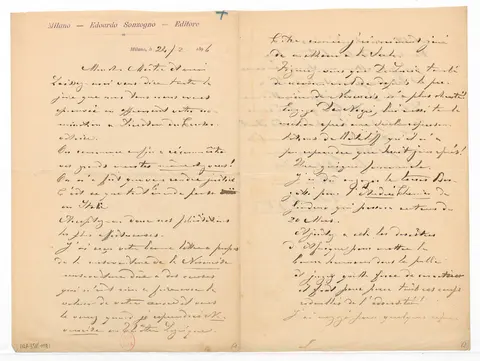
 肖像画・写真・自筆譜 Gallery (Public Domain)
Wikimedia Commons でパブリックドメイン(または CC0)と確認した画像です。クリックで拡大。
 年表 Timeline
 マスネで覚える英単語 Words
 クイズに挑戦 Quiz
MORE COMPOSERS




 MP3