
ダイドーの嘆き
Dido's Lament
パーセル・by 1689
「わたしを覚えていて」。くり返す低音にのせた、胸をうつ別れの歌。
歌劇「ダイドーとエネアス」より「ダイドーの嘆き」のページへ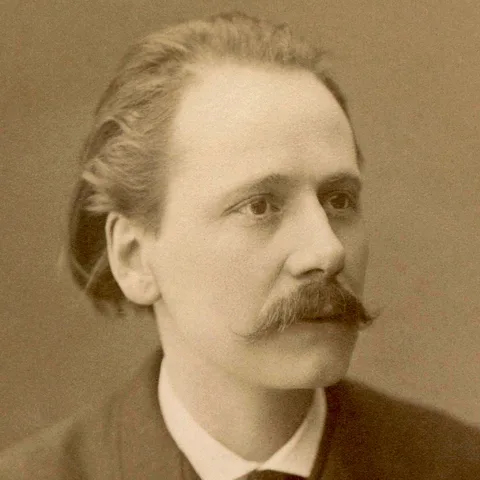
Song · Op. 10 No. 5 · 1866頃–1875
ジュール・マスネ(1842–1912)
「ああ、むかしの甘い春よ」。過ぎた日々をなつかしむ、涙の名旋律。'O sweet spring of long ago': a tearful song of lost days.
PUBLIC DOMAIN RECORDING
PD / CC0 無料でダウンロードOKWATCH ON YOUTUBE
 Aida Garifullina & Zoltán Mága “Elegie” J. Massenet, Budapest, PBS special
Aida Garifullina(YouTube) YouTube で開く ↗
Massenet : Élégie (L. Desandre, B. Philippe et J. Ducros)
France Musique concerts(YouTube) YouTube で開く ↗
左の音源は権利が切れた録音なのでダウンロードできます。右の動画は YouTube の公式の埋め込みで見るもので、ダウンロードはできません(動画の権利は各チャンネルにあります)。
 もっと名演を観る YouTube で何百万回も再生された人気の演奏
Angela Gheorghiu - Massenet: Elegie - recital in Los Angeles, March 2013
Angela Gheorghiu(YouTube) YouTube で開く ↗

ホー!100年以上前、大歌手カルーソーがヴァイオリン付きで録音して大評判になったんだ。
 この曲のおはなし The Story
マスネの「エレジー」は、19世紀後半のフランスとヨーロッパで、とても人気のあった歌です。「ああ、むかしの甘い春よ、緑の季節よ」と、二度ともどらない幸せな日々をなつかしみ、なげく歌。ゆったりと悲しいメロディーは一度聴いたら忘れられず、歌だけでなく、チェロやヴァイオリンなど楽器だけでもよく演奏されます。Massenet's Élégie was one of the most popular songs in France and across Europe in the late 19th century. 'O sweet spring of long ago, green seasons…' it sings, mourning happy days that will never return. Its slow, sad melody is hard to forget, and it is often played on instruments like the cello and violin as well as sung.
このメロディーには長い歴史があります。もとはマスネが若いころに書いたピアノ曲集「10の小品」作品10の第5曲「メロディー」でした。マスネはこのメロディーを、詩人ルコント・ド・リールの悲劇「エリニュス」の音楽にも使いました。また、詩人ルイ・ガレの歌詞をつけた歌「エレジー」としても出版され、大ヒットしたのです。This melody has a long history. It began as 'Mélodie', the fifth of Massenet's Ten Pieces for piano, Op. 10, written when he was young. Massenet also used the melody in his music for Leconte de Lisle's tragedy Les Érinnyes. And with words by the poet Louis Gallet, it was published as the song 'Élégie', which became a huge hit.
20世紀に入ると、レコードの時代がやってきます。1913年、伝説のテノール歌手エンリコ・カルーソーが、ヴァイオリンの名手ミッシャ・エルマンと共演してこの歌を録音しました。マスネは「タイスの瞑想曲」などでも有名ですが、この「エレジー」も広く親しまれる曲になりました。In the 20th century, the age of records arrived. In 1913, the legendary tenor Enrico Caruso recorded this song with the great violinist Mischa Elman. Massenet is also famous for works like the Méditation from Thaïs, and this Élégie also became widely loved.
This is a sad song. The singer remembers happy spring days from long ago. Those days will not come back. The melody is slow and beautiful. Many cellists and violinists play it, too.これは悲しい歌です。歌い手は、ずっとむかしの幸せな春の日々を思い出します。その日々は、もうもどってきません。メロディーはゆっくりで美しい曲です。チェロやヴァイオリンを弾く人たちも、よくこの曲を演奏します。
 聴きどころ Listening Guide
 えっ!?ネタ Surprising Facts
 タップすると答えが開きます
このメロディーは、ピアノ曲「メロディー」として生まれ、劇「エリニュス」では「祈り」の場面の音楽になり、さらに歌詞がついて歌「エレジー」になりました。劇の中では、王女エレクトラが父アガメムノンの墓に供え物をする場面で流れます。
This melody was born as the piano piece 'Mélodie', became the 'Invocation' in the music for the play Les Érinnyes, and then got words to become the song 'Élégie'. In the play, it is heard as Princess Electra pours offerings on the tomb of her father, Agamemnon.
このメロディーのもとになった音楽は、オペラ「トゥーレの王の杯」の作曲コンクールのために書かれた、という説があります。このコンクールで優勝したのはウジェーヌ・ディアズで、マスネは優勝できませんでした。でも、今も歌われているのはマスネのメロディーのほうです。
One account says this music was first written for a competition to compose the opera La coupe du roi de Thulé. The winner was Eugène Diaz, not Massenet. But today, it is Massenet's melody that people still sing.
1913年3月、ニューヨークで、テノールのカルーソーとヴァイオリンのエルマンがこの歌を録音しました。歌とヴァイオリンが寄りそうこの録音は、名演として知られています。100年以上前の録音ですが、今でも聴くことができます。
In March 1913 in New York, the tenor Caruso and the violinist Elman recorded this song. With the voice and violin side by side, the record is known as a classic. It is more than 100 years old, but you can still listen to it today.
マスネは1863年、21歳で、フランスの若手作曲家の最高の賞「ローマ賞」を受賞し、イタリアのローマに留学しました。その後、「マノン」「ウェルテル」「タイス」などのオペラで大成功し、パリ音楽院の先生としても多くの作曲家を育てました。
In 1863, at the age of 21, Massenet won the Prix de Rome, the top prize for young French composers, and went to study in Rome. Later he had great success with operas such as Manon, Werther and Thaïs, and as a teacher at the Paris Conservatoire he trained many composers.
ENGLISH × MASTERPIECE
 過去をなつかしむときの定番表現。少し皮肉っぽく使うこともあります。
 この曲で覚える英単語 Words
 クイズに挑戦 Quiz
 この録音について(著作権・出典) Credits
MORE MASTERPIECES
パーセル・by 1689
「わたしを覚えていて」。くり返す低音にのせた、胸をうつ別れの歌。
歌劇「ダイドーとエネアス」より「ダイドーの嘆き」のページへ
パッヘルベル・c. 1680–1706
同じ8つの音が28回!なのに聴くたび胸がいっぱいになる曲。
カノンとジーグ ニ長調 より「カノン」のページへ
ヘンデル・1711
「泣かせてください」と歌う、深い悲しみに満ちた名アリア。
私を泣かせてください(歌劇『リナルド』より)のページへ
バッハ・1713
2本のリコーダーがやさしく鳴る、のどかな牧場の歌。
カンタータ第208番より「羊は安らかに草を食み」のページへ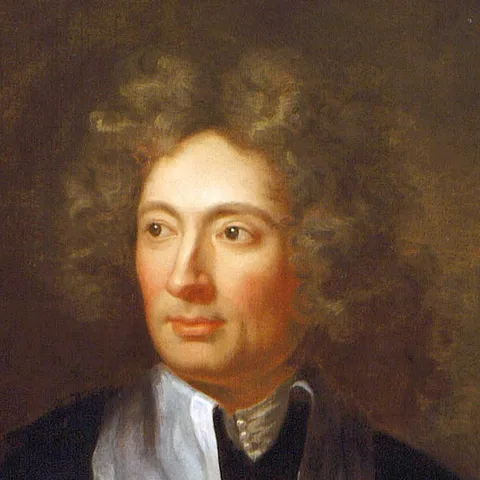
コレッリ・published 1714
聖なる夜のために。最後に羊飼いの笛のようなパストラーレが流れます。
合奏協奏曲 ト短調「クリスマス協奏曲」のページへ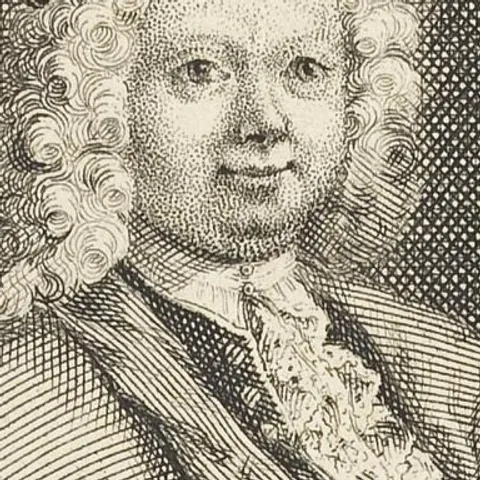
マルチェッロ・published c. 1717
胸にしみるアダージョ!バッハも編曲したオーボエの名曲。
オーボエ協奏曲 ニ短調のページへバッハ・c. 1720
ヴァイオリン1本で、宇宙のように大きな世界を描く傑作。
無伴奏ヴァイオリン・パルティータ第2番 ニ短調より「シャコンヌ」のページへバッハ・1721
2本の笛とヴァイオリンが大活躍!春風のように軽やかな協奏曲。
ブランデンブルク協奏曲第4番 ト長調のページへ
 MP3