
ダイドーの嘆き
Dido's Lament
パーセル・by 1689
「わたしを覚えていて」。くり返す低音にのせた、胸をうつ別れの歌。
歌劇「ダイドーとエネアス」より「ダイドーの嘆き」のページへ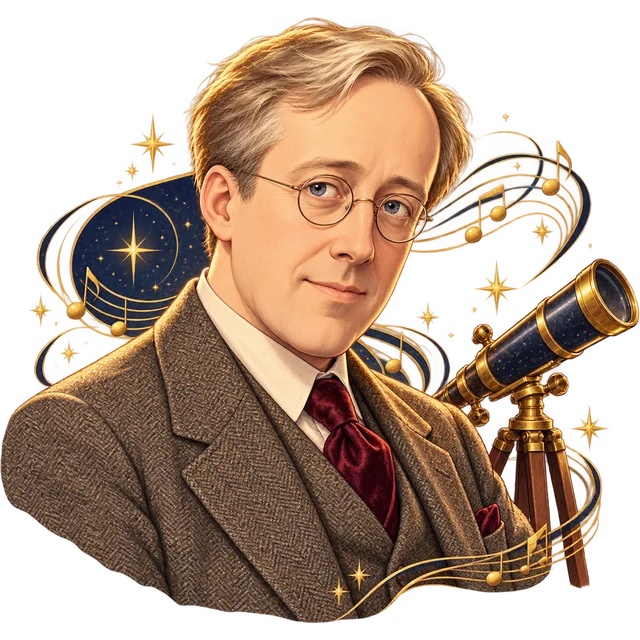
Orchestral · Op. 32 · 1914(作曲)
グスターヴ・ホルスト(1874–1934)
戦いの「火星」のあとにおとずれる、しずかな平和の星。After the battle of Mars comes the quiet peace of Venus.
WATCH ON YOUTUBE
この曲は、権利の切れた高音質の録音がまだ見つからないため、YouTube の公式チャンネルなどの名演でお楽しみください(ダウンロードはできません)。YouTube でほかの演奏もさがす ↗
 Holst: The Planets, Op. 32: II. Venus, the Bringer of Peace
Berliner Philharmoniker - Topic(YouTube) YouTube で開く ↗
HOLST The Planets: 2. Venus, the Bringer of Peace - "The President's Own" U.S. Marine Band
United States Marine Band(YouTube) YouTube で開く ↗
Holst: The Planets, Op. 32: II. Venus, the Bringer of Peace
Berliner Philharmoniker - Topic(YouTube) YouTube で開く ↗
Holst: Die Planeten ∙ hr-Sinfonieorchester ∙ Hugh Wolff
hr-Sinfonieorchester – Frankfurt Radio Symphony(YouTube) YouTube で開く ↗
Gustav Holst - Venus
HDclassical(YouTube) YouTube で開く ↗

ホー!ホルンのソロで始まって、フルートやオーボエがやさしく答えるんだ。
 この曲のおはなし The Story
「金星」は、イギリスの作曲家グスターヴ・ホルストの組曲「惑星」の2曲目です。副題は「平和をもたらす者」。1曲目「火星(戦争をもたらす者)」のはげしい音楽のあとに、ゆったりと静かな音楽が流れ、まるで嵐のあとに広がる青空のように、心がほっと落ち着いていきます。Venus is the second movement of The Planets, a suite by the English composer Gustav Holst. Its subtitle is The Bringer of Peace. After the fierce music of the first movement, Mars, the Bringer of War, Venus brings slow and quiet music, like a clear sky after a storm, and your heart begins to relax.
ホルストは1913年の旅行中に占星術(星の動きで人の性格などを占う考え方)に興味をもち、星がもつ「性格」を音楽にしました。「金星」は1914年、「火星」に続いて作曲されました。ホルンのソロで始まり、フルートやオーボエが答え、ヴァイオリンのソロやきらきらしたチェレスタが、うっとりする夢のような世界を作ります。During a holiday in 1913, Holst became interested in astrology, the idea that the movements of planets can tell us about people's characters. He turned the 'character' of each planet into music. Venus was written in 1914, after Mars. A solo horn begins, flutes and oboes answer, and a solo violin and the sparkling celesta create a dreamy world.
「惑星」は1918年9月、ロンドンで招待客を前に初めて演奏されました。ところが1919年2月の公開演奏会では、新しい音楽を一度に聴かせすぎないようにと、「金星」と最後の「海王星」が省かれました。全7曲がそろって公開演奏されたのは1920年11月のことです。The Planets was first performed in London in September 1918 for invited guests. But at a public concert in February 1919, Venus and the last movement, Neptune, were left out, so the audience would not hear too much new music at once. The first complete public performance of all seven movements came in November 1920.
This music is about the planet Venus. Its subtitle means 'the bringer of peace.' The music is slow and quiet. A horn plays first, and then a violin sings. It feels like a calm sky after a storm.この音楽は金星についての曲です。副題は「平和をもたらす者」という意味です。音楽はゆっくりで静かです。最初にホルンが吹き、そのあとヴァイオリンが歌います。嵐のあとの静かな空のように感じられます。
 聴きどころ Listening Guide
 えっ!?ネタ Surprising Facts
 タップすると答えが開きます
1919年2月の公開演奏会で、指揮者エイドリアン・ボールトは「金星」と「海王星」を省き、5曲だけを演奏しました。お客さんが一度に受け止められる新しい音楽は30分ほどだろう、と考えたからです。静かな2曲が外されたのでした。
At a public concert in February 1919, the conductor Adrian Boult left out Venus and Neptune and played only five movements. He thought an audience could take in only about half an hour of such new music at once. The two quiet movements were the ones dropped.
「惑星」の曲の順番は、太陽から近い順ではありません。ホルストは「音楽としていちばん効果的な順番」で並べたと考えられています。だから戦いの「火星」のすぐあとに、平和の「金星」が来るのです。
The movements of The Planets are not in order of distance from the Sun. Holst is thought to have arranged them in the order that worked best as music. That is why the peaceful Venus comes right after warlike Mars.
ホルストは「惑星」を「気分の絵の連なり」と説明し、ローマ神話の神さまの物語を描いたものではないとしています。「金星」も女神ヴィーナスの話ではなく、「平和」という気分そのものを音にした曲なのです。
Holst described The Planets as a series of mood pictures, not stories about the Roman gods. So Venus is not about the goddess Venus. It turns the feeling of peace itself into music.
先祖が外国から移り住んだ一家に生まれたホルストは、生まれたときの名前を「グスターヴァス・セオドア・フォン・ホルスト」といいました。第一次世界大戦中、ドイツ風に聞こえる名前がきらわれたこともあり、1918年に「フォン」を外しました。「金星」を書いたころは、まだ「フォン・ホルスト」だったのです。
Holst came from a family whose ancestors had moved to England from abroad, and he was born Gustavus Theodore von Holst. During the First World War, German-sounding names were unpopular, and in 1918 he dropped the 'von.' When he wrote Venus, he was still von Holst.
ENGLISH × MASTERPIECE
 さわがしさのない、静かでおだやかな状態。I need some peace and quiet. のように使います。
 この曲で覚える英単語 Words
 クイズに挑戦 Quiz
 著作権について Credits
MORE MASTERPIECES
パーセル・by 1689
「わたしを覚えていて」。くり返す低音にのせた、胸をうつ別れの歌。
歌劇「ダイドーとエネアス」より「ダイドーの嘆き」のページへ
パッヘルベル・c. 1680–1706
同じ8つの音が28回!なのに聴くたび胸がいっぱいになる曲。
カノンとジーグ ニ長調 より「カノン」のページへ
バッハ・c. 1703–1707 (?)
音楽の授業でおなじみ!4つの声が同じテーマで追いかけっこ。
小フーガ ト短調のページへ
ヴィヴァルディ・published 1711
2本のヴァイオリンが火花を散らす!バッハも編曲した熱い協奏曲。
協奏曲集『調和の霊感』第8番 イ短調(2つのヴァイオリンのための協奏曲)のページへ
ヘンデル・1711
「泣かせてください」と歌う、深い悲しみに満ちた名アリア。
私を泣かせてください(歌劇『リナルド』より)のページへバッハ・1713
2本のリコーダーがやさしく鳴る、のどかな牧場の歌。
カンタータ第208番より「羊は安らかに草を食み」のページへ
コレッリ・published 1714
聖なる夜のために。最後に羊飼いの笛のようなパストラーレが流れます。
合奏協奏曲 ト短調「クリスマス協奏曲」のページへ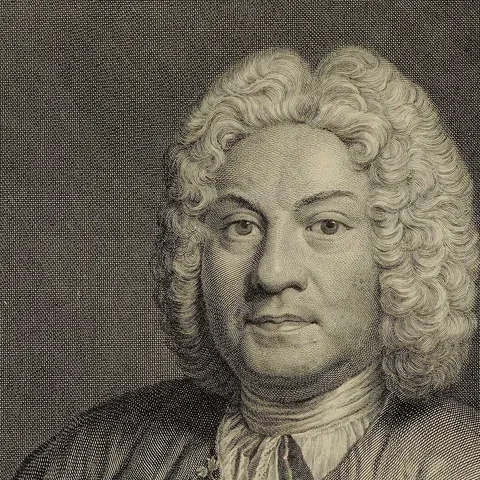
クープラン・published 1717
題名の意味はだれも知らない!やわらかく波打つ、なぞの名曲。
神秘的なバリケードのページへ
 MP3