
ダイドーの嘆き
Dido's Lament
パーセル・by 1689
「わたしを覚えていて」。くり返す低音にのせた、胸をうつ別れの歌。
歌劇「ダイドーとエネアス」より「ダイドーの嘆き」のページへ
Opera · HWV 40 · 1738
ゲオルク・フリードリヒ・ヘンデル(1685–1759)
王さまが木陰に向けて歌う、とびきりやさしいラブソング?A king sings a love song — to a tree.
PUBLIC DOMAIN RECORDING
CC BY 3.0 無料でダウンロードOKWATCH ON YOUTUBE
 Handel: Ombra mai fu (Serse); Christopher Lowrey, countertenor, Voices of Music 4K UHD
Voices of Music(YouTube) YouTube で開く ↗
Franco Fagioli - Handel: Ombra mai fu
Deutsche Grammophon - DG(YouTube) YouTube で開く ↗
左の音源は権利が切れた録音なのでダウンロードできます。右の動画は YouTube の公式の埋め込みで見るもので、ダウンロードはできません(動画の権利は各チャンネルにあります)。
 もっと名演を観る YouTube で何百万回も再生された人気の演奏
Jennifer Larmore sings "Ombra mai fu"
Warner Classics(YouTube) YouTube で開く ↗
Handel - Largo from Xerxes (Ombra mai fu)
Classical Music Only(YouTube) YouTube で開く ↗
HAUSER - Largo from Xerxes (Ombra mai fu)
HAUSER(YouTube) YouTube で開く ↗
Andreas Scholl: Largo di Handel : Ombra mai fu : Aria da Xerxes HWV 40 countertenor Bonazeta YT
Francesco Bonazzi Bonazeta(YouTube) YouTube で開く ↗

ホー!この歌は恋人じゃなくて、1本の木への「ありがとう」の歌なんだよ。
 この曲のおはなし The Story
「オンブラ・マイ・フ」は、ヘンデルのオペラ『セルセ』のいちばん最初に歌われるアリアです。ペルシャの王セルセ(クセルクセス)が、プラタナスの木の下で「これほど心地よい木陰はなかった」と、木に向かって感謝と愛情をこめて歌います。ゆったりと長くのびるメロディーが心にしみる曲です。'Ombra mai fu' is the aria that opens Handel's opera Serse. Xerxes, King of Persia, sits under a plane tree and sings to it with thanks and love, saying there was never a shade so sweet. Its slow, long melody touches the heart.
『セルセ』は1738年にロンドンで初演されました。当時ロンドンでは、イタリア語のオペラの人気が下がりはじめていて、この作品はわずか5回の上演で終わってしまいました。セルセの役は、高い声をもつ男性歌手カッファレッリのために書かれました。今では女性歌手やカウンターテナーが歌います。Serse was first performed in London in 1738. At that time, Italian opera was losing popularity in London, and the work closed after only five performances. The role of Xerxes was written for Caffarelli, a male singer with a high voice. Today it is sung by female singers or countertenors.
19世紀になると、この曲は「ヘンデルのラルゴ」という名前で、ヴァイオリンやオルガン、オーケストラ用などに数多く編曲され、世界中で大人気になりました。もとの楽譜の速さの指示は「ラルゲット(少しゆっくり)」です。日本では1980年代、ウイスキーのテレビCMでソプラノ歌手キャスリーン・バトルが歌い、大きな話題になりました。In the 19th century, the piece became hugely popular around the world as 'Handel's Largo,' arranged for violin, organ, orchestra and more. The original tempo marking is actually 'Larghetto,' meaning a little slow. In Japan in the 1980s, the soprano Kathleen Battle sang it in a TV commercial for whisky, and it became a big topic.
This is a famous song from an opera. A king sings it to a big tree. He says, 'I love your cool shade!' The song is slow and very beautiful. At first, the opera was not popular.これはオペラの中の有名な歌です。王さまが大きな木に向かって歌います。「きみの涼しい木陰が大好きだ!」と言うのです。歌はゆっくりで、とても美しいです。はじめ、このオペラは人気がありませんでした。
 聴きどころ Listening Guide
 えっ!?ネタ Surprising Facts
 タップすると答えが開きます
こんなに美しいメロディーなのに、歌いかける相手は恋人ではなくプラタナスの木です。じつはオペラ『セルセ』は、まじめな場面の中に笑いの要素もまじった作品。王が木を大まじめにたたえるこの場面にも、少しユーモアがこめられていると考える人もいます。
The melody is so beautiful, yet the king is singing not to a lover but to a plane tree. In fact, the opera Serse mixes serious scenes with comic moments. Some people think there is a touch of humor in this scene, where the king praises a tree so seriously.
『セルセ』は初演のとき、たった5回で上演が打ち切られる失敗作でした。ところが100年以上たってから、この最初のアリアだけが「ヘンデルのラルゴ」として大人気になります。オペラ全体も20世紀になって再び上演されるようになり、今では人気作の1つです。
When Serse premiered, it closed after just five performances. But more than 100 years later, this opening aria alone became hugely popular as 'Handel's Largo.' The whole opera was revived in the 20th century, and today it is one of Handel's popular operas.
1906年のクリスマス・イブ、発明家フェッセンデンが世界で初めてラジオで声と音楽を放送し、そこでこの「ラルゴ」のレコードを流した、という話があります。ただしこれは晩年の本人の手紙にもとづく話で、本当に放送があったのかを疑う研究者もいます。
There is a story that on Christmas Eve 1906, the inventor Reginald Fessenden made the world's first radio broadcast of voice and music, and played a record of this 'Largo.' However, the story comes from a letter he wrote late in life, and some researchers doubt that the broadcast really happened.
日本では1980年代、アメリカのソプラノ歌手キャスリーン・バトルがこの曲を歌うウイスキーのテレビCMが流れ、大きな話題になりました。これをきっかけに「オンブラ・マイ・フ」の名前が広く知られ、クラシックをふだん聴かない人にも親しまれるようになりました。
In Japan in the 1980s, a whisky TV commercial featuring the American soprano Kathleen Battle singing this aria became a big topic. Thanks to it, the name 'Ombra mai fu' became widely known, even among people who did not usually listen to classical music.
ENGLISH × MASTERPIECE
 映画や本が「〜への愛をこめた作品」だと言うときによく使います。
 この曲で覚える英単語 Words
 クイズに挑戦 Quiz
 この録音について(著作権・出典) Credits
MORE MASTERPIECES
パーセル・by 1689
「わたしを覚えていて」。くり返す低音にのせた、胸をうつ別れの歌。
歌劇「ダイドーとエネアス」より「ダイドーの嘆き」のページへ
パッヘルベル・c. 1680–1706
同じ8つの音が28回!なのに聴くたび胸がいっぱいになる曲。
カノンとジーグ ニ長調 より「カノン」のページへヘンデル・1711
「泣かせてください」と歌う、深い悲しみに満ちた名アリア。
私を泣かせてください(歌劇『リナルド』より)のページへ
バッハ・1713
2本のリコーダーがやさしく鳴る、のどかな牧場の歌。
カンタータ第208番より「羊は安らかに草を食み」のページへ
コレッリ・published 1714
聖なる夜のために。最後に羊飼いの笛のようなパストラーレが流れます。
合奏協奏曲 ト短調「クリスマス協奏曲」のページへヘンデル・1717
テムズ川の船の上で国王のために!夏の夜の水上コンサート。
水上の音楽のページへ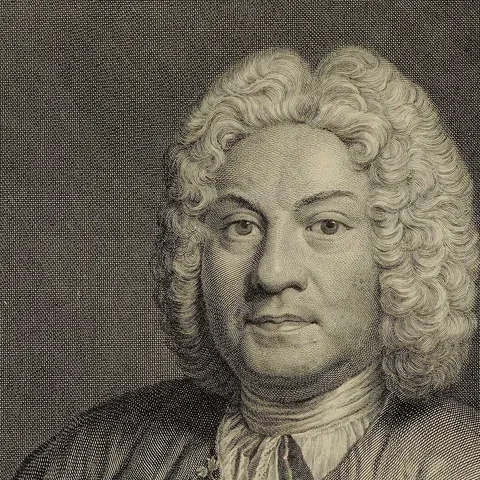
クープラン・published 1717
題名の意味はだれも知らない!やわらかく波打つ、なぞの名曲。
神秘的なバリケードのページへ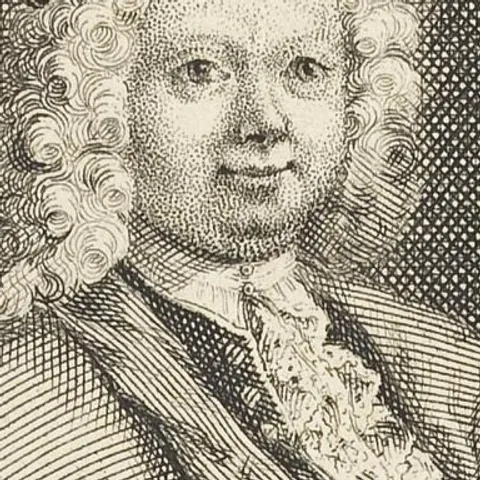
マルチェッロ・published c. 1717
胸にしみるアダージョ!バッハも編曲したオーボエの名曲。
オーボエ協奏曲 ニ短調のページへ
 MP3