
ダイドーの嘆き
Dido's Lament
パーセル・by 1689
「わたしを覚えていて」。くり返す低音にのせた、胸をうつ別れの歌。
歌劇「ダイドーとエネアス」より「ダイドーの嘆き」のページへ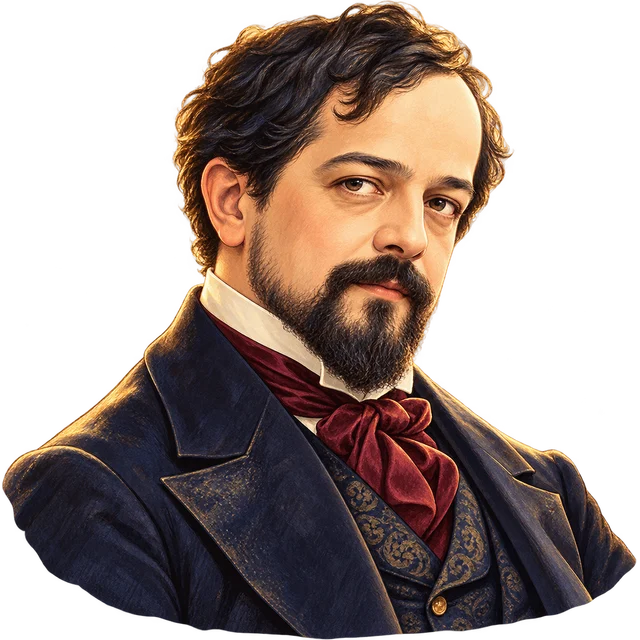
Piano · L. 75 · 1890頃(出版1905)
クロード・ドビュッシー(1862–1918)
夜空にそっと光る月。世界中で親しまれる「月」のピアノ曲。Soft moonlight in the night sky: a beloved piano piece known around the world.
PUBLIC DOMAIN RECORDING
PD / CC0 無料でダウンロードOK 別の演奏で聴く 1:United States Air Force Band of Flight, Wright Brass; Recording: United States Air Force
ANOTHER RECORDING 1
PD / CC0 別の演奏で聴く 2:Claude ReidANOTHER RECORDING 2
CC BY-SA 4.0WATCH ON YOUTUBE
 Debussy - Clair de Lune
Rousseau(YouTube) YouTube で開く ↗
Lang Lang – Debussy: Suite bergamasque, L.75: III. Clair de lune
Deutsche Grammophon - DG(YouTube) YouTube で開く ↗
左の音源は権利が切れた録音なのでダウンロードできます。右の動画は YouTube の公式の埋め込みで見るもので、ダウンロードはできません(動画の権利は各チャンネルにあります)。
 もっと名演を観る YouTube で何百万回も再生された人気の演奏
Debussy: Clair de lune ∙ hr-Sinfonieorchester ∙ Jean-Christophe Spinosi
hr-Sinfonieorchester – Frankfurt Radio Symphony(YouTube) YouTube で開く ↗
Debussy: Clair de lune | Menahem Pressler, piano
DW Classical Music(YouTube) YouTube で開く ↗
Clair de Lune (Studio Version)
Johann Debussy - Topic(YouTube) YouTube で開く ↗
Debussy - Clair de Lune (Extended)
Baptiste Bianciot(YouTube) YouTube で開く ↗

ホー!Clair de lune はフランス語で「月の光」。英語なら moonlight だよ。
 この曲のおはなし The Story
フランスの作曲家ドビュッシーのピアノ曲で、『ベルガマスク組曲』の3曲目です。とても静かに始まり、やわらかな和音がゆれるように広がって、夜空に月の光がさしていくような情景を描きます。ドビュッシーの作品の中でも、いちばんよく知られた曲のひとつです。This piano piece by French composer Claude Debussy is the third movement of his Suite bergamasque. It begins very quietly, and soft chords spread out gently, like moonlight falling across the night sky. It is one of Debussy's best-known works.
組曲は1890年ごろに書き始められましたが、ドビュッシーは長いあいだ手元におき、手を加えて1905年にようやく出版しました。「月の光」という題は、フランスの詩人ヴェルレーヌの同じ名前の詩から来ていると考えられています。その詩には「ベルガマスク」ということばも出てきます。Debussy began the suite around 1890, but he kept it for many years and revised it before it was finally published in 1905. The title 'Clair de lune' is thought to come from a poem of the same name by the French poet Paul Verlaine. The word 'bergamasque' also appears in that poem.
この曲は多くの映画に使われ、ドビュッシーの作品の中でも特によく知られる曲になりました。オーケストラやギターなどにも編曲され、心を落ち着かせる音楽として、今も世界中で愛されています。若いころに書き始めた曲が、作曲者を代表する作品のひとつになったのです。The piece has been used in many films and has become one of Debussy's best-known works. It has been arranged for orchestra, guitar, and more, and it is still loved around the world as calming music. A piece he began as a young man became one of his most celebrated compositions.
This is a quiet piano piece about the moon. 'Clair de lune' means 'moonlight' in French. The music is soft and dreamy. It is in many movies. Debussy changed the first title of this piece.これは月についての静かなピアノ曲です。「クレール・ド・リュヌ」はフランス語で「月の光」という意味です。音楽はやわらかく、夢のようです。たくさんの映画で使われています。ドビュッシーは、この曲の最初の題名を変えました。
 聴きどころ Listening Guide
 えっ!?ネタ Surprising Facts
 タップすると答えが開きます
この曲には最初「感傷的な散歩」という題がつけられていました。これもヴェルレーヌの詩の題です。出版のときに「月の光」に変えられました。もし題が変わっていなかったら、曲のイメージはずいぶんちがっていたかもしれません。
This piece was first titled 'Promenade sentimentale' ('Sentimental Walk'), which is also the title of a Verlaine poem. It was renamed 'Clair de lune' when it was published. With the old title, we might imagine it very differently!
ドビュッシーは1890年ごろにこの組曲を書きましたが、出版されたのは1905年です。そのあいだに、彼は新しい音楽のスタイルを作り上げていきました。若いころの作品を見直し、手を加えてから世に出したと考えられています。
Debussy wrote the suite around 1890, but it was not published until 1905. During those years, he created his own new musical style. He is thought to have revised his early work before letting the world hear it.
映画『オーシャンズ11』(2001年)では、ラストで仲間たちがラスベガスの噴水を見つめる名場面にこの曲が流れます。ほかにも『トワイライト~初恋~』など、多くの映画で使われてきました。
In the film Ocean's Eleven (2001), this music plays in the famous final scene where the team watches the fountains in Las Vegas. It has also been used in many other films, including Twilight.
ディズニー映画『ファンタジア』(1940年)のために、この曲に合わせたアニメーションが作られましたが、本編からはカットされました。その映像は、のちに別の音楽をつけて別の作品で使われたと言われています。
An animated scene was made for this music for Disney's Fantasia (1940), but it was cut from the film. It is said that the animation was later used in another film with different music.
ENGLISH × MASTERPIECE
 once in a blue moon は「めったにない」。ひと月に2回目の満月を blue moon と呼ぶことも。
 この曲で覚える英単語 Words
 クイズに挑戦 Quiz
 この録音について(著作権・出典) Credits
MORE MASTERPIECES
パーセル・by 1689
「わたしを覚えていて」。くり返す低音にのせた、胸をうつ別れの歌。
歌劇「ダイドーとエネアス」より「ダイドーの嘆き」のページへ
パッヘルベル・c. 1680–1706
同じ8つの音が28回!なのに聴くたび胸がいっぱいになる曲。
カノンとジーグ ニ長調 より「カノン」のページへ
ヘンデル・1711
「泣かせてください」と歌う、深い悲しみに満ちた名アリア。
私を泣かせてください(歌劇『リナルド』より)のページへ
バッハ・1713
2本のリコーダーがやさしく鳴る、のどかな牧場の歌。
カンタータ第208番より「羊は安らかに草を食み」のページへ
コレッリ・published 1714
聖なる夜のために。最後に羊飼いの笛のようなパストラーレが流れます。
合奏協奏曲 ト短調「クリスマス協奏曲」のページへ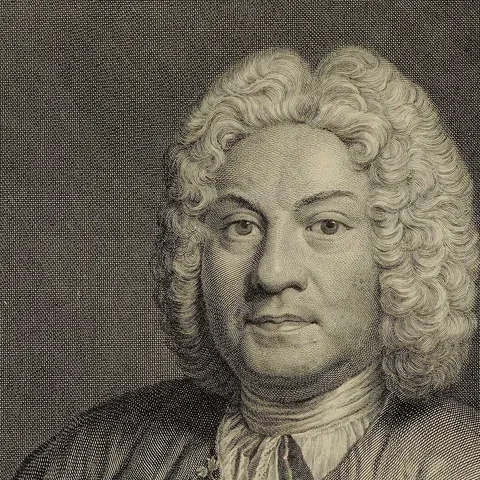
クープラン・published 1717
題名の意味はだれも知らない!やわらかく波打つ、なぞの名曲。
神秘的なバリケードのページへ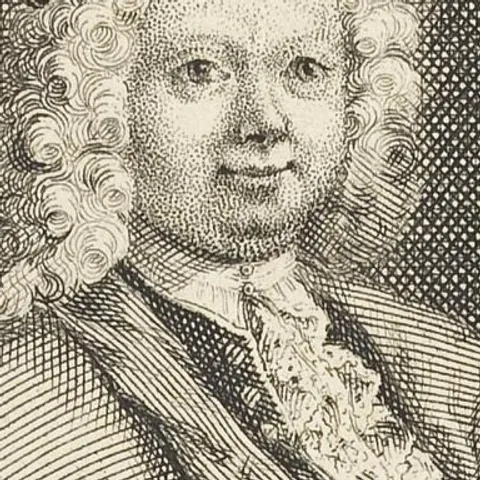
マルチェッロ・published c. 1717
胸にしみるアダージョ!バッハも編曲したオーボエの名曲。
オーボエ協奏曲 ニ短調のページへバッハ・c. 1720
チェロ1本だけで、こんなに豊かな世界が広がる!
無伴奏チェロ組曲 第1番 ト長調のページへ
 MP3