ボロディン交響曲第2番
Borodin Symphony No. 2
ボロディン・1869–1876
ドン!と大地をふみしめる。ロシアの勇士たちの交響曲。
交響曲第2番 ロ短調のページへRomantic · 1833–1887
「日曜作曲家」The Sunday composer
 サンクトペテルブルク(ロシア)
 サンクトペテルブルク(ロシア)5 曲を収録
本業は化学者!研究のあいまに名曲を書いた「日曜作曲家」。A chemist by profession who wrote masterpieces in his spare time.
 ボロディンの名曲を聴く
ボロディン・1869–1876
ドン!と大地をふみしめる。ロシアの勇士たちの交響曲。
交響曲第2番 ロ短調のページへボロディン・1874–1879
ベートーヴェンからのバトン?化学者が書いたあたたかな四重奏。
弦楽四重奏曲第1番 イ長調のページへボロディン・1880
ロシアの歌と東の歌が、どこまでも続く草原でひとつになる。
交響詩「中央アジアの草原にて」のページへボロディン・1881
妻への愛のおくりもの。チェロとバイオリンが語らう夜の歌。
弦楽四重奏曲第2番より 第3楽章「ノクターン(夜想曲)」のページへボロディン・1869–1887(初演1890)
やさしい歌から熱い踊りへ。草原の民の、命がおどる大迫力!
歌劇『イーゴリ公』より「だったん人の踊り」のページへ
ホー!ボロディンの名前は、化学の反応の名前にも残っているんだよ。
 生涯 Life Story
ボロディンは1833年、ロシアの首都サンクトペテルブルクで生まれました。父はジョージア(グルジア)の貴族ルカ・ゲデヴァニシヴィリでしたが、両親は正式に結婚していなかったため、赤ちゃんは父の家の農奴(自由のない身分の人)ポルフィーリー・ボロディンの子として届け出られ、この名字になりました。7歳のとき父によって自由の身にされ、家庭教師から教育を受けて、子どものころから作曲にも親しみました。Borodin was born in 1833 in Saint Petersburg, then the capital of Russia. His father was a Georgian nobleman, Luka Gedevanishvili, but his parents were not married. So the baby was registered as the son of one of his father's serfs, Porfiry Borodin, and that is where his surname came from. His father freed him from serfdom when he was seven. He was taught at home by tutors and began composing as a child.
1850年、医学・外科アカデミーに入学し、化学者の道を進みます。1859年から3年間ドイツのハイデルベルクで研究を重ね、1862年に母校の化学の助教授となり、1864年に教授になりました。同じ年、作曲家バラキレフに出会って本格的に作曲を学び、ロシアらしい音楽をめざす「ロシア五人組」の一員になります。交響曲第2番や、交響詩『中央アジアの草原にて』(1880)が生まれました。In 1850 he entered the Medical–Surgical Academy and set out on a career in chemistry. From 1859 he spent three years doing research in Heidelberg, Germany, and in 1862 he became an assistant professor of chemistry at his old academy, receiving the title of professor in 1864. That same year he met the composer Mily Balakirev and began studying composition seriously. He joined the Mighty Handful, a group of five composers who wanted to create truly Russian music. His works include the Second Symphony and In the Steppes of Central Asia (1880).
ハイデルベルクで出会ったピアニストのエカテリーナと1863年に結婚し、彼女からショパンやシューマンの音楽も教わりました。ただ、大学での研究と授業はとても忙しく、作曲はわずかな空き時間にしかできません。オペラ『イーゴリ公』は18年近く書き続けても完成しませんでした。教育にも熱心で、1872年には女性のための医学講座の設立に力をつくし、1885年まで教えました。In Heidelberg he met the pianist Ekaterina Protopopova, whom he married in 1863, and she introduced him to the music of Chopin and Schumann. But his research and teaching kept him very busy, and he could only compose in his rare free moments. He worked on his opera Prince Igor for almost eighteen years without finishing it. He also cared deeply about education, helping to found medical courses for women in 1872 and teaching there until 1885.
1887年2月、ボロディンは舞踏会の会場で突然倒れ、53歳で亡くなりました。心臓の血管が破れたことが原因とされます。残された『イーゴリ公』は、仲間のリムスキー=コルサコフと若いグラズノフが完成させ、1890年に初演されました。中の『ダッタン人の踊り(ポロヴェツ人の踊り)』は大人気曲に。1953年のブロードウェイ・ミュージカル『キスメット』にも彼のメロディーが使われています。In February 1887, Borodin suddenly collapsed at a ball and died at the age of 53. The cause is thought to have been a burst artery in his heart. His unfinished Prince Igor was completed by his friend Rimsky-Korsakov and the young Alexander Glazunov, and it was first performed in 1890. Its Polovtsian Dances became hugely popular. His melodies were even used in the 1953 Broadway musical Kismet.
Borodin was born in Russia in 1833. He worked as a chemist and taught chemistry at a medical school. He wrote music only in his free time. People call him a Sunday composer. His music is in a Broadway musical, too!ボロディンは1833年、ロシアで生まれました。本業は化学者で、医学の学校で化学を教えていました。音楽は空いた時間にだけ書きました。人々は彼を「日曜作曲家」と呼びます。彼の音楽はブロードウェイのミュージカルにも使われています!
 これだけは!鉄板情報 Must-Know Facts
 あっと驚くネタ Surprising Stories
 タップすると答えが開きます
ボロディンは一流の化学者でした。カルボン酸の銀塩から有機化合物を作る反応は、のちに「ハンスディーカー・ボロディン反応」と呼ばれるようになります。また、有機化学でとても大切な「アルドール反応」も、フランスのヴュルツとほぼ同じころに発見しました。
Borodin was a first-class chemist. A reaction he studied, which turns the silver salts of carboxylic acids into new organic compounds, is now called the Hunsdiecker–Borodin reaction. He also discovered the important aldol reaction at about the same time as the French chemist Charles-Adolphe Wurtz.
ボロディンという名字は、じつは実の父のものではありません。父はジョージアの貴族ゲデヴァニシヴィリでしたが、正式な結婚による子ではなかったため、家の農奴の子として届け出られたのです。父は彼が7歳のときに自由の身にし、教育も受けさせました。
The name Borodin did not come from his real father. His father was a Georgian nobleman named Gedevanishvili, but since Alexander was born outside marriage, he was registered as the son of a serf. His father freed him when he was seven and made sure he got a good education.
1953年のブロードウェイ・ミュージカル『キスメット』は、ボロディンのメロディーを使って作られました。ヒット曲『ストレンジャー・イン・パラダイス』は『ダッタン人の踊り』のメロディーがもとです。作品は1954年にトニー賞を受け、ボロディンにも死後にトニー賞が贈られたと紹介されています。
The 1953 Broadway musical Kismet was built from Borodin's melodies. Its hit song Stranger in Paradise comes from a tune in the Polovtsian Dances. The show won the Tony Award in 1954, and Borodin is described as having received a Tony Award long after his death.
ボロディンは、作曲できるのは病気で大学の講義を休んだときぐらいだ、と冗談まじりに語ったと伝えられています。そのため友人たちは、ふつうの「お元気で」ではなく「病気になってね」とあいさつした、という話が残っています。本当かどうかはわかりませんが、忙しさがよく伝わる話です。
Borodin is reported to have joked that he could only compose when he was too ill to give his lectures. So, the story goes, his friends greeted him not with "I hope you're well" but "I hope you're ill!" It may not be literally true, but it shows how busy he was.
ボロディンは1877年、ドイツのワイマールで大作曲家リストに会い、作品を高く評価されました。リストは彼の交響曲第1番をドイツで演奏する手助けをし、1880年に実現しています。ロシアの外で、ボロディンの名が知られるきっかけになりました。
In 1877 Borodin met the great Franz Liszt in Weimar, Germany, and Liszt praised his music highly. Liszt helped arrange a performance of Borodin's First Symphony in Germany, which took place in 1880. It helped make Borodin's name known outside Russia.
フランスの作曲家ラヴェルは、ピアノ曲『ボロディン風に』(1913年初演)を書いています。名作曲家の作風をまねした小品で、ボロディンへの尊敬の気持ちがこめられています。「日曜作曲家」の音楽は、のちの世代の作曲家たちにも大きな影響を与えたのです。
The French composer Maurice Ravel wrote a short piano piece called À la manière de Borodine (In the Style of Borodin), first performed in 1913. It imitates Borodin's style as a tribute. The music of this Sunday composer inspired later generations of composers too.
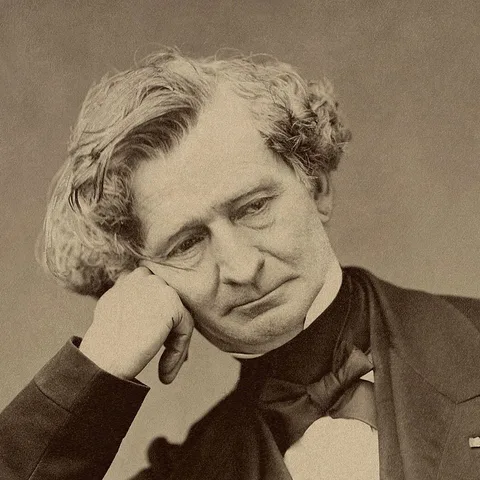
 肖像画・写真・自筆譜 Gallery (Public Domain)
Wikimedia Commons でパブリックドメイン(または CC0)と確認した画像です。クリックで拡大。
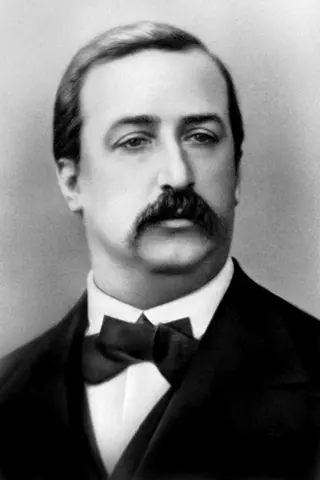
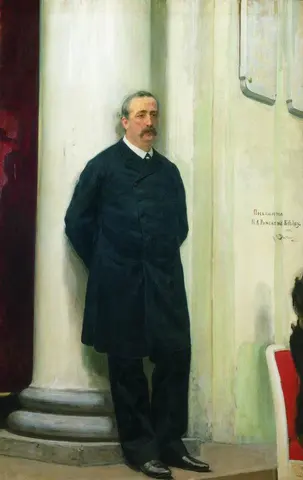
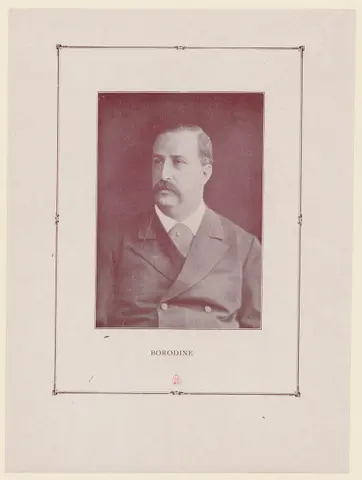
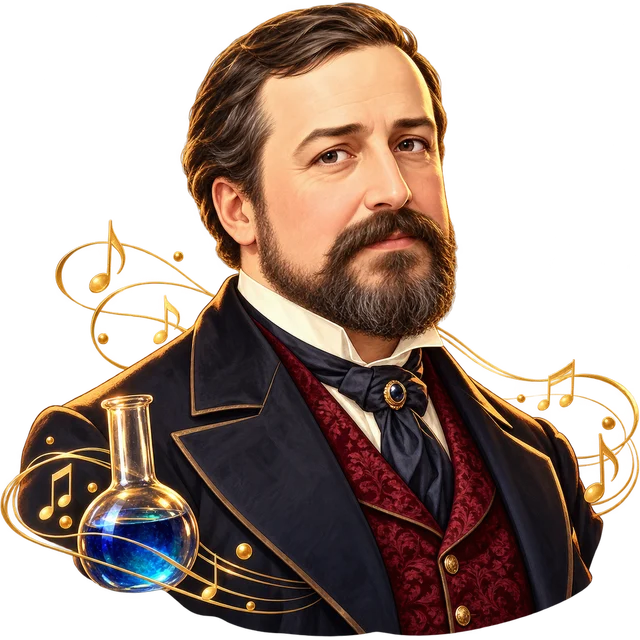
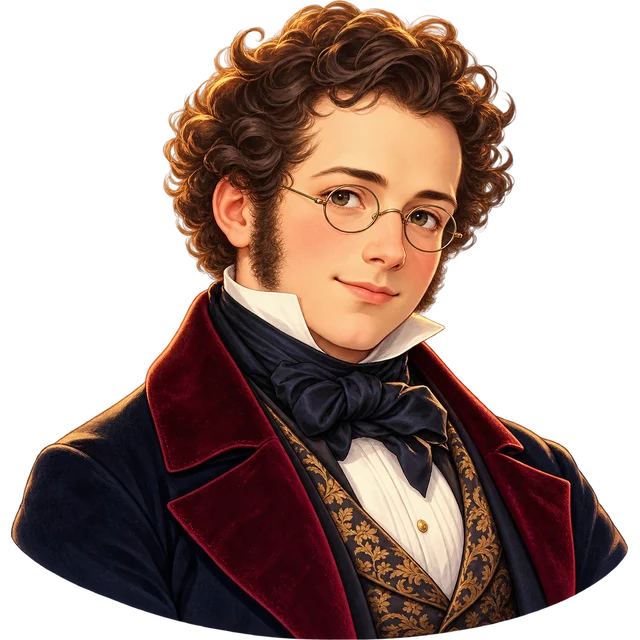
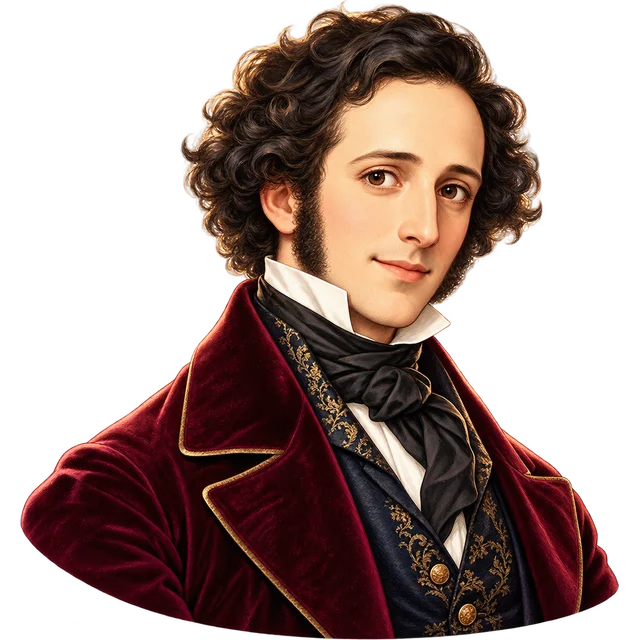
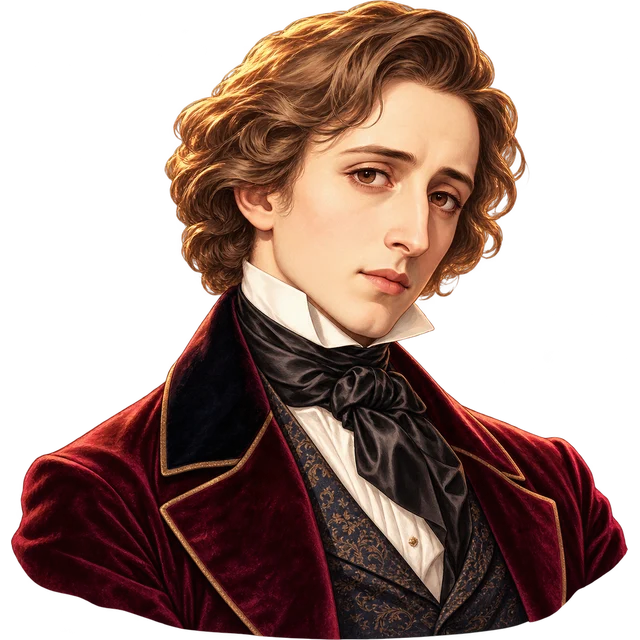
ページ上のイラストは、本物の肖像画をもとにこのサイトのために描いたものです。
 年表 Timeline
 ボロディンで覚える英単語 Words
 クイズに挑戦 Quiz
MORE COMPOSERS

 MP3