
テ・デウム
Te Deum
シャルパンティエ・c. 1688–1698
パンパカパーン!ヨーロッパのテレビの幕開けを飾ってきた、ごうかな前奏曲。
テ・デウム ニ長調のページへ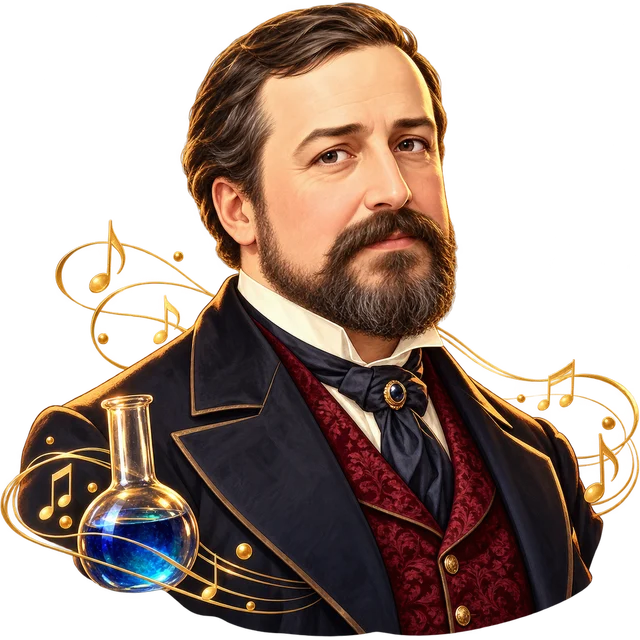
Opera · · 1869–1887(初演1890)
アレクサンドル・ボロディン(1833–1887)
やさしい歌から熱い踊りへ。草原の民の、命がおどる大迫力!From a gentle song to a wild dance: the power of the steppe!
PUBLIC DOMAIN RECORDING
CC BY-SA 3.0 無料でダウンロードOKWATCH ON YOUTUBE
 Borodin: Prince Igor: Polovtsian Dances (Without Chorus)
Berliner Philharmoniker - Topic(YouTube) YouTube で開く ↗
Borodin: Prince Igor: Polovtsian Dances (Without Chorus)
Berliner Philharmoniker - Topic(YouTube) YouTube で開く ↗
左の音源は権利が切れた録音なのでダウンロードできます。右の動画は YouTube の公式の埋め込みで見るもので、ダウンロードはできません(動画の権利は各チャンネルにあります)。
 もっと名演を観る YouTube で何百万回も再生された人気の演奏
Borodin: Polowetzer Tänze ∙ hr-Sinfonieorchester ∙ Alain Altinoglu
hr-Sinfonieorchester – Frankfurt Radio Symphony(YouTube) YouTube で開く ↗
Borodin – Prince Igor: Polovtsian Dances Andrzej Kucybała – conductor Polonya'dan Celal hocama selam
Akademia Filmu i Telewizji(YouTube) YouTube で開く ↗
Borodin, In the Steppes of Central Asia, Polovtsian dances (Svetlanov)
Vanja Stanishic(YouTube) YouTube で開く ↗
ボロディン オペラ「イーゴリ公」より「韃靼人の踊り」
Greatest Musics(YouTube) YouTube で開く ↗
ホー!ボロディンはこのオペラを完成できずに亡くなった。仲間が仕上げたんだ。
 この曲のおはなし The Story
ボロディンのオペラ『イーゴリ公』の第2幕で演奏される、合唱つきの踊りの音楽です。12世紀のロシアで、イーゴリ公は草原の民ポロヴェツ人との戦いに敗れ、とらわれてしまいます。敵の長コンチャク・ハーンは、イーゴリ公をもてなすために、家来たちに歌と踊りを披露させます。This dance music with chorus comes from Act 2 of Borodin's opera Prince Igor. In 12th-century Russia, Prince Igor is defeated and captured by the Polovtsians, a people of the steppe. Their leader, Khan Konchak, treats Igor as an honored guest and orders his people to entertain him with songs and dances.
ボロディンは化学者として忙しく、このオペラを18年近くかけても完成できないまま、1887年に亡くなりました。残された楽譜は、仲間のリムスキー=コルサコフと若いグラズノフが補って完成させ、1890年にサンクトペテルブルクで初演されました。音楽は、ゆったりと美しい娘たちの踊りから、男たちのはげしい踊りへと変わっていきます。Borodin was busy with his work as a chemist, and after almost 18 years the opera was still unfinished when he died in 1887. His friends Rimsky-Korsakov and the young Alexander Glazunov completed it, and it was first performed in St. Petersburg in 1890. The music moves from the slow, lovely dance of the maidens to the fierce dances of the men.
物語ではこのあと、イーゴリ公は敵のもとから逃げ出し、ふるさとへ戻ります。オペラ全体が上演される機会は多くありませんが、この踊りだけは合唱つき、またはオーケストラだけでよく演奏され、最後に全員がひとつになる大きな盛り上がりで、ロシア音楽を代表する名曲になっています。Later in the story, Igor escapes and returns home. The full opera is not staged very often, but these dances are played again and again, with or without chorus. With their grand finale, in which all the performers join together, the dances have become one of the most famous works of Russian music.
This music is from an opera. A prince is caught by people from the steppe. Their leader shows him songs and dances. The music starts softly and gets wild and strong. One melody later became a famous American song.この音楽はオペラの曲です。王子が草原の民につかまります。彼らの長は、王子に歌と踊りを見せます。音楽はやさしく始まり、はげしく力強くなります。メロディーのひとつは、のちにアメリカの有名な歌になりました。
 聴きどころ Listening Guide
 えっ!?ネタ Surprising Facts
 タップすると答えが開きます
日本語の題の「だったん(韃靼)」は、昔タタール人などをまとめて呼んだことばです。でも、曲に出てくるのは本当はポロヴェツ人という別の草原の民です。古い呼び名がそのまま定着したため、今は「ポロヴェツ人の踊り」と呼ぶこともあります。
The Japanese word 'dattan' was an old name used for the Tatars and other peoples. But the people in the opera are actually the Polovtsians, a different steppe people. The old name stuck in Japan, so today the piece is also called 'Polovtsian Dances' there.
ボロディンは本業の化学の研究や教育に追われ、オペラはなかなか進みませんでした。1887年に急に亡くなったとき、作品はまだ未完成。仲間が仕上げ、グラズノフはボロディンがピアノで弾いた序曲を、記憶をもとに書き起こしたと言われています。
Busy with chemistry, Borodin made slow progress on the opera. When he died suddenly in 1887, it was still unfinished. His friends completed it, and Glazunov is said to have written down the overture from memory, after hearing Borodin play it on the piano.
1953年のミュージカル『キスメット』は、ボロディンのメロディーをもとに作られ、1954年のトニー賞で作品賞を受賞しました。なかでもこの曲の娘たちの踊りから生まれた「ストレンジャー・イン・パラダイス」は、多くの歌手が歌う名曲になりました。
The 1953 musical Kismet was built on Borodin's melodies, and it won the Tony Award for Best Musical in 1954. Its song 'Stranger in Paradise,' based on the maidens' dance from this piece, has been sung by many famous singers.
1909年、ディアギレフひきいるロシア・バレエ団がパリでこの踊りを上演しました。振付はフォーキン。男性ダンサーたちの力強い跳躍に観客は大興奮し、このバレエ団がパリで大人気になるきっかけのひとつになりました。
In 1909, Sergei Diaghilev's Ballets Russes performed these dances in Paris, with choreography by Michel Fokine. The audience went wild over the male dancers' powerful leaps, and the show helped make the company a sensation in Paris.
ENGLISH × MASTERPIECE
 bring the house down は「劇場をわかせる・大喝采をあびる」。house は劇場のことです。
 この曲で覚える英単語 Words
 クイズに挑戦 Quiz
 この録音について(著作権・出典) Credits
MORE MASTERPIECES
シャルパンティエ・c. 1688–1698
パンパカパーン!ヨーロッパのテレビの幕開けを飾ってきた、ごうかな前奏曲。
テ・デウム ニ長調のページへ
パーセル・1695
ブリテンが「オーケストラ入門」のテーマに選んだ、かっこいいメロディー。
劇音楽「アブデラザール」より ロンドのページへ
バッハ・c. 1704 (?)
タラリ〜!一度聴いたら忘れない、オルガンの大迫力の幕開け。
トッカータとフーガ ニ短調のページへバッハ・c. 1706–1713
足が弾く低いテーマが21回!重くて壮大な、オルガンの大建築。
パッサカリアとフーガ ハ短調のページへバッハ・c. 1707–1710 (?)
キラキラの駆け上がりで幕開け!若きバッハのはなやかな鍵盤ショー。
トッカータ ニ長調のページへ
ヴィヴァルディ・published 1711
2本のヴァイオリンが火花を散らす!バッハも編曲した熱い協奏曲。
協奏曲集『調和の霊感』第8番 イ短調(2つのヴァイオリンのための協奏曲)のページへヴィヴァルディ・c. 1715
オクターブがぴょんぴょん跳ねる!喜びがはじける合唱の名曲。
グローリア ニ長調のページへ
テレマン・c. 1710–1720 (?)
バルブのないラッパで高音をきらり!バロックのトランペットの晴れ舞台。
トランペット協奏曲 ニ長調のページへ
 MP3