
カノン
Canon in D
パッヘルベル・c. 1680–1706
同じ8つの音が28回!なのに聴くたび胸がいっぱいになる曲。
カノンとジーグ ニ長調 より「カノン」のページへ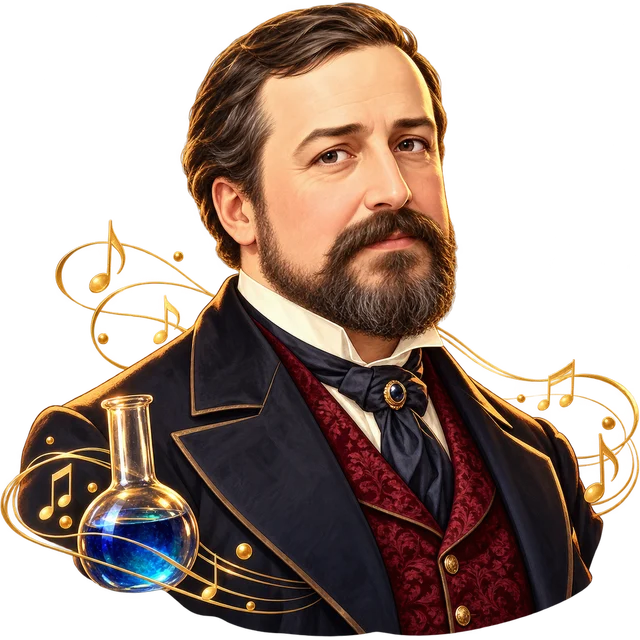
Chamber · · 1874–1879
アレクサンドル・ボロディン(1833–1887)
ベートーヴェンからのバトン?化学者が書いたあたたかな四重奏。A baton from Beethoven? A warm quartet by a chemist.
PUBLIC DOMAIN RECORDING
PD / CC0 無料でダウンロードOK
WATCH ON YOUTUBE
 Alexander Borodin - String Quartet No. 2
olla-vogala(YouTube) YouTube で開く ↗
Borodin: Quartet No. 2 in D major for Strings, I. Allegro moderato
Chamber Music Society of Lincoln Center(YouTube) YouTube で開く ↗
左の音源は権利が切れた録音なのでダウンロードできます。右の動画は YouTube の公式の埋め込みで見るもので、ダウンロードはできません(動画の権利は各チャンネルにあります)。
 もっと名演を観る YouTube で何百万回も再生された人気の演奏
Alexander Borodin - String Quartet No. 1
Top Classical Music(YouTube) YouTube で開く ↗

ホー!ボロディンは自分でもチェロを弾いた、室内楽の大好きな人だったんだよ。
 この曲のおはなし The Story
ボロディンの弦楽四重奏曲第1番は、1874年から1879年にかけて書かれた、バイオリン2つ、ビオラ、チェロのための作品です。有名な「ノクターン」をふくむ第2番のかげにかくれがちですが、明るくおだやかなイ長調の響きと、ロシアらしい歌心がつまった魅力的な曲です。楽譜には「ベートーヴェンの主題による」と書きそえられています。Borodin's String Quartet No. 1, written from 1874 to 1879, is a work for two violins, viola and cello. It is often hidden in the shadow of Quartet No. 2, with its famous Nocturne, but it is a charming piece full of the warm, calm sound of A major and a Russian love of song. The score carries a note saying it was inspired by a theme of Beethoven.
そのベートーヴェンの主題とは、ベートーヴェンの弦楽四重奏曲第13番(作品130)の終楽章に出てくるフレーズです。ボロディンはこれを少しだけ変えて、第1楽章のメロディーに使いました。あまりに自然にロシア風の歌に生まれ変わっているので、言われなければ気づかないほどです。ボロディンは化学者の仕事のかたわら、この曲に5年ほどかけました。The Beethoven theme is a phrase from the last movement of Beethoven's String Quartet No. 13 (Op. 130). Borodin changed it only a little and used it in the melody of the first movement. It turns so naturally into a Russian-style song that you might not notice where it came from. Working alongside his job as a chemist, Borodin spent about five years on this quartet.
第3楽章スケルツォの中間部では、弦に軽くふれて笛のような高い音を出す「ハーモニクス」という奏法がたっぷり使われ、妖精の国のようなふしぎな響きが生まれます。今ではロシア室内楽の大切なレパートリーで、作曲家の名前をとった「ボロディン弦楽四重奏団」という有名な団体もあります。In the middle part of the scherzo, the third movement, the players use many harmonics, a way of lightly touching the strings to make high, flute-like sounds. This creates a strange, fairyland sound. Today the quartet is an important part of Russian chamber music, and there is even a famous group named after the composer: the Borodin Quartet.
This music is for four string players. The composer was a chemist, and he played the cello, too. He used a short melody by Beethoven. In one part, the strings sound like little flutes. It sounds like music from a fairyland!これは4人の弦楽器奏者のための曲です。作曲家は化学者で、チェロも弾きました。彼はベートーヴェンの短いメロディーを使いました。ある部分では、弦楽器が小さな笛のような音を出します。まるで妖精の国のようです!
 聴きどころ Listening Guide
 えっ!?ネタ Surprising Facts
 タップすると答えが開きます
楽譜には「ベートーヴェンの主題による」と書かれています。その主題は、ベートーヴェン晩年の弦楽四重奏曲第13番(作品130)の終楽章から取られたものです。ボロディンはほんの少しだけ形を変えて使っているので、言われなければロシアの歌だと思ってしまうほどです。
The score says the quartet was inspired by a theme of Beethoven. That theme comes from the finale of Beethoven's late String Quartet No. 13 (Op. 130). Borodin changed it only slightly, yet if no one told you, you might think it was a Russian song.
スケルツォの中間部では、4つの楽器がそろって「ハーモニクス」という奏法を使います。弦をおさえこまずに指で軽くふれて弾くと、笛のような透き通った高い音が出るのです。弦楽四重奏でここまでたっぷりハーモニクスを使うのは、めずらしい工夫です。
In the middle part of the scherzo, all four instruments use a technique called harmonics. By touching the strings lightly instead of pressing them down, players make clear, high, flute-like sounds. Using so many harmonics in a string quartet is a rare and clever idea.
ボロディンは子どものころから音楽が好きで、フルートやピアノ、チェロを演奏しました。若いころは友人たちと室内楽を楽しみ、ドイツ留学中もその習慣を続けていたと言われます。弦楽器の気持ちがよくわかる人だったからこそ、こんなに自然な四重奏曲が書けたのかもしれません。
Borodin loved music from childhood and played the flute, the piano and the cello. As a young man he enjoyed playing chamber music with friends, and it is said he kept doing so while studying in Germany. Because he understood string instruments so well, he may have been able to write such a natural quartet.
旧ソ連で1945年に結成された弦楽四重奏団は、のちに「ボロディン弦楽四重奏団」と名のるようになりました。世界でもっとも長く活動を続ける弦楽四重奏団のひとつで、ボロディンの作品も大切に演奏してきました。作曲家の名前は、演奏家たちにも受けつがれているのです。
A string quartet formed in the Soviet Union in 1945 later took the name Borodin Quartet. It is one of the longest-running string quartets in the world, and it has always treasured Borodin's music. In this way, the composer's name lives on through performers, too.
ENGLISH × MASTERPIECE
 仕事ごとに帽子をかぶりかえるイメージ。1人で何役もこなす人に使います。
 この曲で覚える英単語 Words
 クイズに挑戦 Quiz
 この録音について(著作権・出典) Credits
MORE MASTERPIECES
パッヘルベル・c. 1680–1706
同じ8つの音が28回!なのに聴くたび胸がいっぱいになる曲。
カノンとジーグ ニ長調 より「カノン」のページへ
パーセル・1695
ブリテンが「オーケストラ入門」のテーマに選んだ、かっこいいメロディー。
劇音楽「アブデラザール」より ロンドのページへ
バッハ・c. 1703–1707 (?)
音楽の授業でおなじみ!4つの声が同じテーマで追いかけっこ。
小フーガ ト短調のページへバッハ・c. 1706–1713
足が弾く低いテーマが21回!重くて壮大な、オルガンの大建築。
パッサカリアとフーガ ハ短調のページへバッハ・c. 1707–1710 (?)
キラキラの駆け上がりで幕開け!若きバッハのはなやかな鍵盤ショー。
トッカータ ニ長調のページへ
ヴィヴァルディ・published 1711
2本のヴァイオリンが火花を散らす!バッハも編曲した熱い協奏曲。
協奏曲集『調和の霊感』第8番 イ短調(2つのヴァイオリンのための協奏曲)のページへバッハ・1713
2本のリコーダーがやさしく鳴る、のどかな牧場の歌。
カンタータ第208番より「羊は安らかに草を食み」のページへ
コレッリ・published 1714
聖なる夜のために。最後に羊飼いの笛のようなパストラーレが流れます。
合奏協奏曲 ト短調「クリスマス協奏曲」のページへ MP3