In 1767, a young man of seventeen became the lord of Yonezawa, a domain in the snowy north of Japan. His name was Uesugi Harunori, but he is better known today as Uesugi Yozan. He had been born into a smaller family, the Akizuki, and had been adopted by the great Uesugi family as a boy.
1767年、十七歳の若者が、雪深い北国にある米沢藩の殿さまになりました。名前は上杉治憲。今では上杉鷹山という名前のほうがよく知られています。鷹山は、もとは上杉家より小さな大名家、秋月家の生まれで、子どものころに名門上杉家の養子になったのでした。
The Uesugi family had once been very powerful. But by Yozan's time, Yonezawa was in terrible trouble. The domain had huge debts, and the farmers were very poor. Many people had left their villages. The lord before Yozan had even thought about giving the land back to the shogun, because it seemed impossible to save it.
上杉家は、かつては大きな力を持っていました。けれども鷹山の時代には、米沢はひどい苦境におちいっていました。藩には莫大な借金があり、農民はとても貧しく、村を捨てて出ていく人も大勢いました。鷹山の前の殿さまは、とても立て直せそうにないと考えて、領地を幕府に返してしまおうかとまで思ったほどでした。
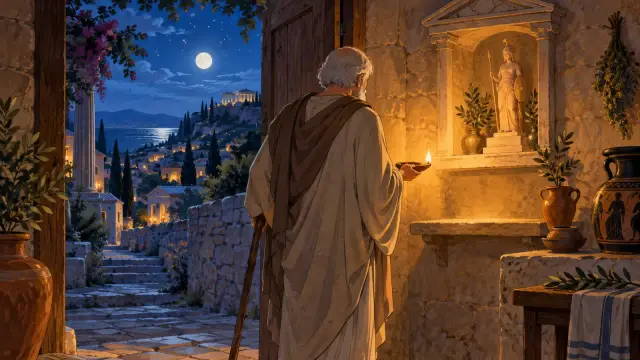
Uchimura Kanzo, who wrote about Yozan in his book Representative Men of Japan, tells a famous story about the young lord's first journey into Yonezawa. As he traveled through his poor and lifeless new land, he felt deeply sad. He looked down at the small tray of charcoal in front of him. The fire was almost dead. Yozan picked up a piece of charcoal and blew on it gently, again and again. Slowly, the coal began to glow red.
『代表的日本人』で鷹山のことを書いた内村鑑三は、若い殿さまが初めて米沢に入ったときの、有名な話を伝えています。貧しく、活気のない新しい領地を進んでいくうちに、鷹山は深い悲しみにとらわれました。ふと目の前の小さな火鉢に目を落とすと、炭火はほとんど消えかけていました。鷹山は炭を一つ取り、何度も何度も、そっと息を吹きかけました。すると少しずつ、炭が赤くおこってきたのです。
"Perhaps my land is like this charcoal," he thought. "It looks dead, but maybe, with patient care, it can come back to life."
「わが国も、この炭のようなものかもしれない」と鷹山は思いました。「死んでいるように見えても、根気よく手をかければ、また息を吹きかえすかもしれない」
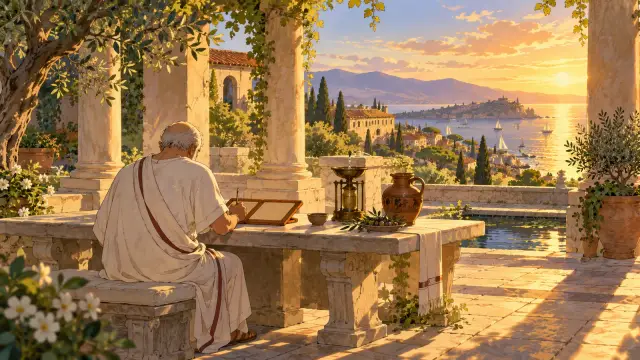
Yozan began with himself. He cut the spending of his own household to a small part of what it had been. He reduced the number of servants in his home. He wore cotton clothes instead of silk, and he ate simple meals of rice, soup and one other dish. How could he ask his people to live simply if he did not do it first?
鷹山は、まず自分から始めました。自分の暮らしの費用を、それまでのほんのわずかにまで切りつめ、屋敷で使う人の数も減らしました。絹ではなく木綿の着物を着て、食事はご飯と汁と、おかず一品だけの質素なものにしました。自分が先にやってみせなければ、どうして民に質素に暮らせと言えるでしょうか。
Then he worked to build up the land. He encouraged farmers to plant many lacquer trees and mulberry trees. The mulberry leaves fed silkworms, and Yonezawa slowly became famous for its silk cloth. He started new industries, helped bring water to the rice fields, and opened a school called Kojokan, where young people could study.
それから鷹山は、国を豊かにすることに取り組みました。農民に、漆の木や桑の木をたくさん植えるよう勧めました。桑の葉は蚕のえさになり、米沢はしだいに絹織物で知られるようになっていきました。鷹山は新しい産業を起こし、田に水を引く工事を助け、若者が学べるように興譲館という学校を開きました。
It was not easy. Some of his own senior officials strongly opposed his changes. But Yozan did not give up. Year by year, the fields grew greener and the people grew less poor. In the end, after many years of patient work, the debt that had seemed impossible was finally paid.
たやすい道のりではありませんでした。家来の重臣たちの中にも、改革に強く反対する者がいました。けれども鷹山は、あきらめませんでした。年を追うごとに田畑は緑を増し、人々の暮らしも少しずつ楽になっていきました。そして長年の根気強い努力のすえに、とても返せないと思われていた借金を、ついに返し終えたのです。
When he was only thirty-five, Yozan retired and handed the domain to the next lord. He gave him three rules. The domain belongs to the ancestors and to the future, not to the lord. The people belong to the domain, not to the lord. And the lord exists for the people, not the people for the lord.
鷹山は、まだ三十五歳で隠居し、藩を次の殿さまにゆずりました。そのとき、三つの心得を伝えました。「国は先祖から受けつぎ、子孫に伝えていくものであって、殿さまのものではない」「民は国のものであって、殿さまのものではない」「殿さまは民のためにいるのであって、民が殿さまのためにいるのではない」。
These were surprising words at a time when lords had great power. Uchimura admired Yozan as a true leader, one who ruled by his own example and served his people with his whole heart.
殿さまが大きな力を持っていた時代に、これは驚くべき言葉でした。内村は鷹山を、自ら手本を示して国を治め、真心を尽くして民に仕えた、本物の指導者としてたたえています。
A famous Japanese poem is often linked to Yozan. It says, in simple words: if you try, you can do it; if you do not try, nothing will happen; when something is not done, it is because people did not try.
鷹山とよく結びつけて語られる、有名な歌があります。やさしく言えば、「やればできる。やらなければ何も起こらない。物事ができないのは、人がやろうとしないからだ」という意味です。
Try this today. Is there something in your life that looks like a dying fire, such as a hobby, a friendship, or a subject at school? Don't give up on it. Blow on it gently. Small, patient effort may bring it back to life.
今日、試してみましょう。あなたの暮らしの中に、消えかけた火のようになっているものはありませんか。趣味や、友だちとのつきあいや、学校の教科などです。あきらめないでください。そっと息を吹きかけてみましょう。小さな、根気強い努力が、もう一度火をおこしてくれるかもしれません。