Benjamin Franklin is remembered as one of the great Americans. He was a scientist, an inventor, a businessman and a leader who helped to start a new country. He was also one of the best writers of his time. But he left school when he was only ten years old. So how did he learn to write so well? In his autobiography, he tells us.
ベンジャミン・フランクリンは、偉大なアメリカ人の一人として記憶されています。科学者、発明家、実業家であり、新しい国の誕生に力をつくした指導者でもありました。当時もっともすぐれた書き手の一人でもあります。けれども、フランクリンが学校をやめたのは、わずか10歳のときでした。では、どうやってあれほどの文章力を身につけたのでしょうか。その答えは、フランクリンの自伝に書かれています。
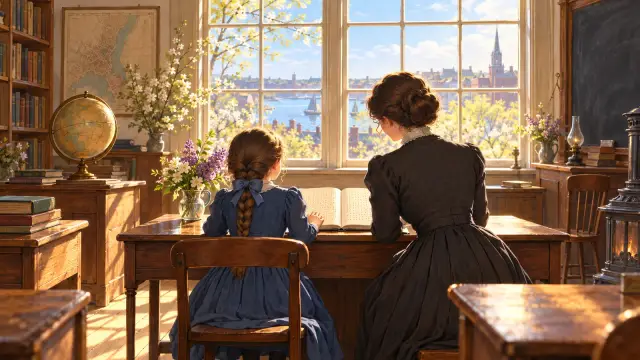
As a teenager, Franklin worked in his brother's printing shop in Boston. He loved books, and he loved to argue. He had a friend named John Collins who also loved to argue.
十代のころ、フランクリンはボストンにある兄の印刷所で働いていました。本が大好きで、議論も大好きでした。友人のジョン・コリンズも、やはり議論好きでした。
Once, they argued about whether women should receive an education. Collins said no. Franklin said yes. Because they could not finish the argument in person, they continued it by letter.
あるとき二人は、女性は教育を受けるべきかどうかについて議論しました。コリンズは反対し、フランクリンは賛成しました。会って話すだけでは決着がつかなかったので、二人は手紙で議論を続けました。
Franklin's father happened to find these letters and read them. He did not take sides in the argument.
フランクリンの父親が、たまたまその手紙を見つけて読みました。父は、議論のどちらが正しいかについては何も言いませんでした。
Instead, he talked to Benjamin about his writing. His spelling and punctuation were better than his friend's, his father said, because he worked in a printing shop. But his writing was not as elegant, as clear or as well organized. Benjamin saw that his father was right. He decided to improve.
そのかわりに、父はベンジャミンの文章について話をしました。つづりや句読点はおまえのほうが友だちより上だ。それは印刷所で働いているからだ、と父は言いました。けれども、文章の品のよさ、わかりやすさ、組み立てのうまさでは、友だちに負けている、と。ベンジャミンは、父の言うとおりだと思いました。そして、上達しようと心に決めたのです。
Around that time, he found an old book of essays from a London paper called the Spectator. He read it again and again and was delighted with it. The writing was excellent, and he wanted to write like that. So he invented a way to practice.
そのころ、フランクリンは古い本を一冊見つけました。ロンドンの新聞『スペクテイター』のエッセイを集めた本です。何度も何度も読み返し、すっかり気に入りました。文章がすばらしく、自分もこんなふうに書きたいと思ったのです。そこで、自分なりの練習方法を考え出しました。
First, he took some of the essays and wrote short notes about the idea of each sentence. Then he put the notes away for a few days. After that, without looking at the book, he tried to write the essays again from his notes, in his own words. Finally, he compared his version with the original. He found his mistakes and corrected them.
まず、いくつかのエッセイを選び、それぞれの文の内容について短いメモを書きました。それからメモを数日しまっておきました。そのあと、本を見ないで、メモをもとに自分のことばでエッセイを書き直してみました。最後に、自分が書いたものと原文をくらべました。そして自分のまちがいを見つけて直したのです。
This showed him a weakness. He did not know enough words, or he could not remember them quickly enough. He thought that writing poems would help, because a poet must always search for words with the same meaning but a different length or sound. So he turned some of the stories into poems. Later, when he had mostly forgotten the original, he turned his poems back into normal sentences.
この練習で、自分の弱点が見えてきました。知っている単語が足りない。あるいは、すぐに思い出せない。そこで、詩を書くのが役に立つだろうと考えました。詩人はいつも、同じ意味で、長さや響きのちがう単語を探さなければならないからです。フランクリンは、いくつかの話を詩に書きかえました。そして、原文をほとんど忘れたころに、その詩をまたふつうの文章にもどしたのです。
He also tried another trick. Sometimes he mixed up all his notes into a confused pile. A few weeks later, he tried to put them back into the best order before writing the full essay. This taught him how to organize his thoughts.
フランクリンは、もう一つ工夫をしました。ときどき、メモを全部ごちゃまぜにしてしまいました。そして数週間後、エッセイを書き上げる前に、そのメモを一番よい順番に並べ直してみたのです。こうして、考えを整理するこつを身につけました。
Again and again, he compared his work with the original and fixed his faults. Sometimes he even felt that, in small ways, his version was better than the original. This made him hope that he might become a good English writer someday, which was his strongest wish.
フランクリンは、何度も何度も自分の文章を原文とくらべ、欠点を直しました。ときには、細かいところでは自分の文章のほうが原文よりよい、と思えることさえありました。いつかはすぐれた英語の書き手になれるかもしれない。そんな希望がわいてきました。それこそが、フランクリンのいちばんの願いだったのです。
When did he find time for all this? At night after work, early in the morning before work, and on Sundays. When he was about sixteen, he also started eating a simple diet without meat, and in this way he saved half of his food money for books. While the other workers went out for meals, he stayed in the shop, ate a quick, light lunch, and studied.
こうした練習の時間は、いつ見つけたのでしょうか。仕事のあとの夜、仕事が始まる前の早朝、そして日曜日です。16歳ごろには、肉を食べない質素な食事を始めました。そうして食費の半分を浮かせ、本を買うお金にしたのです。ほかの職人たちが食事に出かけている間、フランクリンは印刷所に残り、軽い昼食を手早くすませて勉強しました。
Franklin's method is still useful for English learners today. Language classes use similar activities: you take a good model, make notes, rebuild it yourself, and then compare. The comparison is where the learning happens, because it shows you exactly what you do not know yet.
フランクリンの方法は、今の英語学習者にも役に立ちます。語学の授業でも、似たような活動が行われています。よいお手本を選び、メモを取り、自分で組み立て直し、そして比べる。比べるときにこそ、学びが生まれます。自分がまだ何を知らないのかを、はっきり教えてくれるからです。
Try this today. Choose three or four sentences from an English story you like, perhaps from this one. Write down only a few key words for each sentence. Tomorrow, without looking, try to write the sentences again from your notes. Then compare them with the original, just as Franklin did, and notice one thing you can learn from the difference.
今日、やってみましょう。好きな英語の物語から、三つか四つの文を選びます。この話からでもかまいません。それぞれの文について、キーワードをいくつかだけ書き出します。明日、元の文を見ないで、メモをもとに文を書き直してみましょう。そしてフランクリンと同じように原文とくらべ、そのちがいから学べることを一つ見つけましょう。