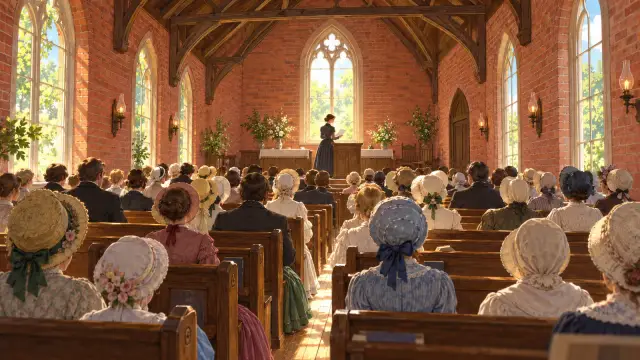
Prithee, smite the poet in the eye when he would sing to you praises of the month of May. It is a month presided over by the spirits of mischief and madness. Pixies and flibbertigibbets haunt the budding woods: Puck and his train of midgets are busy in town and country.
お願いだから、詩人が五月をほめたたえる歌を聞かせようとしたら、その目に一発お見舞いしてやってほしい。五月は、いたずらと狂気の精霊たちが取りしきる月なのだ。小さな妖精や、そそっかしい小鬼たちが、芽吹きはじめた森にうろうろしている。いたずら妖精のパックとその手下の小人たちが、町でも田舎でも忙しく働いている。
In May nature holds up at us a chiding finger, bidding us remember that we are not gods, but overconceited members of her own great family. She reminds us that we are brothers to the chowder-doomed clam and the donkey; lineal scions of the pansy and the chimpanzee, and but cousins-german to the cooing doves, the quacking ducks and the housemaids and policemen in the parks.
五月になると、自然は私たちに向かって、たしなめるように指を立てる。おまえたちは神さまではない、私の大家族の中の、うぬぼれが強すぎる一員にすぎないのだ、と思い出させるのである。おまえたちは、いずれチャウダーにされるハマグリや、ロバの兄弟なのだ。パンジーやチンパンジーの直系の子孫であり、クークー鳴くハトや、ガーガー鳴くアヒルや、公園でいちゃつく女中や警官の、いとこにすぎないのだ、と。
In May Cupid shoots blindfolded—millionaires marry stenographers; wise professors woo white-aproned gum-chewers behind quick-lunch counters; schoolma'ams make big bad boys remain after school; lads with ladders steal lightly over lawns where Juliet waits in her trellissed window with her telescope packed; young couples out for a walk come home married; old chaps put on white spats and promenade near the Normal School; even married men, grown unwontedly tender and sentimental, whack their spouses on the back and growl: "How goes it, old girl?"
五月には、キューピッドが目隠しをしたまま矢を放つ。百万長者が速記係の娘と結婚する。偉い教授が、軽食堂のカウンターの奥でガムをかんでいる白いエプロンの娘を口説く。女の先生が、図体の大きい不良少年を放課後に居残りさせる。若者がはしごを抱えて、芝生をそっと忍んでいく。格子窓では、ジュリエットが荷造りをすませて待っている。散歩に出かけた若いふたりが、結婚して帰ってくる。年寄りが白いスパッツをはいて、女子の師範学校のあたりをぶらつく。結婚している男たちでさえ、いつになく優しく、感傷的になって、女房の背中をどんとたたき、「どうだい、元気かい」とぶっきらぼうに言う。
This May, who is no goddess, but Circe, masquerading at the dance given in honour of the fair débutante, Summer, puts the kibosh on us all.
この五月は、女神などではない。美しい娘〈夏〉が社交界にデビューする舞踏会に、仮装して紛れこんだ魔女キルケーなのだ。そして、私たちみんなを、めちゃくちゃにしてしまうのである。
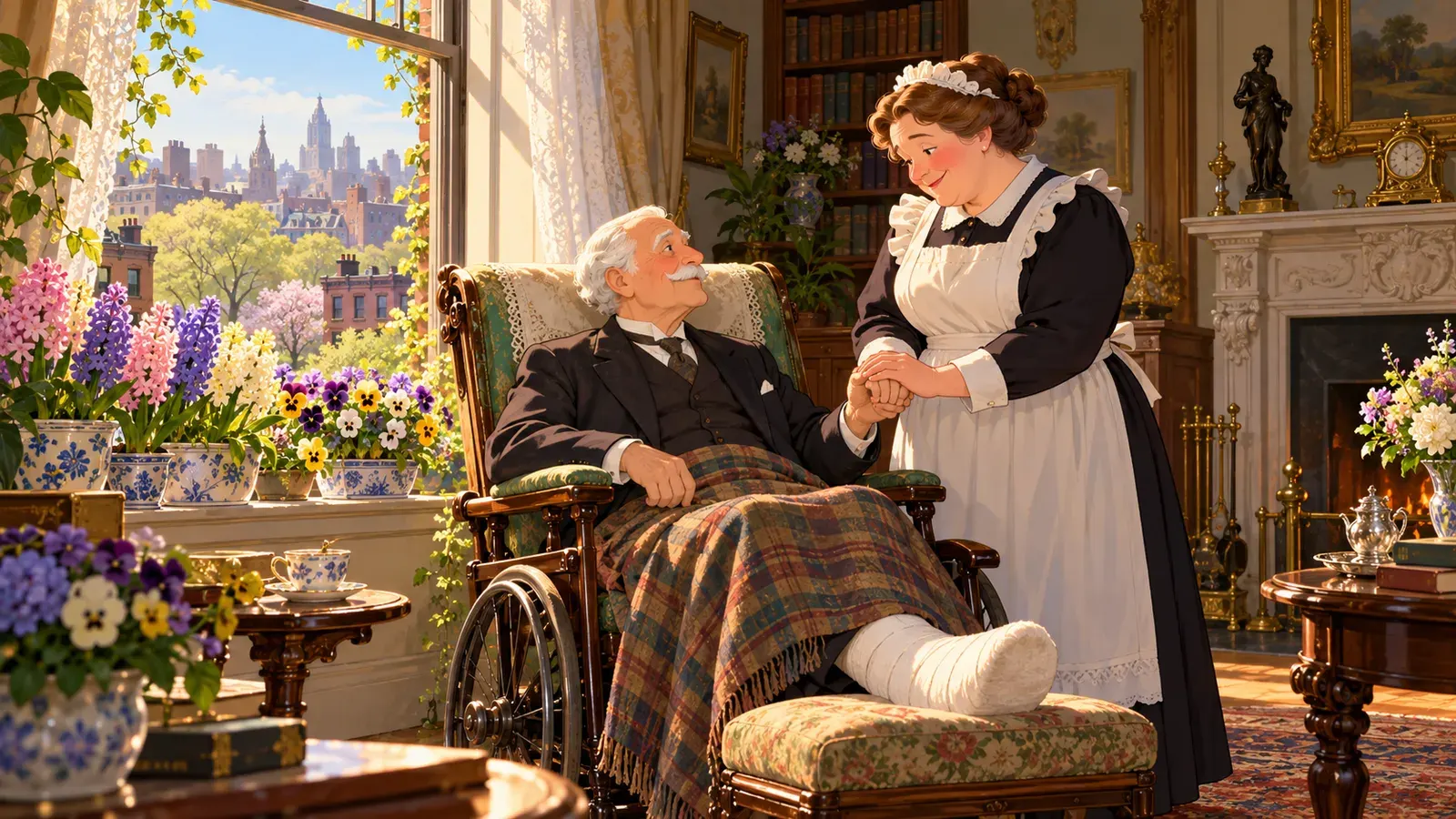
Old Mr. Coulson groaned a little, and then sat up straight in his invalid's chair. He had the gout very bad in one foot, a house near Gramercy Park, half a million dollars and a daughter. And he had a housekeeper, Mrs. Widdup. The fact and the name deserve a sentence each. They have it.
コールソン老人は、少しうめいてから、病人用の椅子の上で背筋を伸ばした。片方の足にひどい痛風をわずらっていた。グラマシー・パークの近くに家が一軒あり、五十万ドルの財産と、娘がひとりあった。それから、ウィダップ夫人という家政婦がいた。家政婦がいるということと、その名前とは、それぞれ一文ずつ書いておく値打ちがある。いま、書いたところだ。
When May poked Mr. Coulson he became elder brother to the turtle-dove. In the window near which he sat were boxes of jonquils, of hyacinths, geraniums and pansies. The breeze brought their odour into the room. Immediately there was a well-contested round between the breath of the flowers and the able and active effluvium from gout liniment. The liniment won easily; but not before the flowers got an uppercut to old Mr. Coulson's nose. The deadly work of the implacable, false enchantress May was done.
五月にちょんとつつかれると、コールソン氏は、恋をささやくキジバトの兄貴分になってしまった。氏が座っている窓辺には、植木箱が並んでいた。黄水仙、ヒヤシンス、ゼラニウム、パンジー。そよ風が、その香りを部屋に運んできた。たちまち、花の香りと、痛風の塗り薬の強烈な匂いとのあいだで、白熱した一戦が始まった。勝負は塗り薬の楽勝だった。だが、その前に、花はコールソン老人の鼻に、アッパーカットを一発決めていた。情け容赦のない、嘘つきの魔女、五月の恐ろしい仕事は、これですんだのである。
Across the park to the olfactories of Mr. Coulson came other unmistakable, characteristic, copyrighted smells of spring that belong to the-big-city-above-the-Subway, alone. The smells of hot asphalt, underground caverns, gasoline, patchouli, orange peel, sewer gas, Albany grabs, Egyptian cigarettes, mortar and the undried ink on newspapers. The inblowing air was sweet and mild. Sparrows wrangled happily everywhere outdoors. Never trust May.
公園の向こうからも、春の匂いがいろいろとコールソン氏の鼻に届いた。地下鉄の走る大都会にしかない、まぎれもない、ここだけの春の匂いである。熱いアスファルト、地下鉄のトンネル、ガソリン、香水、オレンジの皮、下水、州議会のいかがわしい取引、エジプト煙草、しっくい、それに刷りたての新聞のインクの匂いだった。吹きこんでくる風は、甘く穏やかだった。外では、そこらじゅうでスズメたちが楽しそうに言い争っていた。五月を信用してはならない。
Mr. Coulson twisted the ends of his white mustache, cursed his foot, and pounded a bell on the table by his side.
コールソン氏は、白い口ひげの両端をひねり、足をののしって、そばのテーブルの呼び鈴をたたいた。
In came Mrs. Widdup. She was comely to the eye, fair, flustered, forty and foxy.
ウィダップ夫人が入ってきた。見た目がよく、色白で、そわそわしていて、四十歳で、抜け目のない女だった。
"Higgins is out, sir," she said, with a smile suggestive of vibratory massage. "He went to post a letter. Can I do anything for you, sir?"
「ヒギンズは出かけております、旦那さま」とウィダップ夫人は言った。振動マッサージの機械のように、ふるふると震えるような笑みを浮かべていた。「手紙を出しに行きましたの。何かご用でございますか、旦那さま?」
"It's time for my aconite," said old Mr. Coulson. "Drop it for me. The bottle's there. Three drops. In water. D–––– that is, confound Higgins! There's nobody in this house cares if I die here in this chair for want of attention."
「トリカブトの薬の時間だ」とコールソン老人は言った。「垂らしてくれ。瓶はそこにある。三滴だ。水に入れて。こんちく……いや、困ったやつだ、ヒギンズめ! わしが誰にもかまってもらえずに、この椅子で死んだって、この家の者は誰も気にしやしないんだ」
Mrs. Widdup sighed deeply.
ウィダップ夫人は、深いため息をついた。
"Don't be saying that, sir," she said. "There's them that would care more than any one knows. Thirteen drops, you said, sir?"
「そんなことおっしゃらないでくださいまし、旦那さま」とウィダップ夫人は言った。「誰にもわからないくらい、旦那さまのことを気にかけている者がおりますわ。十三滴とおっしゃいましたかしら、旦那さま?」
"Three," said old man Coulson.
「三滴だ」とコールソン老人は言った。
He took his dose and then Mrs. Widdup's hand. She blushed. Oh, yes, it can be done. Just hold your breath and compress the diaphragm.
老人は薬を飲み、それからウィダップ夫人の手を取った。夫人は頬を赤らめた。いや、本当だ、その気になればできるのである。息を止めて、おなかにぐっと力を入れればいい。
"Mrs. Widdup," said Mr. Coulson, "the springtime's full upon us."
「ウィダップさん」とコールソン氏は言った。「春たけなわだな」
"Ain't that right?" said Mrs. Widdup. "The air's real warm. And there's bock-beer signs on every corner. And the park's all yaller and pink and blue with flowers; and I have such shooting pains up my legs and body."
「ほんとでございますねえ」とウィダップ夫人は言った。「空気がほんとに暖かくて。それに、どこの角にも春のビールの看板が出てますし。公園は花で、黄色やら桃色やら青やらでいっぱいですし。それに、わたし、脚から体じゅう、ずきずき刺すように痛みますの」
"'In the spring,'" quoted Mr. Coulson, curling his mustache, "'a y–––– that is, a man's—fancy lightly turns to thoughts of love.'"
「『春になれば』」とコールソン氏は、口ひげをひねりながら、詩の一節を口ずさんだ。「『若……いや、男の心は、軽やかに恋へと向かう』」
"Lawsy, now!" exclaimed Mrs. Widdup; "ain't that right? Seems like it's in the air."
「まあ、ほんとに!」とウィダップ夫人は叫んだ。「ほんとでございますねえ。まるで空気の中に溶けてるみたいですわ」
"'In the spring,'" continued old Mr. Coulson, "'a livelier iris shines upon the burnished dove.'"
「『春になれば』」とコールソン老人は続けた。「『つややかな鳩の首に、アイリスの虹色が、ひときわ鮮やかに輝く』」
"They do be lively, the Irish," sighed Mrs. Widdup pensively.
「アイリッシュ、アイルランドの人たちは、ほんとに元気がようございますものねえ」とウィダップ夫人は、しみじみとため息をついた。
"Mrs. Widdup," said Mr. Coulson, making a face at a twinge of his gouty foot, "this would be a lonesome house without you. I'm an—that is, I'm an elderly man—but I'm worth a comfortable lot of money. If half a million dollars' worth of Government bonds and the true affection of a heart that, though no longer beating with the first ardour of youth, can still throb with genuine—"
「ウィダップさん」とコールソン氏は、痛風の足がずきりと痛んで顔をしかめながら言った。「おまえがいなかったら、この家はさびしいものになるだろう。わしは年寄……いや、年配の男だ。だが、かなりの財産がある。五十万ドル分の国債と、そして、この心のまことの愛情とが……。この心は、もう若いころのような熱い情熱で脈打ってはいないが、いまでも本物の……」
The loud noise of an overturned chair near the portières of the adjoining room interrupted the venerable and scarcely suspecting victim of May.
そのとき、隣の部屋との仕切りのカーテンのそばで、椅子がひっくり返る大きな音がした。五月の犠牲になりかけている、何も疑っていない老紳士の言葉は、そこでさえぎられた。
In stalked Miss Van Meeker Constantia Coulson, bony, durable, tall, high-nosed, frigid, well-bred, thirty-five, in-the-neighbourhood-of-Gramercy-Parkish. She put up a lorgnette. Mrs. Widdup hastily stooped and arranged the bandages on Mr. Coulson's gouty foot.
ヴァン・ミーカー・コンスタンシア・コールソン嬢が、つかつかと入ってきた。骨ばっていて、丈夫で、背が高く、鼻が高く、冷ややかで、育ちがよく、三十五歳で、いかにもグラマシー・パーク界隈の上流のお嬢さまだった。コンスタンシア嬢は柄つきの眼鏡をかざした。ウィダップ夫人はあわててかがみこみ、コールソン氏の痛風の足の包帯を直した。
"I thought Higgins was with you," said Miss Van Meeker Constantia.
「ヒギンズがついているのかと思っていましたわ」とヴァン・ミーカー・コンスタンシア嬢は言った。
"Higgins went out," explained her father, "and Mrs. Widdup answered the bell. That is better now, Mrs. Widdup, thank you. No; there is nothing else I require."
「ヒギンズは出かけたんだ」と父親は言いわけした。「それで、ウィダップさんが呼び鈴を聞いて来てくれた。もうだいぶ楽になったよ、ウィダップさん、ありがとう。いや、ほかに用はない」
The housekeeper retired, pink under the cool, inquiring stare of Miss Coulson.
家政婦は引き下がった。コールソン嬢に冷たく、探るような目でじっと見られて、顔を桃色に染めていた。
"This spring weather is lovely, isn't it, daughter?" said the old man, consciously conscious.
「いい春の陽気だね、そう思わないかい?」と老人は言った。自分でもぎこちないとわかっている口ぶりだった。
"That's just it," replied Miss Van Meeker Constantia Coulson, somewhat obscurely. "When does Mrs. Widdup start on her vacation, papa?"
「それが困るのですわ」とヴァン・ミーカー・コンスタンシア・コールソン嬢は、少し謎めいた返事をした。「ウィダップさんのお休みはいつからですの、お父さま?」
"I believe she said a week from to-day," said Mr. Coulson.
「たしか、きょうから一週間後だと言っていたな」とコールソン氏は言った。
Miss Van Meeker Constantia stood for a minute at the window gazing, toward the little park, flooded with the mellow afternoon sunlight. With the eye of a botanist she viewed the flowers—most potent weapons of insidious May. With the cool pulses of a virgin of Cologne she withstood the attack of the ethereal mildness. The arrows of the pleasant sunshine fell back, frostbitten, from the cold panoply of her unthrilled bosom. The odour of the flowers waked no soft sentiments in the unexplored recesses of her dormant heart. The chirp of the sparrows gave her a pain. She mocked at May.
ヴァン・ミーカー・コンスタンシア嬢は、しばらく窓辺に立って、小さな公園のほうを眺めていた。公園には、やわらかな午後の日差しがあふれていた。コンスタンシア嬢は、植物学者のような目で花々を眺めた。花こそ、ずる賢い五月のいちばん強力な武器なのだ。だが、コンスタンシア嬢の脈は、清らかな聖女のように落ち着いていて、春の穏やかな攻撃にもびくともしなかった。心地よい日差しの矢は、ときめきを知らない彼女の胸の冷たい鎧に当たり、凍えて跳ね返された。花の香りも、眠ったままの心の、誰も踏みこんだことのない奥底に、優しい気持ちを呼びさましはしなかった。スズメのさえずりは、うるさいだけだった。コンスタンシア嬢は五月をあざ笑った。
But although Miss Coulson was proof against the season, she was keen enough to estimate its power. She knew that elderly men and thick-waisted women jumped as educated fleas in the ridiculous train of May, the merry mocker of the months. She had heard of foolish old gentlemen marrying their housekeepers before. What a humiliating thing, after all, was this feeling called love!
だが、コールソン嬢は季節の力に負けないとはいえ、その力がどれほどのものかを見抜くだけの鋭さはあった。五月は、一年のうちでいちばん陽気で、人をからかうのが好きな月である。そのばかげた行列について、年配の男や腰の太い女たちが、芸を仕込まれたノミのようにぴょんぴょん跳びはねることを、コンスタンシア嬢は知っていた。愚かな老紳士が家政婦と結婚したという話も、前に聞いたことがあった。それにしても、恋という感情は、なんとみっともないものなのだろう!
The next morning at 8 o'clock, when the iceman called, the cook told him that Miss Coulson wanted to see him in the basement.
次の朝の八時、氷屋が氷を届けに来ると、料理番の女が、コールソンお嬢さまが地下室でお会いになりたいそうですよ、と伝えた。
"Well, ain't I the Olcott and Depew; not mentioning the first name at all?" said the iceman, admiringly, of himself.
「へえ、おれも、いよいよ人気歌手のオルコットか、名士のデピューなみってわけか。どっちも同じ下の名前だが、それは言わずにおくよ」と氷屋は、われながら感心したように言った。
As a concession he rolled his sleeves down, dropped his icehooks on a syringa and went back. When Miss Van Meeker Constantia Coulson addressed him he took off his hat.
失礼のないようにと、氷屋はまくり上げていた袖を下ろし、氷ばさみを植え込みの上に置いて、裏手へまわった。ヴァン・ミーカー・コンスタンシア・コールソン嬢が話しかけると、氷屋は帽子を取った。
"There is a rear entrance to this basement," said Miss Coulson, "which can be reached by driving into the vacant lot next door, where they are excavating for a building. I want you to bring in that way within two hours 1,000 pounds of ice. You may have to bring another man or two to help you. I will show you where I want it placed. I also want 1,000 pounds a day delivered the same way for the next four days. Your company may charge the ice on our regular bill. This is for your extra trouble."
「この地下室には裏口があります」とコールソン嬢は言った。「隣の空き地に荷馬車を乗り入れれば、そこから入れます。いま、ビルを建てるために地面を掘っているところです。その裏口から、二時間以内に、氷を五百キロ運びこんでいただきたいの。手伝いに、もうひとりかふたり連れてこなければならないかもしれませんわね。置く場所は、わたくしが教えます。それから、明日から四日間、毎日五百キロずつ、同じやり方で届けていただきたいの。氷の代金は、うちのいつもの勘定につけておいてくださってけっこうよ。これは、あなたのお手間に対するお礼です」
Miss Coulson tendered a ten-dollar bill. The iceman bowed, and held his hat in his two hands behind him.
コールソン嬢は十ドル札を差し出した。氷屋はお辞儀をして、帽子を両手でうしろに回して持った。
"Not if you'll excuse me, lady. It'll be a pleasure to fix things up for you any way you please."
「せっかくですが、それはいただけません、お嬢さん。お望みどおりに何でもしてさしあげられるだけで、うれしいですから」
Alas for May!
ああ、五月よ、気の毒に!
About noon Mr. Coulson knocked two glasses off his table, broke the spring of his bell and yelled for Higgins at the same time.
正午ごろ、コールソン氏は、テーブルの上のグラスを二つたたき落とし、呼び鈴のばねを壊し、それと同時に大声でヒギンズを呼んだ。
"Bring an axe," commanded Mr. Coulson, sardonically, "or send out for a quart of prussic acid, or have a policeman come in and shoot me. I'd rather that than be frozen to death."
「斧を持ってこい」とコールソン氏は、皮肉たっぷりに命じた。「さもなきゃ、青酸を一リットルばかり買ってこさせるか、警官を呼んできて、わしを撃ち殺させろ。凍え死ぬよりは、そのほうがましだ」
"It does seem to be getting cool, Sir," said Higgins. "I hadn't noticed it before. I'll close the window, Sir."
「たしかに冷えてきたようでございますね、旦那さま」とヒギンズは言った。「いままで気がつきませんでした。窓をお閉めいたします、旦那さま」
"Do," said Mr. Coulson. "They call this spring, do they? If it keeps up long I'll go back to Palm Beach. House feels like a morgue."
「そうしろ」とコールソン氏は言った。「これが春だというのか、ええ? こんなことが続くようなら、暖かいパーム・ビーチに戻るぞ。家の中が死体置き場みたいだ」
Later Miss Coulson dutifully came in to inquire how the gout was progressing.
しばらくして、コールソン嬢が、痛風の具合はどうかと、お義理でたずねに来た。
"'Stantia," said the old man, "how is the weather outdoors?"
「スタンシア」と老人は言った。「外の天気はどうだね?」
"Bright," answered Miss Coulson, "but chilly."
「晴れていますわ」とコールソン嬢は答えた。「でも、肌寒いの」
"Feels like the dead of winter to me," said Mr. Coulson.
「わしには真冬のように感じられる」とコールソン氏は言った。
"An instance," said Constantia, gazing abstractedly out the window, "of 'winter lingering in the lap of spring,' though the metaphor is not in the most refined taste."
「こういうのを」とコンスタンシアは、ぼんやり窓の外を見ながら言った。「『春の膝の上に冬が居座る』と言うのでしょうね。もっとも、あまり上品なたとえではありませんけれど」
A little later she walked down by the side of the little park and on westward to Broadway to accomplish a little shopping.
少しして、コンスタンシア嬢は小さな公園のわきを歩いていき、ちょっとした買い物をしに、西のブロードウェイのほうへ向かった。
A little later than that Mrs. Widdup entered the invalid's room.
それからまた少しして、ウィダップ夫人が病人の部屋に入ってきた。
"Did you ring, Sir?" she asked, dimpling in many places. "I asked Higgins to go to the drug store, and I thought I heard your bell."
「お呼びになりましたか、旦那さま?」と夫人は、顔じゅうにえくぼを作りながら聞いた。「ヒギンズには薬屋へ行ってもらいましたの。それで、旦那さまの呼び鈴が聞こえたような気がしたものですから」
"I did not," said Mr. Coulson.
「呼んどらん」とコールソン氏は言った。
"I'm afraid," said Mrs. Widdup, "I interrupted you sir, yesterday when you were about to say something."
「きのうは」とウィダップ夫人は言った。「旦那さまが何かおっしゃろうとしていらしたところに、おじゃまが入ってしまったようで」
"How comes it, Mrs. Widdup," said old man Coulson sternly, "that I find it so cold in this house?"
「どういうわけだね、ウィダップさん」とコールソン老人は厳しく言った。「この家がこんなに寒いのは?」
"Cold, Sir?" said the housekeeper, "why, now, since you speak of it it do seem cold in this room. But, outdoors it's as warm and fine as June, sir. And how this weather do seem to make one's heart jump out of one's shirt waist, sir. And the ivy all leaved out on the side of the house, and the hand-organs playing, and the children dancing on the sidewalk—'tis a great time for speaking out what's in the heart. You were saying yesterday, sir—"
「寒い、でございますか、旦那さま?」と家政婦は言った。「あら、そうおっしゃいますと、このお部屋はたしかに寒うございますね。でも、外は六月みたいに暖かくて、いいお天気でございますよ、旦那さま。それに、こういうお天気ですと、胸がどきどきして、心臓がブラウスから飛び出しそうになりますわねえ。お屋敷の壁のツタもすっかり葉を広げて、手回しオルガンが鳴って、子どもたちが歩道で踊っていて。胸の内にあることを打ち明けるには、もってこいの季節でございますよ。旦那さまはきのう、何かおっしゃりかけて……」
"Woman!" roared Mr. Coulson; "you are a fool. I pay you to take care of this house. I am freezing to death in my own room, and you come in and drivel to me about ivy and hand-organs. Get me an overcoat at once. See that all doors and windows are closed below. An old, fat, irresponsible, one-sided object like you prating about springtime and flowers in the middle of winter! When Higgins comes back, tell him to bring me a hot rum punch. And now get out!"
「この女め!」とコールソン氏はどなった。「おまえはばかか。わしは家の世話をさせるために、おまえに給料を払っているんだ。わしは自分の部屋で凍え死にかけている。そこへ入ってきて、ツタだの手回しオルガンだのと、くだらんことをしゃべりおって。すぐに外套を持ってこい。下の戸や窓が全部閉まっているか確かめろ。おまえのような、年寄りで、太っていて、役立たずで、自分のことしか考えない者が、真冬のさなかに春だの花だのと、よくもしゃべれたもんだ! ヒギンズが戻ったら、熱いラム酒のパンチを持ってくるように言え。さあ、出ていけ!」
But who shall shame the bright face of May? Rogue though she be and disturber of sane men's peace, no wise virgins cunning nor cold storage shall make her bow her head in the bright galaxy of months.
だが、輝く五月の顔に、誰が泥を塗れるだろう? 五月はいたずら者で、まともな人間の心を乱す困り者だ。それでも、どんなに賢い娘のたくらみも、どんなに大量の氷も、一年の月がきらめく星のように並ぶ中で、五月に頭を下げさせることはできないのである。
Oh, yes, the story was not quite finished.
おっと、そうだ。物語はまだ、すっかり終わってはいなかった。
A night passed, and Higgins helped old man Coulson in the morning to his chair by the window. The cold of the room was gone. Heavenly odours and fragrant mildness entered.
一夜が明けた。朝、ヒギンズに手を貸してもらって、コールソン老人は窓辺の椅子に座った。部屋の寒さは消えていた。天国のような香りと、かぐわしい暖かさが入りこんできた。
In hurried Mrs. Widdup, and stood by his chair. Mr. Coulson reached his bony hand and grasped her plump one.
ウィダップ夫人が急いで入ってきて、椅子のそばに立った。コールソン氏は骨ばった手を伸ばし、夫人のふっくらした手を握った。
"Mrs. Widdup," he said, "this house would be no home without you. I have half a million dollars. If that and the true affection of a heart no longer in its youthful prime, but still not cold, could—"
「ウィダップさん」とコールソン氏は言った。「おまえがいなければ、この家は家庭とは言えない。わしには五十万ドルある。それと、もう若い盛りではないが、まだ冷えきってはいない心の、まことの愛情とで、もし……」
"I found out what made it cold," said Mrs. Widdup, leaning against his chair. "'Twas ice—tons of it—in the basement and in the furnace room, everywhere. I shut off the registers that it was coming through into your room, Mr. Coulson, poor soul! And now it's Maytime again."
「寒かったわけがわかりましたわ」とウィダップ夫人は、椅子にもたれかかりながら言った。「氷だったんですのよ。何トンもの氷が、地下室にも、暖房炉の部屋にも、そこらじゅうに。その冷たい空気が旦那さまのお部屋に流れこんでいた送風口を、閉めておきましたわ。コールソンさま、おかわいそうに! これでまた、五月の陽気ですわ」
"A true heart," went on old man Coulson, a little wanderingly, "that the springtime has brought to life again, and—but what will my daughter say, Mrs. Widdup?"
「まことの心が」とコールソン老人は、少しとりとめなく続けた。「春によみがえった心が……だが、娘は何と言うだろうな、ウィダップさん?」
"Never fear, sir," said Mrs. Widdup, cheerfully. "Miss Coulson, she ran away with the iceman last night, sir!"
「ご心配にはおよびませんわ、旦那さま」とウィダップ夫人は明るく言った。「コールソンお嬢さまは、ゆうべ、氷屋と駆け落ちなさいましたのよ、旦那さま!」