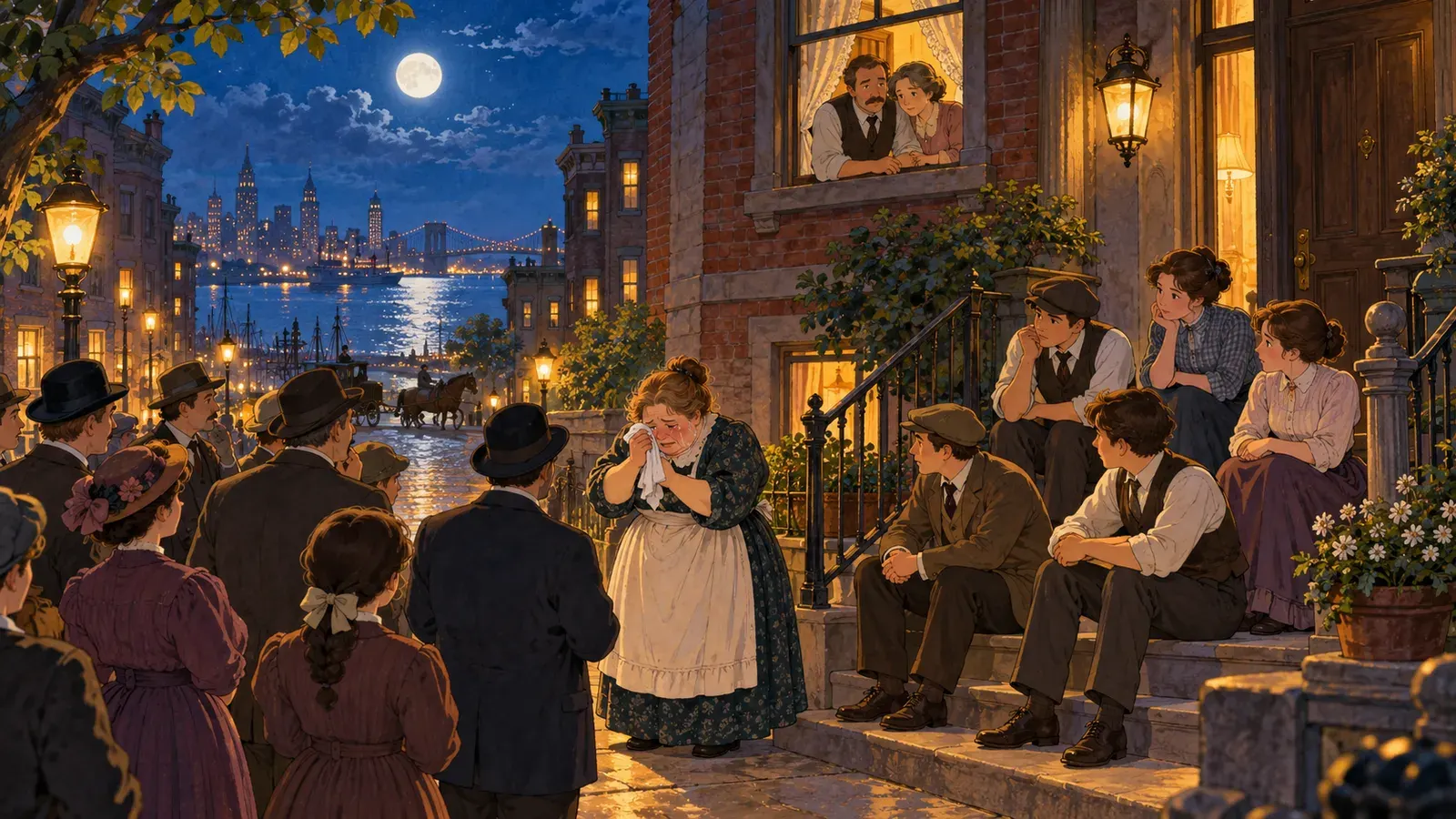
The May moon shone bright upon the private boarding-house of Mrs. Murphy. By reference to the almanac a large amount of territory will be discovered upon which its rays also fell. Spring was in its heydey, with hay fever soon to follow. The parks were green with new leaves and buyers for the Western and Southern trade. Flowers and summer-resort agents were blowing; the air and answers to Lawson were growing milder; hand-organs, fountains and pinochle were playing everywhere.
五月の月が、マーフィー夫人の下宿屋を明るく照らしていた。暦を見れば、ほかにもずいぶん広い地域を照らしていたことがわかるだろう。春はまっさかりで、まもなく花粉症の季節がやってこようとしていた。公園は若葉で青々としていた。西部や南部から仕入れに来た、まだ青くさい買いつけ人たちでも、青々としていた。花はぱっと開き、避暑地の客引きは大ぼらを吹いていた。空気はおだやかになり、相場師ローソンへの反論も、だんだんおだやかになっていった。手回しオルガンは鳴り、噴水は水を噴き、ピノクルというトランプ遊びがいたるところで行われていた。
The windows of Mrs. Murphy's boarding-house were open. A group of boarders were seated on the high stoop upon round, flat mats like German pancakes.
マーフィー夫人の下宿屋の窓は、どれも開け放たれていた。下宿人たちが、玄関前の高い石段に集まって座っていた。尻に敷いているのは、ドイツ風のパンケーキのような、丸くて平たい敷物である。
In one of the second-floor front windows Mrs. McCaskey awaited her husband. Supper was cooling on the table. Its heat went into Mrs. McCaskey.
二階の表側の窓辺で、マッカスキー夫人が夫の帰りを待っていた。夕食はテーブルの上で冷めかけていた。その冷めた分の熱が、そっくりマッカスキー夫人の中へ移っていった。
At nine Mr. McCaskey came. He carried his coat on his arm and his pipe in his teeth; and he apologised for disturbing the boarders on the steps as he selected spots of stone between them on which to set his size 9, width Ds.
九時に、マッカスキー氏が帰ってきた。上着を腕にかけ、パイプをくわえていた。石段に座っている下宿人たちのあいだに、九号の大きな足を下ろす隙間を探しながら、邪魔をしてすみませんと謝った。
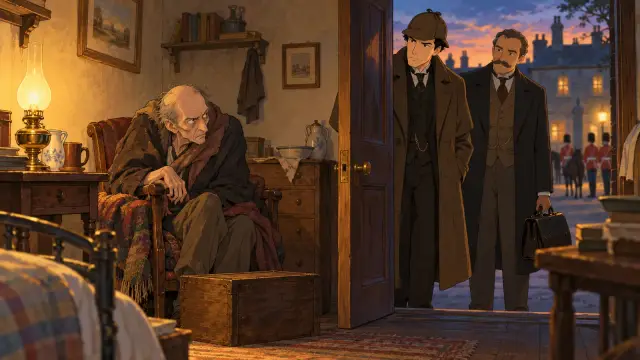
As he opened the door of his room he received a surprise. Instead of the usual stove-lid or potato-masher for him to dodge, came only words.
自分の部屋のドアを開けたとき、マッカスキー氏は驚いた。いつもなら、ストーブのふたや、じゃがいもつぶしが飛んできて、よけなければならない。ところが、飛んできたのは言葉だけだった。
Mr. McCaskey reckoned that the benign May moon had softened the breast of his spouse.
マッカスキー氏は、やさしい五月の月が、女房の心をやわらげたのだろうと見当をつけた。
"I heard ye," came the oral substitutes for kitchenware. "Ye can apollygise to riff-raff of the streets for settin' yer unhandy feet on the tails of their frocks, but ye'd walk on the neck of yer wife the length of a clothes-line without so much as a 'Kiss me fut,' and I'm sure it's that long from rubberin' out the windy for ye and the victuals cold such as there's money to buy after drinkin' up yer wages at Gallegher's every Saturday evenin', and the gas man here twice to-day for his."
「聞こえたよ」と、台所道具の代わりに言葉が飛んできた。「通りのろくでなしどもには、あんたのぶきっちょな足でスカートの裾を踏んだって謝れるくせに、自分の女房の首なら、物干し綱ほどの長さを踏んで歩いても『ごめんよ』の一言もないんだからね。あたしの首は、それくらい長くのびちまったよ。窓から首を突き出して、あんたを待ってたせいでね。料理はすっかり冷めちまった。それだって、毎週土曜の晩、あんたがギャラガーの店で給料を飲んじまったあとの、残りの金で買えるだけのもんだけどさ。おまけに、ガス屋は今日二度も料金を取りに来たんだからね」
"Woman!" said Mr. McCaskey, dashing his coat and hat upon a chair, "the noise of ye is an insult to me appetite. When ye run down politeness ye take the mortar from between the bricks of the foundations of society. 'Tis no more than exercisin' the acrimony of a gentleman when ye ask the dissent of ladies blockin' the way for steppin' between them. Will ye bring the pig's face of ye out of the windy and see to the food?"
「おい、おまえ!」マッカスキー氏は上着と帽子を椅子にたたきつけた。「おまえのそのやかましい声で、おれの食欲が台なしだ。礼儀をばかにするってのはな、世の中の土台のれんがのあいだから、しっくいを抜きとるようなもんだぞ。道をふさいでるご婦人方に、間を通らせてくれとひとこと断るのは、紳士として当たり前の礼儀ってもんだ。その豚づらを窓から引っこめて、さっさと飯の支度をしたらどうだ?」
Mrs. McCaskey arose heavily and went to the stove. There was something in her manner that warned Mr. McCaskey. When the corners of her mouth went down suddenly like a barometer it usually foretold a fall of crockery and tinware.
マッカスキー夫人は、のっそりと立ち上がり、ストーブのほうへ行った。その様子に、マッカスキー氏はいやな予感がした。女房の口の両端が、気圧計の針のように急に下がるときは、たいてい、瀬戸物やブリキの食器が降ってくる前触れなのだ。
"Pig's face, is it?" said Mrs. McCaskey, and hurled a stewpan full of bacon and turnips at her lord.
「豚づらだって?」マッカスキー夫人はそう言うなり、ベーコンと蕪がたっぷり入ったシチュー鍋を、亭主めがけて投げつけた。
Mr. McCaskey was no novice at repartee. He knew what should follow the entrée. On the table was a roast sirloin of pork, garnished with shamrocks. He retorted with this, and drew the appropriate return of a bread pudding in an earthen dish. A hunk of Swiss cheese accurately thrown by her husband struck Mrs. McCaskey below one eye. When she replied with a well-aimed coffee-pot full of a hot, black, semi-fragrant liquid the battle, according to courses, should have ended.
マッカスキー氏も、こういう応酬には慣れていた。コース料理で、最初の皿の次に何を出せばいいかは心得ている。テーブルの上には、シャムロックの葉を添えた豚の腰肉のローストがあった。マッカスキー氏はこれを投げ返した。すると、お返しに、陶器の皿に入ったブレッド・プディングが飛んできた。夫がねらいすまして投げたスイス・チーズの塊が、夫人の片目の下に命中した。夫人は、熱くて黒くて、まあまあ香りのいい液体がたっぷり入ったコーヒー・ポットを、うまくねらって投げ返した。コース料理の順番からいえば、戦いはここで終わるはずだった。
But Mr. McCaskey was no 50-cent table d'hôter. Let cheap Bohemians consider coffee the end, if they would. Let them make that faux pas. He was foxier still. Finger-bowls were not beyond the compass of his experience. They were not to be had in the Pension Murphy; but their equivalent was at hand. Triumphantly he sent the granite-ware wash basin at the head of his matrimonial adversary. Mrs. McCaskey dodged in time. She reached for a flatiron, with which, as a sort of cordial, she hoped to bring the gastronomical duel to a close. But a loud, wailing scream downstairs caused both her and Mr. McCaskey to pause in a sort of involuntary armistice.
だが、マッカスキー氏は、五十セントの定食しか知らないような男ではなかった。安っぽい芸術家気取りの連中なら、コーヒーで食事はおしまいだと思うかもしれない。そんな恥をかきたければ、かけばいい。マッカスキー氏はもっと抜け目がなかった。フィンガー・ボウルというものがあることも知っていた。マーフィー下宿にそんなしゃれたものはないが、代わりになるものは手近にあった。マッカスキー氏は勝ち誇って、ほうろう引きの洗面器を、結婚生活の宿敵の頭めがけて投げつけた。マッカスキー夫人は、あやういところで身をかわした。そしてアイロンに手を伸ばした。これを食後の一杯にして、この食卓の決闘にけりをつけるつもりだったのだ。ところがそのとき、階下から大きな泣き叫ぶ声が聞こえた。夫人もマッカスキー氏も思わず手を止め、しばし休戦となった。
On the sidewalk at the corner of the house Policeman Cleary was standing with one ear upturned, listening to the crash of household utensils.
下宿屋の角の歩道では、クリアリー巡査が片耳を上に向けて立っていた。家財道具がぶつかりあう音に、耳をすませていたのだ。
"'Tis Jawn McCaskey and his missis at it again," meditated the policeman. "I wonder shall I go up and stop the row. I will not. Married folks they are; and few pleasures they have. 'Twill not last long. Sure, they'll have to borrow more dishes to keep it up with."
「またジョン・マッカスキーとかみさんがやってるな」と巡査は考えた。「上がっていって止めるべきかね。いや、よそう。夫婦なんだ。ほかに楽しみなんて、たいしてありゃしない。どうせ長くは続かんさ。続けるとしたって、皿をよそから借りてこなきゃならんだろうよ」
And just then came the loud scream below-stairs, betokening fear or dire extremity. "'Tis probably the cat," said Policeman Cleary, and walked hastily in the other direction.
ちょうどそのとき、階下で大きな悲鳴があがった。何かにおびえたか、よほど困ったことになったような声だった。「たぶん猫だろう」クリアリー巡査はそう言って、急ぎ足で反対の方向へ歩いていった。
The boarders on the steps were fluttered. Mr. Toomey, an insurance solicitor by birth and an investigator by profession, went inside to analyse the scream. He returned with the news that Mrs. Murphy's little boy, Mike, was lost. Following the messenger, out bounced Mrs. Murphy—two hundred pounds in tears and hysterics, clutching the air and howling to the sky for the loss of thirty pounds of freckles and mischief. Bathos, truly; but Mr. Toomey sat down at the side of Miss Purdy, millinery, and their hands came together in sympathy. The two old maids, Misses Walsh, who complained every day about the noise in the halls, inquired immediately if anybody had looked behind the clock.
石段の下宿人たちはざわめいた。トゥーミー氏は、生まれつきの保険の勧誘員で、詮索が仕事のような男である。この人が、悲鳴の正体を調べに中へ入っていった。そして、マーフィー夫人の小さな息子のマイクがいなくなった、という知らせを持って戻ってきた。そのすぐあとから、マーフィー夫人が飛び出してきた。体重二百ポンドの体が、涙とヒステリーにまみれて、空をつかみ、天に向かって泣きわめいていた。いなくなったのは、そばかすといたずらでできた、体重三十ポンドの子どもである。まったく大げさな騒ぎだった。だが、トゥーミー氏は帽子屋に勤めるミス・パーディの隣に腰を下ろし、二人は同情のあまり、手を取りあった。年配の独身の姉妹、ウォルシュ姉妹は、毎日廊下がうるさいと文句を言っている二人だが、すぐさま、誰か時計のうしろを見てみたかとたずねた。
Major Grigg, who sat by his fat wife on the top step, arose and buttoned his coat. "The little one lost?" he exclaimed. "I will scour the city." His wife never allowed him out after dark. But now she said: "Go, Ludovic!" in a baritone voice. "Whoever can look upon that mother's grief without springing to her relief has a heart of stone." "Give me some thirty or—sixty cents, my love," said the Major. "Lost children sometimes stray far. I may need carfares."
いちばん上の段で、太った奥さんの隣に座っていたグリッグ少佐が、立ち上がって上着のボタンをとめた。「坊やがいなくなったって?」と少佐は叫んだ。「わたしが町じゅうを捜してこよう」少佐の奥さんは、日が暮れてから夫を外に出したことがなかった。ところがこのときばかりは、太い声で「行きなさい、ルドヴィック!」と言った。「あの母親の嘆きを見て、助けに飛び出さずにいられる人は、石の心の持ち主ですわ」「三十セント、いや、六十セントほどくれないかね、おまえ」と少佐は言った。「迷子は、ときにずいぶん遠くまで行ってしまうものだ。電車賃が要るかもしれん」
Old man Denny, hall room, fourth floor back, who sat on the lowest step, trying to read a paper by the street lamp, turned over a page to follow up the article about the carpenters' strike. Mrs. Murphy shrieked to the moon: "Oh, ar-r-Mike, f'r Gawd's sake, where is me little bit av a boy?"
デニー老人は、四階の裏側の狭い部屋に住んでいる。いちばん下の段に座り、街灯の明かりで新聞を読もうとしていた。老人はページをめくり、大工のストライキの記事の続きを追った。マーフィー夫人は月に向かって金切り声をあげた。「ああ、マ、マ、マイク、後生だから、うちのちっちゃな坊やはどこにいるんだい?」
"When'd ye see him last?" asked old man Denny, with one eye on the report of the Building Trades League.
「最後に見たのはいつだね?」デニー老人は、片目で建築労働組合の記事を追いながらたずねた。
"Oh," wailed Mrs. Murphy, "'twas yisterday, or maybe four hours ago! I dunno. But it's lost he is, me little boy Mike. He was playin' on the sidewalk only this mornin'—or was it Wednesday? I'm that busy with work, 'tis hard to keep up with dates. But I've looked the house over from top to cellar, and it's gone he is. Oh, for the love av Hiven—"
「ああ」とマーフィー夫人は泣きわめいた。「きのうだったか、それとも四時間前だったか! わからないよ。でも、いなくなっちまったんだ、うちのちっちゃなマイクが。ついけさ、歩道で遊んでたんだよ。それとも水曜日だったかね? 仕事が忙しくって、日にちなんか覚えていられやしないよ。でも、家じゅうを上から地下室まで捜したのに、どこにもいないんだ。ああ、後生だから――」
Silent, grim, colossal, the big city has ever stood against its revilers. They call it hard as iron; they say that no pulse of pity beats in its bosom; they compare its streets with lonely forests and deserts of lava. But beneath the hard crust of the lobster is found a delectable and luscious food. Perhaps a different simile would have been wiser. Still, nobody should take offence. We would call no one a lobster without good and sufficient claws.
大都会は、いつも黙って、きびしく、巨大な姿で、悪口を言う者たちに立ち向かってきた。人々は都会を、鉄のように冷たいと言う。その胸には、憐れみの脈ひとつ打っていないと言う。都会の通りを、さびしい森や、溶岩の砂漠にたとえる。だが、ロブスターだって、固い殻の下には、汁気たっぷりのおいしい身が詰まっているのだ。いや、別のたとえにしたほうがよかったかもしれない。それでも、誰も気を悪くしないでいただきたい。われわれは、ちゃんとしたわけ――いや、はさみもなしに、人をロブスター呼ばわりしたりはしないのだから。
No calamity so touches the common heart of humanity as does the straying of a little child. Their feet are so uncertain and feeble; the ways are so steep and strange.
小さな子どもが迷子になることほど、誰の心をも同じように揺さぶる災難はない。子どもの足取りは、あまりにおぼつかなく、か弱い。そして道は、あまりに険しく、見知らぬものなのだ。
Major Griggs hurried down to the corner, and up the avenue into Billy's place. "Gimme a rye-high," he said to the servitor. "Haven't seen a bow-legged, dirty-faced little devil of a six-year-old lost kid around here anywhere, have you?"
グリッグ少佐は急いで角まで行き、大通りを上って、ビリーの酒場に入った。「ライ・ウイスキーをくれ」と少佐は給仕に言った。「ところで、このへんで迷子を見かけなかったかね? 六つばかりの、がにまたで、顔のきたない悪ガキなんだが」
Mr. Toomey retained Miss Purdy's hand on the steps. "Think of that dear little babe," said Miss Purdy, "lost from his mother's side—perhaps already fallen beneath the iron hoofs of galloping steeds—oh, isn't it dreadful?"
石段では、トゥーミー氏がミス・パーディの手を握ったままでいた。「あのかわいい坊やのことを思うと」とミス・パーディは言った。「お母さんのそばからいなくなって、もしかしたら、もう疾走する馬の鉄のひづめの下敷きになっているかもしれないわ。ああ、恐ろしいことじゃありません?」
"Ain't that right?" agreed Mr. Toomey, squeezing her hand. "Say I start out and help look for um!"
「まったくです」トゥーミー氏は、彼女の手をぎゅっと握った。「ぼくも出かけていって、捜すのを手伝いましょうか!」
"Perhaps," said Miss Purdy, "you should. But, oh, Mr. Toomey, you are so dashing—so reckless—suppose in your enthusiasm some accident should befall you, then what—"
「そうですわね」とミス・パーディは言った。「そうなさるべきなのでしょうね。でも、ああ、トゥーミーさん、あなたはとても勇ましくて、向こう見ずなんですもの。夢中になって、あなたの身に何かあったら、そのときは――」
Old man Denny read on about the arbitration agreement, with one finger on the lines.
デニー老人は、指で行をなぞりながら、労使の仲裁協定の記事を読みつづけていた。
In the second floor front Mr. and Mrs. McCaskey came to the window to recover their second wind. Mr. McCaskey was scooping turnips out of his vest with a crooked forefinger, and his lady was wiping an eye that the salt of the roast pork had not benefited. They heard the outcry below, and thrust their heads out of the window.
二階の表の部屋では、マッカスキー夫妻が、ひと息入れようと窓辺へやってきた。マッカスキー氏は、曲げた人さし指で、チョッキの中から蕪をかき出していた。奥さんのほうは、片目をぬぐっていた。ロースト・ポークの塩気がしみて、目にはよくなかったのだ。二人は下の騒ぎを聞きつけて、窓から首を突き出した。
"'Tis little Mike is lost," said Mrs. McCaskey, in a hushed voice, "the beautiful, little, trouble-making angel of a gossoon!"
「マイク坊やがいなくなったんだって」マッカスキー夫人は声をひそめて言った。「あのかわいい、いたずらっ子の天使みたいな坊やがさ!」
"The bit of a boy mislaid?" said Mr. McCaskey, leaning out of the window. "Why, now, that's bad enough, entirely. The childer, they be different. If 'twas a woman I'd be willin', for they leave peace behind 'em when they go."
「あのちびすけが、行方知れずだって?」マッカスキー氏は窓から身を乗り出した。「そりゃあ、まったくひどい話だ。子どもは別だからな。これが女なら、喜んでいなくなってもらうがね。女ってのは、いなくなると、あとに平和が残るからな」
Disregarding the thrust, Mrs. McCaskey caught her husband's arm.
そのあてこすりには取りあわず、マッカスキー夫人は夫の腕をつかんだ。
"Jawn," she said, sentimentally, "Missis Murphy's little bye is lost. 'Tis a great city for losing little boys. Six years old he was. Jawn, 'tis the same age our little bye would have been if we had had one six years ago."
「ジョン」と夫人はしんみりと言った。「マーフィーさんとこの坊やがいなくなったんだよ。この大きな町じゃ、ちっちゃな男の子なんか、すぐにいなくなっちまう。六つだったんだよ。ねえ、ジョン、もし六年前にあたしたちに子どもができてたら、うちの坊やもちょうど同じ年だったんだね」
"We never did," said Mr. McCaskey, lingering with the fact.
「できなかったじゃないか」マッカスキー氏は、その事実にこだわって言った。
"But if we had, Jawn, think what sorrow would be in our hearts this night, with our little Phelan run away and stolen in the city nowheres at all."
「でも、もしできてたらさ、ジョン、今夜あたしたちがどんなに悲しんでたか、考えてごらんよ。うちのちっちゃなフェランが逃げ出したか、さらわれたかして、この町のどこにいるかもわからないなんてさ」
"Ye talk foolishness," said Mr. McCaskey. "'Tis Pat he would be named, after me old father in Cantrim."
「ばかを言え」とマッカスキー氏は言った。「名前はパットだ。カントリムにいるおれの親父の名前をもらってな」
"Ye lie!" said Mrs. McCaskey, without anger. "Me brother was worth tin dozen bog-trotting McCaskeys. After him would the bye be named." She leaned over the window-sill and looked down at the hurrying and bustle below.
「嘘おっしゃい!」マッカスキー夫人は、怒りもせずに言った。「あたしの兄さんは、泥炭掘りのマッカスキー家の男が十ダースかかってもかなわないくらいの人だったんだ。坊やには、兄さんの名前をつけるんだよ」夫人は窓の敷居から身を乗り出して、下で人々が急いだり騒いだりしているのを見下ろした。
"Jawn," said Mrs. McCaskey, softly, "I'm sorry I was hasty wid ye."
「ジョン」とマッカスキー夫人はやさしく言った。「さっきは早まったことをして、悪かったよ」
"'Twas hasty puddin', as ye say," said her husband, "and hurry-up turnips and get-a-move-on-ye coffee. 'Twas what ye could call a quick lunch, all right, and tell no lie."
「ああ、早まってたな」と亭主は言った。「早まったプディングに、大急ぎの蕪に、とっとと失せろのコーヒーだ。嘘じゃねえ、まさに早飯ってやつだった」
Mrs. McCaskey slipped her arm inside her husband's and took his rough hand in hers.
マッカスキー夫人は、夫の腕に自分の腕をすべりこませ、そのごつごつした手を握った。
"Listen at the cryin' of poor Mrs. Murphy," she said. "'Tis an awful thing for a bit of a bye to be lost in this great big city. If 'twas our little Phelan, Jawn, I'd be breakin' me heart."
「かわいそうなマーフィーさんの泣き声をお聞きよ」と夫人は言った。「こんなに大きな町で、ちっちゃな坊やがいなくなるなんて、恐ろしいことだよ。もしそれが、うちのちっちゃなフェランだったら、ジョン、あたしは胸が張り裂けちまうよ」
Awkwardly Mr. McCaskey withdrew his hand. But he laid it around the nearing shoulder of his wife.
マッカスキー氏は、ぎこちなく手を引っこめた。だが、その手を、寄り添ってくる妻の肩に回した。
"'Tis foolishness, of course," said he, roughly, "but I'd be cut up some meself if our little Pat was kidnapped or anything. But there never was any childer for us. Sometimes I've been ugly and hard with ye, Judy. Forget it."
「もちろん、ばかげた話だがな」とマッカスキー氏はぶっきらぼうに言った。「うちのちっちゃなパットがさらわれたりしたら、おれだって、ちっとはこたえるだろうよ。だが、おれたちには子どもなんか一度もできなかった。おまえには、ときどきひどいことをしたり、きつくあたったりしたな、ジュディ。忘れてくれ」
They leaned together, and looked down at the heart-drama being acted below.
二人は寄り添って、下で演じられている人情劇を見下ろした。
Long they sat thus. People surged along the sidewalk, crowding, questioning, filling the air with rumours, and inconsequent surmises. Mrs. Murphy ploughed back and forth in their midst, like a soft mountain down which plunged an audible cataract of tears. Couriers came and went.
二人は長いあいだ、そうして座っていた。人々が歩道に押し寄せ、ひしめきあい、口々にたずねあった。うわさや、根も葉もない当て推量が飛びかった。マーフィー夫人は、その中を行ったり来たりしていた。まるで、やわらかな山が、ざあざあと音を立てて涙の滝を流しながら、人ごみをかき分けて動いているようだった。知らせを持った者たちが、出たり入ったりした。
Loud voices and a renewed uproar were raised in front of the boarding-house.
下宿屋の前で、大きな声があがり、また騒ぎが起きた。
"What's up now, Judy?" asked Mr. McCaskey.
「今度はどうしたんだ、ジュディ?」とマッカスキー氏がたずねた。
"'Tis Missis Murphy's voice," said Mrs. McCaskey, harking. "She says she's after finding little Mike asleep behind the roll of old linoleum under the bed in her room."
「マーフィーさんの声だよ」マッカスキー夫人は耳をすました。「自分の部屋のベッドの下で、マイク坊やが眠ってるのを見つけたってさ。古いリノリウムの巻いたやつの陰にいたんだって」
Mr. McCaskey laughed loudly.
マッカスキー氏は大声で笑った。
"That's yer Phelan," he shouted, sardonically. "Divil a bit would a Pat have done that trick. If the bye we never had is strayed and stole, by the powers, call him Phelan, and see him hide out under the bed like a mangy pup."
「それがおまえのフェランさ」と、マッカスキー氏はあざけるように叫んだ。「パットなら、そんなまねはこれっぽっちもしやしねえよ。おれたちにできなかった坊やが、迷子になったり、さらわれたりしたらだな、いいか、フェランと呼んでみろ。疥癬病みの子犬みたいに、ベッドの下に隠れてるのがおちだ」
Mrs. McCaskey arose heavily, and went toward the dish closet, with the corners of her mouth drawn down.
マッカスキー夫人はのっそりと立ち上がり、口の両端をぐっと下げて、食器戸棚のほうへ歩いていった。
Policeman Cleary came back around the corner as the crowd dispersed. Surprised, he upturned an ear toward the McCaskey apartment, where the crash of irons and chinaware and the ring of hurled kitchen utensils seemed as loud as before. Policeman Cleary took out his timepiece.
人だかりが散っていくころ、クリアリー巡査が角を曲がって戻ってきた。巡査は驚いて、マッカスキー家の部屋のほうへ片耳を向けた。アイロンや瀬戸物がぶつかる音、投げつけられる台所道具の響きが、さっきと変わらぬ大きさで聞こえてくるのだ。クリアリー巡査は懐中時計を取り出した。
"By the deported snakes!" he exclaimed, "Jawn McCaskey and his lady have been fightin' for an hour and a quarter by the watch. The missis could give him forty pounds weight. Strength to his arm."
「聖パトリックさまに追い払われた蛇どもにかけて!」と巡査は叫んだ。「ジョン・マッカスキーとかみさんは、時計で計って、一時間と十五分もやりあってるぞ。かみさんのほうが四十ポンドは重いってのにな。亭主の腕に力あれ、だ」
Policeman Cleary strolled back around the corner.
クリアリー巡査は、ぶらぶらと角を曲がって行ってしまった。
Old man Denny folded his paper and hurried up the steps just as Mrs. Murphy was about to lock the door for the night.
マーフィー夫人が夜の戸締まりをしようとしたちょうどそのとき、デニー老人は新聞をたたんで、急いで石段をのぼっていった。