


 約10分
 6:10
 全訳つき
 お道具箱
 読書ラウンジ
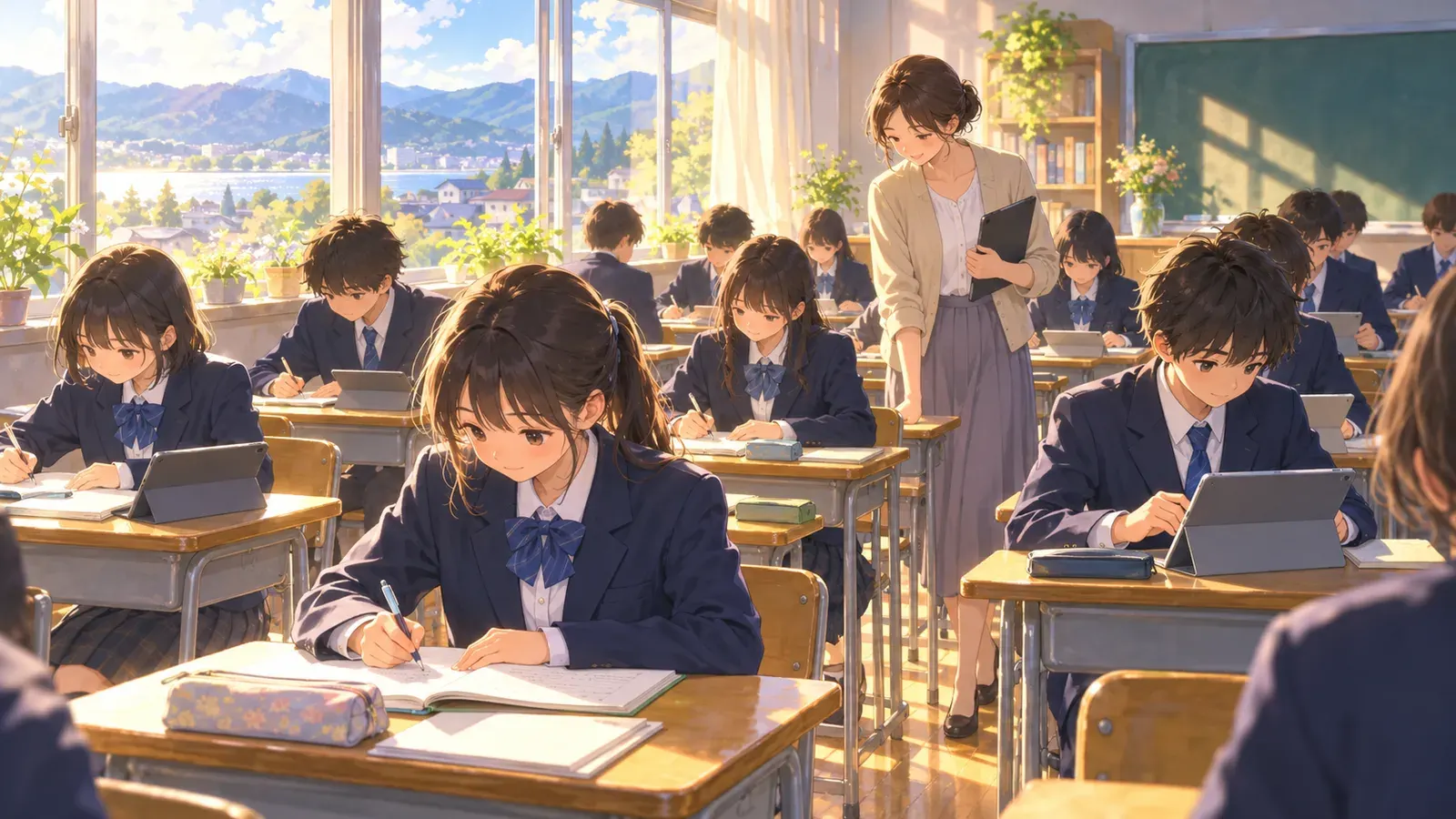
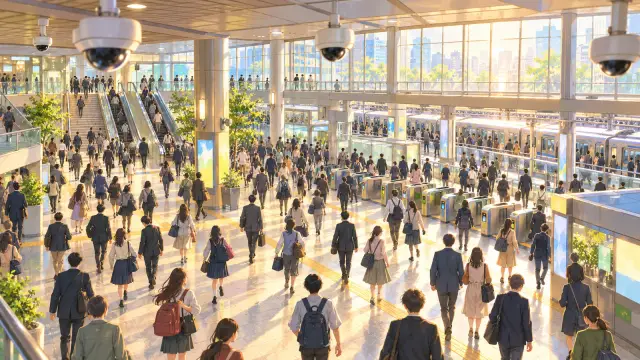
In a junior high school English class, thirty students are listening to a story. But they are not looking at the teacher. Each of them is looking at a tablet, where the words of the story light up one by one as a voice reads them aloud. A few minutes later, the students record their own voices and send the recordings to the teacher with a single touch. Not long ago, this kind of lesson would have been hard to imagine in most Japanese schools.
ある中学校の英語の授業で、30人の生徒が物語を聞いています。でも、生徒たちは先生のほうを見ていません。一人ひとりがタブレットを見ているのです。画面では、音声が読み上げるのに合わせて、物語の単語が一つずつ光っていきます。数分後、生徒たちは自分の声を録音し、画面に一度ふれるだけで、それを先生に送ります。少し前まで、日本のほとんどの学校では、こんな授業は想像もできなかったでしょう。
The change came with the GIGA School program. Under this plan, the government provided a computer or tablet for every elementary and junior high school student, and by around 2021, almost every school had them. In 2024, digital English textbooks began to be provided across the country for students from the fifth grade of elementary school to the third year of junior high school. Now a new question is being discussed in classrooms, homes, and governments around the world: should students learn with screens or with paper?
この変化は、GIGAスクール構想によってもたらされました。この計画で、政府は小学生と中学生の一人ひとりにパソコンかタブレットを用意し、2021年ごろには、ほぼすべての学校に行きわたりました。2024年度には、小学5年生から中学3年生までを対象に、英語のデジタル教科書が全国で配られるようになりました。今、世界中の教室や家庭、そして政府で、新しい問いが議論されています。生徒は画面で学ぶべきか、それとも紙で学ぶべきか、という問いです。
Supporters of tablets point to many advantages. First, digital tools can make lessons more active. Instead of only one student answering a question, the whole class can send their answers to the teacher's screen at the same time. The teacher can see at once who understands and who needs help. Students can also share their ideas, work on group presentations, and search for information that is not in the textbook.
タブレットを支持する人たちは、多くの長所をあげます。第一に、デジタルの道具を使うと、授業がもっと活発になります。一人の生徒が質問に答えるのではなく、クラス全員がいっせいに自分の答えを先生の画面に送ることができます。先生は、誰が分かっていて、誰に手助けが必要かを、すぐに見てとれます。生徒どうしで考えを共有したり、グループで発表の準備をしたり、教科書にのっていない情報を調べたりもできます。
Second, digital textbooks can do things that paper cannot. Students can make the letters bigger, listen to the correct pronunciation of English words, and watch videos of science experiments. These functions are especially helpful for students who have difficulty reading small print or who learn better by listening. For many students with disabilities, a tablet can open doors that were closed before.
第二に、デジタル教科書なら、紙ではできないこともできます。文字を大きくしたり、英単語の正しい発音を聞いたり、理科の実験の動画を見たりできるのです。こうした機能は、小さな文字を読むのが苦手な生徒や、耳で聞いたほうがよく学べる生徒にとって、特に役に立ちます。障がいのある生徒の多くにとって、タブレットは、それまで閉ざされていた扉を開いてくれるものになりえます。
Third, tablets can keep learning going when students cannot come to school. A student who is sick, or who finds it hard to be in a classroom, can join a lesson online or receive materials at home. During typhoons or other emergencies, schools can also send information to every family quickly.
第三に、タブレットがあれば、学校に来られないときも学びを続けられます。病気の生徒や、教室にいるのがつらい生徒も、オンラインで授業に参加したり、家で教材を受け取ったりできます。台風などの緊急時には、学校がすべての家庭にすばやく連絡することもできます。
Many teachers also believe that schools must teach students how to use technology wisely. Students need to learn how to check whether information online is true, how to protect their personal information, and how to communicate politely with others on the internet. These skills, sometimes called digital literacy, may be as important today as reading and writing.
また、技術を賢く使う方法を学校で教えなければならない、と考える先生も多くいます。ネットの情報が本当かどうかを確かめる方法、自分の個人情報を守る方法、インターネット上で人と礼儀正しくやりとりする方法を、生徒は学ぶ必要があります。こうした力はデジタル・リテラシーと呼ばれることもあり、今の時代には読み書きと同じくらい大切なのかもしれません。
However, there are also serious concerns. The first is distraction. A tablet can show games, videos, and messages as well as lessons, and it takes strong self-control to ignore them. In the OECD's PISA survey in 2022, students who said they were distracted by other students' digital devices in math class tended to have lower math scores. Teachers also say that they cannot always see what each student is doing on the screen.
しかし、深刻な心配もあります。一つ目は、気が散ることです。タブレットには、授業だけでなくゲームや動画、メッセージも表示されます。それらを無視するには、強い自制心が必要です。2022年のOECDのPISA調査では、数学の授業中にほかの生徒のデジタル機器に気をとられると答えた生徒は、数学の得点が低い傾向がありました。先生たちも、一人ひとりが画面で何をしているかは、いつも見えるわけではないと言います。
The second concern is about how deeply students learn. In a well-known study published in 2014, American researchers compared university students who took notes by hand with those who typed notes on laptops. The students who typed tended to copy the lecture word for word, and they did worse on questions that asked them to understand ideas. Writing by hand is slower, so students must decide what is important and put it into their own words. Not all researchers agree on how large this effect is, but the study made many teachers think again about note-taking.
二つ目の心配は、生徒がどれだけ深く学べるかということです。2014年に発表された有名な研究で、アメリカの研究者たちは、手書きでノートをとる大学生と、ノートパソコンでノートを打ちこむ大学生をくらべました。打ちこんだ学生は、講義を一語一語そのまま写す傾向があり、考え方の理解を問う問題で成績が悪くなりました。手で書くのは時間がかかるので、何が大切かを決めて、自分の言葉で言いかえなければなりません。この効果がどれほど大きいかについては、研究者の意見が分かれています。それでもこの研究は、多くの先生がノートのとり方を考え直すきっかけになりました。
Reading may be affected, too. In 2018, a group of researchers combined the results of dozens of studies that compared reading on paper with reading on screens, with more than 170,000 participants in total. They found that, on average, people understood texts a little better on paper. The difference was larger when readers had a time limit, and when the texts gave information rather than telling stories.
読むことにも影響があるかもしれません。2018年、研究者のグループが、紙で読む場合と画面で読む場合をくらべた何十もの研究の結果をまとめました。参加者は合わせて17万人以上にのぼります。その結果、平均すると、人は紙で読んだほうが、文章を少しよく理解していることが分かりました。この差は、読む時間に制限があるときや、物語ではなく情報を伝える文章のときに、より大きくなりました。
Health is another worry. Many parents and doctors are concerned that long hours of looking at screens may harm children's eyes and reduce the time they spend moving their bodies outdoors. Some schools now encourage students to look away from their screens regularly and to keep a good distance between their eyes and the tablet.
健康も心配の一つです。長い時間画面を見ていると、子どもの目を悪くしたり、外で体を動かす時間が減ったりするのではないか、と心配する親や医師は少なくありません。生徒に、こまめに画面から目を離すことや、目とタブレットの間に十分な距離をとることを呼びかけている学校もあります。
There are practical problems as well. Tablets break, batteries get weak, and software needs to be updated. Schools need staff who can fix problems quickly, but many schools do not have enough of them. When students take their tablets home, families without a good internet connection may not be able to use them fully.
現実的な問題もあります。タブレットはこわれますし、バッテリーは弱っていき、ソフトウェアは更新しなければなりません。学校には、問題をすぐに解決できる職員が必要ですが、多くの学校では人手が足りていません。生徒がタブレットを家に持ち帰っても、インターネットの環境が十分でない家庭では、うまく使いこなせないこともあります。
Generative AI has added yet another question. Tools that can answer questions and write essays are now easy to use on a tablet. Some teachers use AI to help students practice English conversation, while others worry that students will stop thinking for themselves.
生成AIの登場で、さらに新しい問題も生まれました。質問に答えたり作文を書いたりできる道具が、今ではタブレットで手軽に使えます。AIを使って生徒に英会話の練習をさせる先生がいる一方で、生徒が自分の頭で考えなくなるのではないかと心配する先生もいます。
Because of these concerns, some countries have changed direction. Sweden was once known for using screens in classrooms from an early age. But in 2023, after students' test results fell, its government decided to spend more money on printed textbooks so that students could learn more from paper books again.
こうした心配から、方針を変えた国もあります。スウェーデンは、かつて幼いころから教室で画面を使う国として知られていました。ところが2023年、生徒のテストの成績が下がったことを受けて、政府は紙の教科書にもっとお金を使うことを決めました。生徒がもう一度、紙の本からもっと学べるようにするためです。
Japan is looking for a middle way. In June 2026, the Diet passed a law that makes digital textbooks official textbooks. Textbooks will come in three forms: paper, digital, and hybrid textbooks that mix the two, and the new textbooks are expected to be used from around 2030. In October 2026, a draft of the government's guidelines said that hybrid textbooks should be the main type, and that fully digital textbooks should not be used for children in the fourth grade or below. In a government survey, a large majority of schools had also said that they would prefer hybrid textbooks.
日本は、その中間の道を探っています。2026年6月、国会で、デジタル教科書を正式な教科書とする法律が成立しました。教科書は、紙、デジタル、そして両方を組み合わせたハイブリッドの3つの形になり、新しい教科書は2030年度ごろから使われる見通しです。2026年10月に示された政府の指針の素案では、ハイブリッドの教科書を中心とし、小学4年生以下では完全にデジタルだけの教科書は使わない、という方針が示されました。政府の調査でも、学校の大部分がハイブリッドの教科書がよいと答えていました。
In the end, the question may not be paper or tablets, but when to use each one. Tablets may be best for sharing ideas, practicing pronunciation, and finding information. Paper may be better for reading long texts carefully, solving math problems step by step, and taking notes that help us think. A good classroom may need both.
結局のところ、問題は紙かタブレットかではなく、それぞれをいつ使うかなのかもしれません。タブレットは、考えを共有したり、発音を練習したり、情報を調べたりするのに向いているでしょう。紙は、長い文章をじっくり読んだり、数学の問題を一歩ずつ解いたり、考えるのに役立つノートをとったりするのに向いているかもしれません。よい教室には、その両方が必要なのでしょう。
What do you think? Some people say schools should use tablets more, because digital tools make lessons more active and help students with different needs. Others say schools should use paper more, because students can concentrate better and understand more deeply when they read and write on paper.
あなたはどう思いますか。学校はもっとタブレットを使うべきだ、と言う人がいます。デジタルの道具を使うと授業が活発になり、いろいろな助けが必要な生徒の役にも立つからです。一方、学校はもっと紙を使うべきだ、と言う人もいます。紙で読んだり書いたりするほうが集中しやすく、より深く理解できるからです。
 2段落目に「from the fifth grade of elementary school to the third year of junior high school」(小学5年生から中学3年生まで)とあります。
 原田英語の究極の英単語帳(CEFR-J 6,868語)

 聞くだけモードで、文字を見ずに内容がわかるか試す。
 1文リピートで音読・シャドーイングも。



 名作文学