



 約14分
 9:36
 全訳つき
 お道具箱
 読書ラウンジ
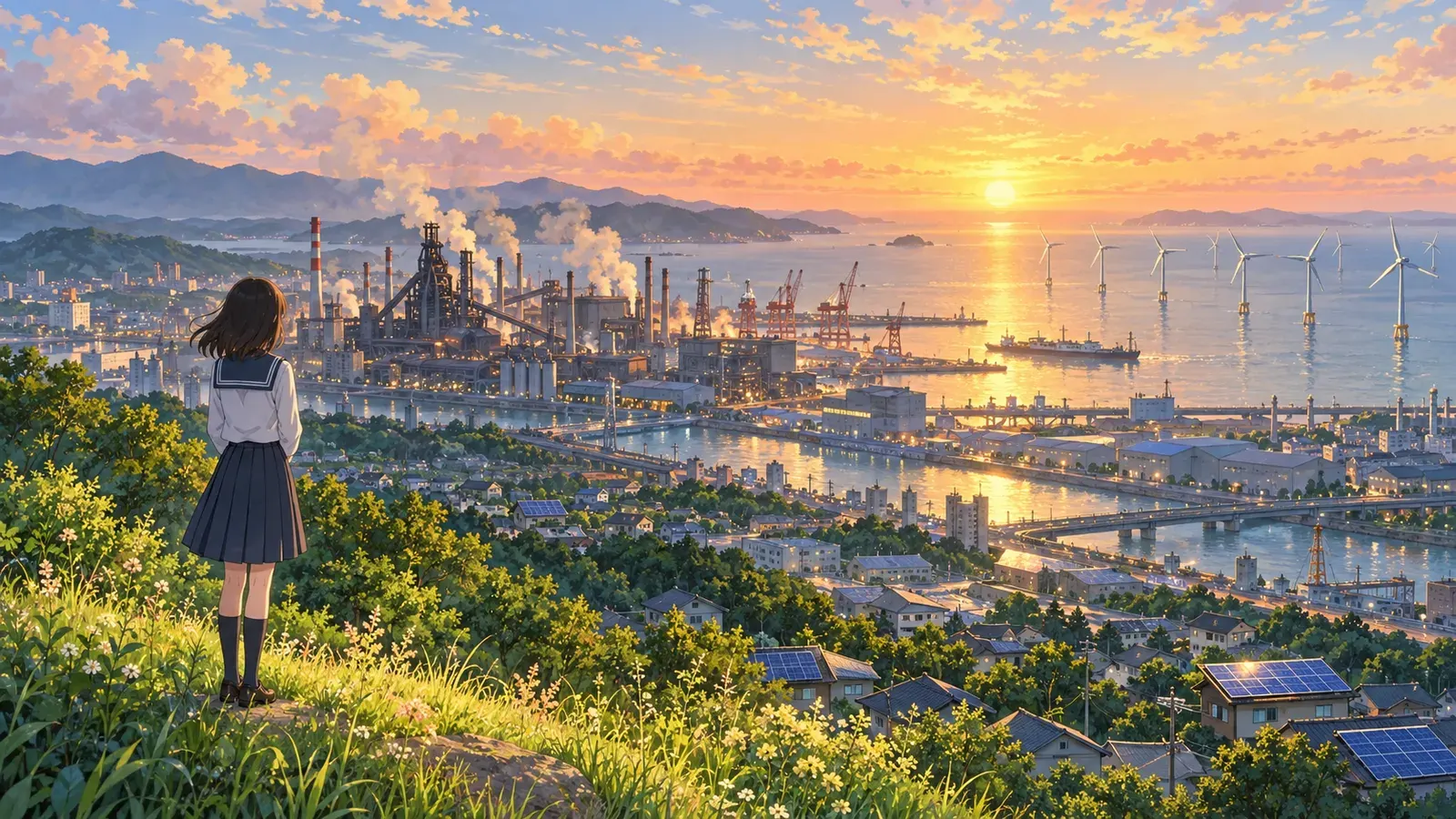
In October 2020, the Japanese government made a bold promise: by 2050, Japan would become carbon neutral. In other words, the country would cut its greenhouse gas emissions so sharply that whatever it still released would be balanced by what forests and new technologies could remove from the air. At the time, Japan depended on fossil fuels for most of its energy, and few people could picture how such a change might happen. Today, with the deadline less than twenty-five years away, the question is no longer whether the goal is desirable, but whether it is realistic.
2020年10月、日本政府は思い切った約束をしました。2050年までに、日本はカーボンニュートラルになるというのです。つまり、温室効果ガスの排出を大きく減らし、それでも出てしまう分を、森林や新しい技術で空気中から取りのぞく量と差し引きゼロにする、ということです。当時の日本は、エネルギーの大部分を化石燃料にたよっていて、そんな変化がどうやって起こるのか、思いえがける人はほとんどいませんでした。期限まで25年を切った今、問われているのは、この目標が望ましいかどうかではありません。現実に達成できるのかどうかです。
Japan's promise did not come out of nowhere. In 2015, almost every country in the world adopted the Paris Agreement, which aims to keep the rise in global temperature well below 2 degrees Celsius compared with pre-industrial times, and to pursue efforts to limit it to 1.5 degrees. Scientists have warned that the gap between these two numbers is significant, because every extra fraction of a degree brings more extreme heat, heavier rain, and greater damage to farms and coral reefs. To stay close to 1.5 degrees, the world as a whole needs to reach net zero carbon dioxide emissions around the middle of this century. That is why so many countries, including Japan, chose 2050 as their target.
日本の約束は、何もないところから出てきたわけではありません。2015年、世界のほぼすべての国がパリ協定を採択しました。パリ協定は、世界の気温の上昇を産業革命前と比べて2度より十分低くおさえ、さらに1.5度までにとどめる努力をすることを目指しています。科学者たちは、この二つの数字のちがいは大きいと警告してきました。わずか零コンマ何度でも上がるたびに、極端な暑さが増え、雨がはげしくなり、農地やサンゴ礁の被害が大きくなるからです。1.5度に近い水準にとどめるには、世界全体で、今世紀の半ばごろまでに二酸化炭素の排出を実質ゼロにする必要があります。だからこそ、日本をはじめ多くの国が、2050年を目標の年に選んだのです。
It is important to understand that carbon neutral does not mean zero emissions. Some activities, such as farming and certain industrial processes, will probably always release some greenhouse gases. The aim is to cut emissions as much as possible and to balance the rest by removing carbon dioxide from the air, for example by protecting and growing forests or by capturing the gas and storing it deep underground.
ここで大切なのは、カーボンニュートラルとは排出をまったくのゼロにすることではない、という点です。農業や一部の工業の工程など、どうしても温室効果ガスを出してしまう活動もあるでしょう。目指しているのは、排出をできるかぎり減らし、残った分を空気中の二酸化炭素を取りのぞくことで打ち消すことです。たとえば、森林を守り育てたり、二酸化炭素を回収して地下深くにためたりする方法があります。
The warning signs are becoming harder to ignore. According to the World Meteorological Organization, 2024 was the warmest year on record, with a global average temperature about 1.55 degrees above the pre-industrial level. This does not mean that the Paris goal has already failed, since the goal refers to long-term averages over decades rather than a single year. Still, it shows how little room is left. In Japan, the summer of 2025 was the hottest since records began in 1898, and more people were taken to hospital with heatstroke than in any year since the national survey began in 2008.
危険を知らせるサインは、もう無視できなくなってきています。世界気象機関(WMO)によると、2024年は記録が残る中で最も暖かい年でした。世界の平均気温は、産業革命前より約1.55度高かったのです。とはいえ、これでパリ協定の目標がもう達成できなくなった、というわけではありません。目標が指しているのは、1年ごとの値ではなく、何十年にもわたる長い期間の平均だからです。それでも、残された余裕がどれほど小さいかはよく分かります。日本では、2025年の夏が1898年に記録を取り始めてから最も暑い夏となり、熱中症で病院に運ばれた人の数も、国の調査が始まった2008年以降で最も多くなりました。
So how far has Japan come? The government measures its progress against 2013, a year when emissions were particularly high. In the 2024 fiscal year, Japan's net greenhouse gas emissions, after subtracting the amount taken in by forests and other sinks, were about 994 million tons, measured as the equivalent amount of carbon dioxide. This was roughly 29 percent lower than in 2013, and it was the first time the figure had fallen below one billion tons. According to the government, the main reasons were energy saving and a shift toward cleaner sources of electricity.
では、日本はここまでどれだけ進んだのでしょうか。政府は、排出量が特に多かった2013年度を基準にして、進み具合をはかっています。2024年度の日本の温室効果ガスの排出量は、森林などが吸収した分を差し引くと、二酸化炭素に換算して約9億9400万トンでした。これは2013年度より約29パーセント少なく、初めて10億トンを下回った数字です。政府によると、主な理由は、省エネが進んだことと、電気をつくる方法がよりクリーンなものに移ってきたことです。
Japan has also set goals along the way. It aims to cut emissions by 46 percent by 2030, and in February 2025 it announced new targets of 60 percent by 2035 and 73 percent by 2040, all compared with 2013. Supporters say these numbers put Japan on a straight path toward zero. Critics, however, point out that the cuts achieved so far took more than ten years, while the next, even larger cuts must be made in a much shorter time.
日本は、途中の目標も定めています。2030年度までに排出量を46パーセント減らすことを目指しており、2025年2月には、2035年度までに60パーセント、2040年度までに73パーセント減らすという新しい目標を発表しました。どれも2013年度と比べた数字です。この数字は、ゼロに向かってまっすぐ進む道すじにそっている、と支持する人たちは言います。しかし、批判する人たちは、これまでの削減に10年以上かかったのに、次のさらに大きな削減は、ずっと短い期間でやりとげなければならない、と指摘します。
The challenge becomes clearer when we look at where emissions come from. The largest source is electricity. In the early 2020s, around 70 percent of Japan's electricity was still produced by burning coal, natural gas, and oil. Replacing these power plants is not easy in a country with many mountains, limited flat land, and seas that become deep close to the shore, which make large solar and wind farms harder to build than in some other countries. Nuclear power produces little carbon dioxide, but since the accident at Fukushima in 2011, public opinion about it has remained sharply divided.
排出がどこから出ているかを見ると、課題はもっとはっきりします。最も大きな排出源は電気です。2020年代の初めには、日本の電気の約70パーセントが、まだ石炭や天然ガス、石油を燃やしてつくられていました。こうした発電所を置きかえるのは簡単ではありません。日本は山が多く、平らな土地はかぎられていて、海も岸から少し離れるとすぐに深くなります。そのため、大きな太陽光発電所や風力発電所をつくるのが、ほかの一部の国よりむずかしいのです。原子力発電は二酸化炭素をほとんど出しませんが、2011年の福島での事故以来、原子力をめぐる世論は大きく分かれたままです。
Industry presents another difficulty. Making steel, cement, and chemicals requires enormous amounts of heat, and in traditional steelmaking, coal is not only a fuel but also a key ingredient used to remove oxygen from iron ore. Japanese companies are testing ways to use hydrogen instead, but these methods are still expensive and not yet used on a large scale. Because such industries support many jobs and compete with companies abroad, the speed of change is a sensitive issue.
産業にも、別のむずかしさがあります。鉄やセメント、化学製品をつくるには、ばく大な熱が必要です。さらに、昔からの製鉄では、石炭は燃料であるだけでなく、鉄鉱石から酸素を取りのぞくための欠かせない材料でもあります。日本の企業は、石炭のかわりに水素を使う方法を試していますが、まだ費用が高く、大きな規模では使われていません。こうした産業は多くの仕事を支えていて、海外の企業とも競争しています。そのため、どれくらいの速さで変えていくかは、とてもむずかしい問題なのです。
Many economists argue that the most effective tool is to put a price on carbon. The idea is simple: if releasing carbon dioxide costs money, companies and consumers will look for cleaner choices on their own, without the government having to decide every detail. There are two main methods. A carbon tax adds a fixed charge to fossil fuels, as Sweden has done since 1991. An emissions trading system, like the one the European Union started in 2005, sets a limit on total emissions and allows companies to buy and sell the right to emit.
最も効果的な手段は炭素に値段をつけることだ、と多くの経済学者は主張しています。考え方は単純です。二酸化炭素を出すとお金がかかるなら、政府が細かいことまで決めなくても、企業や消費者は自分からよりクリーンな方法を探すはずだ、というのです。主な方法は二つあります。一つは炭素税で、化石燃料に決まった額の税金を上乗せします。スウェーデンは1991年からこれを行っています。もう一つは排出量取引制度です。欧州連合(EU)が2005年に始めたもののように、排出量全体に上限を決め、企業どうしが排出する権利を売り買いできるようにする仕組みです。
Japan has moved more slowly. Since 2012, it has had a small tax on fossil fuels, which now equals 289 yen per ton of carbon dioxide, far lower than the rates in many European countries. In 2026, however, a new stage began. Companies whose direct carbon dioxide emissions averaged 100,000 tons or more a year over the previous three fiscal years must now take part in a national emissions trading system, and from 2028, companies that import fossil fuels are scheduled to pay a new charge based on the carbon those fuels contain. The government plans to start with low prices and raise them gradually, so that businesses have time to prepare.
日本の歩みは、もっとゆっくりでした。2012年から化石燃料に小さな税をかけていて、今では二酸化炭素1トンあたり289円になっていますが、これはヨーロッパの多くの国の税率よりはるかに低い額です。しかし2026年度、新しい段階が始まりました。直前の3年度に直接出した二酸化炭素が年平均10万トン以上の企業は、今では国の排出量取引制度に参加しなければなりません。さらに2028年度からは、化石燃料を輸入する企業が、燃料にふくまれる炭素の量に応じた新しい負担金を払う予定です。政府は、企業が準備する時間をとれるよう、低い価格から始めて少しずつ引き上げていく方針です。
Carbon pricing, however, has its own critics. Because poorer households spend a larger share of their income on energy, a carbon price can hit them harder than wealthy families. One common answer is to return the money raised to households, for example as cash payments or lower taxes on other things. Even so, such plans can be politically difficult, and in several countries, higher fuel prices linked to climate policy have met strong public opposition.
ただし、炭素に値段をつけるやり方にも、批判があります。貧しい家庭ほど、収入のうちエネルギーに使う割合が大きいので、炭素の値段が上がると、豊かな家庭より大きな打撃を受けかねません。よくある対策は、集めたお金を家庭に返すことです。たとえば、現金で配ったり、ほかの税金を下げたりします。それでも、こうした政策を進めるのは政治的にむずかしいことがあり、気候対策にともなう燃料の値上げが、強い反対にあった国もいくつかあります。
Daily life will also need to change, although perhaps less dramatically than some people fear. Homes with better insulation need less heating and cooling, heat pump water heaters use much less energy than ordinary gas heaters, and electric cars can run on clean electricity. The way we travel matters as well: trains and buses produce far less carbon dioxide per passenger than private cars, and cities that are easy to walk and cycle in can cut emissions while also making people healthier. Many of these choices save money in the long run, but they often cost more at the start, which can be a burden for young families and people on low incomes.
毎日の暮らしも変わっていく必要があります。ただし、心配している人が思うほど大きな変化ではないかもしれません。断熱のよい家なら、冷暖房が少なくてすみます。ヒートポンプ式の給湯器は、ふつうのガス給湯器よりずっと少ないエネルギーでお湯をわかせますし、電気自動車はクリーンな電気で走ることができます。移動の仕方も大切です。電車やバスは、乗客一人あたりで比べると、自家用車よりはるかに少ない二酸化炭素しか出しません。歩いたり自転車に乗ったりしやすい町にすれば、排出を減らせるうえに、人々の健康にもよいのです。こうした選択の多くは、長い目で見ればお金の節約になります。けれども、初めにかかる費用は高いことが多く、若い家族や収入の少ない人たちには負担になりかねません。
Optimists believe that Japan can make it. They point out that the cost of solar panels and batteries has fallen sharply, that Japanese companies are strong in technologies such as hybrid cars and new types of thin, flexible solar cells, and that buying less oil, coal, and gas from abroad would make the country less vulnerable to sudden rises in world energy prices. In their view, the transition is not only a duty but also an opportunity to create new industries and jobs.
楽観的な人たちは、日本は目標を達成できると考えています。太陽光パネルや蓄電池の値段は大きく下がりました。日本の企業は、ハイブリッド車や、うすくて曲げられる新しいタイプの太陽電池などの技術に強みをもっています。また、海外から買う石油や石炭、ガスが減れば、世界のエネルギー価格が急に上がっても、日本はその影響を受けにくくなります。楽観的な人たちはこうした点を挙げ、この移行は果たすべき義務であるだけでなく、新しい産業や仕事を生み出すチャンスでもある、と考えています。
Skeptics see things differently. They argue that rising energy prices could weaken Japanese industry and push factories to move abroad, perhaps to countries with looser rules, which would not help the climate at all. Some also doubt that technologies such as hydrogen steelmaking and carbon capture will become cheap enough in time. They also note that Japan produces only a small share of global emissions, and that the decisions of the world's largest emitters will matter far more. Their concern grew in January 2026, when the United States, one of the largest emitters, officially left the Paris Agreement for the second time.
慎重な人たちの見方はちがいます。エネルギーの値段が上がれば日本の産業が弱まり、工場が海外へ、ひょっとすると規制のゆるい国へ移ってしまうかもしれない、と主張します。そうなれば、気候のためには何の役にも立ちません。水素を使った製鉄や二酸化炭素の回収といった技術が、間に合うほど安くなるのか疑問だ、と言う人もいます。また、日本が出している排出量は世界全体のほんの一部にすぎず、結果を大きく左右するのは、排出量の多い国々の決定のほうだ、とも指摘します。2026年1月、排出量が最も多い国の一つであるアメリカが、二度目となるパリ協定からの離脱を正式に果たすと、こうした心配はさらに強まりました。
Supporters of strong action reply that Japan's emissions per person are still higher than the world average, and that a wealthy country with advanced technology has a special responsibility to lead. They add that if Japan waits too long, it may fall behind other countries in the race to sell clean technology, and that the costs of heat waves, floods, and crop damage will keep rising if the world fails to act.
これに対して、強い対策を支持する人たちは、日本の一人あたりの排出量は今も世界平均より多く、すぐれた技術をもつ豊かな国には、先頭に立つ特別な責任がある、と反論します。さらに、日本が手をこまねいていると、クリーンな技術を売りこむ競争でほかの国に後れをとるかもしれないし、世界が対策に失敗すれば、熱波や洪水、農作物の被害による損失はふくらみ続ける、とも言います。
In the end, whether Japan reaches carbon neutrality by 2050 may depend less on any single invention than on a series of difficult choices: how high the price of carbon should be, which energy sources to build, and how to share the costs fairly. What seems certain is that the decisions made in the next ten years, while today's high school students are starting their adult lives, will shape the result.
結局のところ、日本が2050年までにカーボンニュートラルを達成できるかどうかは、何か一つの発明よりも、一つひとつのむずかしい選択にかかっているのかもしれません。炭素の値段をどこまで高くするのか。どのエネルギー源の設備をつくるのか。費用をどうやって公平に分け合うのか。確かなことが一つあります。今の高校生が大人の生活を始めていく、これからの10年間に下される決定が、その結果を形づくるということです。
What do you think? Some people say that Japan should raise the price of carbon quickly, because a clear cost is the fastest way to change how companies and families use energy. Others say that Japan should move carefully, because sudden price increases could hurt industry, jobs, and people with low incomes.
あなたはどう思いますか。日本は炭素の値段を急いで引き上げるべきだ、と言う人もいます。はっきりした費用がかかることこそが、企業や家庭のエネルギーの使い方を変えるいちばんの近道だからです。一方、日本は慎重に進めるべきだ、と言う人もいます。急に値段が上がれば、産業や雇用、そして収入の少ない人たちが痛手を受けかねないからです。
 4段落目に「the goal refers to long-term averages over decades rather than a single year.」(目標は単年でなく数十年の平均を指す)とあります。

 原田英語の究極の英単語帳(CEFR-J 6,868語)

 聞くだけモードで、文字を見ずに内容がわかるか試す。
 1文リピートで音読・シャドーイングも。

 偉人伝

 原文で読む名作