
テ・デウム
Te Deum
シャルパンティエ・c. 1688–1698
パンパカパーン!ヨーロッパのテレビの幕開けを飾ってきた、ごうかな前奏曲。
テ・デウム ニ長調のページへ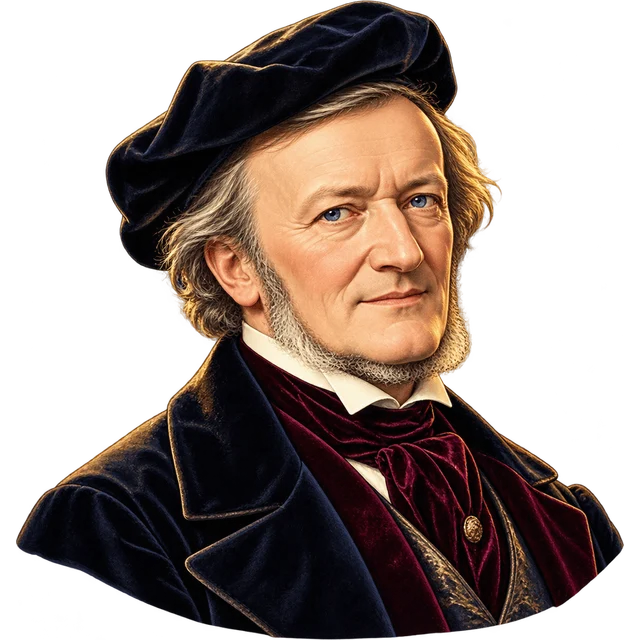
Orchestral · WWV 70 · 1843–1845
リヒャルト・ワーグナー(1813–1883)
おごそかな巡礼の歌と、あやしい愛の世界がぶつかりあう!A solemn pilgrims' hymn clashes with a world of wild pleasure!
PUBLIC DOMAIN RECORDING
PD / CC0 無料でダウンロードOKWATCH ON YOUTUBE
 Wagner: "Tannhäuser" Overture / Nelsons · Berliner Philharmoniker
Berliner Philharmoniker(YouTube) YouTube で開く ↗
Wagner - Tannhäuser Overture (Roland Böer, DSO Berlin)
EuroArtsChannel(YouTube) YouTube で開く ↗
左の音源は権利が切れた録音なのでダウンロードできます。右の動画は YouTube の公式の埋め込みで見るもので、ダウンロードはできません(動画の権利は各チャンネルにあります)。
 もっと名演を観る YouTube で何百万回も再生された人気の演奏
Wagner: Tannhäuser – Ouvertüre ∙ hr-Sinfonieorchester ∙ Alain Altinoglu
hr-Sinfonieorchester – Frankfurt Radio Symphony(YouTube) YouTube で開く ↗
Wagner ~ Tannhäuser Overture
Richard Brittain(YouTube) YouTube で開く ↗
Best of Richard Wagner - Classical Music Gems
Essential Classics(YouTube) YouTube で開く ↗
Wagner: Overtures and preludes
VSP Musical(YouTube) YouTube で開く ↗
ホー!パリでの上演のとき、客席から口笛でじゃまされて大さわぎになったんだ。
 この曲のおはなし The Story
ワーグナーの歌劇「タンホイザー」の幕が上がる前に演奏されるオーケストラ曲です。歌劇の正式な題名は「タンホイザーとヴァルトブルクの歌合戦」。中世ドイツの騎士で歌い手のタンホイザーが、愛の女神ヴェーヌスの世界と、清らかな乙女エリーザベトの愛のあいだで苦しむ物語です。1845年にドレスデンで初演されました。This orchestral piece is played before the curtain rises in Wagner's opera "Tannhäuser." The full title is "Tannhäuser and the Song Contest at the Wartburg." Tannhäuser, a medieval German knight and singer, is torn between the world of Venus, goddess of love, and the pure love of a young woman named Elisabeth. The opera was premiered in Dresden in 1845.
序曲は、ホルンやクラリネットなどがゆっくりおごそかに奏でる「巡礼の合唱」のメロディで始まります。やがて音楽は、ヴェーヌスの住む洞窟の、あやしく激しい世界へ変わります。祈りと快楽、2つの世界がぶつかりあい、最後はふたたび巡礼のメロディが力強く鳴りひびきます。The overture begins with the slow, solemn melody of the Pilgrims' Chorus, played by horns, clarinets, and other winds. Then the music changes into the wild, magical world of Venus's cave. The two worlds, prayer and pleasure, clash. At the end, the pilgrims' melody returns in full power.
1861年のパリ上演では、パリの習慣どおりに第2幕にバレエを入れなかったことなどから、貴族のグループ「ジョッキー・クラブ」が口笛でじゃまをし、わずか3回で打ち切られました。それでも詩人ボードレールはワーグナーを強く支持しました。序曲は今もコンサートで人気の名曲です。At the 1861 Paris production, Wagner did not put a ballet in Act 2, as Paris custom expected. Members of the aristocratic Jockey Club disrupted the shows with whistles, and the production closed after only three performances. Still, the poet Charles Baudelaire strongly supported Wagner. Today the overture is a concert favorite.
This music opens an opera by Wagner. It starts with a slow and holy song. Then the music becomes wild and exciting. At the end, the holy song comes back. It is loud and strong.この音楽はワーグナーのオペラの始まりの曲です。ゆっくりした神聖な歌で始まります。それから音楽は激しく、わくわくするものになります。最後に神聖な歌が戻ってきます。大きく力強い音です。
 聴きどころ Listening Guide
 えっ!?ネタ Surprising Facts
 タップすると答えが開きます
1861年のパリ・オペラ座での上演では、第2幕でバレエを見るのを楽しみにしていた貴族たちの「ジョッキー・クラブ」が、口笛などで上演をじゃましました。大さわぎの末、公演はたった3回で打ち切られてしまいました。
At the Paris Opéra in 1861, members of the aristocratic Jockey Club, who expected a ballet in Act 2, disrupted the performances with whistles and noise. After a great uproar, the production closed after only three nights.
舞台となるヴァルトブルク城は、ドイツに実在する城です。中世にここで歌合戦が開かれたという伝説があります。この城は、のちにルターが新約聖書をドイツ語に訳した場所としても有名です。タンホイザーも中世に実在した歌人の名前です。
The Wartburg, where the opera takes place, is a real castle in Germany. Legend says a singing contest was held there in the Middle Ages. The castle is also famous as the place where Martin Luther translated the New Testament into German. Tannhäuser was also the name of a real medieval poet-singer.
ワーグナーの熱烈なファンだったバイエルン王ルートヴィヒ2世は、ノイシュヴァンシュタイン城に、ヴァルトブルク城をモデルにした「歌人の広間」を作りました。リンダーホーフ城には、ヴェーヌスの洞窟をイメージした人工の洞窟まであります。
King Ludwig II of Bavaria, a huge Wagner fan, built a Singers' Hall in Neuschwanstein Castle, modeled on the Wartburg. At Linderhof Palace he even made an artificial cave inspired by Venus's grotto.
ワーグナーはこのオペラを何度も書き直しました。亡くなる少し前にも、自分はまだ世界に「タンホイザー」の借りがある、と語ったと妻コジマの日記に記されています。完成形に満足できなかったのかもしれません。
Wagner revised this opera many times. Shortly before his death, his wife Cosima wrote in her diary that he said he still owed the world "Tannhäuser." Perhaps he was never fully satisfied with it.
ENGLISH × MASTERPIECE
 もとは「音程がはずれた」。そこから「その場にそぐわない」という意味でも使います。
 この曲で覚える英単語 Words
 クイズに挑戦 Quiz
 この録音について(著作権・出典) Credits
MORE MASTERPIECES
シャルパンティエ・c. 1688–1698
パンパカパーン!ヨーロッパのテレビの幕開けを飾ってきた、ごうかな前奏曲。
テ・デウム ニ長調のページへ
パーセル・1695
ブリテンが「オーケストラ入門」のテーマに選んだ、かっこいいメロディー。
劇音楽「アブデラザール」より ロンドのページへ
バッハ・c. 1704 (?)
タラリ〜!一度聴いたら忘れない、オルガンの大迫力の幕開け。
トッカータとフーガ ニ短調のページへバッハ・c. 1703–1707 (?)
音楽の授業でおなじみ!4つの声が同じテーマで追いかけっこ。
小フーガ ト短調のページへバッハ・c. 1706–1713
足が弾く低いテーマが21回!重くて壮大な、オルガンの大建築。
パッサカリアとフーガ ハ短調のページへバッハ・c. 1707–1710 (?)
キラキラの駆け上がりで幕開け!若きバッハのはなやかな鍵盤ショー。
トッカータ ニ長調のページへ
ヴィヴァルディ・published 1711
2本のヴァイオリンが火花を散らす!バッハも編曲した熱い協奏曲。
協奏曲集『調和の霊感』第8番 イ短調(2つのヴァイオリンのための協奏曲)のページへヴィヴァルディ・c. 1715
オクターブがぴょんぴょん跳ねる!喜びがはじける合唱の名曲。
グローリア ニ長調のページへ
 MP3